
All articles
-
Tech & Builds
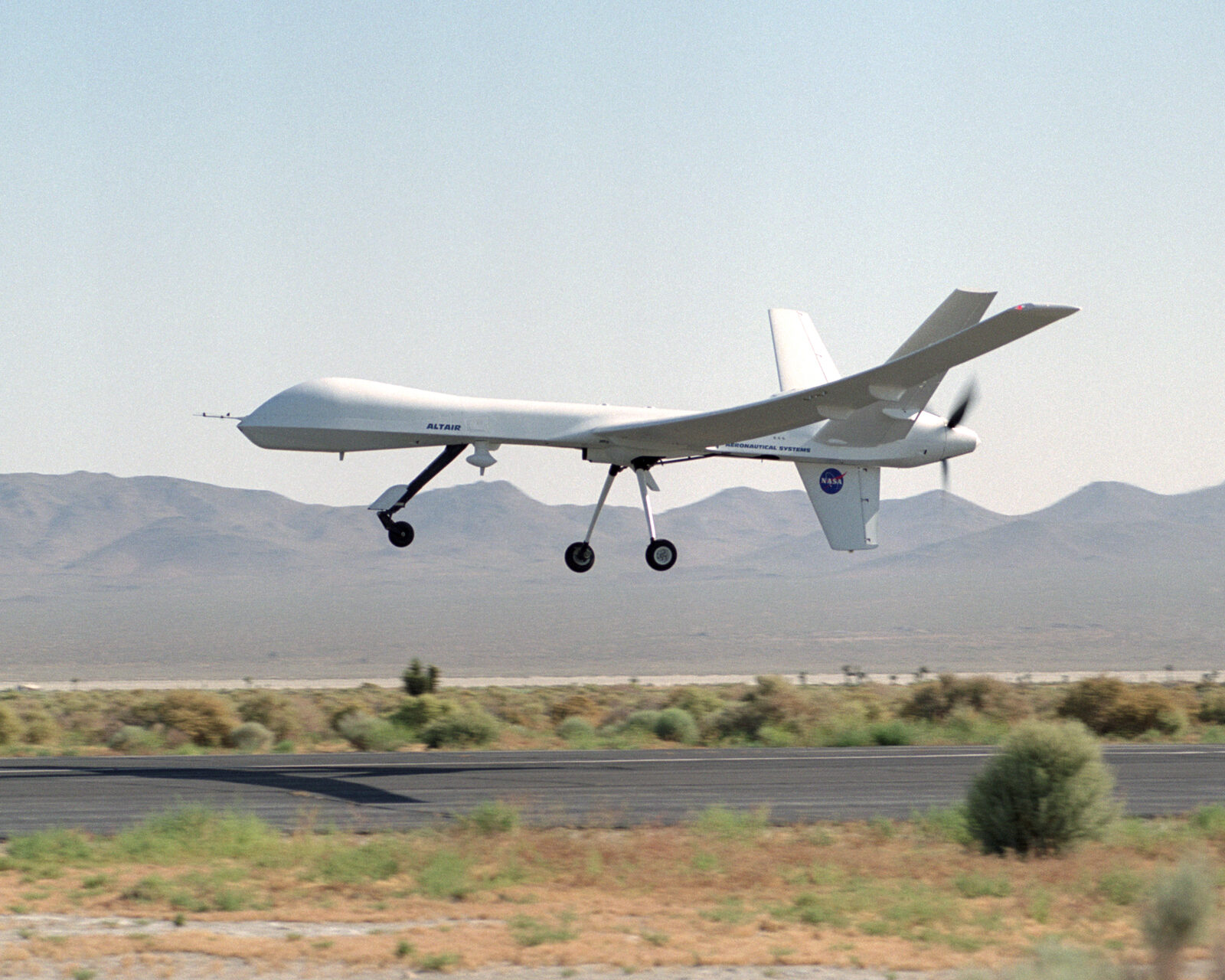
Multirotor vs. Fixed-Wing vs. Hybrid VTOL: Engineering Tradeoffs for Every Mission
Every drone airframe resolves the same core tension: hover capability costs endurance, endurance costs hover. A physics-first breakdown of how multirotors, fixed-wing platforms, and hybrid VTOLs make that tradeoff — and which missions each class actually wins.
-
Tech & Builds
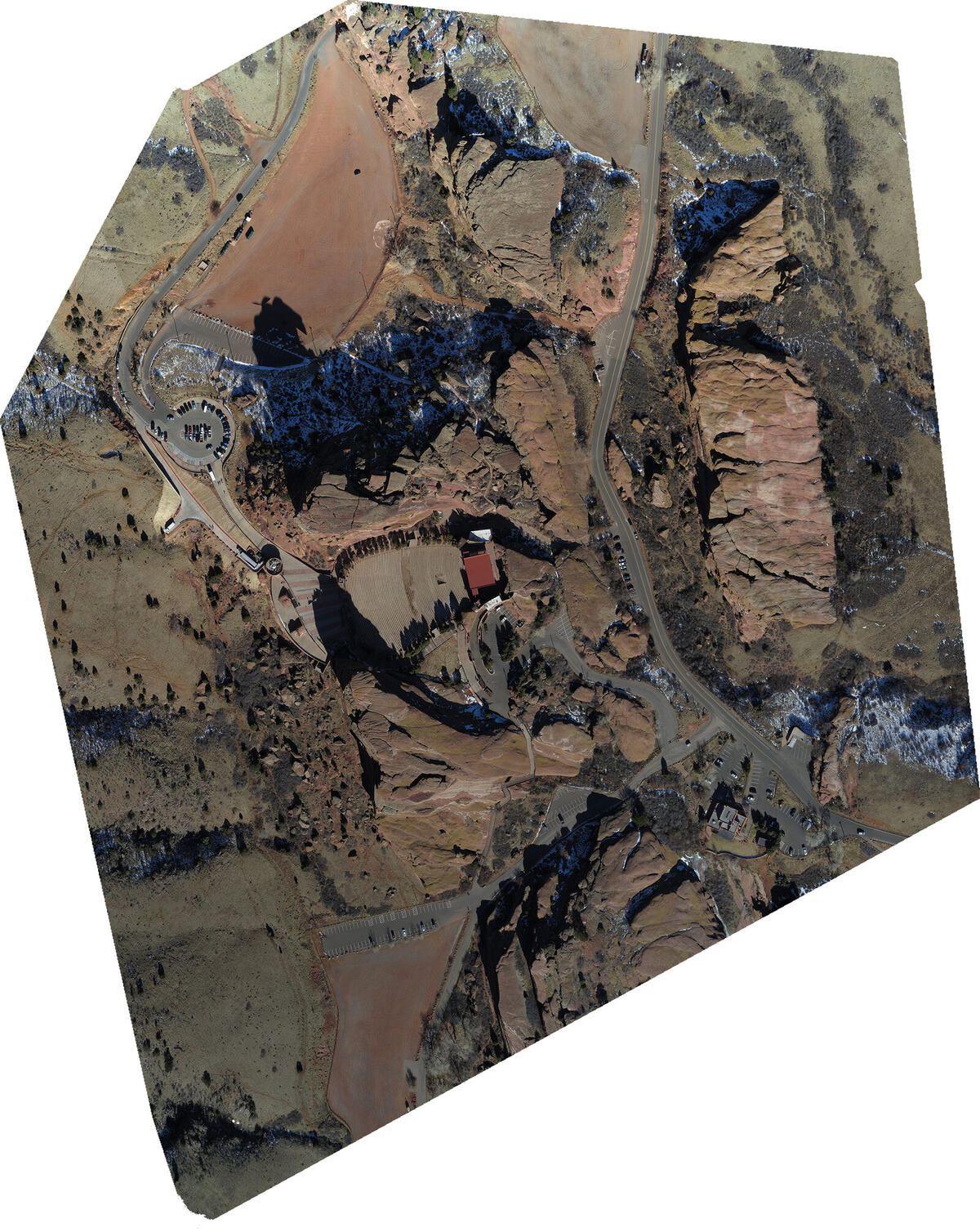
Centimeter Accuracy from Altitude: How Drone Photogrammetry Actually Works
A drone at 100 meters can produce a map accurate to 1.5 centimeters — if the math of overlap, ground control, and software choices all align. Here is what drives that number and where it breaks down.
-
Tech & Builds
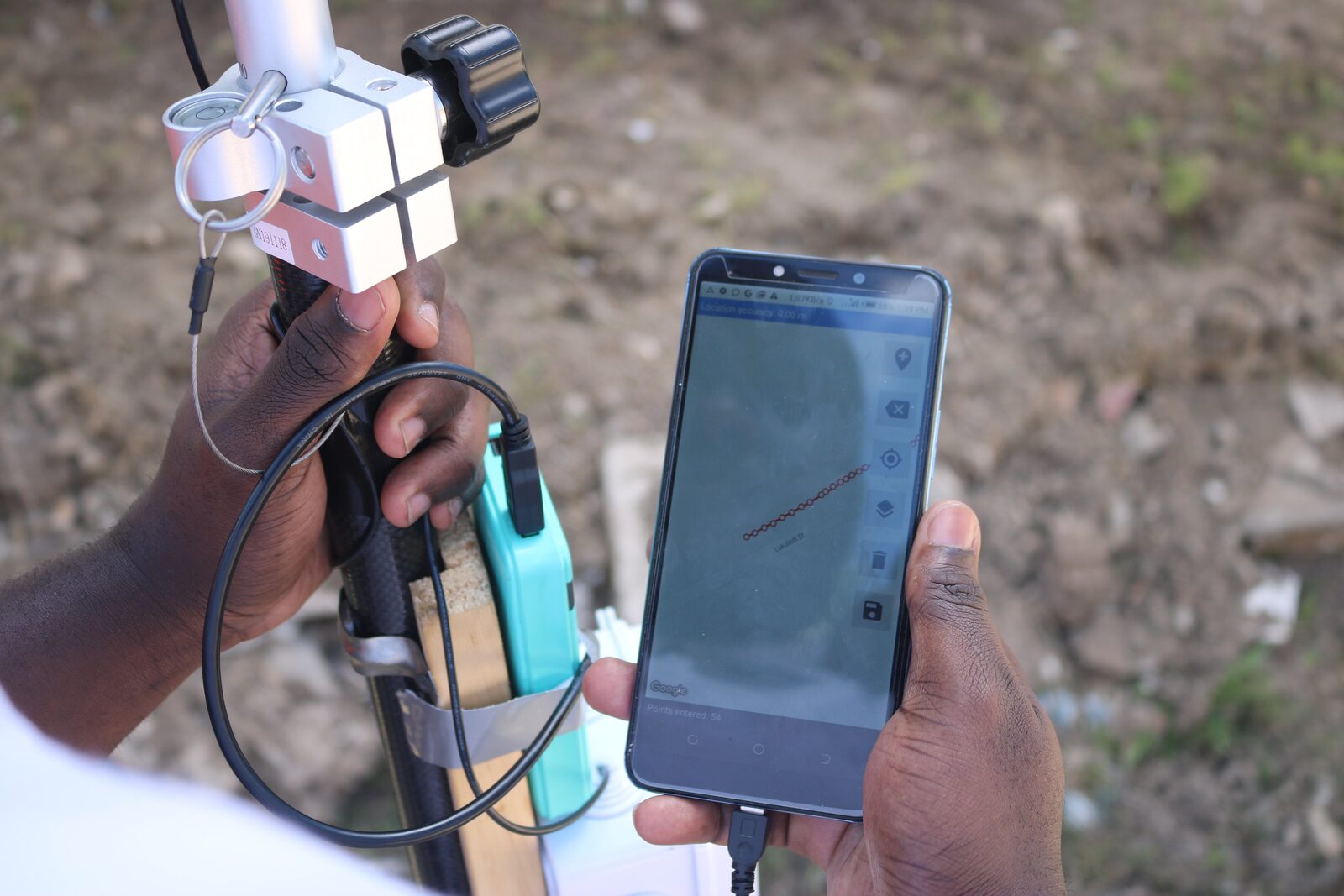
How RTK and PPK Give Drones Centimeter-Level GPS Accuracy
Standard GPS gets you within a few meters. Drone surveyors need centimeters. RTK and PPK achieve that by exploiting carrier-phase measurements — a technique roughly 100 times more precise than the code-based ranging your phone uses.
-
Tech & Builds
UAS Traffic Management: The Decentralized Architecture Replacing ATC Below 400 Feet
The FAA provides no air traffic services below 400 feet, where drone density is set to explode. UAS Traffic Management replaces centralized control with a federated network of software intermediaries — and a decade of NASA research shows why that architecture is the only one that can scale.
-
Tech & Builds
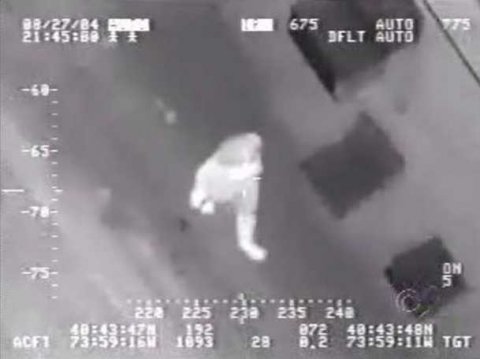
How Drone Thermal Cameras Work: Microbolometers, Wavebands, and Physical Limits
Thermal imaging drones detect emitted infrared radiation rather than reflected light, making them useful in darkness, smoke, and fog. This explainer covers the physics of microbolometer sensors, LWIR vs. MWIR tradeoffs, resolution limits, radiometric accuracy, and where the technology falls short.
-
Defense & Combat
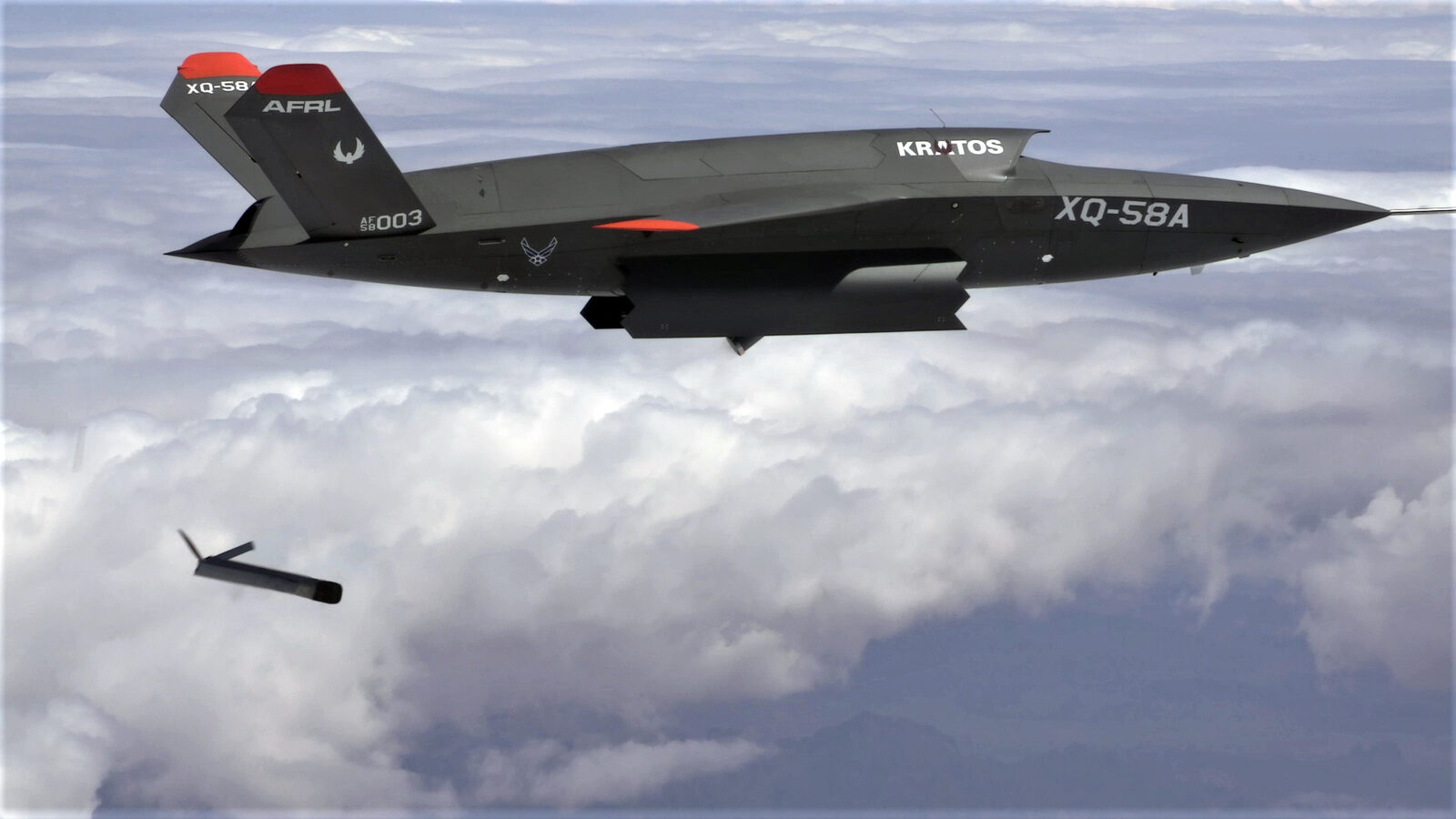
Air-Launched Effects and Drone Motherships: How Stacking Range Reshapes Aerial Warfare
Air-launched effects (ALE) divorce mission risk from platform cost by stacking a mothership's standoff range on top of a drone's own reach — letting aircraft dispense swarms deep inside defended airspace without entering it. From DARPA's Gremlins to China's Jiutian, the concept is going mainstream.
-
Defense & Combat
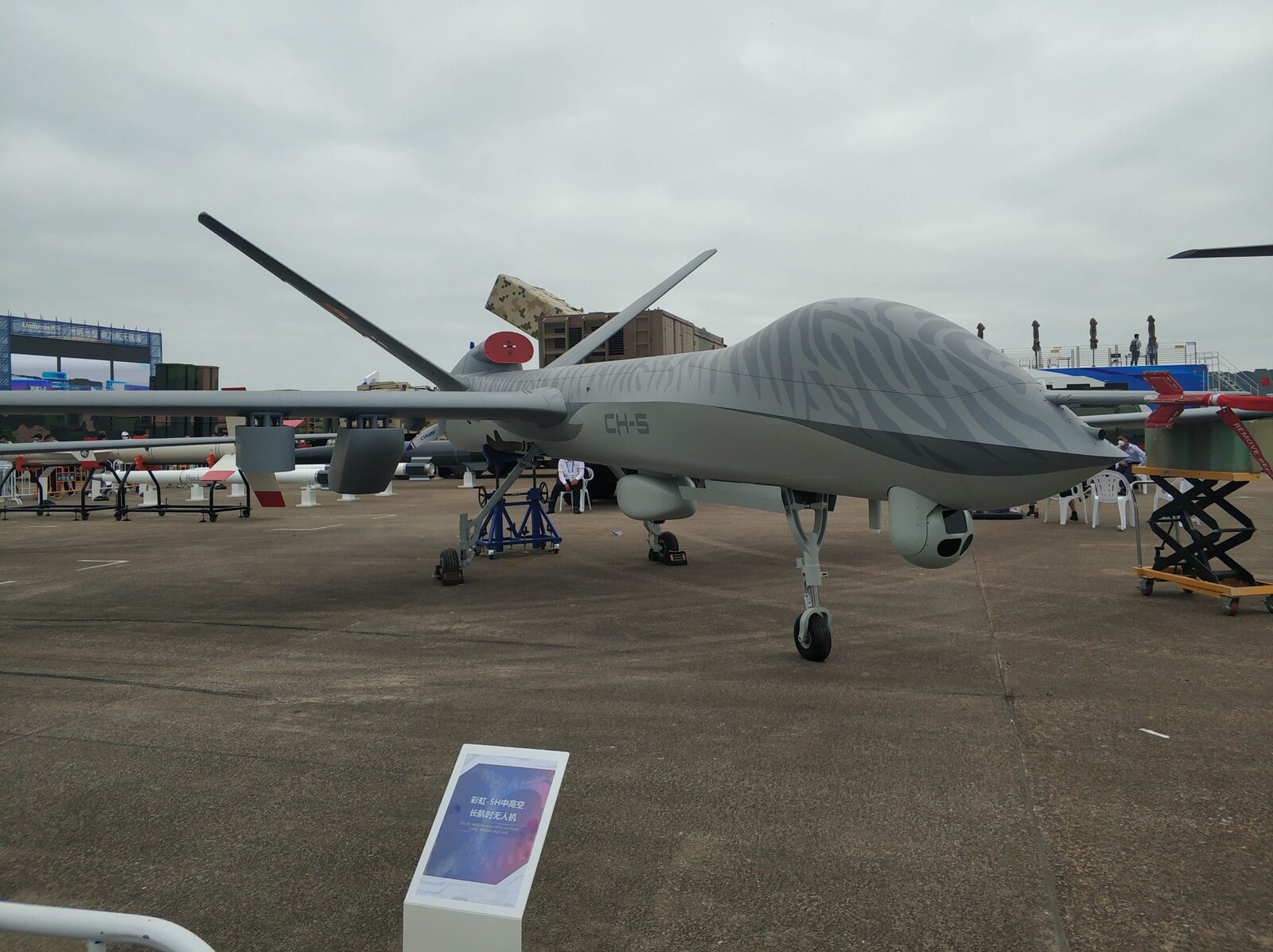
Wing Loong and Rainbow: China's MALE Drone Arsenal Explained
China's AVIC and CASC have placed combat-capable MALE drones in more than a dozen countries Washington would never supply. Here's how the Wing Loong and Rainbow (CH) families compare, what they've done in combat, and why they keep winning export contracts.
-
Defense & Combat
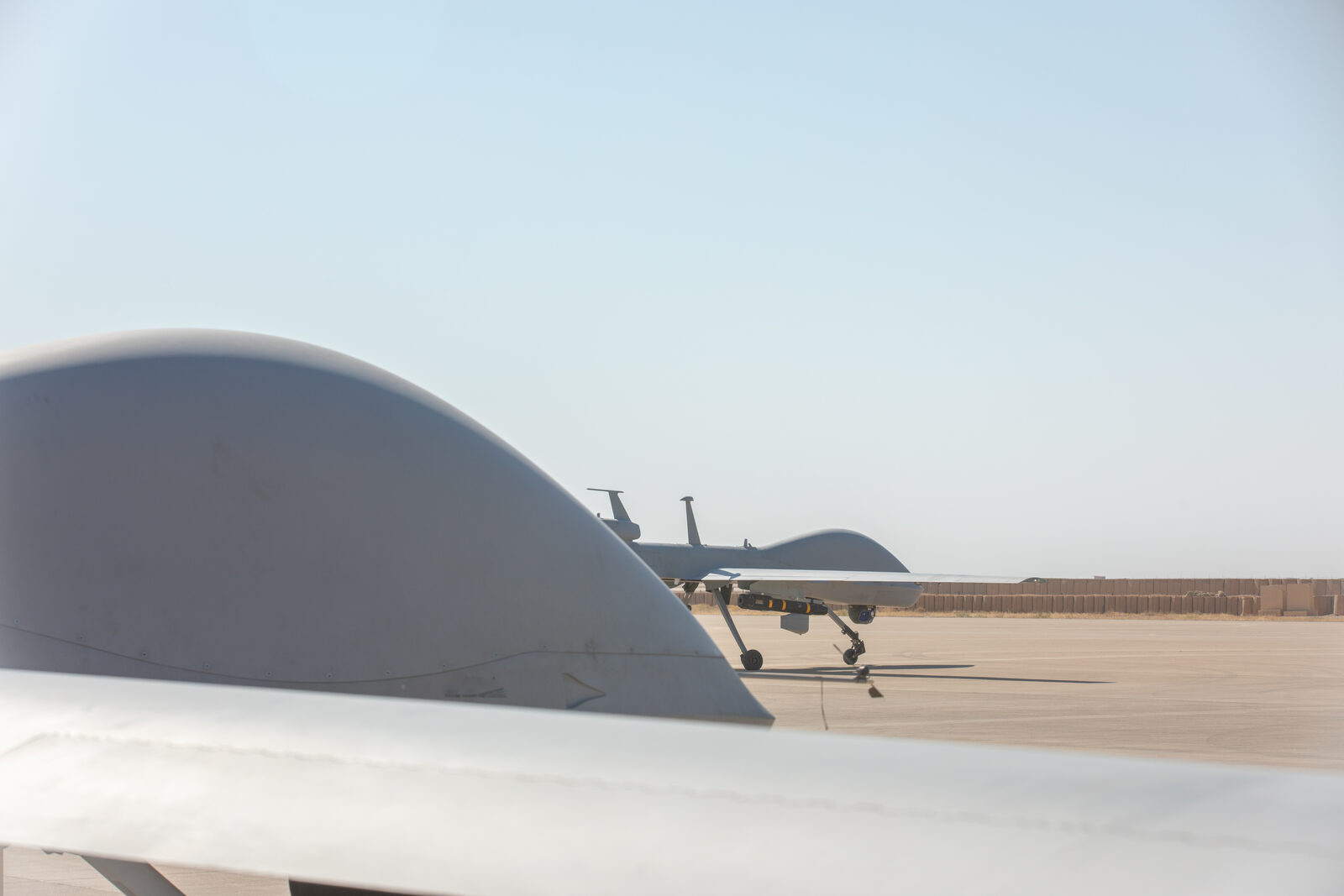
MQ-1C Gray Eagle: The Army's Only MALE Drone, Caught Between Congress and Obsolescence
The MQ-1C Gray Eagle is the U.S. Army's sole medium-altitude long-endurance drone — a Predator descendant rebuilt around Army logistics, manned-unmanned teaming, and ground-force integration. Now Congress and Army leadership are openly fighting over whether it has a future.
-
Defense & Combat
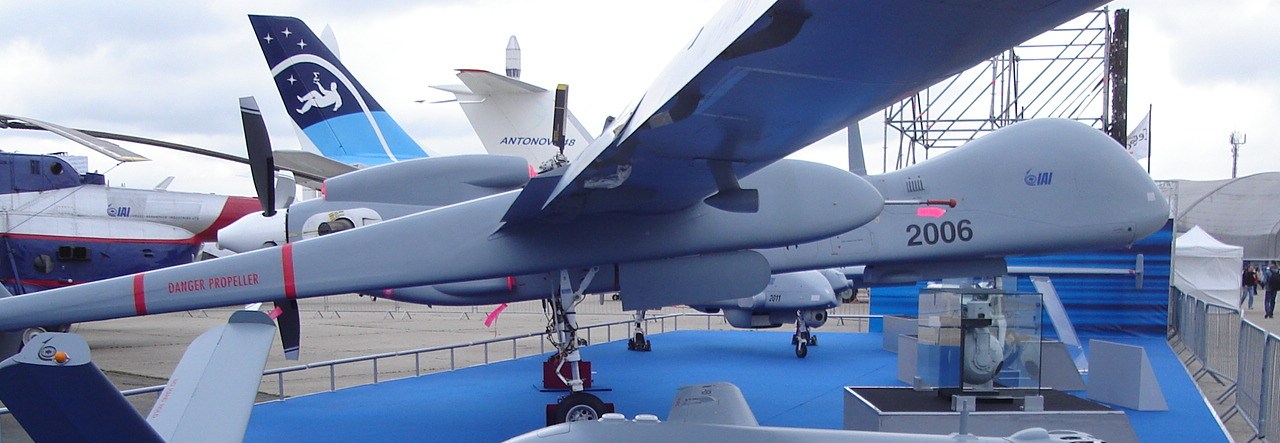
IAI Heron and Heron TP (Eitan): Inside Israel's Dominant MALE/HALE Drone Dynasty
From a fiberglass Scout that dismantled Syrian SAM batteries in 1982 to a 26-meter turboprop platform operating above commercial airspace today, Israel's Heron family traces the arc of modern persistent ISR — and why Israel controlled 61% of global drone exports for three decades.
-
Defense & Combat
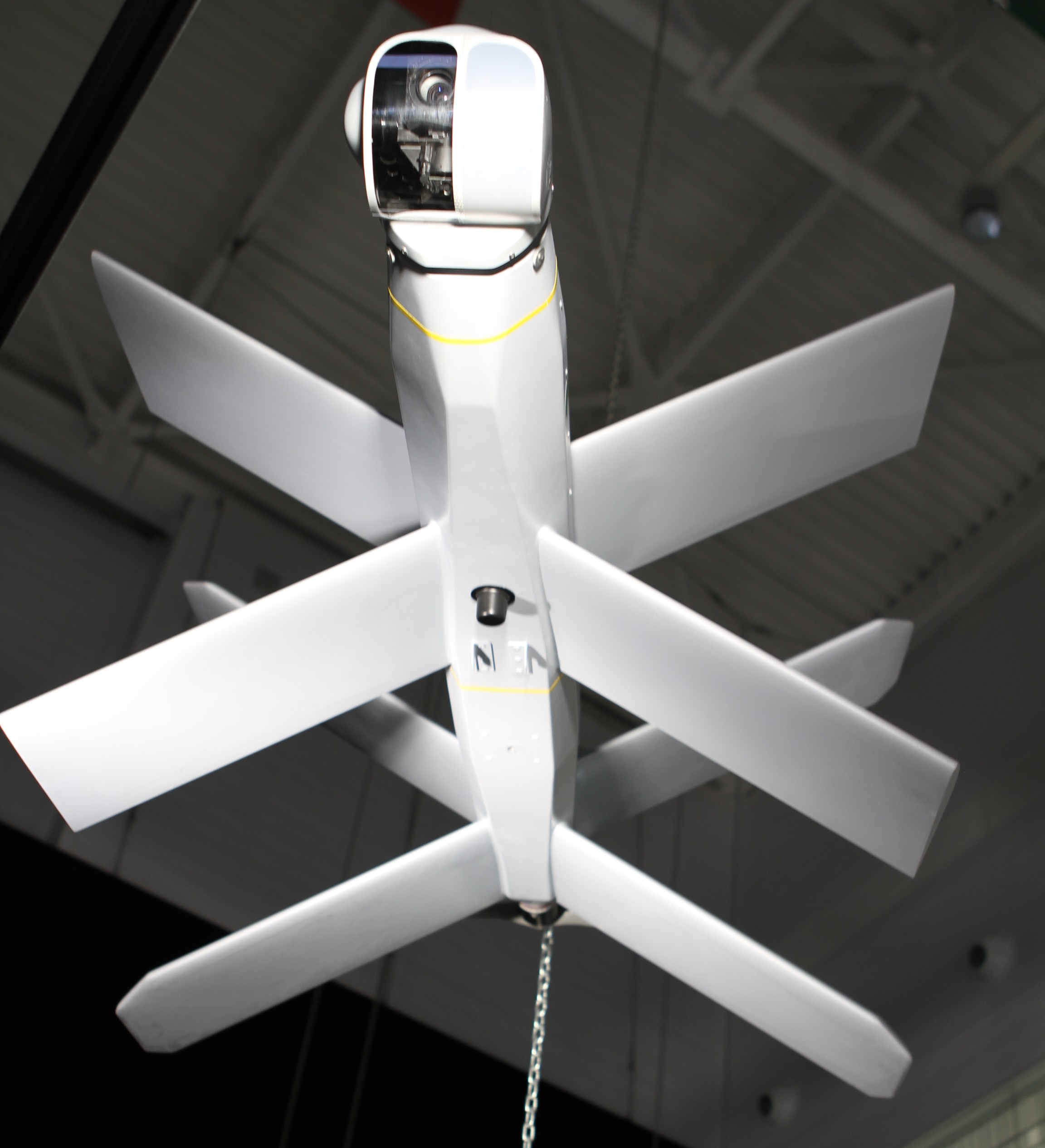
The ZALA Lancet: Inside Russia's Most Effective Loitering Munition
From its distinctive double-X wing geometry to the contested AI claims and the container-launched Product-53 successor, a technical breakdown of the loitering munition that has hunted more Western-supplied artillery in Ukraine than any other single Russian system.
-
Defense & Combat
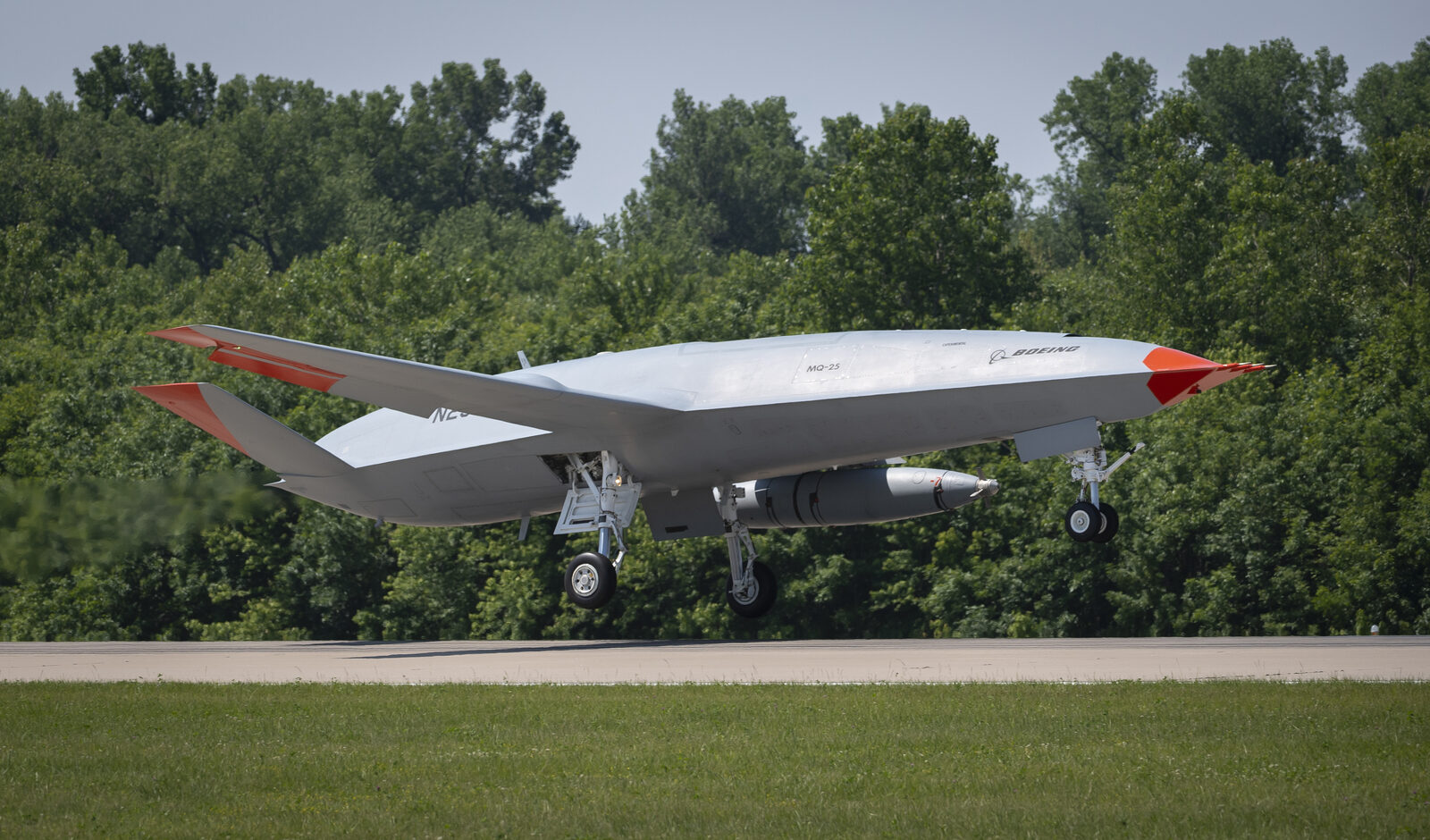
MQ-25 Stingray: How the Navy's First Carrier Drone Solves a Decades-Old Tanker Problem
The MQ-25A Stingray is the U.S. Navy's first operational carrier-based unmanned aircraft — a purpose-built aerial tanker that doubles the combat radius of F/A-18s and F-35Cs while freeing multiple fighters per air wing from buddy-tanker duty.
-
Defense & Combat
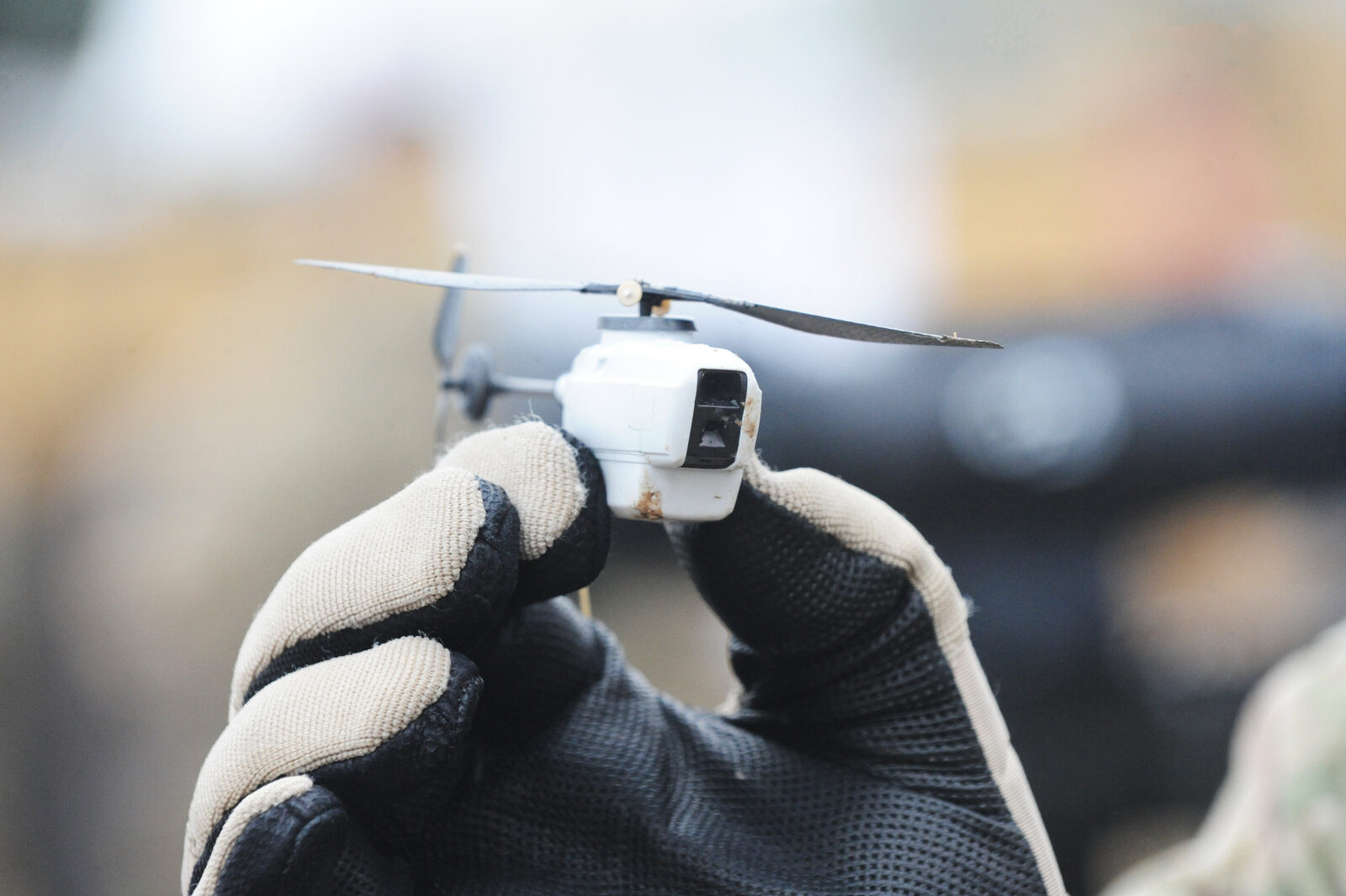
Pocket ISR: How Nano and Micro Drones Rewired Squad-Level Reconnaissance
From a 16-gram helicopter checking walls in Afghanistan to a 70-gram system with thermal imaging deployed across 50 countries, nano-UAS technology has pushed intelligence collection down to the fire team — and the next frontier is autonomous swarms constrained by battery physics.
Page 65 of 72
