
All articles
-
Commercial & Delivery
How Drones Are Displacing Helicopters, Scaffold Crews, and Rope Teams in Infrastructure Inspection
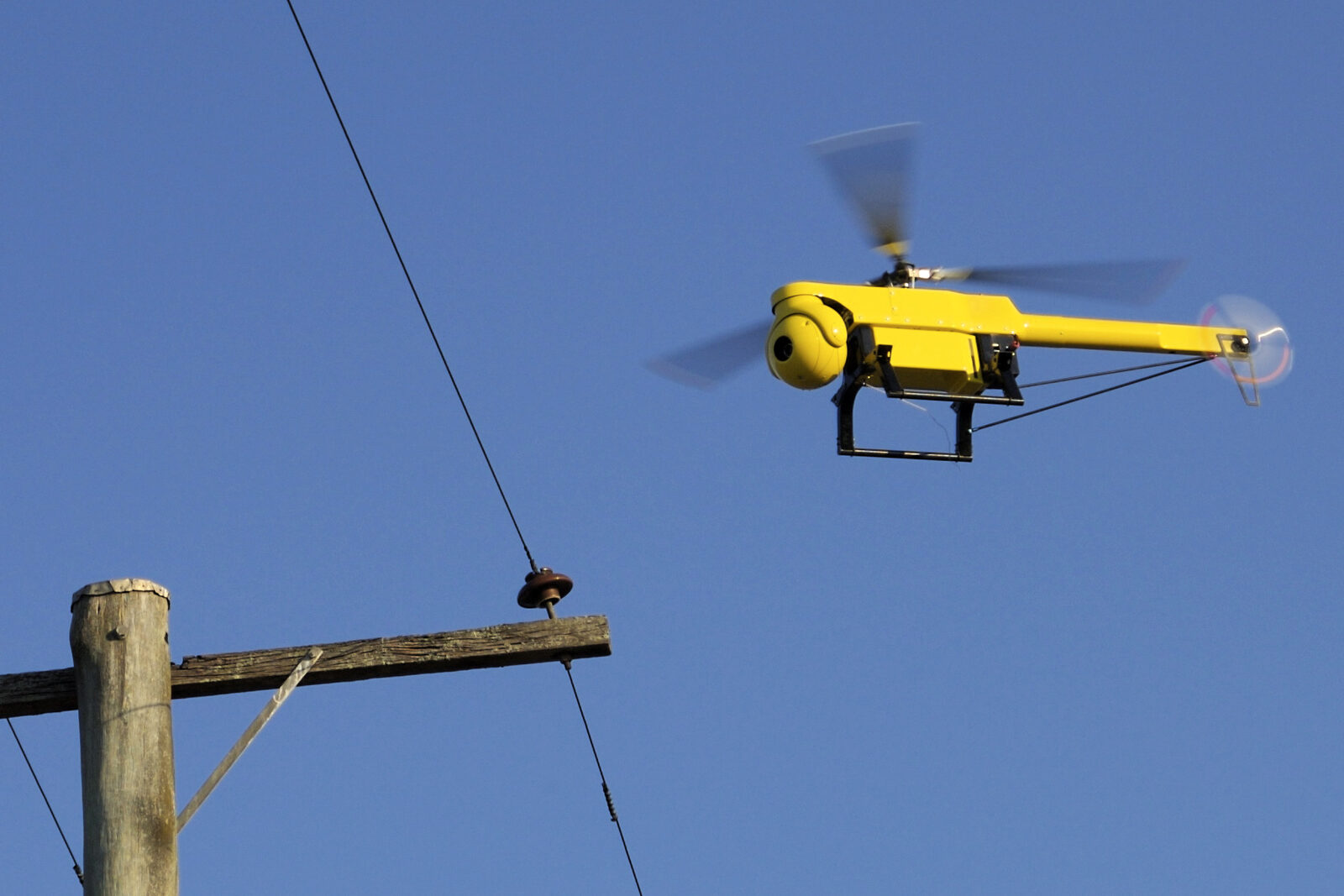
UAVs now survey transmission lines, wind turbine blades, bridges, pipelines, and solar farms at a fraction of the cost of legacy methods. Here's the sensor stack, the economics, and the regulatory framework making autonomous inspection possible.
-
Counter-UAS
Listening for Drones: How Acoustic Detection Works — and Where It Falls Short
Acoustic microphone arrays can detect drones by their blade-passing frequencies from hundreds of meters away using beamforming and AI classification. Ukraine's 24,000-sensor network shows what the technology can do at scale — and reveals the hard limits of listening alone.
-
Tech & Builds
Anduril’s Lattice: The Software Stack Rewriting How the Pentagon Fights
Lattice is Anduril’s AI command-and-control platform fusing sensors, drones, and effectors into a unified operational picture. With over $25 billion in known contract ceilings and a $20B Army enterprise agreement, it’s becoming the connective tissue of U.S. autonomous warfare.
-
Counter-UAS
Net Capture Systems: The Case for Catching Drones Instead of Destroying Them
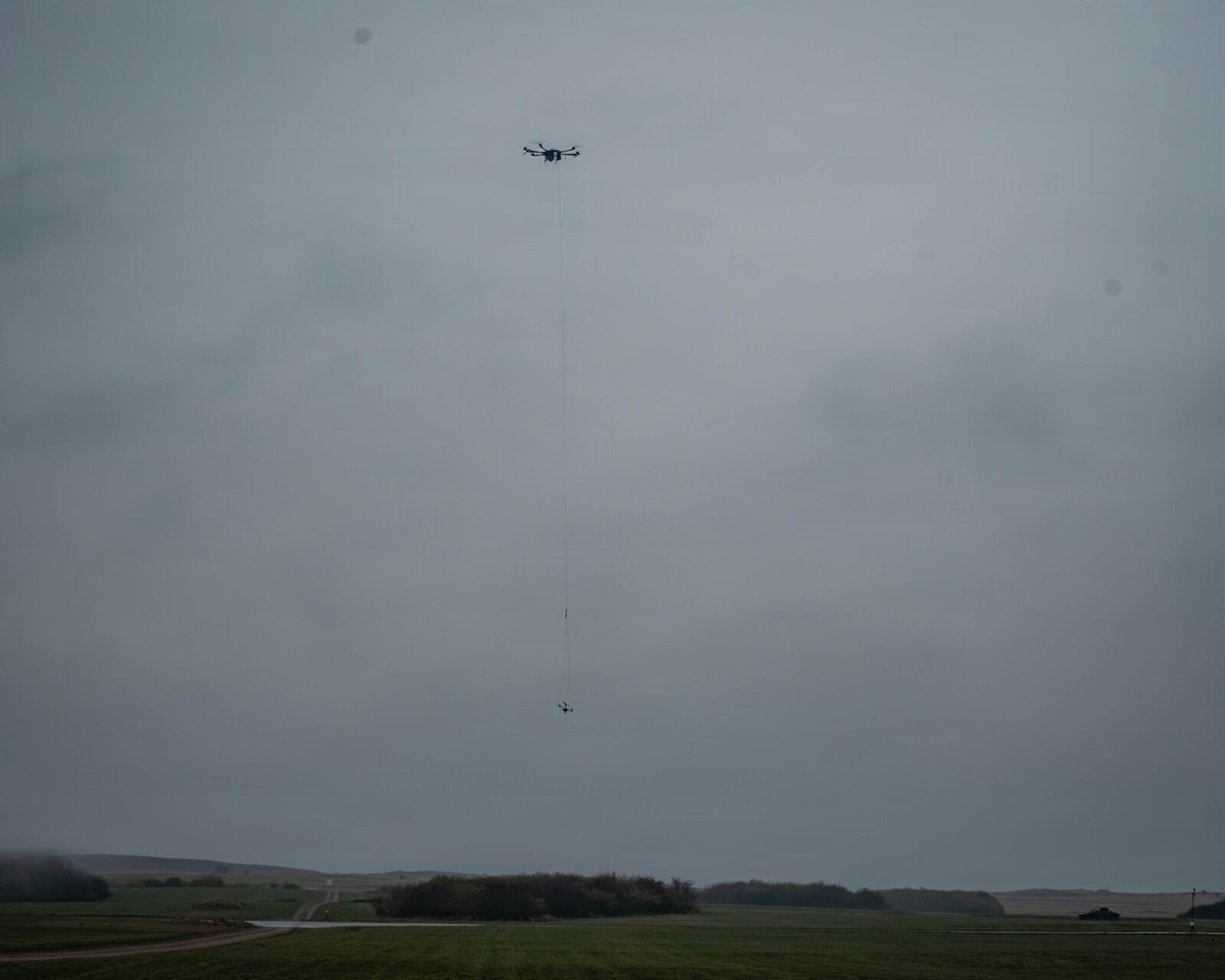
Kinetic destruction and RF jamming both carry unacceptable collateral risks in civilian airspace. A new generation of net-capture systems — compressed-air launchers and autonomous interceptor hexacopters — offers a low-debris, forensics-preserving alternative built for populated environments.
-
Policy & Regulation
Who Can Legally Shoot Down a Drone in the US — and Why the Answer Is Complicated
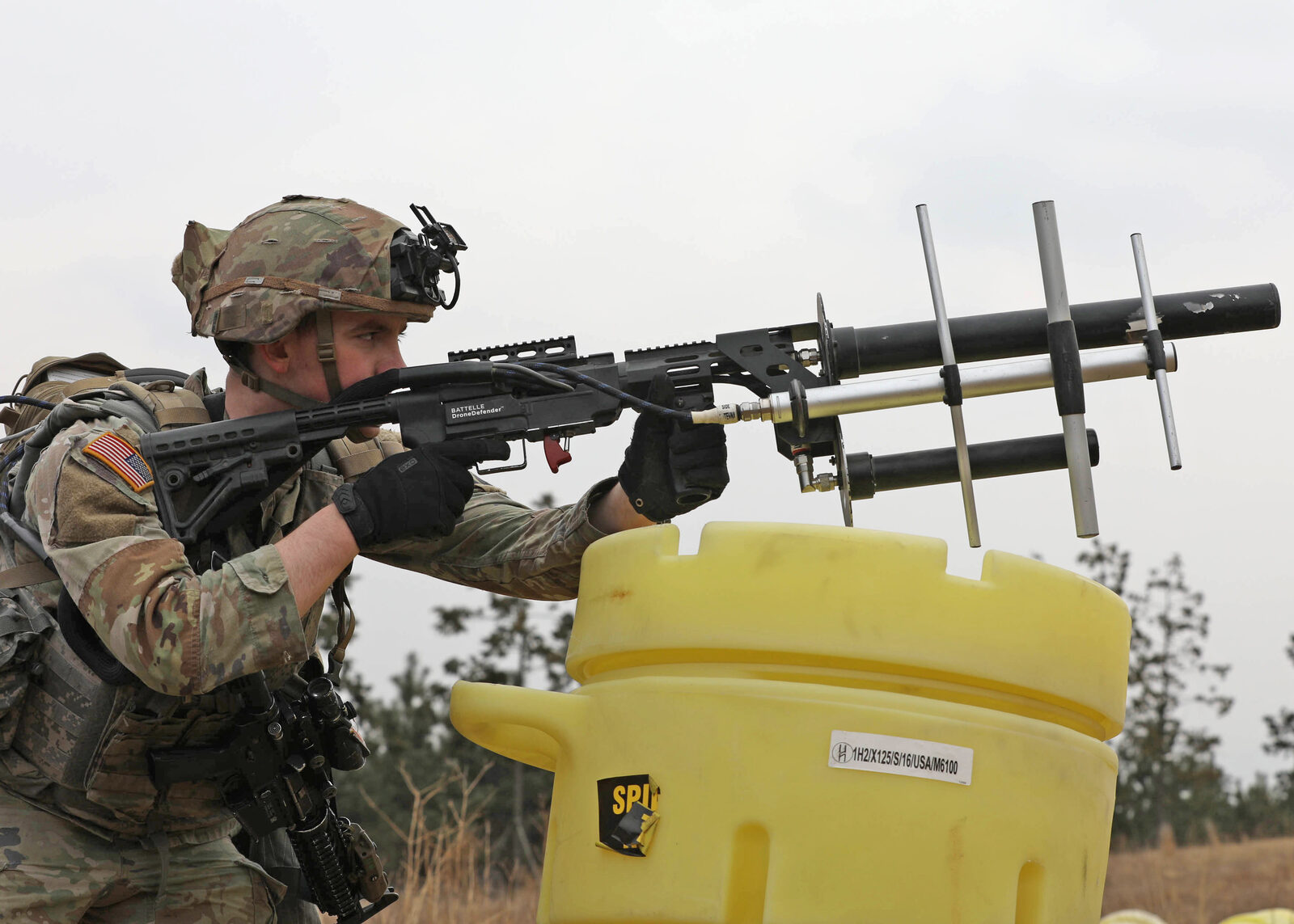
Federal aircraft law, the Aircraft Sabotage Act, and overlapping wiretapping statutes mean that almost nobody — not state police, not sheriffs, not private citizens — had clear legal authority to neutralize a rogue drone until Congress began carving out narrow exceptions.
-
Counter-UAS
How Drone Detection Actually Works: Radar, RF, EO/IR, and the Fusion Stack
No single sensor can catch every drone. Here is how radar, RF analyzers, electro-optical/infrared cameras, and acoustic arrays each cover different gaps — and why military and federal planners are betting on layered fusion architectures to close them.
-
Counter-UAS
Golden Dome Explained: The $1.2 Trillion Bet on Space-Based Missile Defense
Trump's Golden Dome extends U.S. homeland missile defense from rogue-state ICBMs to cruise missiles and drones — but a CBO projection of $1.2 trillion over 20 years, driven by a 7,800-satellite constellation that can only engage 10 missiles at once, exposes a gap between strategic ambition and reality.
-
Counter-UAS
Shotgun vs. Sniper Rifle: How HPM and Laser C-UAS Weapons Actually Work
Two directed-energy technologies are competing to replace the $2-million missile shot against $500 drones — high-power microwave systems that blanket swarms in a single burst, and high-energy lasers that burn targets one at a time. The physics of each determines where they win and where they fail.
-
Counter-UAS
NATO's Drone Wall: How Europe Is Building a 2,000-Kilometer Counter-UAS Barrier
After Russian surveillance drones crossed into Polish airspace in September 2025, NATO launched Operation Eastern Sentry and the EU accelerated plans for a 2,000-km integrated counter-drone corridor. Here's how the technology, politics, and money actually stack up.
-
Defense & Combat
Drone Boats at War: How Uncrewed Surface Vessels Rewrote Naval Combat
Ukraine's Magura V5 and Sea Baby USVs sank warships, struck bridges, and drove Russia's Black Sea Fleet from Sevastopol — without Ukraine deploying a single conventional warship. Here's how the platforms work, what they've accomplished, and what the U.S. Navy is building in response.
-
Defense & Combat
The Undersea Drone Explained: UUV Categories, Programs, and the Race Below
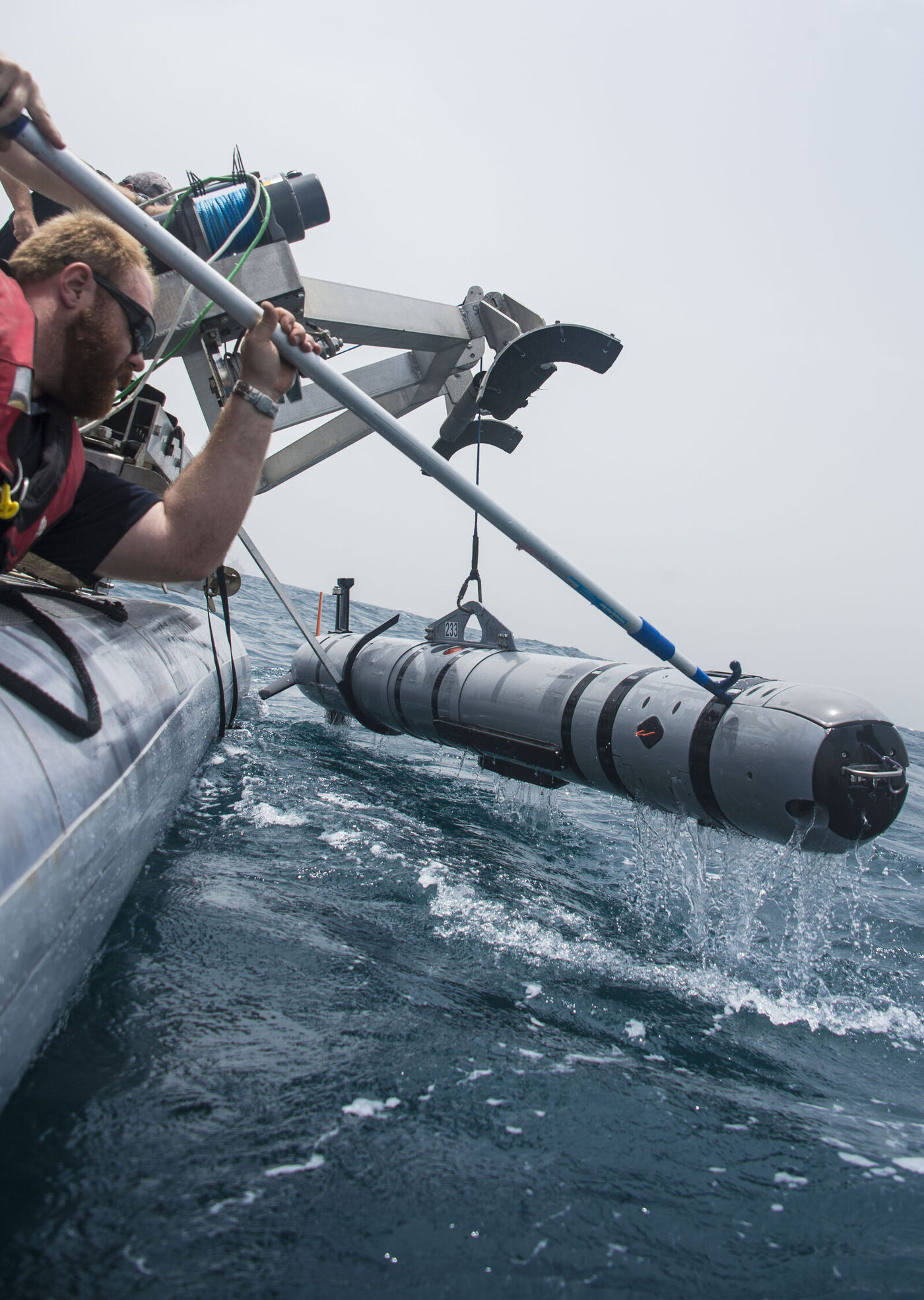
Uncrewed undersea vehicles now patrol the same cables that carry 97% of global communications. From man-portable REMUS scouts to 85-ton Orca XLUUVs, this is how the U.S. Navy classifies, builds, and struggles to field them — and why China is moving faster.
-
Commercial & Delivery
Agricultural Spray Drones: Machinery, Markets, and the FAA's Dual-Regime Gauntlet
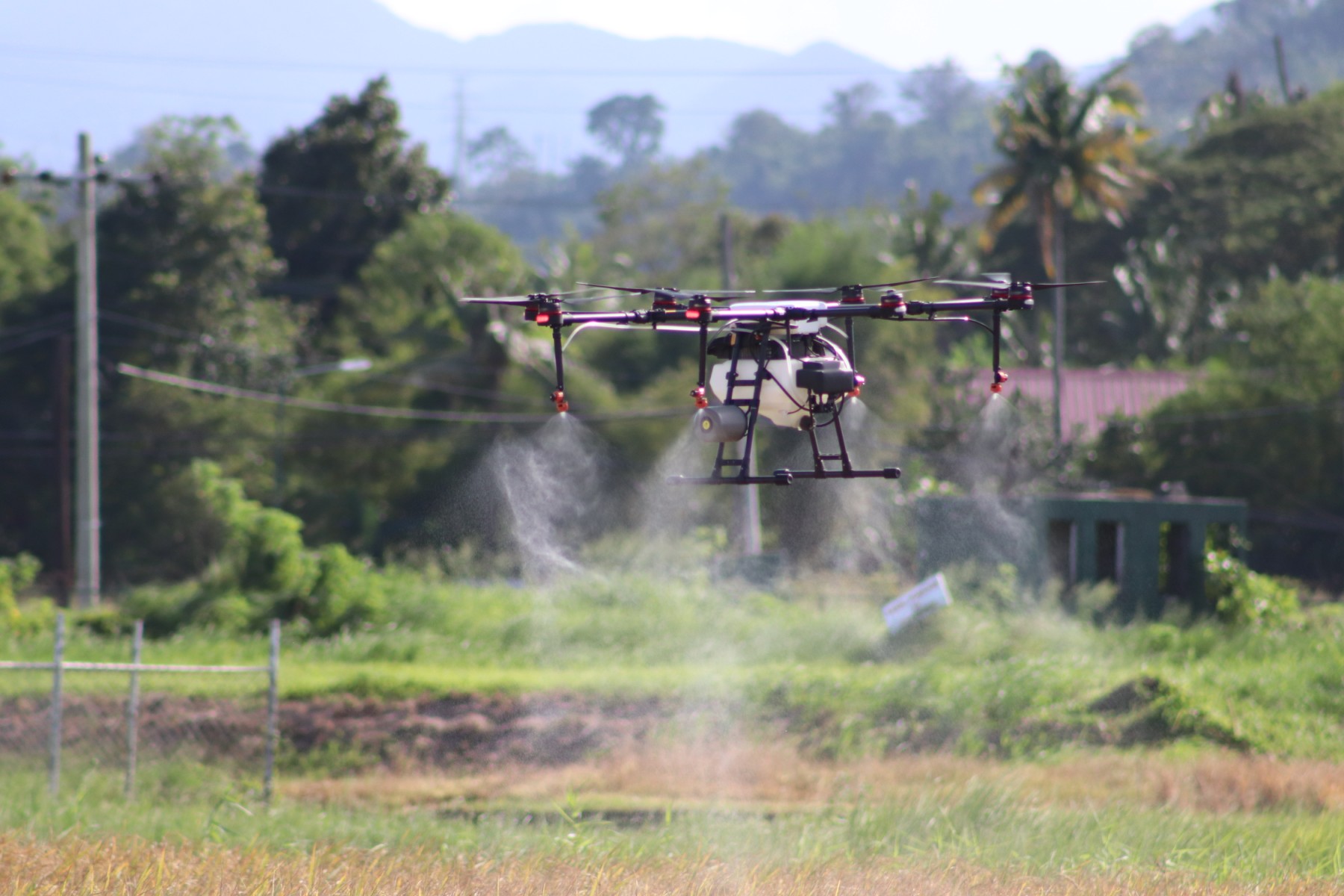
From Japan's 1997 Yamaha RMax to today's 40-liter multirotor platforms, agricultural spray drones are reshaping crop protection across Asia and slowly entering U.S. fields — once operators survive a 4-to-6-month federal certification maze bridging Part 107 and Part 137.


Page 67 of 72
