
All articles
-
Counter-UAS
Marines Buy Epirus's HAVOC: An $11M Award Turns the ExDECS Microwave Prototype Into an Autonomy-Ready Swarm-Killer
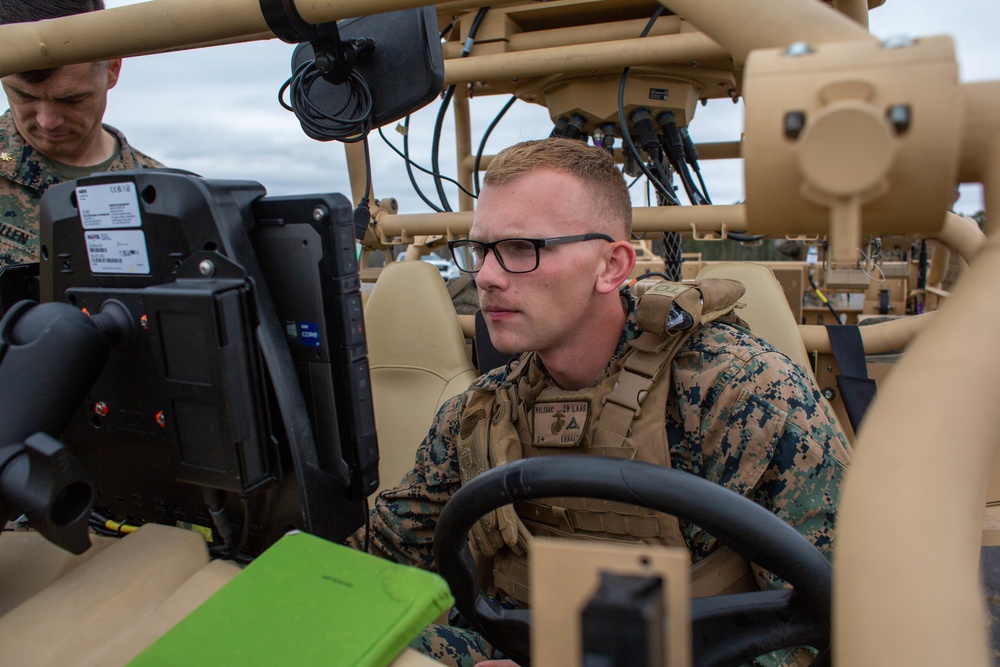
The Marine Corps has awarded Epirus roughly $11 million for HAVOC, an autonomy-enabled evolution of the ExDECS high-power microwave prototype — a sled-mounted swarm-killer built to fight alongside MADIS, with the company already able to build about one system per week.
-
Defense & Combat
Cutting Out the Ground Station: P-8 Crews Task MQ-4C Triton Drones Directly in First Automated Navy MUM-T Demo
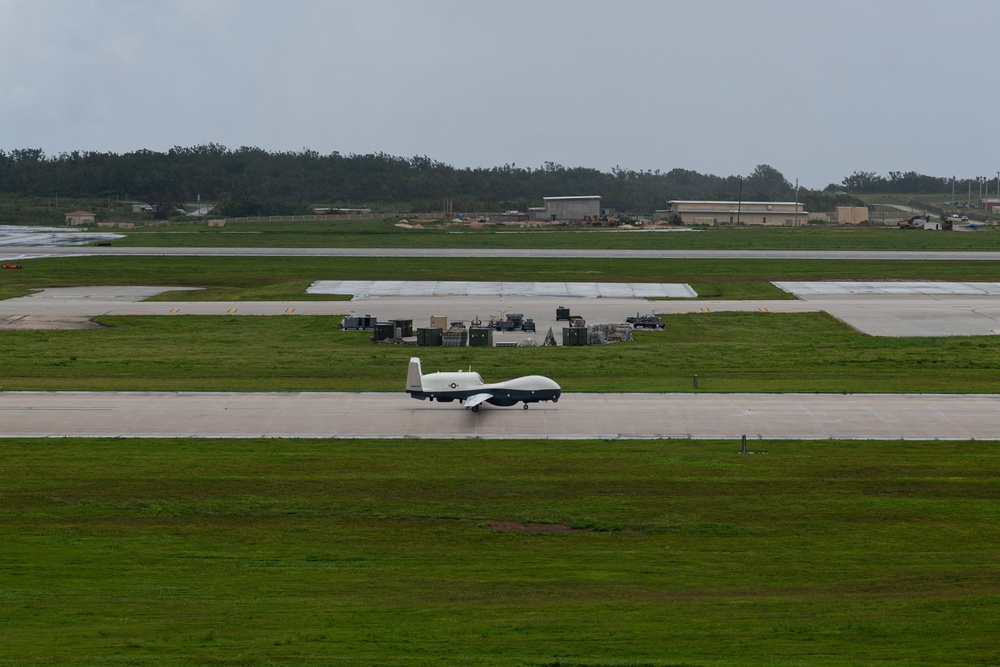
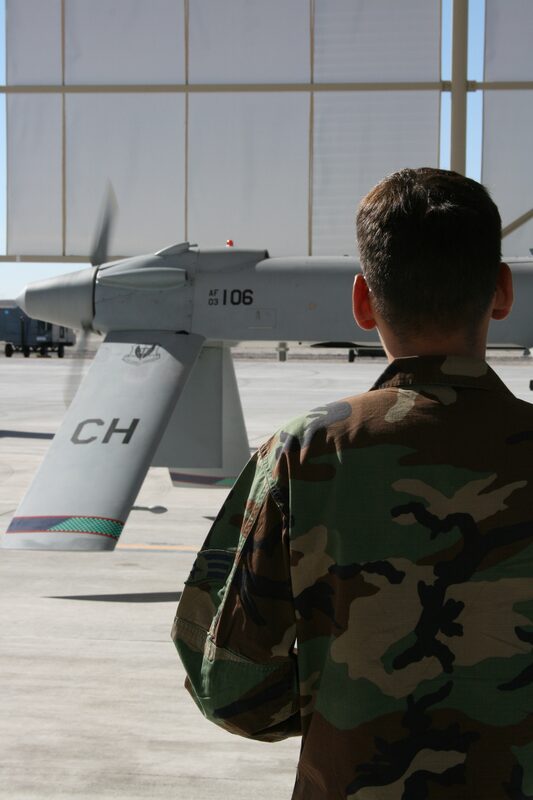
In a Boeing/Northrop Grumman demo, a P-8A Poseidon crew tasked an MQ-4C Triton via machine-readable UCI messages — the drone planned its own transit, worked its sensors, processed data with AI and reported back over satellite relay, no ground control station required.
-
Tech & Builds
A 1990s F-16 Nozzle Comes Out of Retirement: How Refurbished AVEN Hardware Clears Shield AI's X-BAT for Vertical Flight
A thrust-vectoring nozzle that last flew on an F-16 testbed in the 1990s has been refurbished, mated to GE's F110-GE-129E and lit off at Peebles, Ohio — the hardware Shield AI's tail-sitting X-BAT fighter needs to hover on engine thrust, with prototype flight tests slated for later in 2026.
-
Industry & Contracts
Army's Sub-$150K Missile Hunt: NGCM Sources-Sought Targets Cheap Group 2/3 Drone Killers for the Coyote Launcher
The Army wants a Coyote Launcher-compatible interceptor that can kill Group 2/3 drones at 16+ km for under $150,000 a round, with industry responses due August 20.
-
Counter-UAS
DHS Awards $1.5 Billion Counter-Drone IDIQ to 12 Firms Including Anduril, CACI, BAE
DHS split a five-year, up to $1.5 billion department-wide counter-UAS contract into two tracks, naming Anduril, BAE Systems, CACI, Leidos and eight other firms as awardees after fielding more than 100 competing proposals.
-
Defense & Combat
Jane's: Ukraine's Frontline Troops Are Downing FPV Kamikaze Drones With 12-Gauge Shotgun Rounds
A Jane's special report details how ammunition makers like Fiocchi are engineering tungsten-shot and fuzed 12-gauge cartridges as a last-ditch, close-range defense against FPV kamikaze drones that give soldiers as little as one second to react.
-
Counter-UAS
Army Opens Two Fronts to Cut the Cost of Killing Cheap Drones
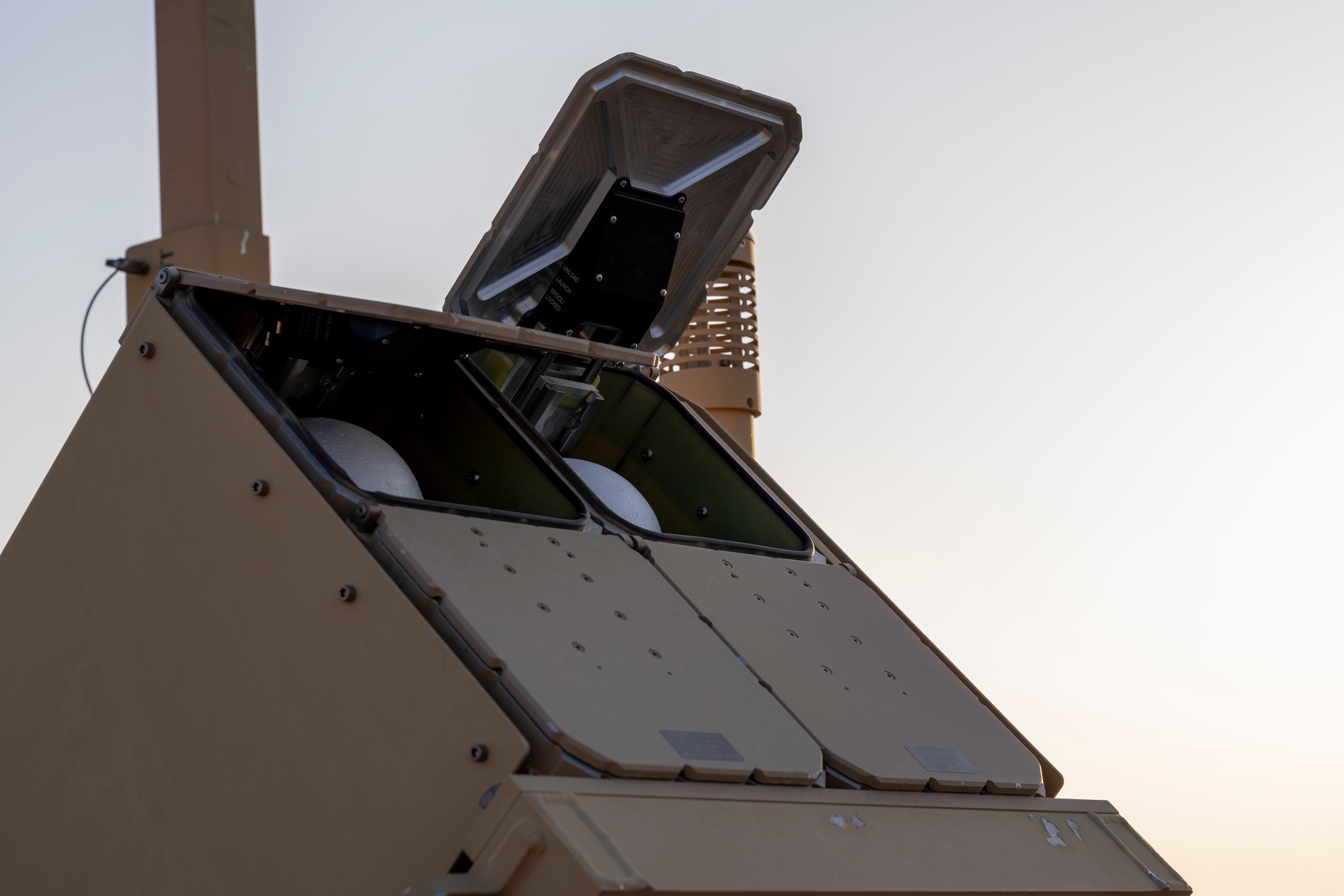
Facing $35K-$50K enemy drones downed by $1-4M interceptors, the Army is fielding a new automated fire-control system called Gunslinger and soliciting a sub-$150K missile that must fit existing Coyote launchers.
-
Tech & Builds
DARPA's $6.5M Lift Challenge Finals Kick Off in Dayton, Chasing a 4:1 Payload Breakthrough
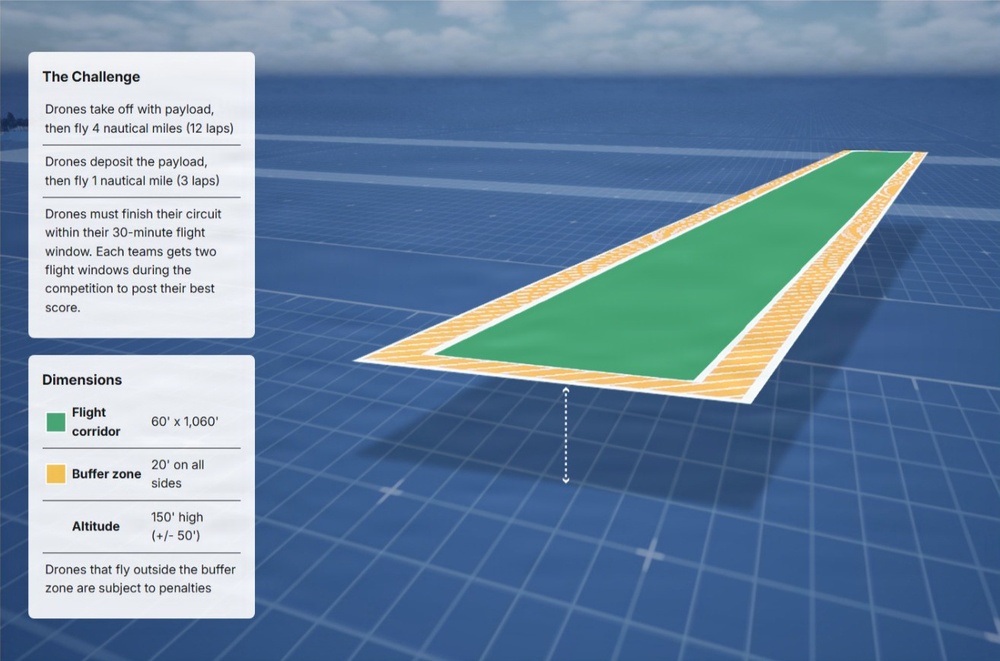
Roughly 115 teams converge on the National Museum of the U.S. Air Force this week to chase DARPA's $6.5 million prize for a sub-55-pound VTOL aircraft that can lift a 110-pound payload — as one finalist, Jetoptera, walks away over new safety rules.
-
Industry & Contracts
Pentagon's Counter-Drone Marketplace Expands as Kaizen's $15M Platform Crosses $21M in Sales
JIATF-401's vetted C-UAS Marketplace, built by startup Kaizen under a $15M contract, has processed $21M in purchases and added the UK and Romania as allied buyers while linking to the Foreign Military Sales Fast Lane.
-
Defense & Combat
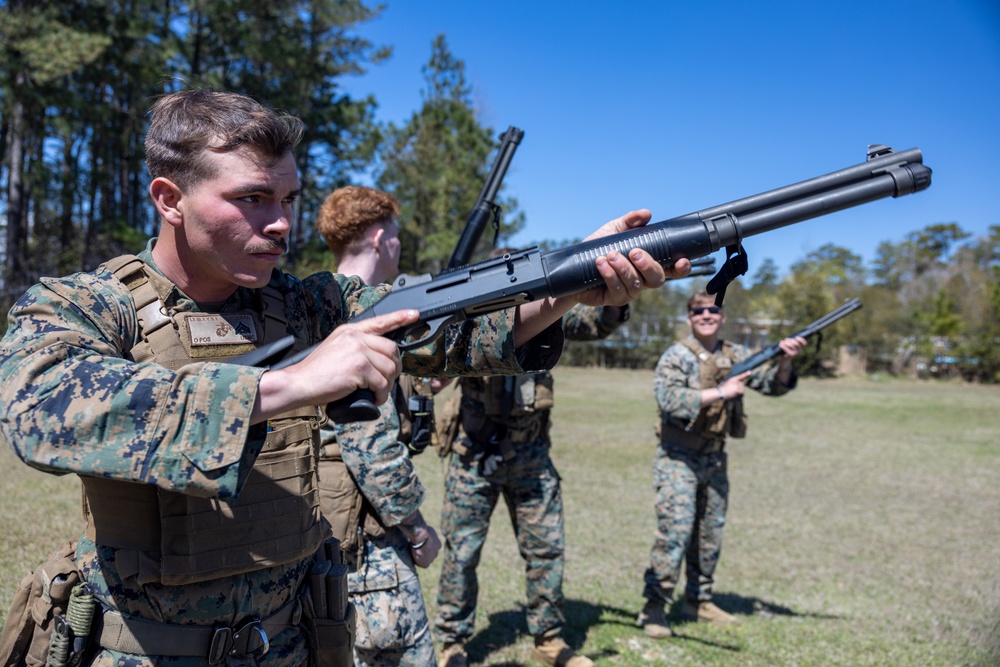
Shotguns Go to War Against FPV Drones as Ammo Makers Race to Arm Dismounted Troops
A new Janes special report details how ammunition makers are fielding tungsten-shot 12-gauge rounds and other counter-UAV cartridges as militaries scramble to give infantry a fighting chance against kamikaze FPV drones.
-
Defense & Combat
China's Ground Force Quietly Fields Its First Armed Reconnaissance Drone, the KVD002
Janes reports China's PLA Ground Force has operationalized the CASC-built KVD002 unmanned combat aircraft, with state media footage showing 13 airframes and a live-fire strike on a naval target.
-
Industry & Contracts
19 Drone Makers, One Fort Carson Proving Ground: Inside the Pentagon's $300M Gauntlet II Shootout
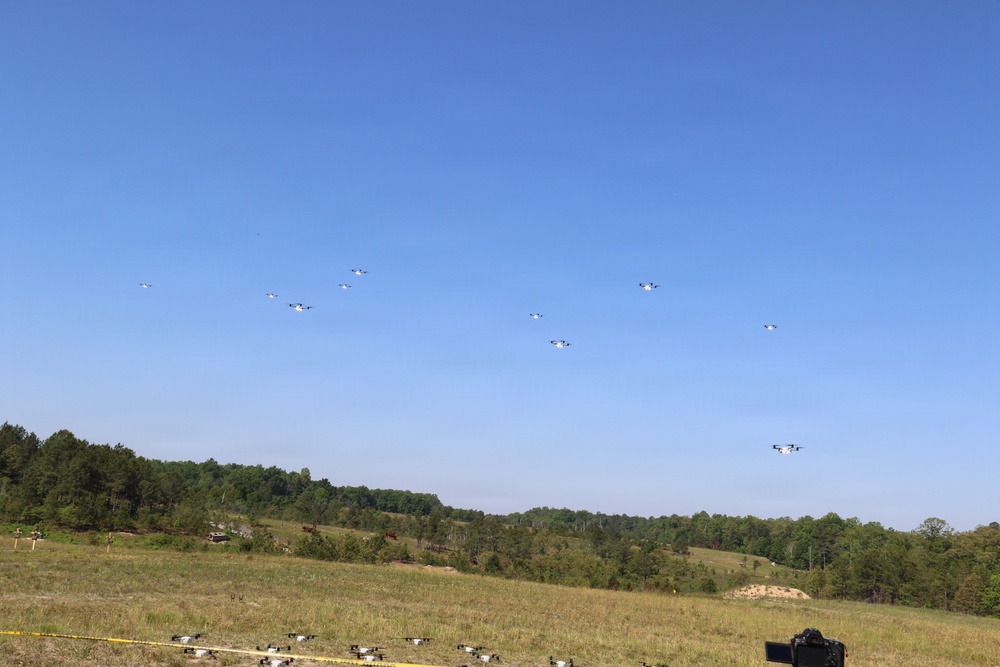
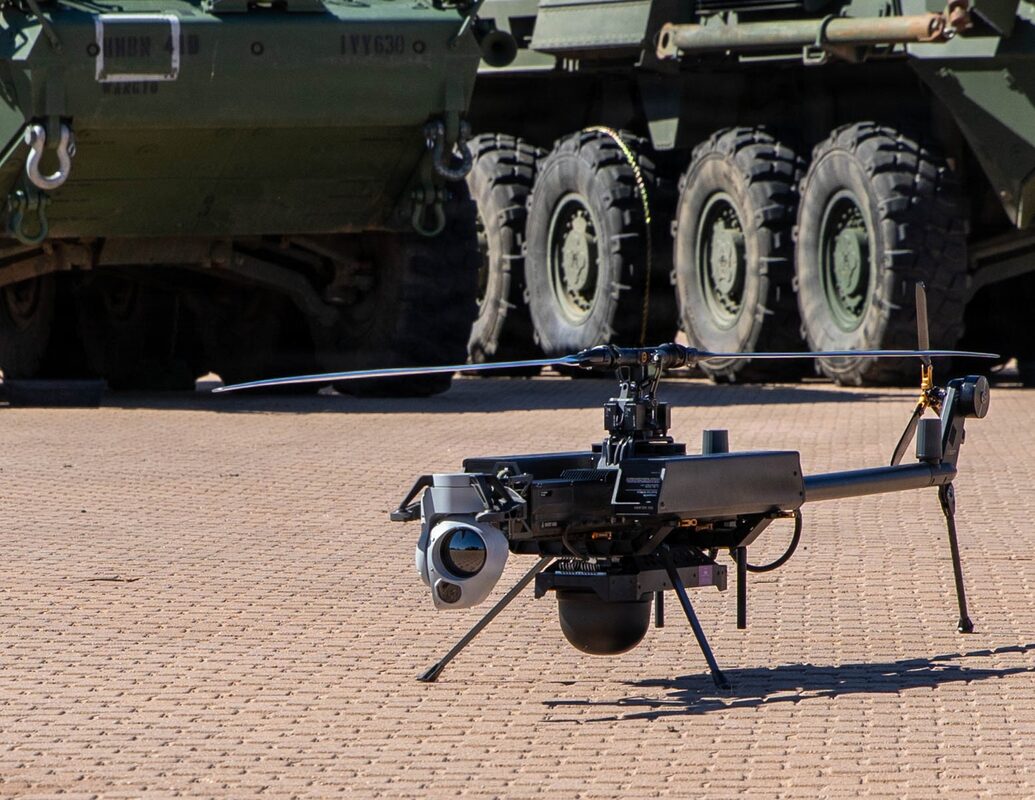
Nineteen finalists are trucking 120 attack drones apiece to Fort Carson this August, the live-fire elimination round of a $1.1B Pentagon program racing toward a 200,000-drone fleet by 2027.

Page 25 of 58