
All articles
-
Counter-UAS
Echodyne Opens $40M Washington Plant to Push MESA Counter-Drone Radar to 30,000 Units a Year
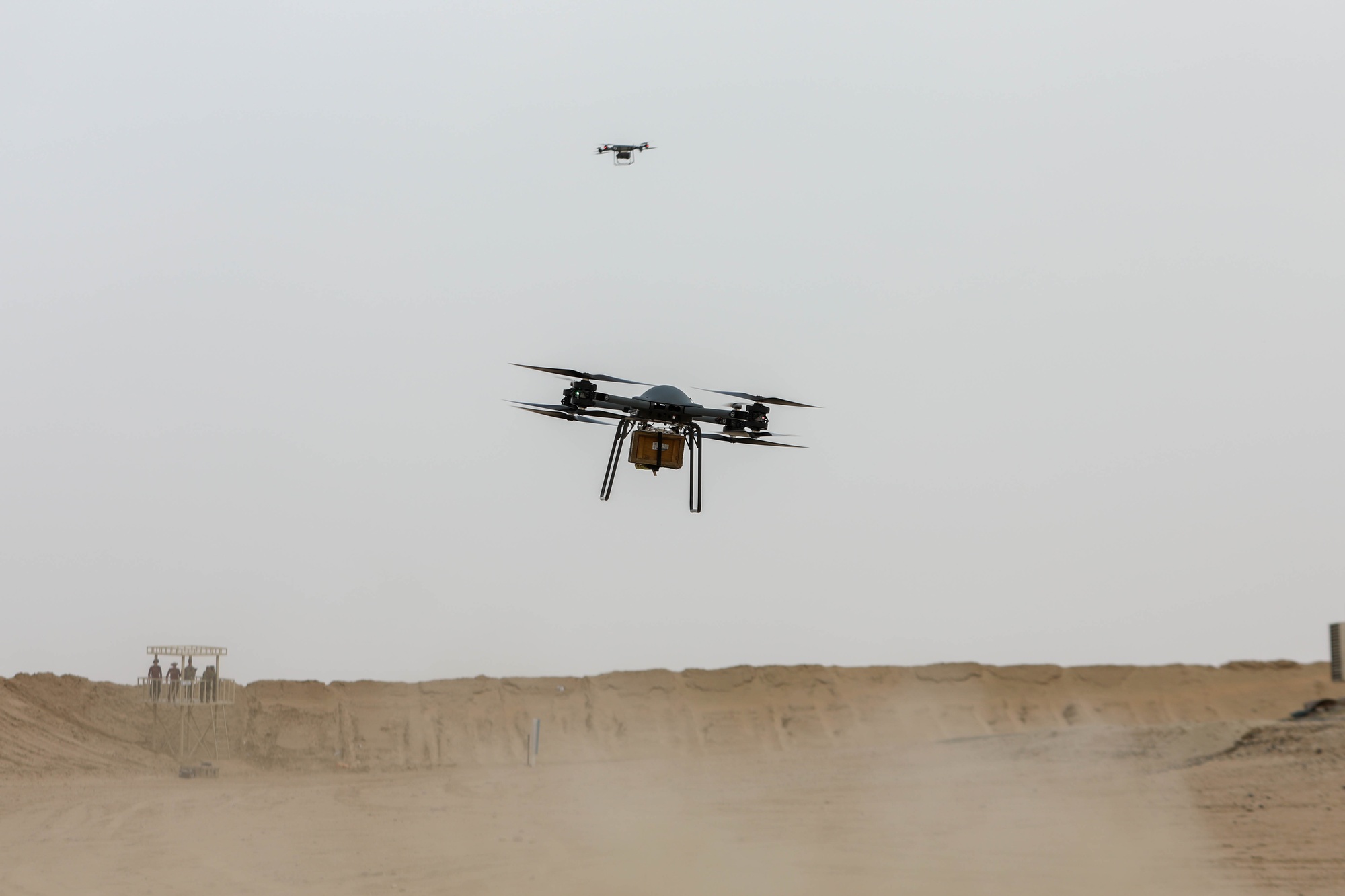
Kirkland-based Echodyne opened a $40 million, 86,350-sq-ft radar factory in Woodinville, Washington on July 9, targeting 30,000+ MESA counter-UAS radars a year as Ukraine-driven demand outpaces supply.
-
Defense & Combat
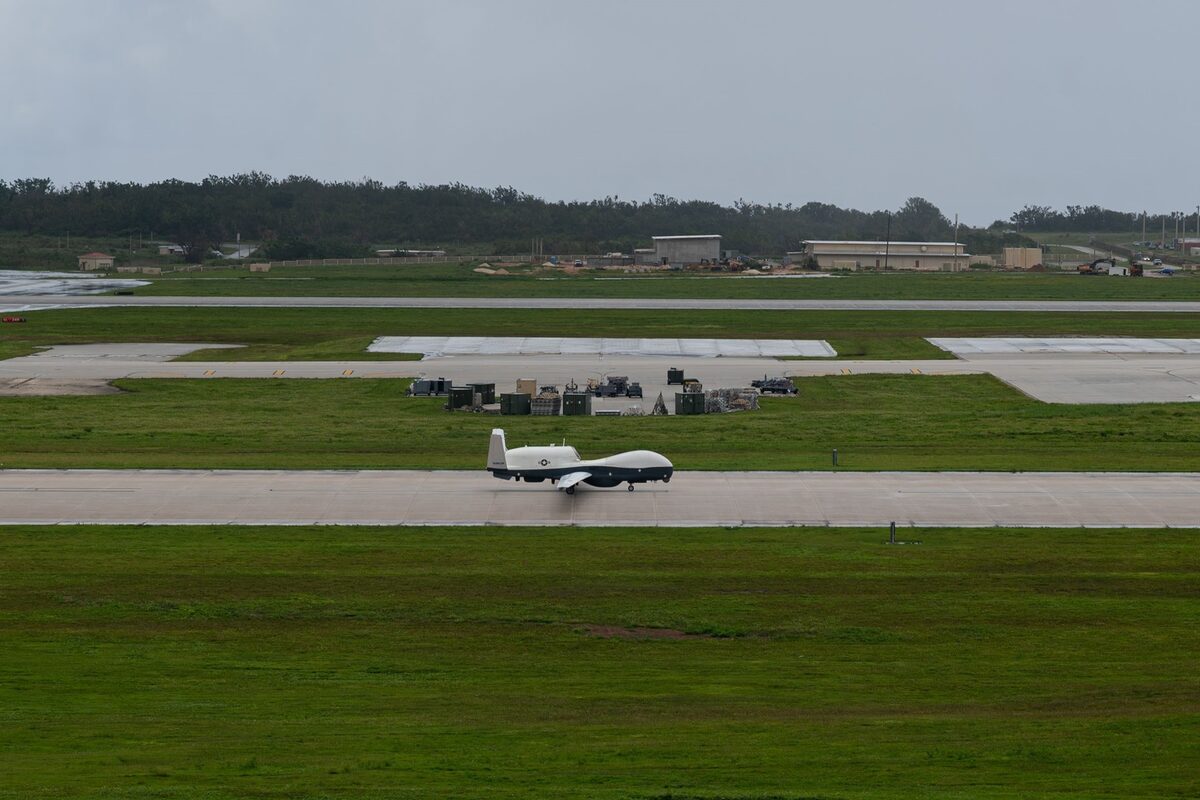
NATO Allies Sign Letter of Intent for Up to Five MQ-4C Triton Drones to Watch the High North
Denmark, Finland, Germany, and Norway signed a letter of intent in Ankara to jointly buy up to five Northrop Grumman MQ-4C Triton drones, extending NATO's high-altitude maritime surveillance net over the Atlantic, Baltic, and Arctic approaches.
-
Industry & Contracts
Ondas Buys Military Drone Maker DZYNE Technologies for $875.8 Million, Forms Ondas Sentinel Defense Division
Nasdaq-listed Ondas finalized an $875.8M cash-and-stock deal for DZYNE Technologies, creating the Ondas Sentinel autonomous defense division and pushing 2026 revenue guidance up to $525M.
-
Commercial & Delivery
Drone Delivery's Next Act: Wing and Zipline Chase Scale as Kroger Weighs Reviving Its Mothballed Program
A Reuters report details how Wing and Zipline push toward profitability with Walmart while Kroger, whose 2021 Ohio drone pilot died under pre-BVLOS rules, weighs a relaunch as PwC forecasts 65%-a-year U.S. market growth through 2034.
-
Tech & Builds
DARPA's Lift Challenge Adds 30+ Teams Ahead of August Vertical-Lift Flyoff in Dayton
DARPA has grown its Lift Challenge to 124 teams from 20+ countries, setting up a $6.5 million heavy vertical-lift flyoff at the National Museum of the U.S. Air Force in Dayton, August 2-9, with public finals August 6-9.
-
Defense & Combat
Pentagon's DIU Opens Hunt for Disposable Drone to Complement the MQ-9A Reaper
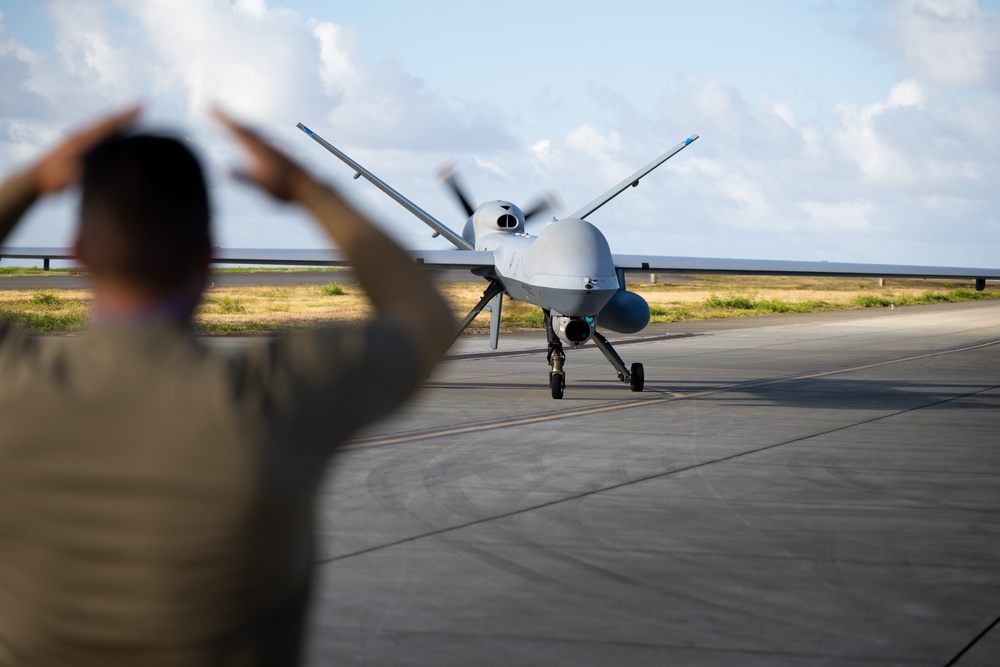
DIU's new Massed Modular Aircraft solicitation seeks a cheap, mass-producible drone that can fly 2,300 nm combat radius with a 2,800-lb payload to take over Reaper missions and absorb combat losses.
-
Counter-UAS
NATO Launches $40 Billion 'Drone Edge' Counter-UAS Initiative at Ankara Summit
NATO Secretary-General Mark Rutte unveiled a five-year, $40 billion Drone Edge initiative for uncrewed and counter-uncrewed systems, headlining more than EUR 50 billion in procurement deals announced at the Ankara summit.
-
Policy & Regulation
DHS, DOJ and FCC Finalize SAFER SKIES Act Rules Giving Local Police Counter-Drone Authority
A new Interim Final Rule, effective July 1 and published July 6, 2026, lets trained state, local, Tribal and territorial agencies detect, track, disable or seize drones — backed by FCC spectrum actions and a mandatory FBI training course at Redstone Arsenal.
-
Commercial & Delivery
Wing and Walmart Expand Houston Drone Delivery to 13 Hubs, Reaching 1 Million Customers
Wing and Walmart activated drone delivery at eight more Houston-area Supercenters on July 8, bringing the metro to 13 nests and over 1 million eligible customers under Wing's FAA Part 135 authority.
-
Counter-UAS
Airbus Plots More Live Trials for 'Bird of Prey,' Its Catapult-Launched Answer to Kamikaze Drones
Following a successful spring intercept test in Germany, Airbus is lining up further 2026 live trials for Bird of Prey, a reusable, catapult-launched interceptor drone designed to hunt down one-way attack drones like Russia's Geran.
-
Commercial & Delivery
Amazon's Prime Air Drones Start Flying Over Baton Rouge, Louisiana's First City With the Service
Amazon's Prime Air drone delivery went live in Baton Rouge on July 4-5, 2026, making it Louisiana's first city with the FAA-regulated Part 135 service and extending the MK30 network from a new facility near the former Cortana Mall.
-
Industry & Contracts
Cathie Wood's Ark Invest Piles Into Kratos Defense as Drone and Anti-Drone Budget Bets Pay Off
Ark Invest bought roughly $9.1 million of Kratos Defense stock in early July 2026, betting on a drone maker whose unmanned systems revenue is growing over 30% amid a proposed $70 billion Pentagon drone budget.


Page 33 of 58
