
All articles
-
Commercial & Delivery
A Drone Beat an Ambulance by Five Minutes: Virginia's First AED-Delivery Drone Pilot Goes Live
James City County, Virginia launched the state's first real-world AED-delivery drone pilot on August 1, 2026, with test flights showing a 2:30 drone delivery time versus an 8:06 average fire department response.
-
Counter-UAS
Inside 'Warden': How the Army's C5ISR Center Is Grading 17 Counter-Drone Vendors Against Real Swarms
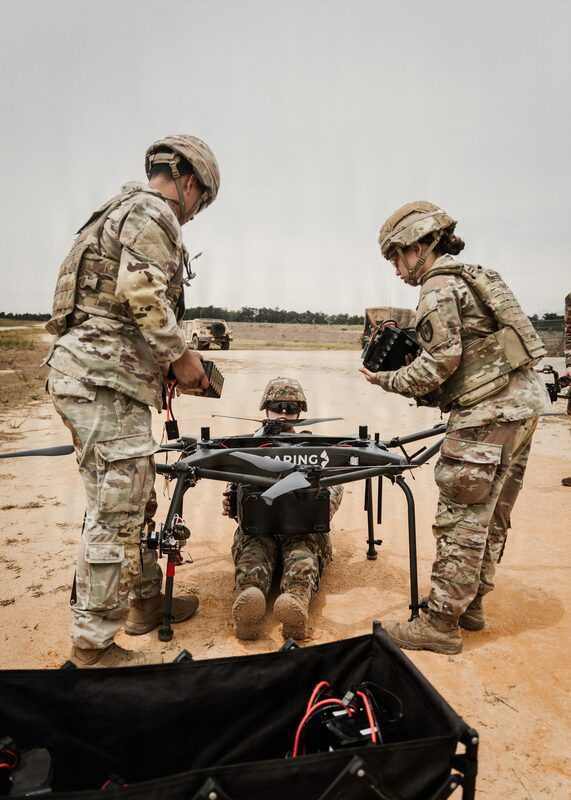
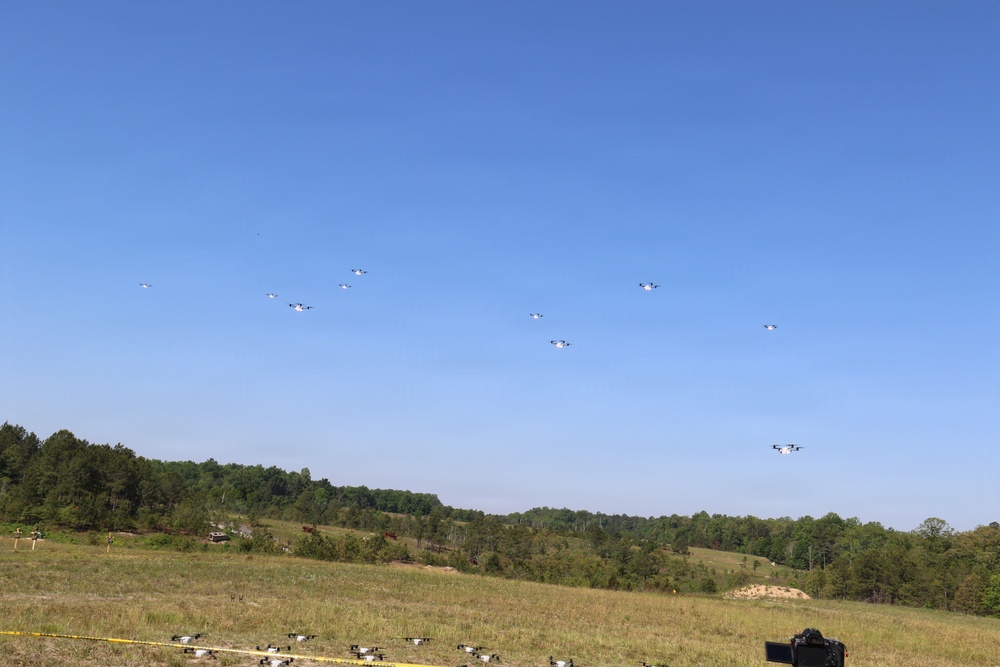
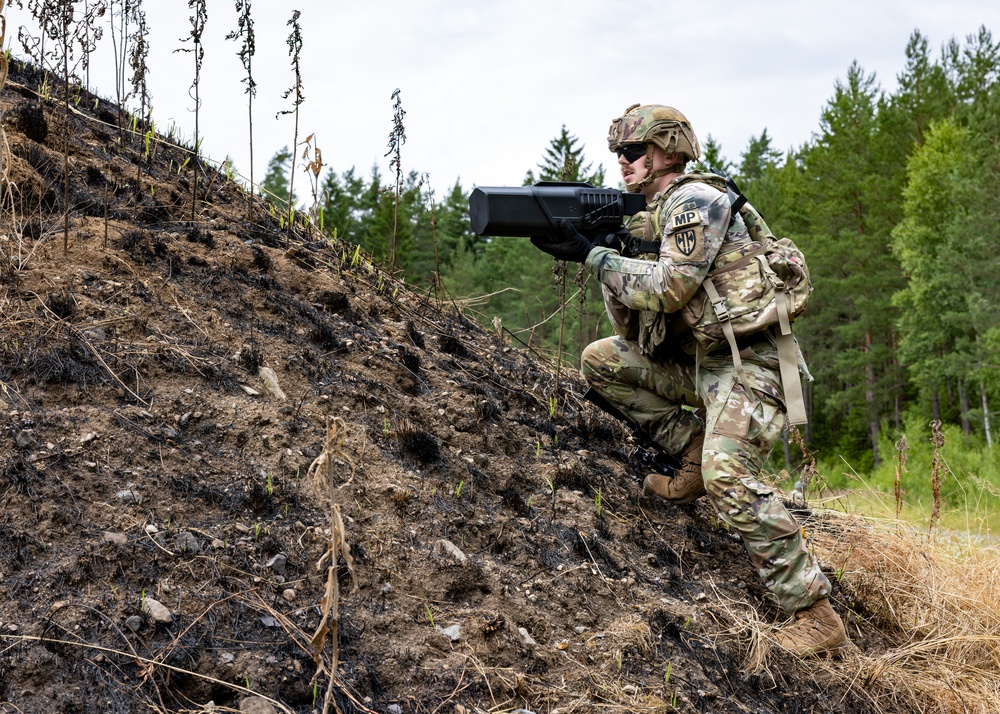
The Army's DEVCOM C5ISR Center ran its first 'Warden' assessment at Fort A.P. Hill, pitting 17 vendors' lasers, jammers and interceptor drones against 12+ UAS types including swarms.
-
Policy & Regulation
Wing's Bid to Fly Groceries Over Atlanta Clears a Key FAA Hurdle as Comment Window Closes
The FAA's 30-day comment period on Wing Aviation's Draft Environmental Assessment for expanded Atlanta-metro drone delivery closed August 1, 2026, moving the company a step closer to scaling beyond its six-store Walmart-anchored footprint.
-
Counter-UAS
Washington National Guard Fields Anduril Counter-Drone System Ahead of Super Bowl, World Cup Security Missions
Washington's 10th Civil Support Team has completed training on a mobile Anduril counter-UAS rig that fuses camera, RF and AI sensors — and it's headed for Super Bowl and FIFA World Cup security duty.
-
Tech & Builds
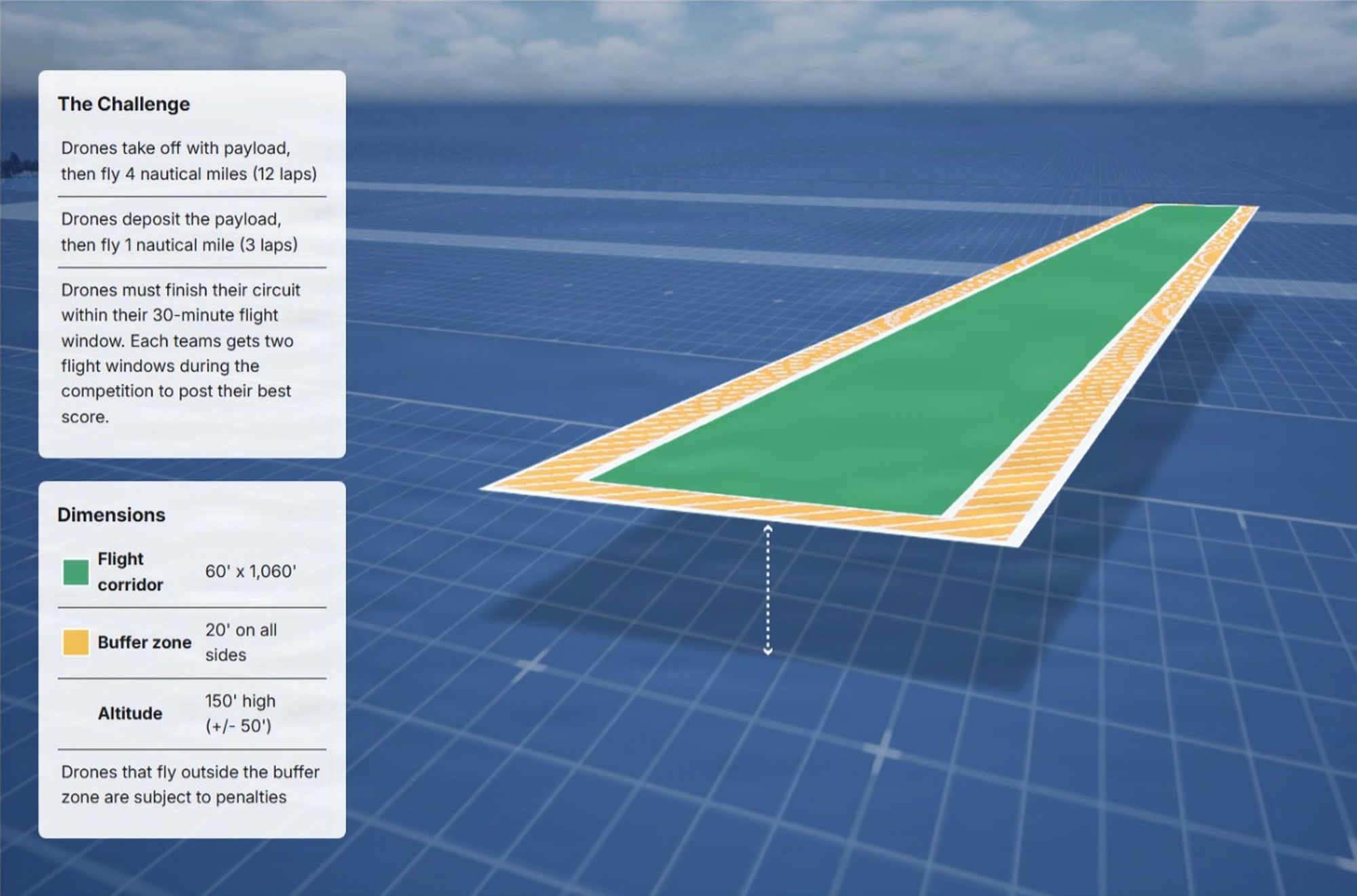
DARPA's $6.5M Lift Challenge Kicks Off in Dayton, Pitting 120+ Teams on Heavy-Lift Drone Design
More than 120 teams descended on Wright-Patterson AFB this week to chase $6.5 million in DARPA prize money for a sub-55-pound drone that can haul four times its own weight.
-
Defense & Combat
F-Drones' Ukrainian F10 Quadcopter Enters US Service Under Pentagon's Drone Dominance Program
Ukrainian manufacturer F-Drones delivered the first 2,000 F10 FPV strike quadcopters to US forces on July 31, becoming the first Ukrainian drone cleared for export to the US under the Pentagon's $1 billion Drone Dominance Program.
-
Industry & Contracts
Pentagon Commits Up to $820M to Performance Drone Works to Build Domestic Drone Component Supply Chain
The Department of War's Office of Strategic Capital signed a conditional loan of up to $820 million with Performance Drone Works on July 31, 2026, to mass-produce propulsion, power/control, and vision-system components for Group 1/2 drones industry-wide.
-
Counter-UAS
CENTCOM's 'Heavy Wave' of Strikes Hits Iranian Drone and Missile Production Sites
CENTCOM says it struck dozens of IRGC targets — including drone and missile factories — in a two-hour "heavy wave" on July 29-30, retaliation for an Iranian ballistic-missile attack that was fully intercepted the night before.
-
Policy & Regulation
FCC Extends Its Foreign-Drone 'Covered List' Playbook to Robots — A Preview for the UAS Market
The FCC added Chinese-made humanoid and quadruped robots to its national-security Covered List on July 28, using the same authorization-blocking mechanism it built for foreign drones — a signal for where UAS rules go next.
-
Defense & Combat
Russia Pairs Jet-Powered Shaheds With Parodiya Radar Decoys in 80-Drone Barrage on Ukraine
Russia's overnight July 28-29 raid mixed jet-powered Shaheds with warhead-free Parodiya decoys to saturate Ukrainian radar and drain interceptor drones, even as defenders still downed 81% of the 80-UAV package.
-
Tech & Builds
A $240,000 Sea Drone Just Proved It Can Shadow a Billion-Dollar Chinese Warship
Seasats says its 12-foot Lightfish USV tracked a Chinese Type 052D destroyer to within a few hundred meters off Luzon on June 15, a Reuters-verified encounter that puts cheap autonomous sea drones on a collision course with contested Indo-Pacific waters.
-
Counter-UAS
Air Force's $500M 'Domestic Shield' Program Fields ARGUS-XL Counter-Drone Sensor Platform
AeroVironment and Teledyne FLIR Defense unveiled the ARGUS-XL multi-sensor counter-drone platform on July 29, 2026, fusing radar, EO/IR and command-and-control software to protect US installations under the Air Force-led JIATF-401 Domestic Shield program.

Page 26 of 58
