
All articles
-
Defense & Combat
Iran Seizes Disabled Anduril Dive-LD Drone Sub at Strait of Hormuz
Iran's IRGC Navy captured a malfunctioning US Navy Anduril Dive-LD underwater drone at the Strait of Hormuz on September 8, hours after CENTCOM sank five IRGC tankers in an escalating maritime confrontation.
-
Industry & Contracts
Mach Industries Doubles Valuation to $3.7B With Additional $600M Series C
Mach Industries added $600 million to its Series C on September 10, 2026, pushing the round to $900 million total and the company's valuation to $3.7 billion in just three months.
-
Counter-UAS
V2X's Hellfire-Armed Tempest Buggy Heads to the Marine Corps for Drone Killing Duty
V2X has begun fielding its Hellfire-armed Tempest buggy to the Marine Corps under a $19 million, 10-vehicle contract, giving units a mobile, shoot-and-scoot answer to Class 2 and 3 drones.
-
Policy & Regulation
Vatn Systems Moves to Expand Undersea Drone Deployment in the Taiwan Strait
US startup Vatn Systems is pushing to expand fielding of its S12 autonomous underwater vehicle in the Taiwan Strait, building on an August MOU with Taiwan's NCSIST to jointly develop AI-enabled command systems and field AUVs locally.
-
Industry & Contracts
Echodyne Rides Europe's Counter-Drone Boom, Lands Kongsberg PROTECTOR Radar Deal
Seattle-area radar maker Echodyne is weighing a European production line as NATO's counter-drone spending surges, just as Norway's Kongsberg picks its MESA radar to give PROTECTOR remote weapon stations real-time drone tracking.
-
Counter-UAS
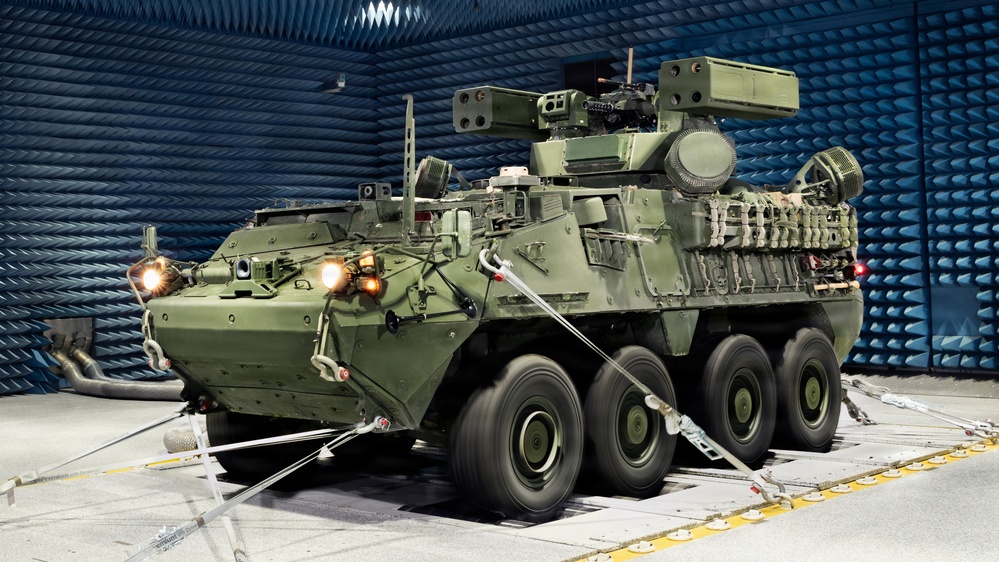
Hanwha's 50kW Laser-Armed Tigon Vehicle Targets NATO's Eastern Flank Counter-Drone Market
Hanwha unveiled a prototype 50kW laser mounted on its Tigon 8x8 armored vehicle at MSPO 2026, targeting NATO's eastern flank with a $1.50-per-shot counter-drone weapon and 2027 serial production.
-
Tech & Builds
WB Group's Warmate 30 Debuts as a 250km, GPS-Denied Jet Strike Drone Under Poland's Gladius 2
Polish manufacturer WB Group unveiled the jet-powered Warmate 30 at MSPO 2026, a Gladius 2 loitering strike drone claiming a 250km reach and GPS-denied guidance — a sharp break from the rotary and piston Warmate munitions that preceded it.
-
Defense & Combat
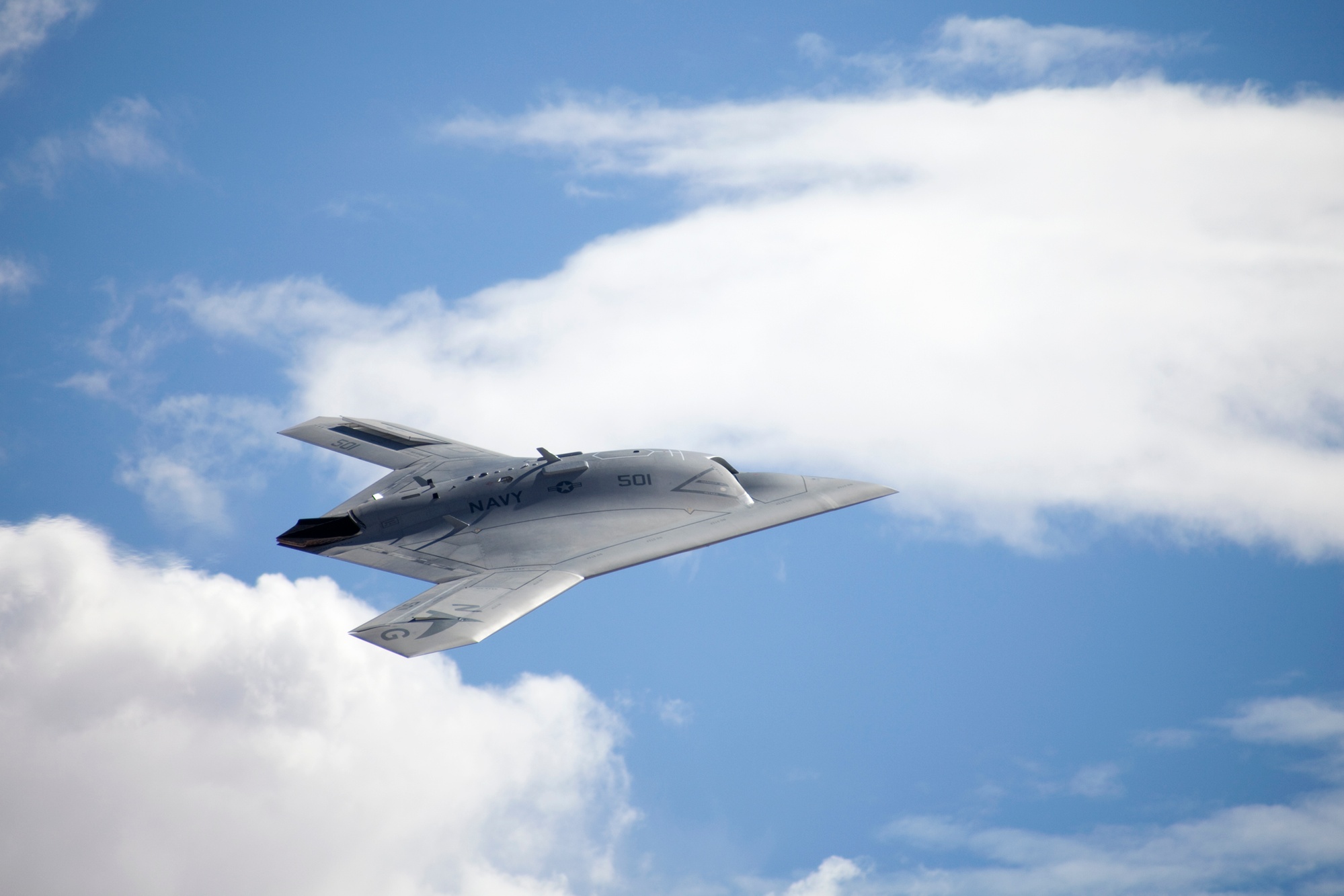
China's Tailless WZ-X Stealth Drone Surfaces in Flight Trials at Xinjiang's 'Area 51'
New flight-test images from Malan Air Base confirm China is flying a 52-meter tailless flying-wing UAV dubbed WZ-X, a design analysts say points toward an unmanned stealth ISR/bomber platform on the scale of the CH-7.
-
Industry & Contracts
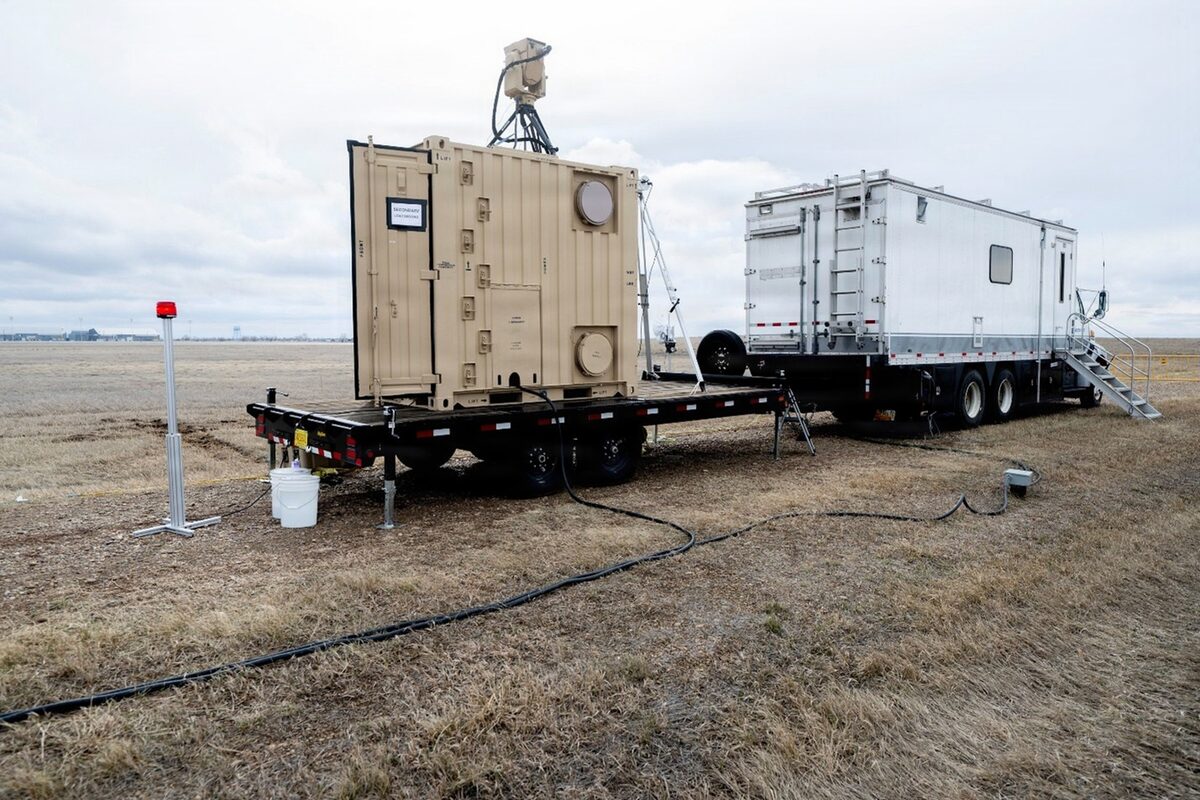
AeroVironment's Laser Weapon Lands Its First Foreign Buyer, Days After the Army's Production Deal
AeroVironment's LOCUST directed-energy counter-drone laser scored its first international sale, worth more than $50 million, barely a week after the US Army handed the company its first-ever production contract for a high-energy laser weapon.
-
Defense & Combat
Documents Trace 46 Tons of Chinese Carbon Fiber Straight to Russia's Kamikaze Drone Plant
Shipping records verified by a U.S. House committee show state-owned Jilin Chemical Fiber Group sent 46 tons of drone-grade carbon fiber precursor directly to Russia's sanctioned Alabuga-Volokno plant — enough for roughly 1,300 attack drones.
-
Policy & Regulation
$75,000-a-Violation No-Drone Zone Locks Down Dallas for the RNC Midterm Convention
Five federal agencies warned Dallas drone operators on Sept. 8 that flying inside the RNC Midterm Convention's 3-mile, 400-foot TFR risks $75,000 civil fines, criminal prosecution, and interception by Secret Service counter-drone aircraft.
-
Counter-UAS
DHS Reopens Anduril's Bid for the Hardware Half of Its $1.5B Counter-Drone Contract
After GAO dismissed its protest, Anduril gets a second shot at the hardware track of DHS's $1.5B counter-UAS IDIQ — a move that could make it only the second vendor, with Leidos, to sit on both tracks of the five-year framework.



Page 17 of 58