
All articles
-
Counter-UAS
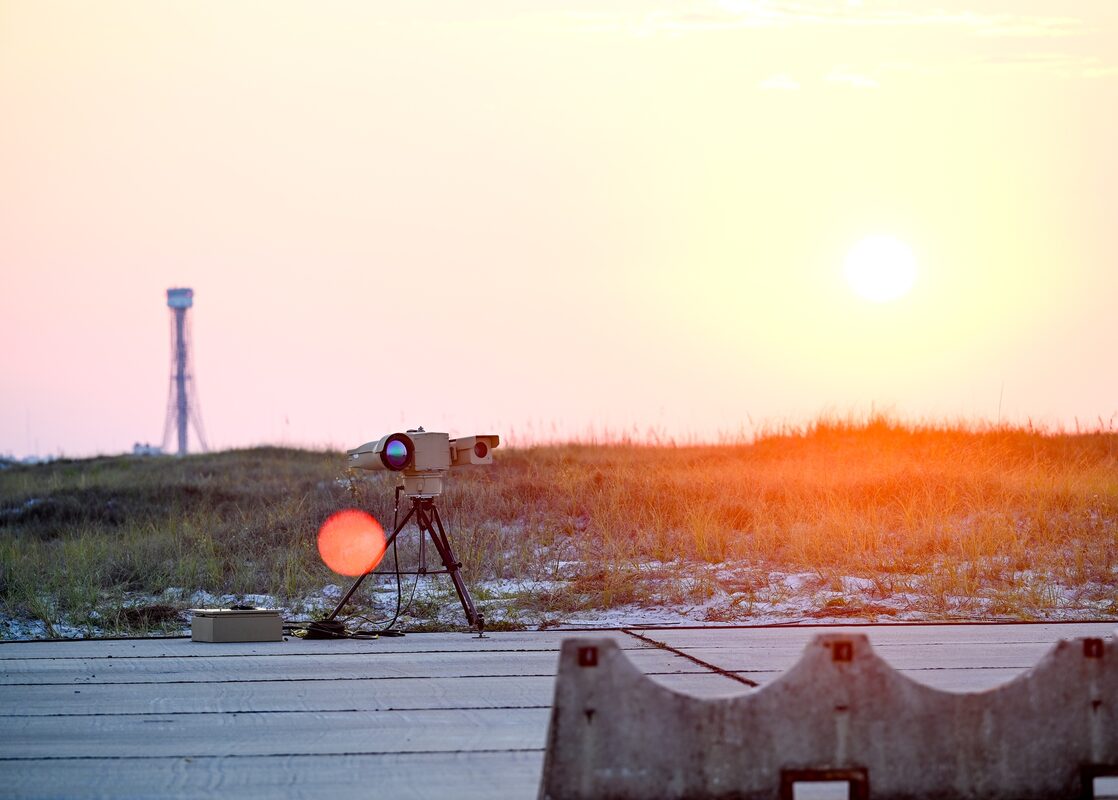
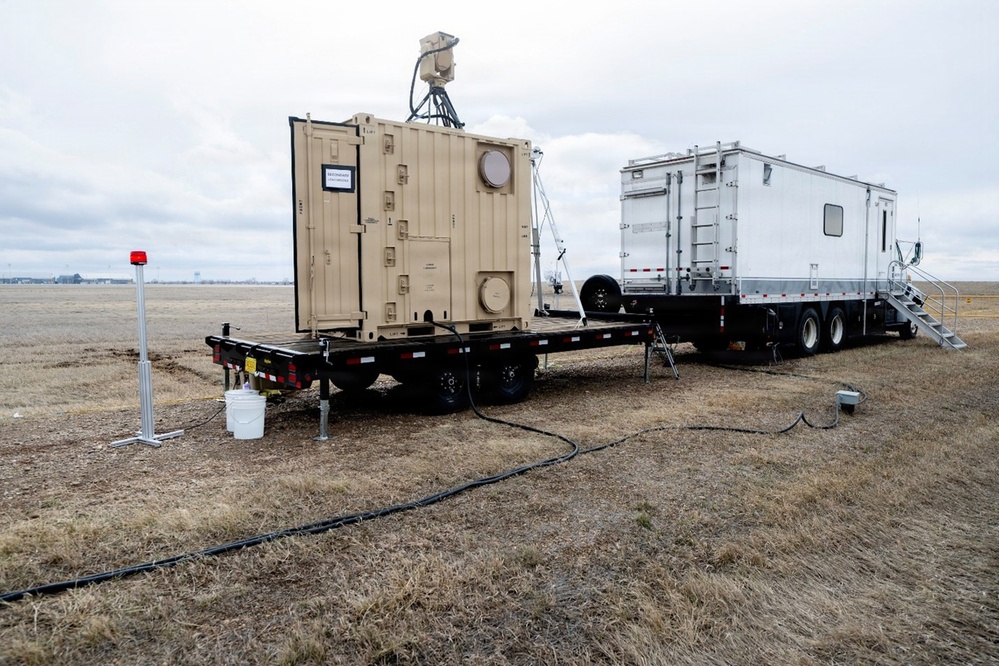
A Prohibited Zone Goes Live-Fire Ready: Secret Service Counter-Drone Teams Guard the Mall's First-Ever NSSE July 4
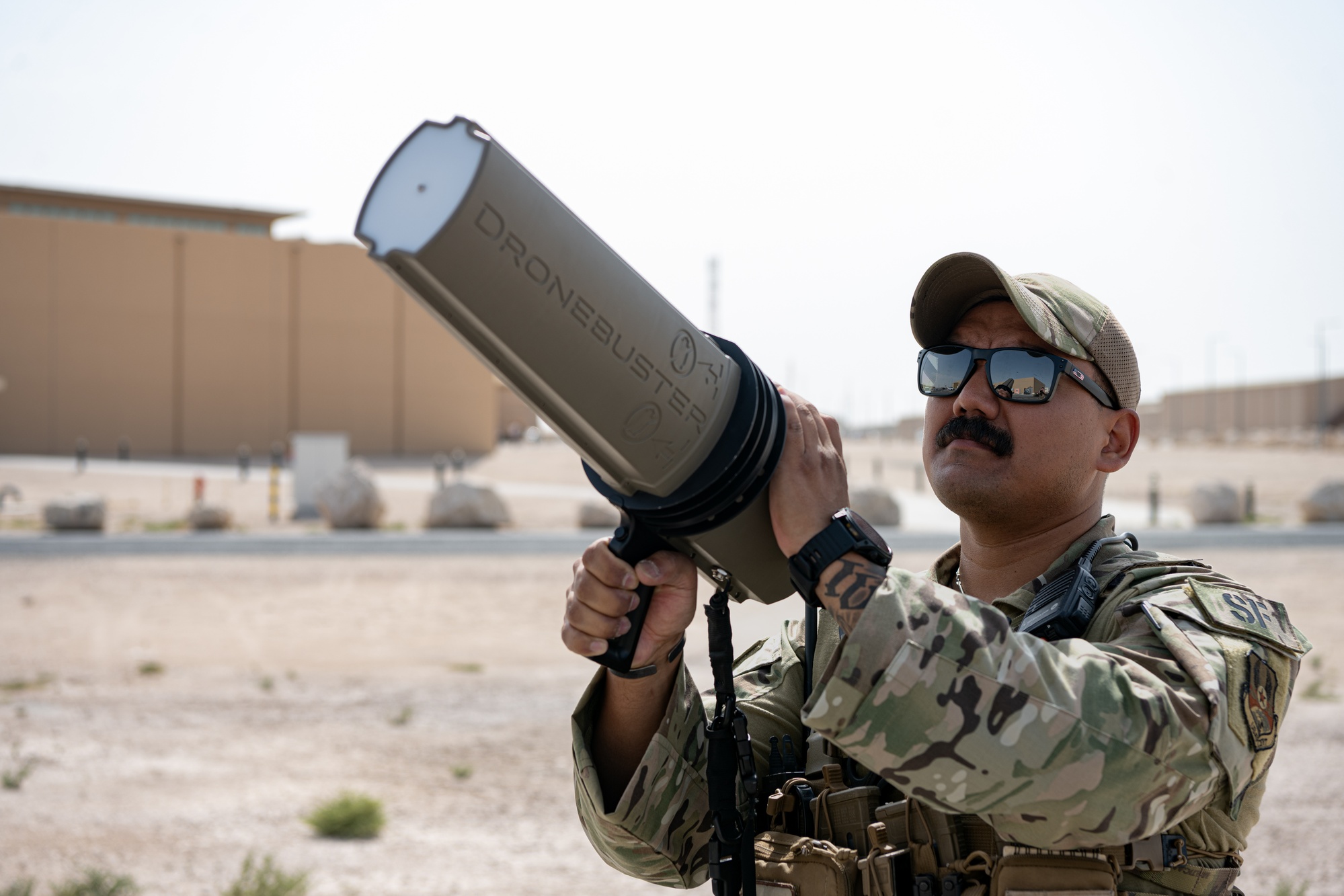
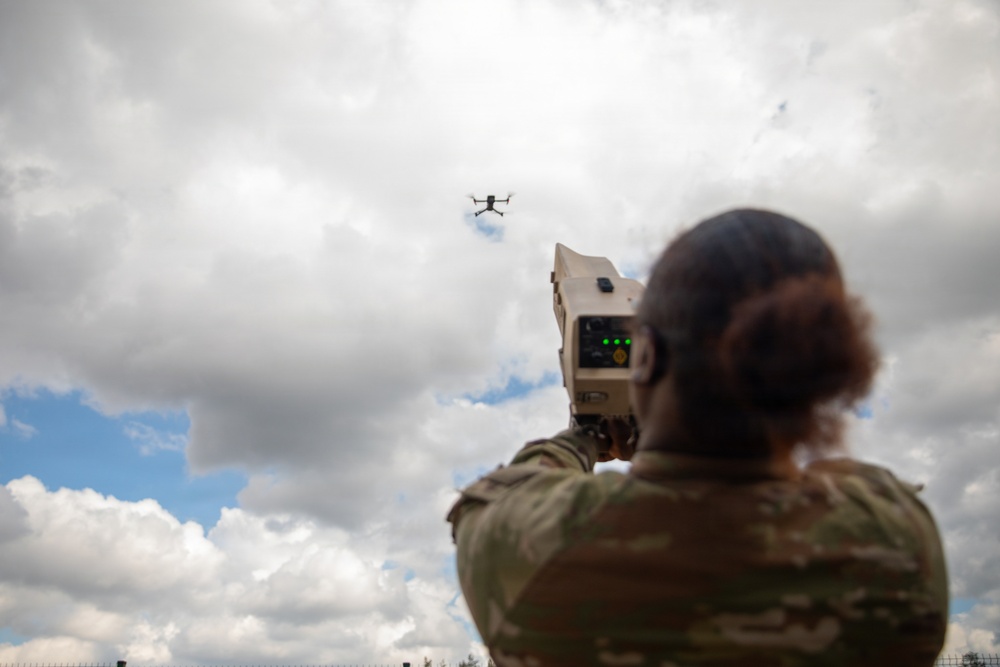
For America 250, the National Mall fireworks earned National Special Security Event status for the first time — putting Secret Service counter-drone teams, the FBI, and the National Guard over 150,000 people inside an airspace that has been off-limits for half a century.
-
Defense & Combat
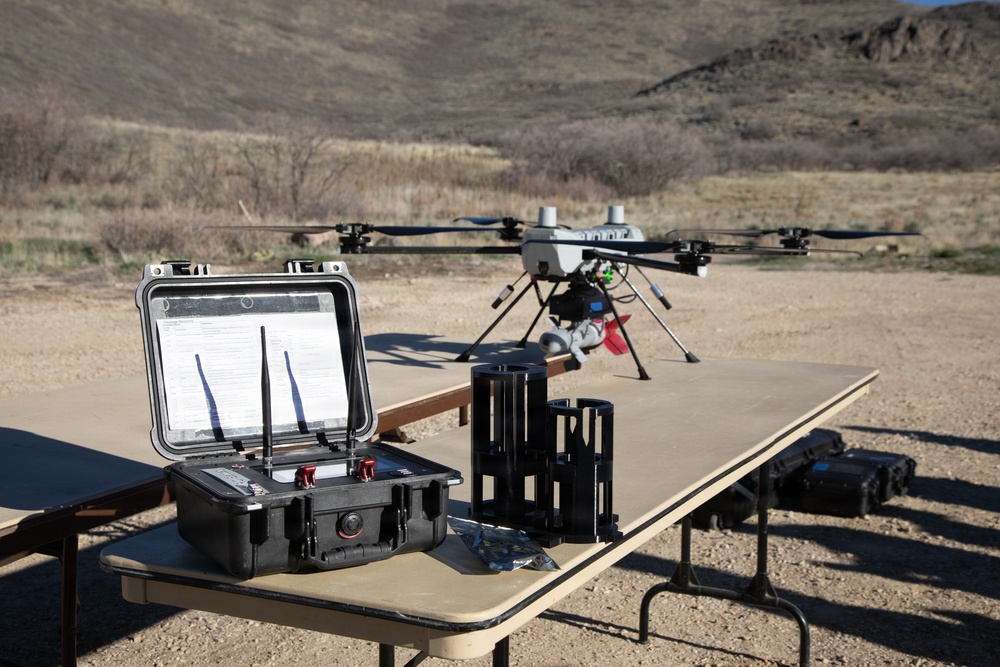
Soldiers Stay Under Cover: Oregon Guard Flies a Heavy-Lift Drone to Breach Wire With a WWII-Era Bangalore Torpedo
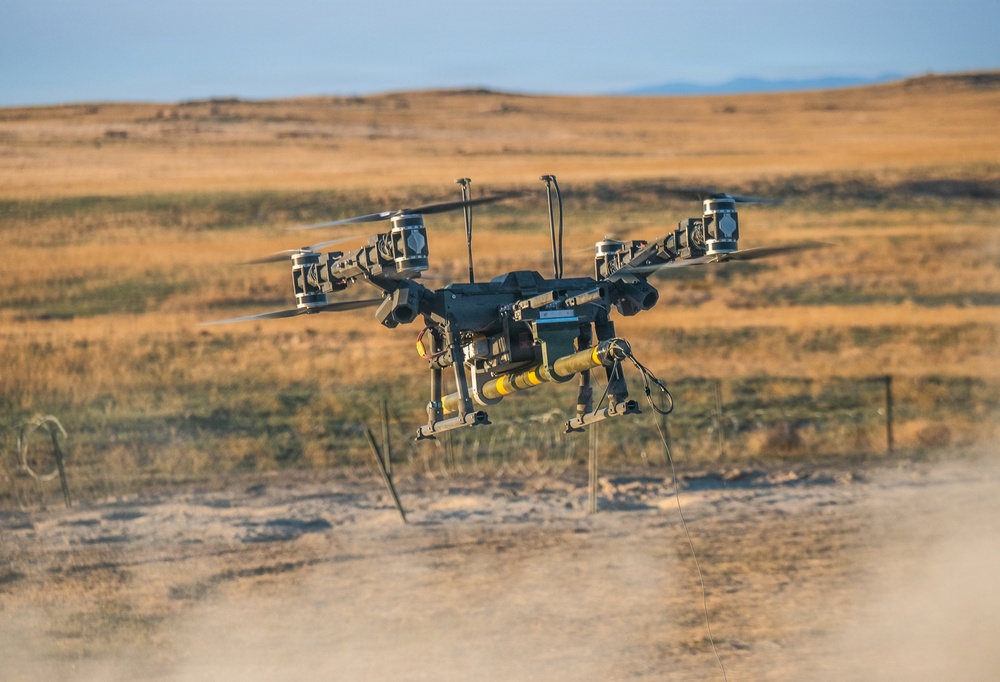
Oregon Army National Guard engineers flew a Lorica 'Mule 28' heavy-lift drone to carry, place, and detonate a live M1A3 Bangalore torpedo through concertina wire at Idaho's Orchard Combat Training Center, keeping soldiers out of a breach's deadliest phase.
-
Tech & Builds
Every Soldier a Drone Operator: South Korea Vows 500,000 'Drone Warriors' and Its First Counter-Drone Standard
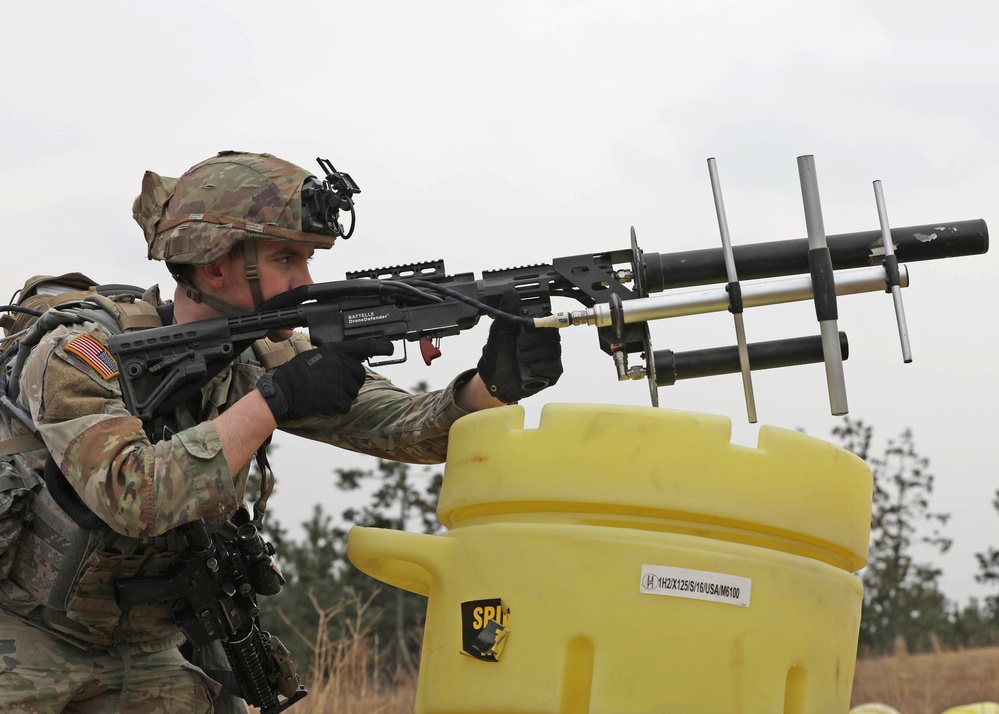
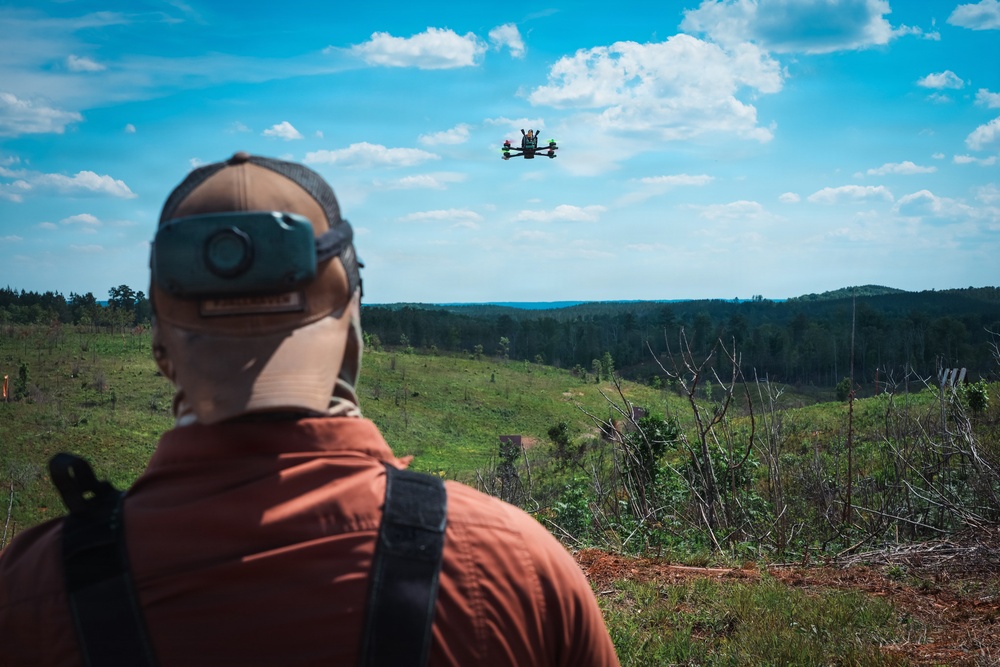
South Korea will train 500,000 'drone warriors,' field ~60,000 domestic UAVs by 2029, add 20,000+ expendable drones by 2030, and has issued KS W 8100, its first national counter-drone testing standard.
-
Commercial & Delivery
Grubhub's Parent Bets on the Sky: Wonder Plans Texas Drone Delivery as Walmart-Wing's Network Nears 20 Markets
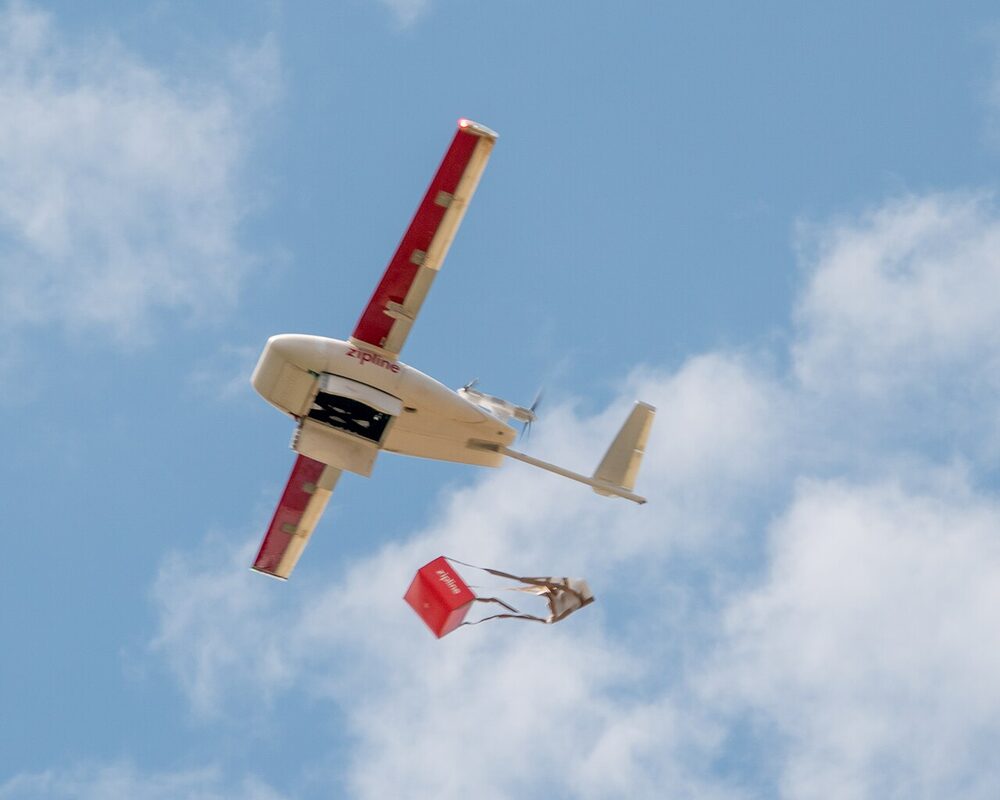
Wonder, the food-hall operator that owns Grubhub, will launch drone food delivery in Dallas in January 2027 — entering a commercial market where Walmart and Wing are pushing toward 20 U.S. metros and Zipline has cleared 2 million deliveries.
-
Industry & Contracts
AeroVironment's Q4 Blowout: A $642M Quarter, a $1.2B Backlog, and the 'Drone Supercycle' Goes Mainstream
AeroVironment crushed estimates with a record $641.6M fiscal Q4, doubled annual revenue to nearly $2B, and grew funded backlog to $1.2B — sending shares up ~19% and turning 'drone supercycle' talk into public-market fact.
-
Counter-UAS
'Airspace Under Pressure': DroneShield Survey Finds 70% of Operators Can't Reliably Detect Drones — and 60% Can't Legally Stop Them
A DroneShield survey of 23 airport and critical-infrastructure operators finds 70% cite detection gaps and 60% lack the legal authority to mitigate drone threats — quantifying the two failures behind Gatwick-style shutdowns.
-
Commercial & Delivery
FPV Goes Primetime: F1 Puts a 350 km/h Chase Drone at the Center of Its Austrian GP Broadcast
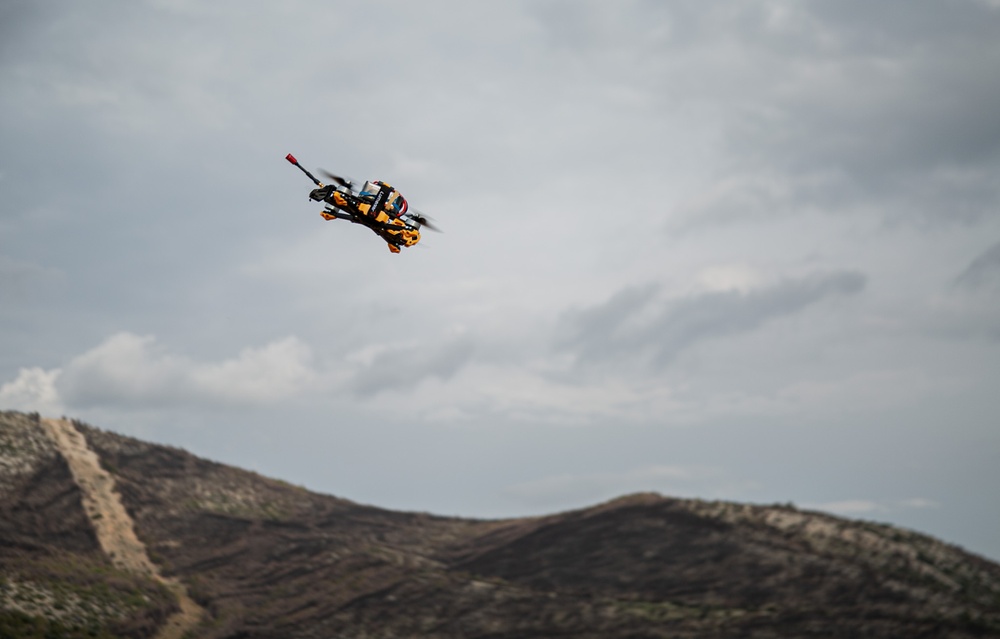
At the June 28, 2026 Austrian GP, Formula 1 aired FPV drone footage as a headline broadcast camera, tracking a Hamilton-Verstappen fight at speeds reported above 350 km/h — the sport's most prominent FPV deployment yet, and a marker of the regulatory ceiling that still bounds the technology.
-
Defense & Combat
Putin Admits a Fuel 'Deficit' as Ukrainian Drones Hit Two Refineries in One Night
Ukrainian long-range drones struck refineries in Krasnodar and Yaroslavl on the night of June 28, 2026, as Putin acknowledged a fuel 'deficit' for the first time amid a June campaign of roughly 28 strikes on Russian oil infrastructure.
-
Industry & Contracts
The Drone-Stock Supercycle: Pentagon Weighs Equity Stakes as DAWG Budget Balloons to $54.6B
U.S. drone stocks extended a sharp run in late June 2026 on reports the Pentagon is weighing equity stakes in domestic makers — the backdrop being a $54.6B FY27 request for the Defense Autonomous Warfare Group, up from a $225M base.
-
Commercial & Delivery
Drone as First Responder, Live: A Skydio X10 Talks Three People Out of an Illinois River at Night
A Cherry Valley, IL police Skydio X10 used thermal, spotlight and loudspeaker to find three people stranded along the Kishwaukee River at night and guide them to firefighters — a vivid proof point for the scaling Drone-as-First-Responder market.
-
Counter-UAS
United 737 Came Within 100 Feet of a Drone on Newark Approach — and the FAA Has No Way to Stop the Next One
A United 737 with 111 aboard reported a drone about 100 feet below it on final to Newark on June 27; a second crew saw another. The FAA opened a probe — but civil airports still have no authority to detect or down drones.
-
Counter-UAS
Eurosatory's Counter-Drone Effector Wave: A 4kW Pulsed Laser, a Microwave Gun, and a Passive-RF 'Cocktail' Built to Kill the FPV Threat
Fresh Eurosatory 2026 coverage shows the counter-UAS market converging on layered effectors: Esh-Tech's ~4kW DroneLight pulsed laser, Ecliptic's ANTIGONI microwave weapon, and a Lacroix/Bertin/MC2 passive-RF-plus-optical vehicle system — the same architecture the U.S. Army is buying through its expanding C-UAS Marketplace.
Page 40 of 58