
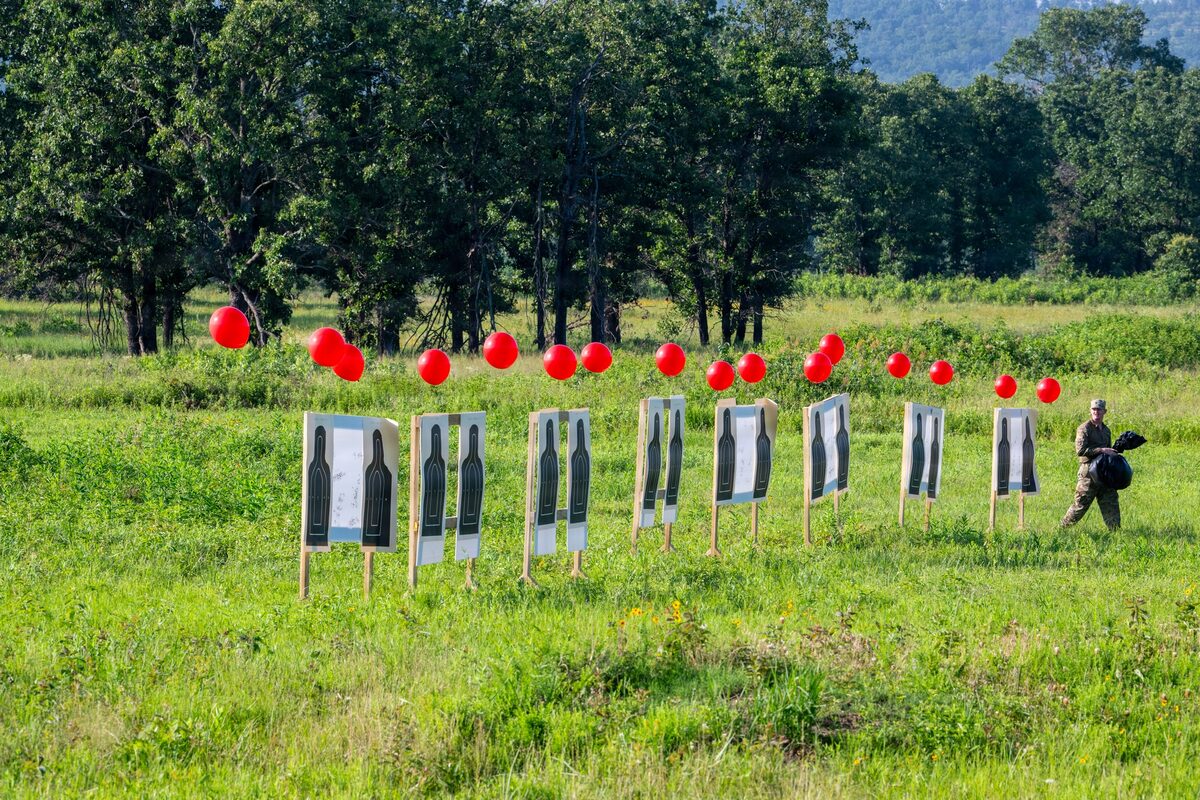
When a first-person-view (FPV) kamikaze drone commits to its final dive on a dismounted soldier, the math is brutal: closing speeds that can exceed 140 km/h leave a target as little as one to ten seconds to detect, aim, and fire before impact. According to a special report published August 5, 2026 by Jane's defence-intelligence analyst Sean Reardon, small-arms ammunition makers are responding to that narrow window with an unlikely tool — the 12-gauge shotgun.
The report describes how manufacturers, including Italian ammunition maker Fiocchi, have begun engineering dedicated counter-UAV (C-UAV) shotgun cartridges specifically to give infantry a point-defense option against the swarms of cheap, armed FPV drones that have come to define the Ukraine battlefield. Some of the new loads use high-density tungsten shot in place of traditional lead or steel, packing more mass and pattern density into each shell to improve the odds of a hit against a small, fast-moving airframe. Others are fuzed rounds carrying explosive or solid projectiles, designed to detonate or strike with enough force to disable a drone on contact.
Per Jane's, the shotgun-based systems are being built around an effective range of roughly 100 meters — short by anti-aircraft standards, but matched to the reality of how FPV drones actually attack: they dive fast, low, and close, often emerging from tree lines or terrain masking with almost no standoff warning.
Why a Shotgun?
The appeal of the 12-gauge as a counter-drone weapon comes down to a problem that has dogged militaries since FPV drones proliferated in Ukraine: rifle-caliber fire is a poor match for a target the size of a dinner plate moving unpredictably at high speed. A single rifle round has almost no margin for aiming error. A shotgun cartridge throws a spreading pattern of projectiles, converting a precision-aiming problem into a probability-of-hit problem — the same logic that makes shotguns effective against fast, erratic targets like flushed birds or clay pigeons. The tradeoff is range. Buckshot and even tungsten C-UAV loads lose energy and pattern density quickly past 100 meters, which is why Jane's frames these rounds as a last-resort layer of defense rather than a primary counter-drone system — something to be used only after other detection and jamming measures have failed to stop an inbound FPV.
A New Role: The C-UAV Shotgun Specialist
The Jane's report notes that the emergence of this threat has already reshaped small-unit organization. Militaries — the report does not specify which beyond noting the trend originated from the Ukraine conflict — have started creating dedicated counter-UAV shotgun specialist roles within squads, assigning individual soldiers to carry and operate the weapon as their primary task during periods of elevated drone threat. That specialization comes with a cost. Jane's points out that soldiers filling the C-UAV shotgun role can't easily perform other duties while the threat is active — they need to stay alert, weapon ready, watching the sky rather than executing their normal infantry tasks. In a war where manpower is already stretched thin on both sides of the front, dedicating a soldier to drone-watching duty is a real opportunity cost, even if the alternative is losing that soldier — or others nearby — to an FPV strike.
Part of a Broader Scramble for Cheap Counter-Drone Options
The shotgun push is not happening in isolation. A separate Stars and Stripes report published the same day, August 5, 2026, describes the U.S. Army's search for a "less costly anti-drone missile," underscoring that the pressure to find cheaper ways to defeat small drone threats extends well beyond Ukraine's trenches and up through major-power procurement programs. Missile-based interceptors remain far more capable against faster or larger threats, but their cost-per-shot is difficult to justify against a cheap, mass-produced FPV drone — the same economic mismatch that is pushing units at the tactical edge toward shotguns and other low-cost kinetic options. Separately, reporting from Army Recognition on U.S. Marine Corps efforts to network Bumblebee, Hornet, and Merops drones into a single battlefield system shows the same dynamic playing out on the offensive side: services are racing to build integrated strike and counter-drone capability down to the squad and unit level, not just at the theater air-defense layer. Together, the three reports sketch a battlefield where drone threats and countermeasures are being pushed simultaneously downward — from headquarters-level systems to the individual soldier's kit.
Why It Matters
FPV kamikaze drones have proven to be one of the most disruptive and cost-effective weapons of the Ukraine war, capable of destroying military vehicles worth many times a drone's own cost, and they are just as lethal against individual soldiers in the open. The reengineering of the shotgun — a weapon with roots in 19th-century close-quarters combat — into a purpose-built anti-drone system illustrates how quickly militaries are being forced to improvise against a threat that evolved faster than existing air-defense doctrine could keep pace with. It also highlights a hard organizational tradeoff that will likely spread to other militaries watching the Ukraine conflict: point-defense against FPV drones isn't free. Assigning soldiers to dedicated C-UAV roles pulls manpower away from other battlefield tasks, and the 100-meter effective range of shotgun countermeasures means this is fundamentally a reactive, last-line capability rather than a solution to the drone threat itself. As the parallel U.S. push for cheaper anti-drone missiles shows, no single system — expensive interceptor or improvised shotgun shell — is likely to solve the problem alone. The emerging answer, at every level from squad to service branch, appears to be layered, cheap, and distributed defenses rather than a silver bullet.