
All articles
-
Defense & Combat
Iran Hits Three US Bases in One Night as Ceasefire Talks Near Collapse
An overnight IRGC salvo targeted Navy Fifth Fleet HQ in Bahrain, the F-35 base in Jordan, and positions in Kuwait simultaneously — CENTCOM responded with three waves against ~20 Iranian targets even as Qatari mediators were hours from a deal.
-
Policy & Regulation
The Layer Import Bans Can't Reach: Congress Targets Drone Magnet Supply Chain
A bipartisan House bill introduced June 10 pairs tiered production credits with an OEM demand-side incentive to pull rare-earth permanent magnet manufacturing out of China's grip — reaching the one chokepoint that banning Chinese drones outright cannot fix.
-
Commercial & Delivery
Matternet Goes Public: The First Pure-Play Drone Delivery Stock
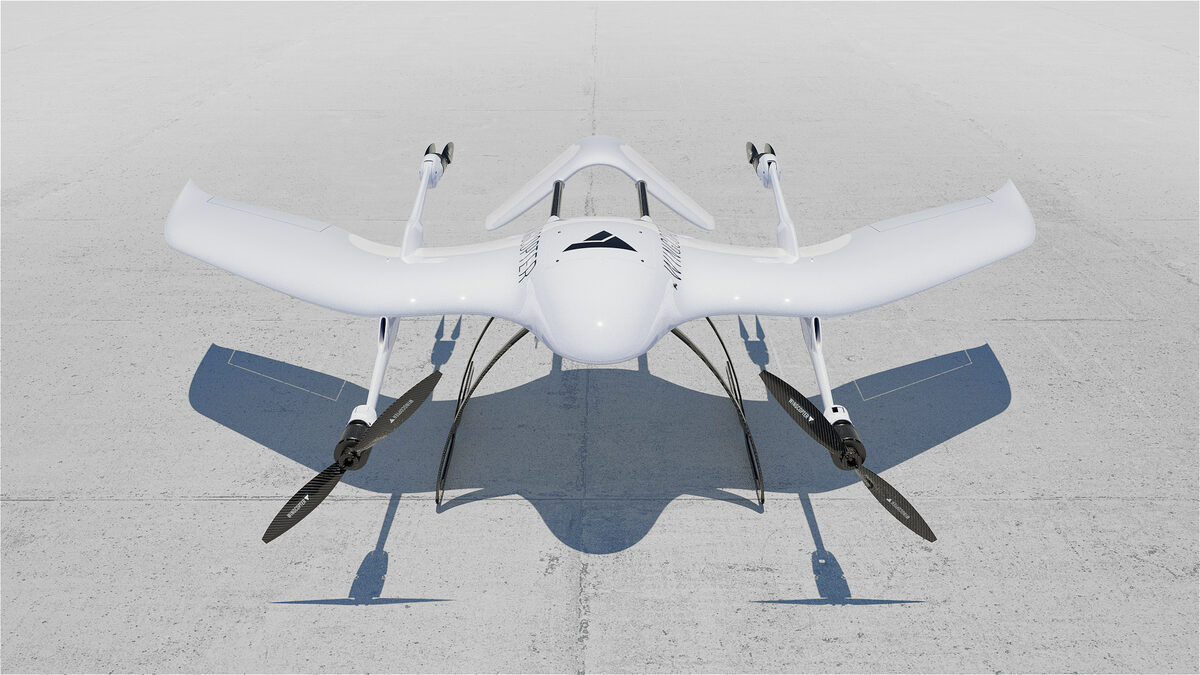
Matternet completed a reverse merger in late May and closed a $33M oversubscribed placement, becoming the first publicly traded pure-play drone delivery company — a structural first that finally lets investors own the sector directly, not as a footnote inside Amazon or Alphabet.
-
Defense & Combat
Rooftop SAMs and Seven New Towers: Moscow's Pantsir-SMD-E Drone Cordon
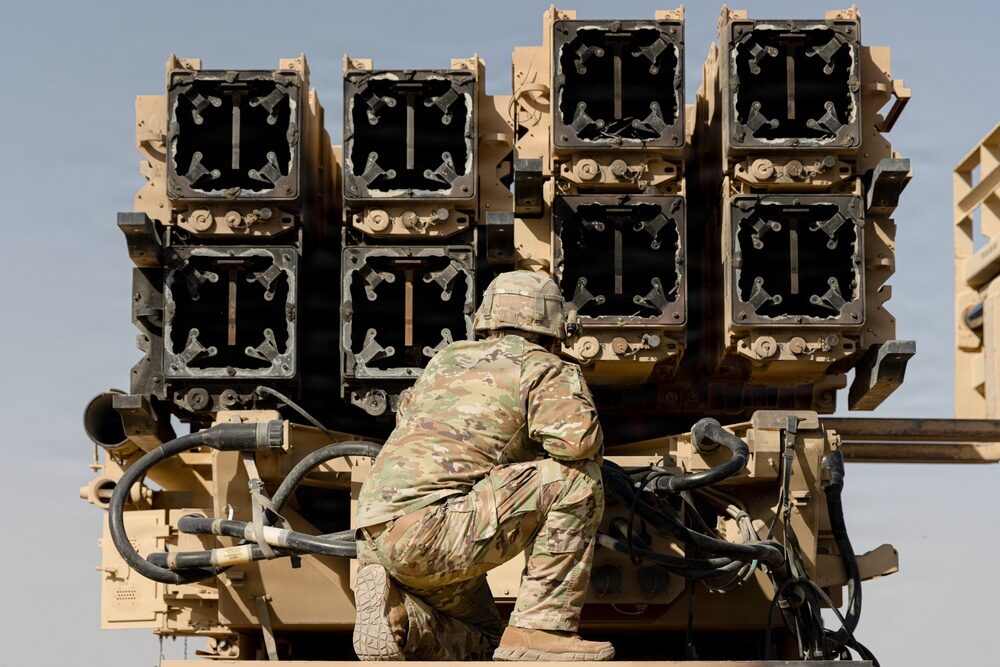
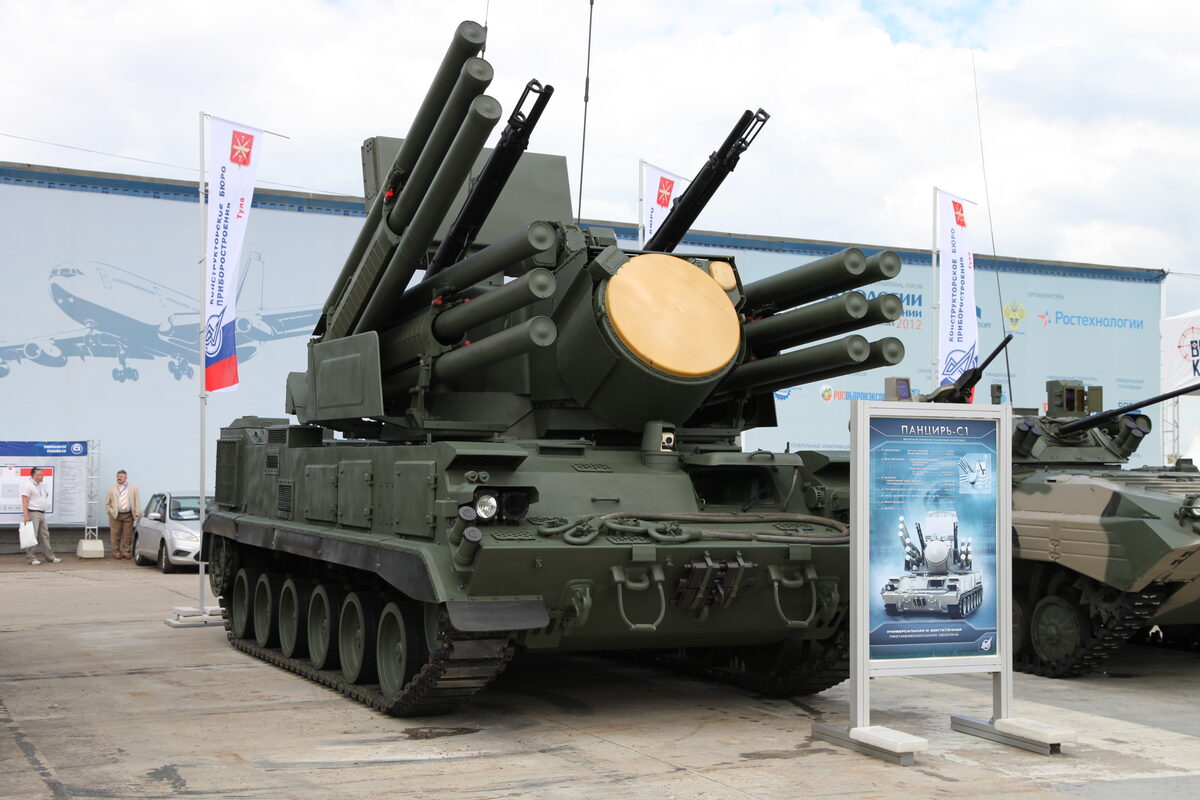
Russia is mounting missile-only Pantsir-SMD-E systems on civilian high-rises and has built seven new dedicated air-defense towers around Moscow — a visible admission that Ukraine's drone campaign has punched through every previous layer of homeland defense.
-
Defense & Combat
Autonomous Drone Boat Pulls Two Apache Pilots from the Sea Near the Strait of Hormuz
A Saronic Corsair unmanned surface vessel operated by Navy Task Force 59 located and recovered two downed U.S. Army Apache pilots within roughly two hours of their crash near the Strait of Hormuz on June 8 — the first confirmed use of an autonomous boat to retrieve military aircrew in real-world operations.
-
Policy & Regulation
Is DJI Banned in the U.S.? A Precise Map of Six Overlapping Restrictions
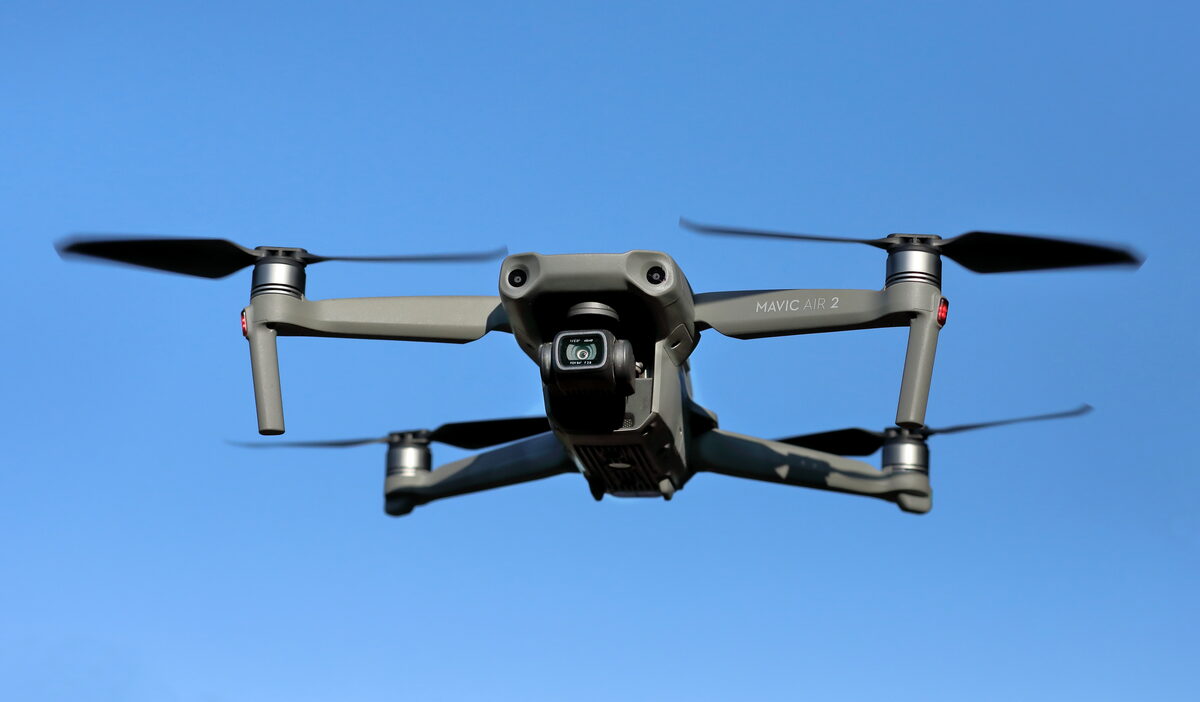
"DJI is banned" is both true and false depending on which of six distinct legal instruments you mean. This explainer maps each layer — export controls, federal procurement, the DoD blacklist, the FCC Covered List, state laws, and the BVLOS draft rule — with its exact scope and status as of June 2026.
-
Commercial & Delivery
Drone Delivery Economics, Explained: The Math Behind the Milestone
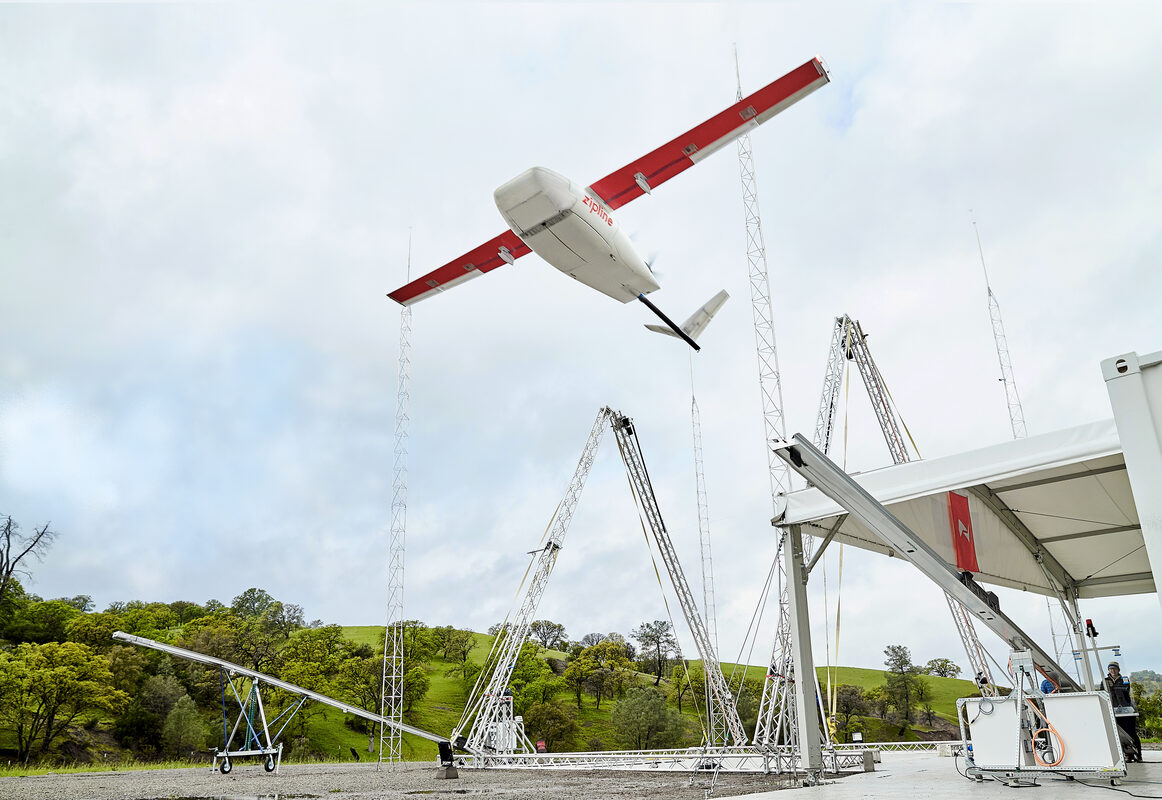
Walmart hit one million drone deliveries on May 29, 2026 — proof the technology works. But Amazon still spends roughly $63 to drop off a $10 order. Here is a clear-eyed breakdown of where the money goes, who has cracked the model, and what has to change before drones threaten the delivery van.
-
Counter-UAS
Drone Jamming Explained: How It Works, Who Can Do It, and Where It Fails
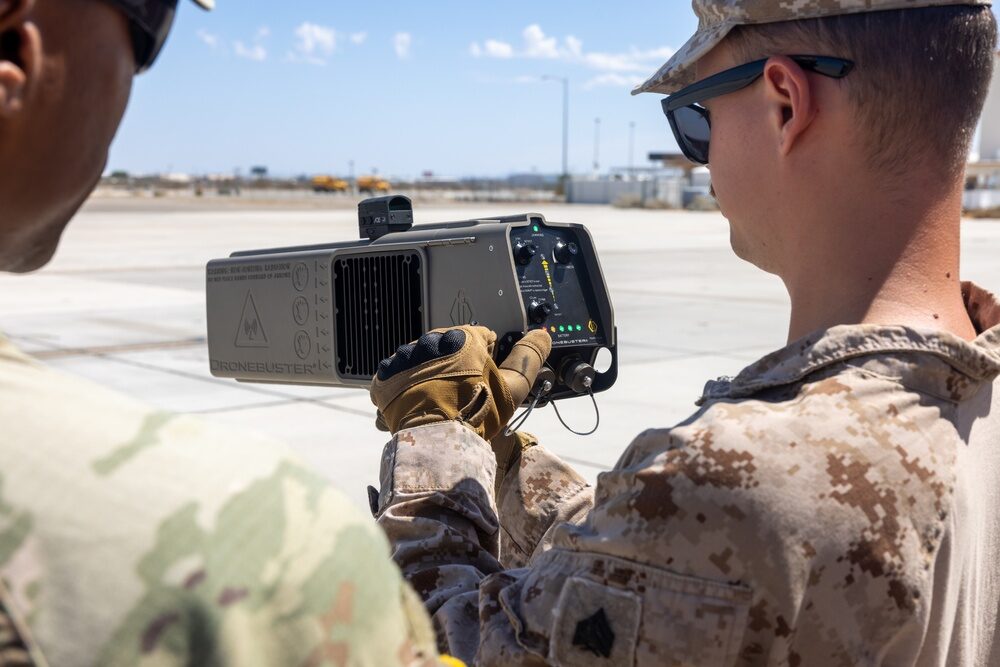
Electronic jamming neutralizes more drones in Ukraine than any other method — roughly 10,000 per month — yet the newest generation of fiber-optic and AI-navigation drones is immune to it. A technical and legal primer on the RF physics, the US arsenal, and why civilians and companies have zero legal authority to jam.
-
Tech & Builds
FPV Strike Drones: How Racing Quads Became the Defining Weapon of Modern Ground War
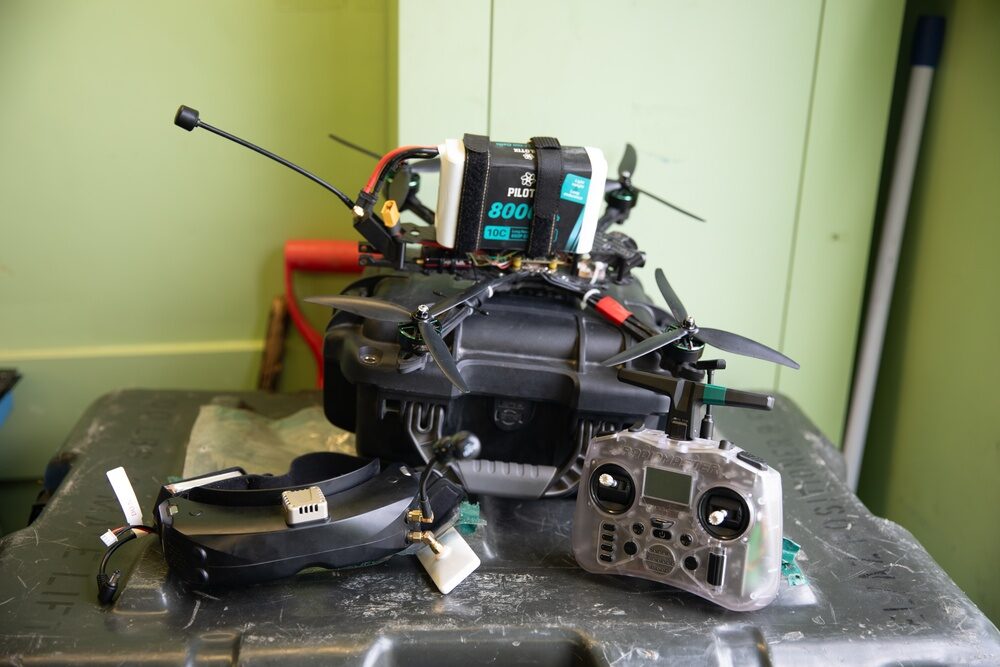
From hobbyist racing roots to a $117,000 strike that damaged $7 billion worth of aircraft, FPV drones have rewritten the economics and geometry of ground combat. A technical and operational explainer.
-
Defense & Combat
Loitering Munitions Explained: The Watching Weapon Reshaping Modern Combat
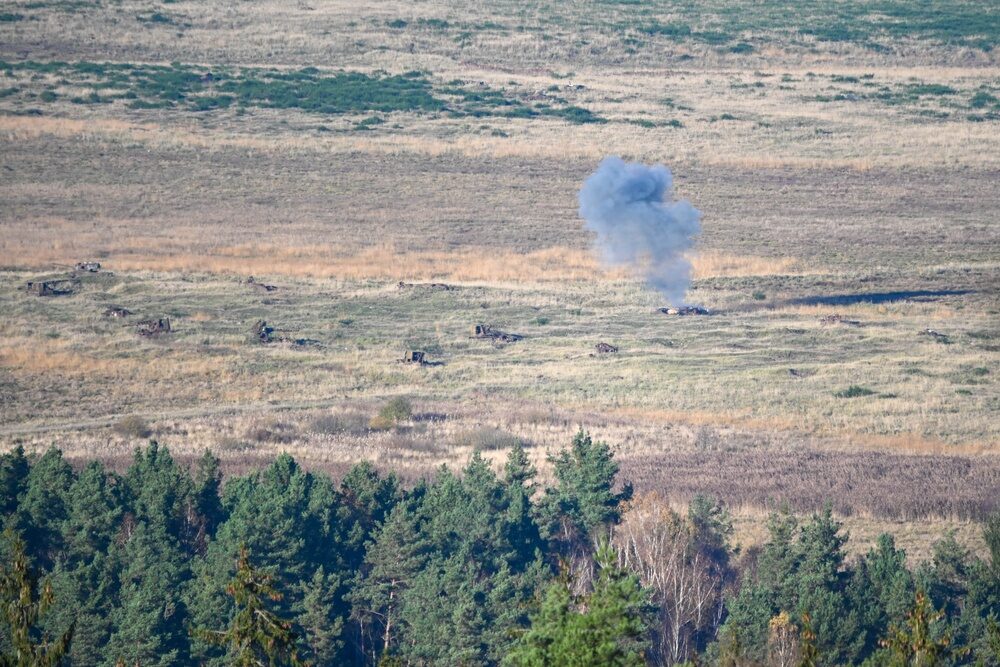
From Israel's 1989 Harpy to Ukraine's Lancet hunter-killer teams, loitering munitions fuse sensor and effector into a single expendable platform — a category distinct from both the cruise missile and the reusable drone, and now in procurement at scale across 50-plus countries.
-
Defense & Combat
DoD Drone Groups 1–5 Explained: The Classification That Governs Everything
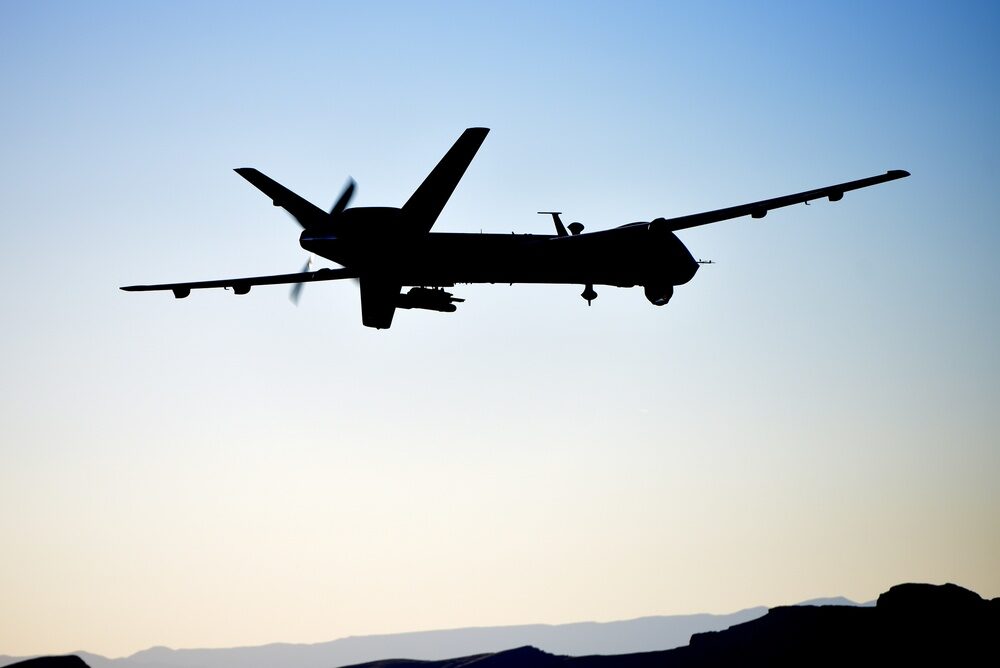
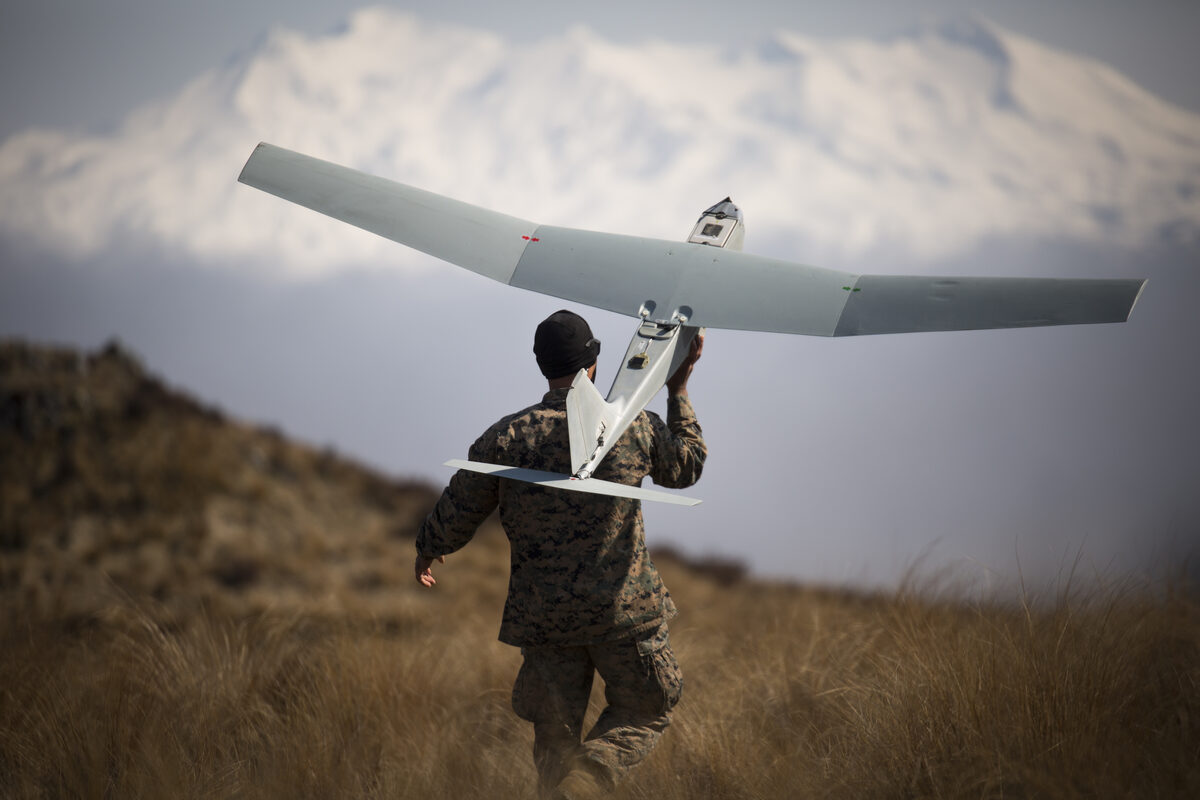
The Pentagon's five-group UAS taxonomy determines who can buy a drone, which airspace it flies in, who is responsible for shooting it down, and what legal authorities apply. Here is how it works and why it is under strain.
-
Policy & Regulation
Remote ID for Drones, Explained: The License Plate in the Sky
14 CFR Part 89 requires virtually every drone flying in U.S. airspace to broadcast its position, speed, and the pilot's ground location in real time — and the FAA is now building its entire advanced-operations framework on top of that signal.


Page 70 of 72
