
All articles
-
Policy & Regulation
The Sound Standard Drone Delivery Doesn't Have Yet
Drone noise sits in household-appliance decibel territory but is measurably 4–10 dB more annoying than jet aircraft at equal sound pressure. A patchwork of bespoke FAA rulings and an unfulfilled congressional mandate have left communities in Texas and Australia with no effective regulatory recourse.
-
Policy & Regulation
From ISM Bands to Part 88: How U.S. Drone Spectrum Regulation Works
Most commercial drones fly on unlicensed ISM spectrum shared with Wi-Fi and baby monitors — a structural problem for BVLOS operations that require aviation-grade, interference-protected command links. Here is how a 2012 ITU allocation became Part 88, and what remains unresolved.
-
Policy & Regulation
Europe’s U-Space Framework: What the Three 2021 Regulations Actually Require
The EU’s U-space package — three implementing regulations adopted April 2021 and applicable since January 2023 — makes digital airspace services a legal prerequisite for drone operations in designated zones. Here is how the certification regime, four mandatory services, and risk methodology actually work.
-
Policy & Regulation
The FAA Reauthorization Act of 2024: What It Mandates for Drones
Public Law 118-63, signed May 16, 2024, mandates a BVLOS rule, rethinks Remote ID, and funds a five-year runway for aerial autonomy. Here is what every operator and developer needs to know.
-
Policy & Regulation
The FAA's Four-Category Rules for Flying Over People, Explained
The FAA's Operations Over People rule, effective April 21, 2021 (as corrected), replaced a blanket waiver requirement with a four-category framework that stratifies access by kinetic energy risk. Here is how the categories work, what Remote ID unlocks — and what it doesn't.
-
Policy & Regulation
Part 107 Night Ops: How the 2021 Reform Ended Five Years of Waiver Bureaucracy
The FAA’s April 2021 rule change ended the requirement that commercial drone pilots obtain individual waivers to fly at night, replacing it with two standardized conditions: updated training and a compliant anti-collision strobe visible for 3 statute miles.
-
Policy & Regulation
“If You Fly, We Can’t”: How Wildfire TFRs Work and What They Cost Violators
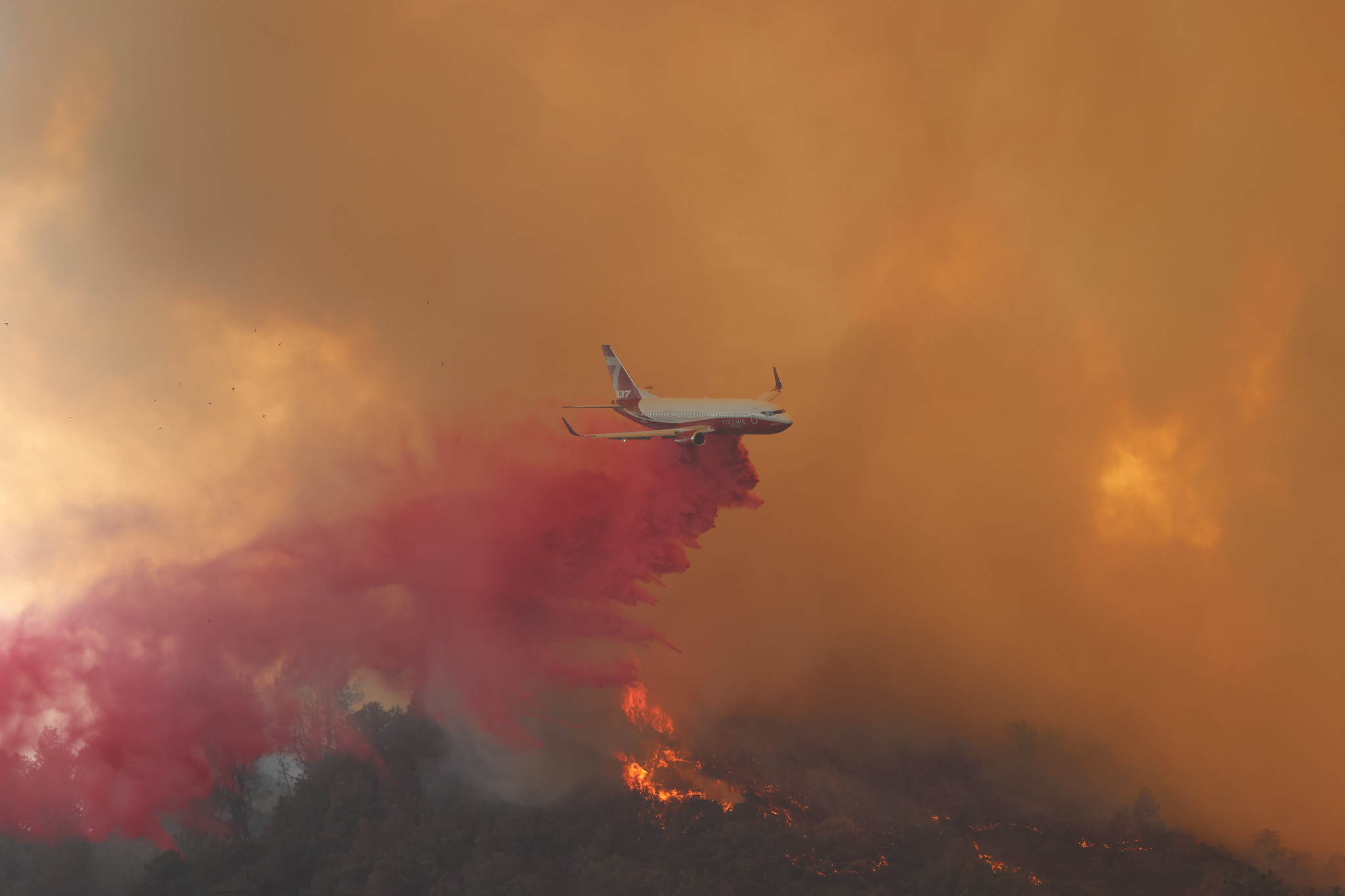
A single recreational drone over an active wildfire can ground an entire air tanker fleet for hours. The FAA’s TFR framework under 14 CFR §91.137, FDC NOTAMs, and civil penalties now reaching $75,000 per violation explain why federal enforcement has hardened.
-
Policy & Regulation
UK Drone Law in 2026: The CAA’s Open, Specific, and Certified Framework Explained
Post-Brexit, the UK CAA runs its own UAS framework, diverged from EASA since December 2022. Here is what pilots need to know: three operational categories, UK class marks, updated registration thresholds, Remote ID rollout phases, and how Specific-category authorisation works after the OSC-to-UK SORA transition.
-
Policy & Regulation
FAA Drone Registration Explained: Who Must Register, How, and Why the Rule Almost Died
Every drone over 250 grams flown outdoors in the U.S. requires FAA registration before takeoff. Here is how the two-track system works, the legal battle that briefly voided the rule, and how Remote ID extends registration into the air.
-
Commercial & Delivery
Aerial Triage: How Drones Became Essential to Disaster Response—and Where the Gaps Remain
From mapping Turkey earthquake rubble in 17 seconds to delivering supplies in post-cyclone Vanuatu, drones have proven themselves in disaster response. The harder problems—coordination, authorization timing, data handoffs, and privacy—remain partly unsolved.
-
Industry & Contracts
Drone Insurance Decoded: Liability, Hull, BVLOS, and What Things Cost
Part 107 proves you can fly — it doesn't cover anything when something goes wrong. A structured look at commercial UAS insurance: coverage types, premium ranges by operation, the on-demand policy model, and why BVLOS requires its own specialist approach.
-
Commercial & Delivery
How Drones Replaced Guesswork in Mining — Surface Surveys to Underground Voids
Mining accounts for 8 percent of global fatal injuries, and critical site decisions were long based on incomplete survey data. Drones have changed the calculus — from weekly kilometer-scale stockpile surveys to the first autonomous BVLOS flight 600 metres underground.





Page 63 of 72
