
All articles
-
Defense & Combat
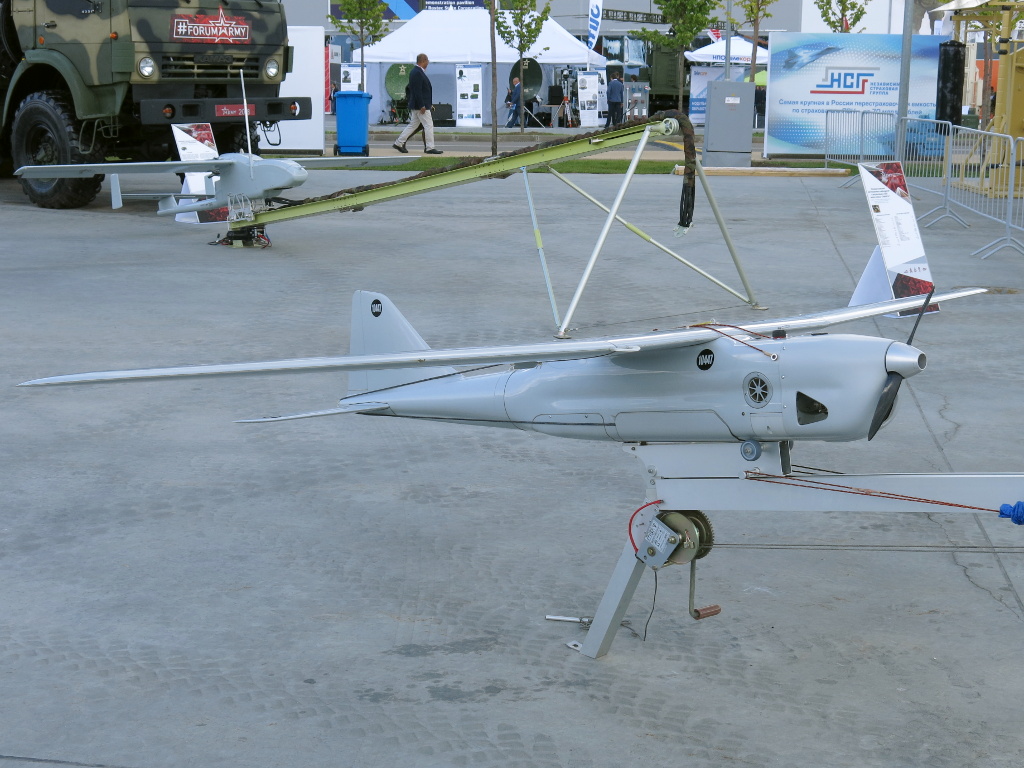
Russia's Orlan-10: The Drone That Tells Artillery Where to Shoot
The Orlan-10 has been Russia's most-deployed tactical UAV since the 2014 Donbas conflict — a catapult-launched reconnaissance and artillery-spotting platform built almost entirely from Western and Chinese components, now surging out of a sanctioned St. Petersburg factory at 53 times its pre-war rate.
-
Defense & Combat
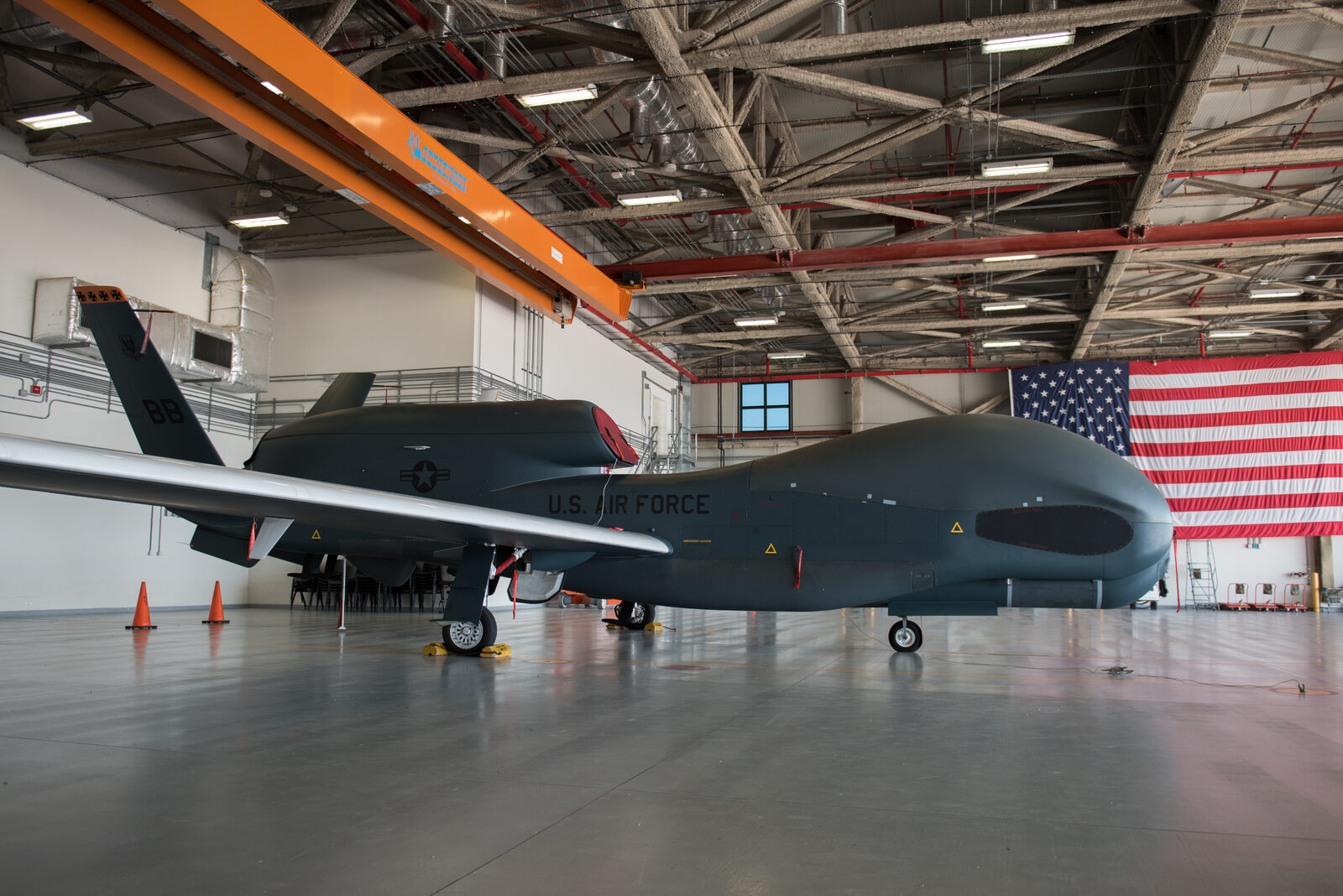
RQ-4 Global Hawk and MQ-4C Triton: America's Eyes at 60,000 Feet, Explained
The RQ-4 Global Hawk and MQ-4C Triton are the U.S. military's primary high-altitude, long-endurance ISR platforms — one headed for retirement after a decade of Congressional standoffs, the other cementing its role as the Navy's maritime surveillance backbone through the 2030s.
-
Defense & Combat
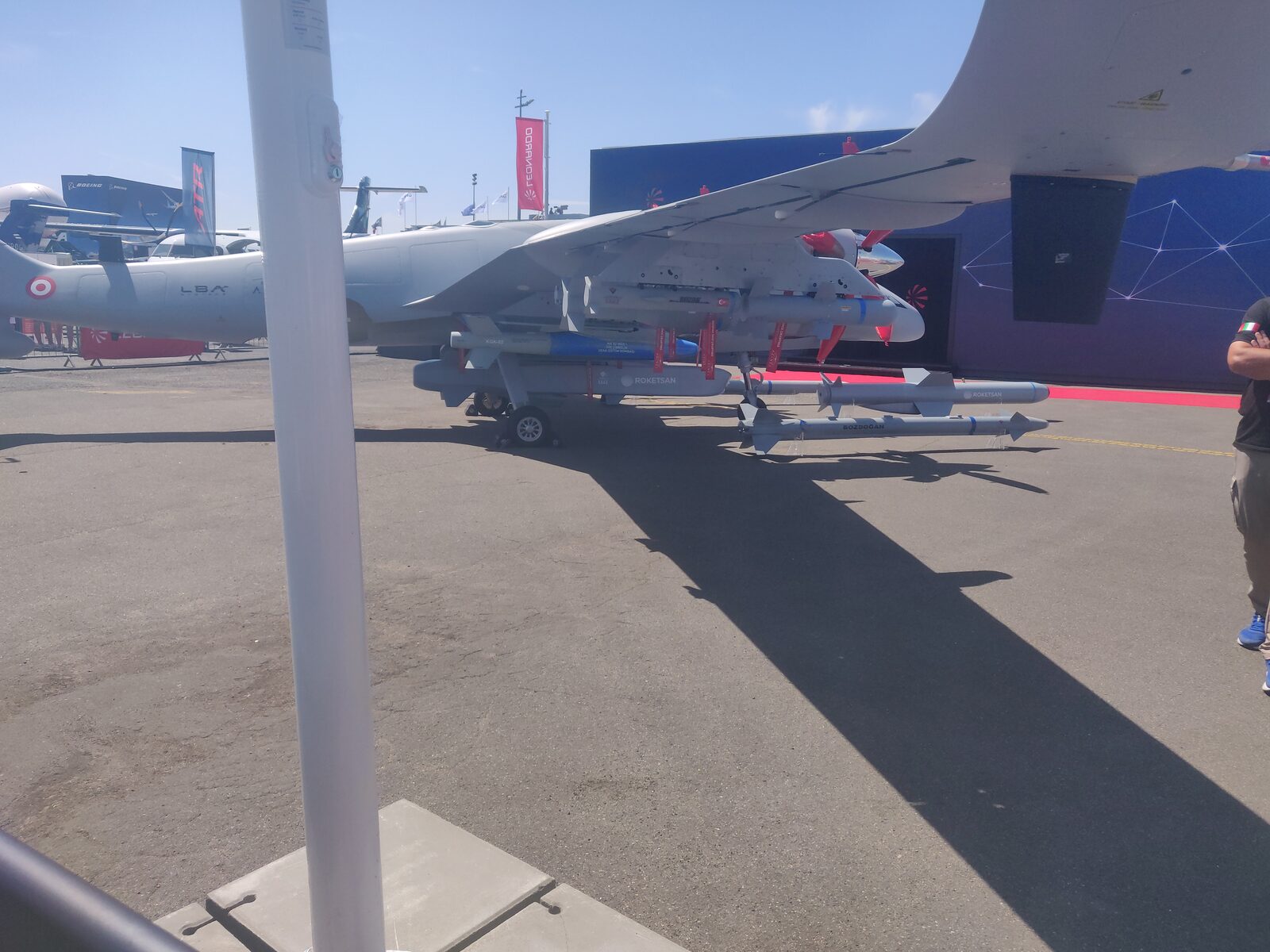
Beyond the TB2: Turkey's Akinci and Aksungur Redefine the UCAV Export Tier
The Bayraktar TB2 put Turkey on the drone map, but two larger platforms—Baykar's Akinci UCAV and TAI's Aksungur—represent the next tier of Turkish strike capability, now operating in more than a dozen countries and carrying cruise missiles and air-launched drones.
-
Tech & Builds
Who Pulls the Trigger? The AI Targeting and Autonomous Weapons Debate, Explained
From DoD Directive 3000.09's misunderstood three-tier framework to Ukraine's jamming-resistant FPV drones, this explainer maps the legal, ethical, and battlefield fault lines in the global debate over lethal autonomous weapons.
-
Tech & Builds
What 'Autonomous Drone' Actually Means: A Field Guide to the Spectrum
The word 'autonomous' covers everything from a DJI's return-to-home button to a 103-drone swarm with no designated leader. Five competing frameworks — NIST ALFUS, LORA, SAE-adapted, DoD's loop taxonomy, and Exyn's aerial scale — each illuminate something different about a genuinely hard engineering problem.
-
Tech & Builds
The 30-Minute Wall: Why Drone Endurance Is a Battery Physics Problem
Most commercial multirotors top out at 20–40 minutes per charge — a ceiling set by electrochemistry, not engineering ambition. Here's what actually limits drone endurance and what hydrogen, semi-solid cells, and smarter charging infrastructure are doing about it.
-
Tech & Builds
What a Drone Can Do Depends Entirely on What You Hang Under It
The airframe is a delivery vehicle. The payload is the mission. A field guide to EO/IR cameras, LiDAR, SAR, hyperspectral imagers, gas sensors, SIGINT receivers, and the physics of endurance tradeoffs that govern every payload decision.
-
Tech & Builds
eVTOL, Drone, UAV, UAS, RPAS: A Precise Guide to Six Terms That Aren't Interchangeable
Six overlapping terms describe aircraft that fly without an on-board human — or sometimes with one. Which label applies determines which regulations govern you, how DoD classifies a platform, and whether a Joby air taxi is legally a drone at all.
-
Tech & Builds
Glass Wire: How Fiber-Optic Links Are Defeating Electronic Warfare on Drone Battlefields
Spooled glass fiber thinner than a human hair has rendered million-dollar jamming systems irrelevant on the drone battlefield. Here is how fiber-optic FPV drones work, why their physics make them immune to radio-frequency attack, and what their real limits are.
-
Tech & Builds
How Drones Navigate When GPS Is Gone: The Full Toolkit
Russian jamming dropped FPV hit rates from 40–60% to under 30%. Ukraine's response accelerated every GPS-denied navigation technique in the book — from inertial sensors and visual odometry to quantum magnetometers and $50 autonomy modules. Here's how each layer works.
-
Tech & Builds
Beyond the 30-Minute Wall: How Hydrogen and Hybrid Power Are Reshaping Drone Endurance
Lithium batteries cap most drones at 30–45 minutes. Hydrogen fuel cells and gas-electric hybrids are dismantling that ceiling — with certified hardware entering commercial and military catalogs, though storage infrastructure remains the stubborn bottleneck.
-
Commercial & Delivery
Tethered Drones: The Persistent Aerial Mast Redefining Overwatch
Unlike battery-powered UAS that fly to a destination, tethered drones hover over one — drawing continuous ground power through a Kevlar-reinforced tether to deliver days of unbroken ISR, secure fiber-optic data, and jamming-immune comms relay that free-flying platforms simply cannot match.

Page 66 of 72
