
All articles
-
Defense & Combat
Venezuela's 2018 Caracas Drone Attack: First Confirmed UAS Assassination Attempt
On August 4, 2018, two commercially available DJI Matrice 600 hexacopters loaded with C-4 targeted Venezuelan President Nicolás Maduro at a military parade in Caracas — the first confirmed drone assassination attempt against a sitting head of state, executed for roughly $10,000 in off-the-shelf hardware.
-
Counter-UAS
Counter-UAS at Airports: Why the U.S. Still Can't Stop a Gatwick-Style Closure
The 2018 Gatwick drone incident cost airlines £50 million and stranded 110,000 passengers — and the perpetrators were never found. Five years on, U.S. airports face hundreds of incursions annually while the FAA still cannot neutralize a drone on its own. Here's how the technology and authority fit together.
-
Counter-UAS
Drones Over the Wall: How Aerial Contraband Became a Global Prison Crisis
In a single year, Georgia's Department of Corrections linked drones to $7 million in contraband and 876 confiscated cell phones. Drone sightings at UK prisons rose 770% in four years. This is the legal, technical, and operational battle to stop aerial smuggling — and why it took so long to begin.
-
Counter-UAS
Counter-UAS for Stadiums and Mass Events: How the U.S. Closes the Airspace Gap
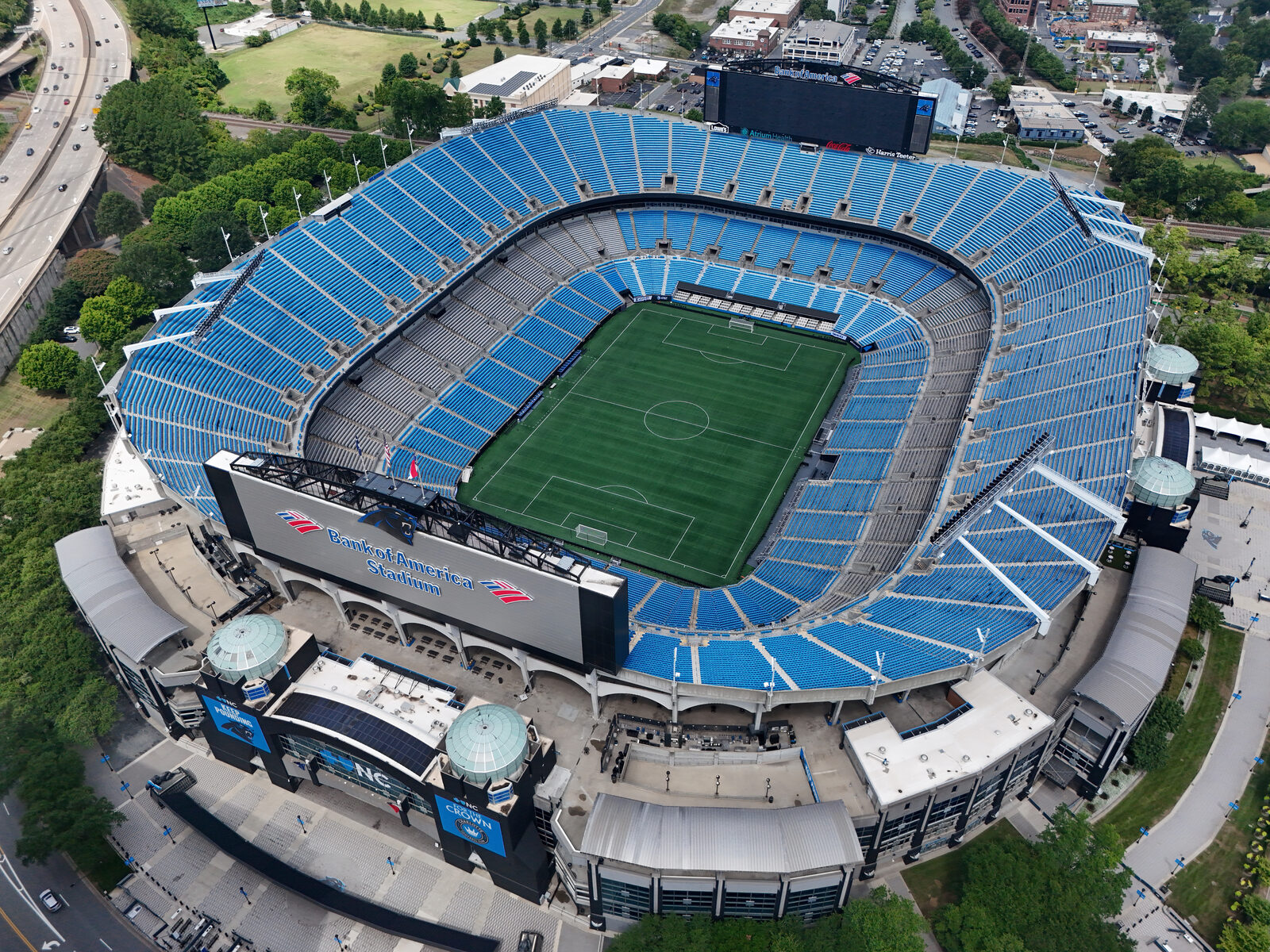
Federal no-fly zones have covered NFL stadiums for years, but local police could only watch unauthorized drones — not stop them. Here's how the legal authority gap developed, how the World Cup became a live test for the workaround, and what still isn't solved.
-
Counter-UAS
Soft Targets in the Air Age: The Drone Threat to U.S. Critical Infrastructure
From a copper-wire-rigged DJI Mavic to a C-4-loaded platform aimed at a Nashville substation, drone attacks on U.S. critical infrastructure have moved from theoretical to documented — yet 93% of nuclear sites, 90% of oil refineries, and most major airports remain without active counter-UAS protection.
-
Counter-UAS
DroneDNA and Sensor Fusion: Inside Dedrone’s Airspace Security Platform
Dedrone, now a division of Axon after a 2024 acquisition, has spent a decade building passive RF detection infrastructure deployed at military bases, airports, stadiums, and prisons across six G7 governments. Understanding where detection ends and the legal wall against mitigation begins is essential context for the C-UAS market.
-
Counter-UAS
What a Seized Drone Tells Investigators — and What It Doesn’t
From encrypted GPS logs and chip-off hardware extraction to battlefield component teardowns linking Shahed drones to U.S. suppliers, drone forensics has become a critical investigative discipline — one still building its standards as the threat accelerates.
-
Counter-UAS
DroneGun-Class Jammers: How Handheld RF Disruptors Work — and Who Can Legally Use Them
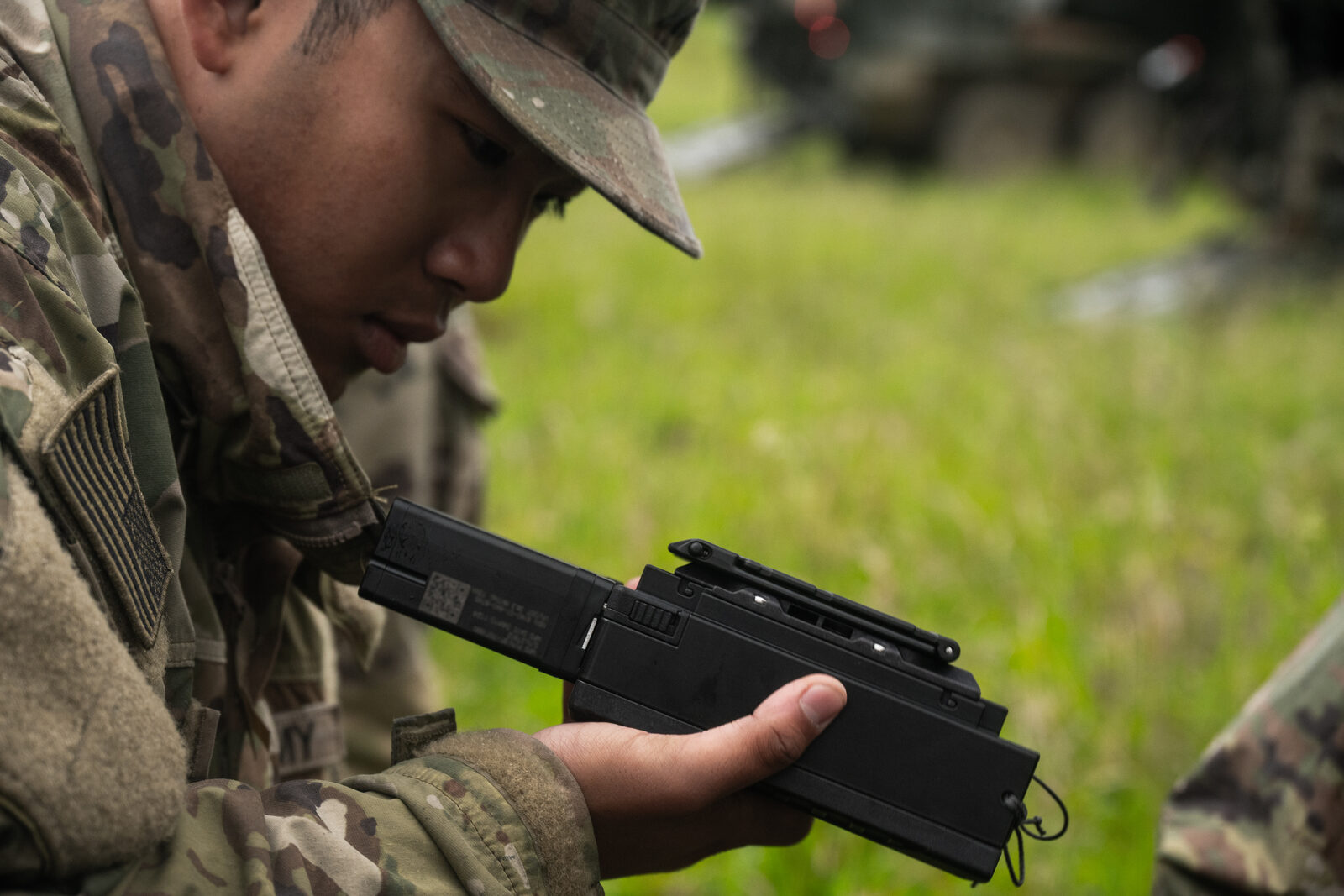
Handheld RF jammers like DroneShield's DroneGun Mk4 can force a drone into a controlled landing — a capability Ukraine has deployed by the thousands against Russian FPV attacks. In the United States, federal statute locks this technology behind a short list of federal agencies.
-
Counter-UAS
Fortem DroneHunter F700: The Autonomous Net-Catcher Closing the Jammer Gap
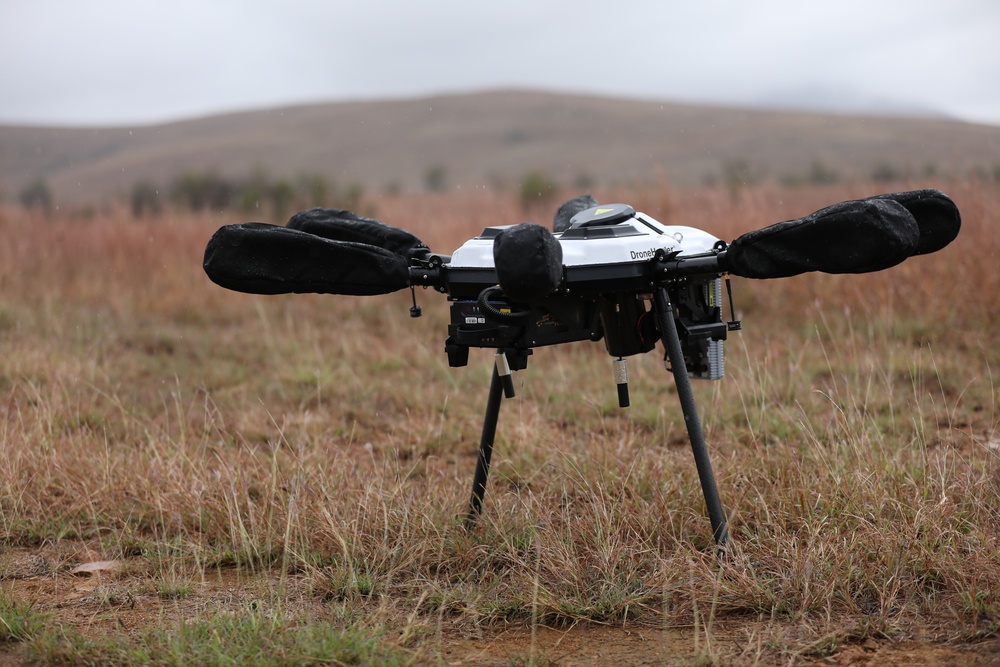
Fortem's DroneHunter F700 autonomously pursues hostile drones, fires tethered nets to capture them in flight, and tows the platform to a forensics zone — no explosives, no jamming. With 4,500+ captures, a Replicator 2 contract, and $25M from Lockheed Martin, it is the Pentagon's answer to GPS-waypoint threats that jammers cannot touch.
-
Counter-UAS
Geofencing and No-Fly Zones Explained: How Drone Airspace Controls Actually Work
On January 13, 2025, DJI stopped blocking its drones from flying into restricted airspace—ending a decade of hard firmware locks. Here is what replaced them: the FAA airspace stack, Remote ID enforcement, and where every layer of the system breaks down.
-
Counter-UAS
Leonidas Explained: How Epirus's High-Power Microwave System Kills Drone Swarms
Epirus's Leonidas achieved a 100% kill rate against 61 drones — including 49 in a single pulse — in a DoD demonstration. Here is how its solid-state GaN architecture works, what the Army and Marine Corps have bought, and where the technology stands today.
-
Industry & Contracts
AeroVironment: How a Glider Champion Built America's Tactical Drone Empire
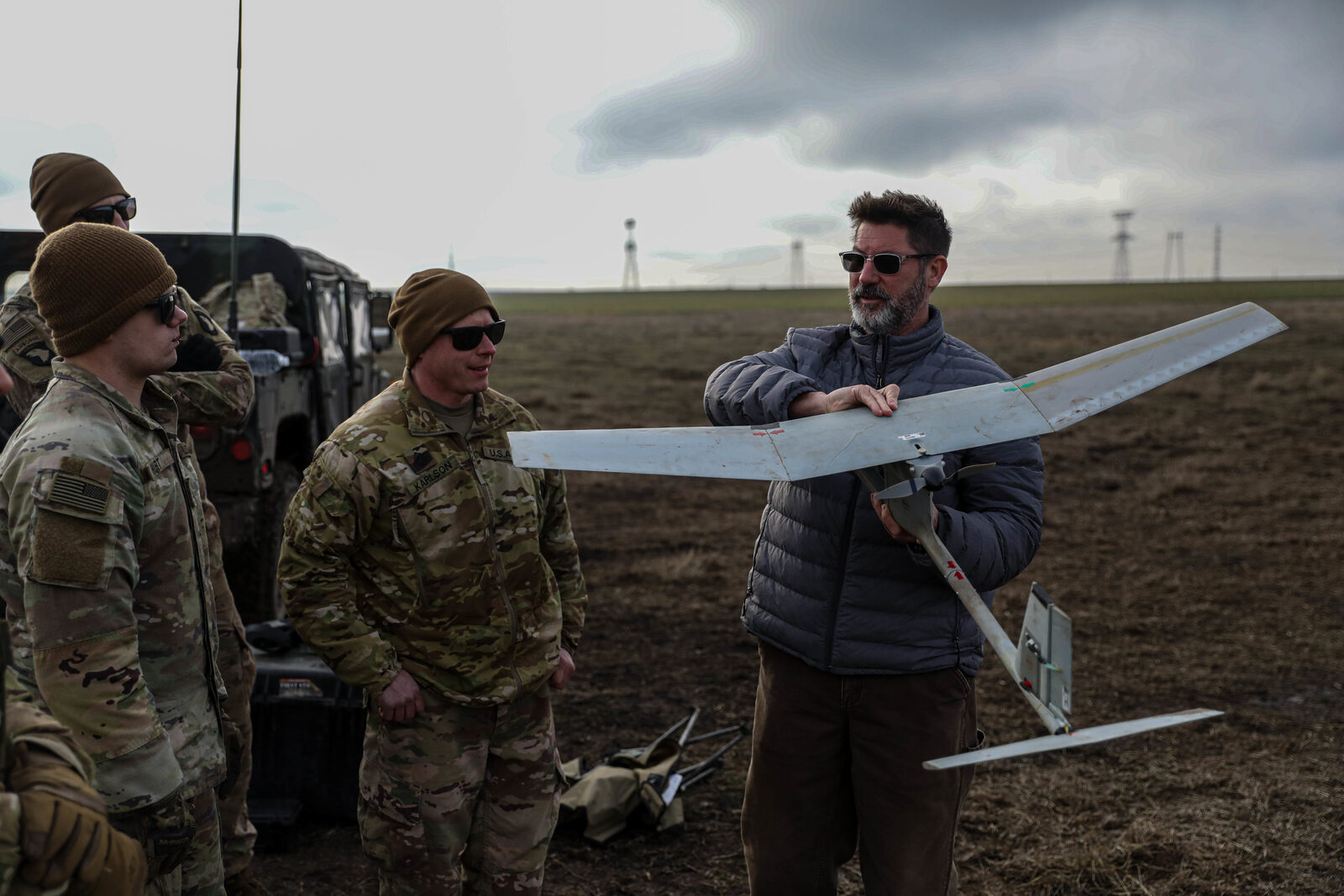
From Paul MacCready's human-powered aircraft to a $990 million Switchblade contract and a $4.1 billion BlueHalo merger, AeroVironment has quietly become the backbone of U.S. tactical UAS — and is now reshaping itself into a multi-domain defense-tech mid-prime.







Page 60 of 72
