
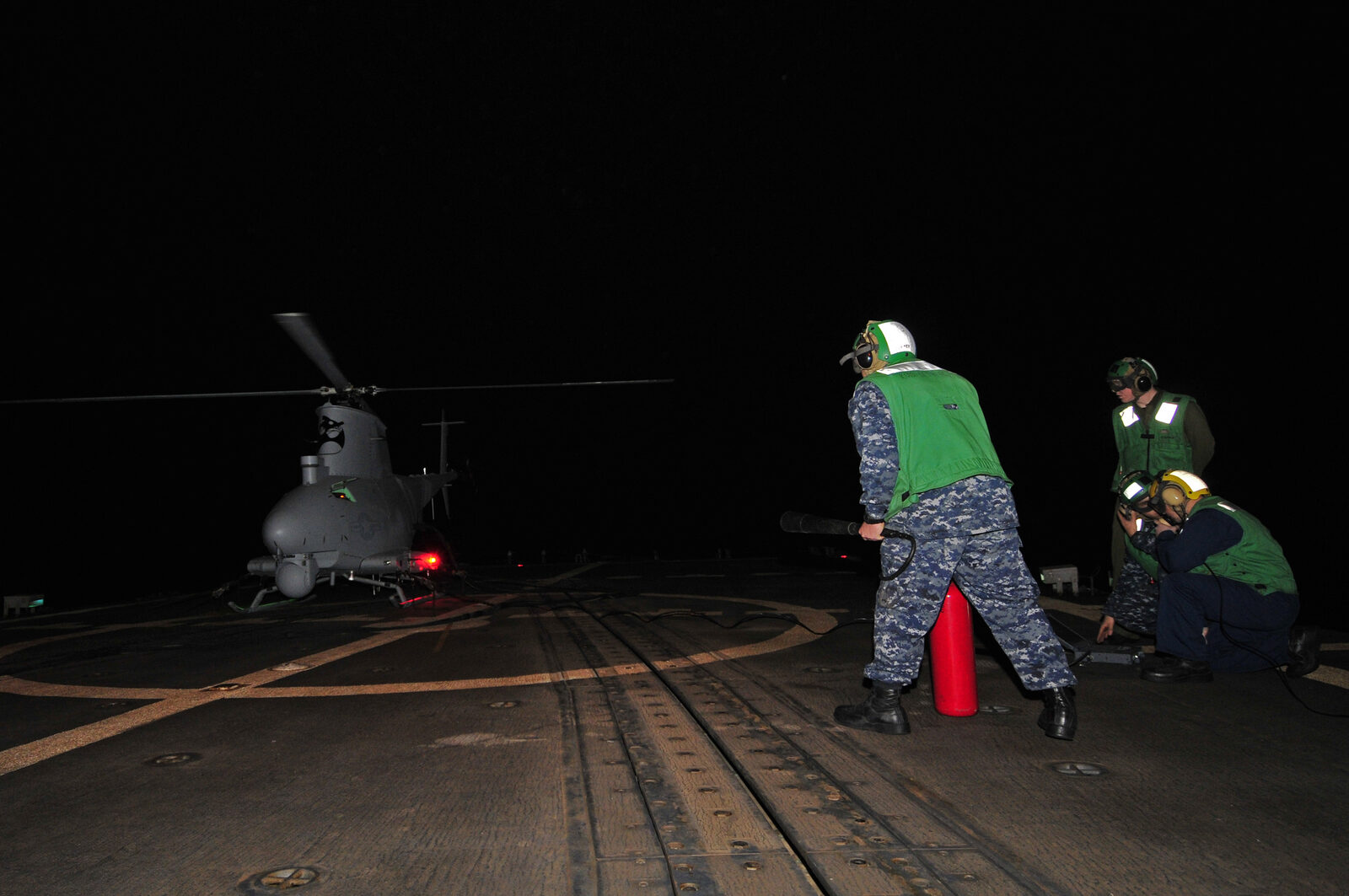
For the first five years Part 107 was on the books, every commercial drone flight after sundown required individual FAA approval. Operators submitted detailed procedures, waited weeks, and received time- and location-specific authorizations to perform activities that posed no materially novel risk over their daytime equivalents. That regime ended April 21, 2021.
A Prohibition Written Into the Foundation
Part 107 took effect August 29, 2016. Section 107.29, then titled “Daylight operation,” imposed a categorical bar on UAS flights between the end of evening civil twilight and the beginning of morning civil twilight without a waiver under §107.205. The FAA’s logic held for the era: small UAS were new entrants in the national airspace, their visibility to manned aircraft was unproven, and their operators were newly certificated. Waivers let the agency accumulate safety data under controlled conditions.
The demand told its own story. The waiver regime imposed a substantial administrative burden on operators and the agency alike, applied to workhorse activities like infrastructure inspection, real estate imaging, and public safety support that, in practice, presented risks comparable to their daytime equivalents.
Two Conditions Replace a Bureaucracy
The FAA published the final rule on January 15, 2021, bundled with the “Operations Over People” package that simultaneously unlocked routine flights over moving vehicles and people — three waiver-required categories addressed in a single rulemaking. The rule took effect April 21, 2021. All §107.29 waivers issued under the prior regime terminated on May 17, 2021.
“This final rule amends part 107 by permitting routine operations of small unmanned aircraft over people, moving vehicles, and at night under certain conditions.” — Federal Register, 86 FR 4382 (Jan. 15, 2021)
The amended §107.29(a) sets two conditions for night flight. First, the remote pilot in command must have completed an initial knowledge test or training under §107.65 after April 6, 2021; pilots certificated or recurrently trained before that date must complete updated training that includes a night operations module before flying after dark. Second, the aircraft must carry anti-collision lighting visible for at least 3 statute miles with a flash rate sufficient to avoid a collision.
The rule also replaced in-person recurrent testing every 24 calendar months with an online recurrent training course. As Wiley Law observed, “The final rules replaced the previous requirement to take recurrent tests with a rule requiring only recurrent training.”
Civil twilight receives its own treatment under §107.29(b): the same 3-statute-mile anti-collision lighting standard applies during twilight even though the training gate does not. Section 107.29(c) defines morning civil twilight as the 30-minute window before official sunrise; evening civil twilight runs from sunset to 30 minutes after official sunset. Alaska uses the Air Almanac definition — civil twilight ends when the sun sits 6 degrees or less below the horizon. For operators, the practical consequence is that the lighting requirement activates before full darkness, during the golden-hour windows most prized by aerial photographers and the low-light conditions most critical to first-responder searches at dusk.
The 3-Mile Strobe Problem
The lighting standard is more demanding than it sounds. Anti-collision lights must flash — not emit a steady beam — at a rate sufficient to avoid a collision. Typical navigation lights integrated into consumer drones generally do not meet the 3-statute-mile visibility threshold. The regulation is unambiguous: “The small unmanned aircraft has lighted anti-collision lighting visible for at least 3 statute miles that has a flash rate sufficient to avoid a collision.”
The rule includes one narrow relief valve. The remote pilot in command may reduce the intensity of anti-collision lighting but may not extinguish it unless operating conditions make extinguishment the safer choice: “The remote pilot in command may reduce the intensity of, but may not extinguish, the anti-collision lighting if he or she determines that, because of operating conditions, it would be in the interest of safety to do so.” Operators must therefore verify their aircraft carries a compliant aftermarket strobe before any night or civil twilight flight. LAANC was updated to support night operations requests, letting pilots specify operating hours in airspace authorization applications alongside altitude parameters.
What Still Requires a Waiver
The 2021 reform narrowed the waiver universe without eliminating it. Under §107.205, the anti-collision lighting requirement — specifically §107.29(a)(2) and (b) — is waivable. The training requirement is not.
The clearest persistent case is drone light shows. As attorney Jonathan Rupprecht, who managed more than 120 night waiver approvals under the prior regime, explained, light shows cannot comply because the regulation requires flashing lights while shows require them off: “to do a drone light show, you would need to turn off all of the lights.” Show operators must obtain a §107.205 waiver of the lighting provisions.
Other remaining waiver categories include micro-drones too small to carry a compliant 3-statute-mile strobe and wildlife monitoring operations where flashing lights would disturb animals under observation. Recreational pilots fall outside Part 107 altogether and must comply with FAA-recognized Community-Based Organization guidelines — most of which mirror the 3-statute-mile strobe standard for night operations.
The operators who gained the most from the 2021 reform were public safety agencies, which can now deploy thermal-equipped drones for nighttime searches and perimeter surveillance without multi-week waiver delays. Civil penalties for non-compliance remain substantial — up to $75,000 per violation, with potential suspension or revocation of the Part 107 certificate — so the shift freed legitimate operators without softening enforcement. Standard Part 107 airspace parameters apply in full at night: 3 statute miles flight visibility, 500-foot vertical cloud separation, 2,000-foot horizontal cloud clearance, and unaided visual line of sight. BVLOS rulemaking remains the next open frontier.
Sources
- Cornell LII — 14 CFR §107.29 (Operation at night)
- Rupprecht Law — Part 107.29: How to Fly a Drone at Night (Waiver)
- Pilot Institute — Flying a Drone at Night
- DroneFly — Drone Flying at Night: FAA Rules, Lighting Requirements, and Penalties
- OpenExamPrep — FAA Part 107: Night Operations
- Wiley Law — FAA Adopts Final Rules for UAS Remote ID, Flights over People, and at Night
- JM Peltier — Drone Night Flying Rules: Part 107
