Northrop Grumman
Every UASFeed story on Northrop Grumman — across defense, counter-UAS, industry, commercial, policy, and tech, newest first.
-
Tech & Builds
Dead Zone Autonomy: How Edge AI Keeps Drones Flying When GPS and Comms Disappear
Russian electronic warfare can blank GPS within 5 kilometers of deployment. Shield AI’s president says 99% of military autonomous systems fail under jamming. The solution — running perception, navigation, and targeting entirely on the drone — is now combat-proven.
-
Tech & Builds
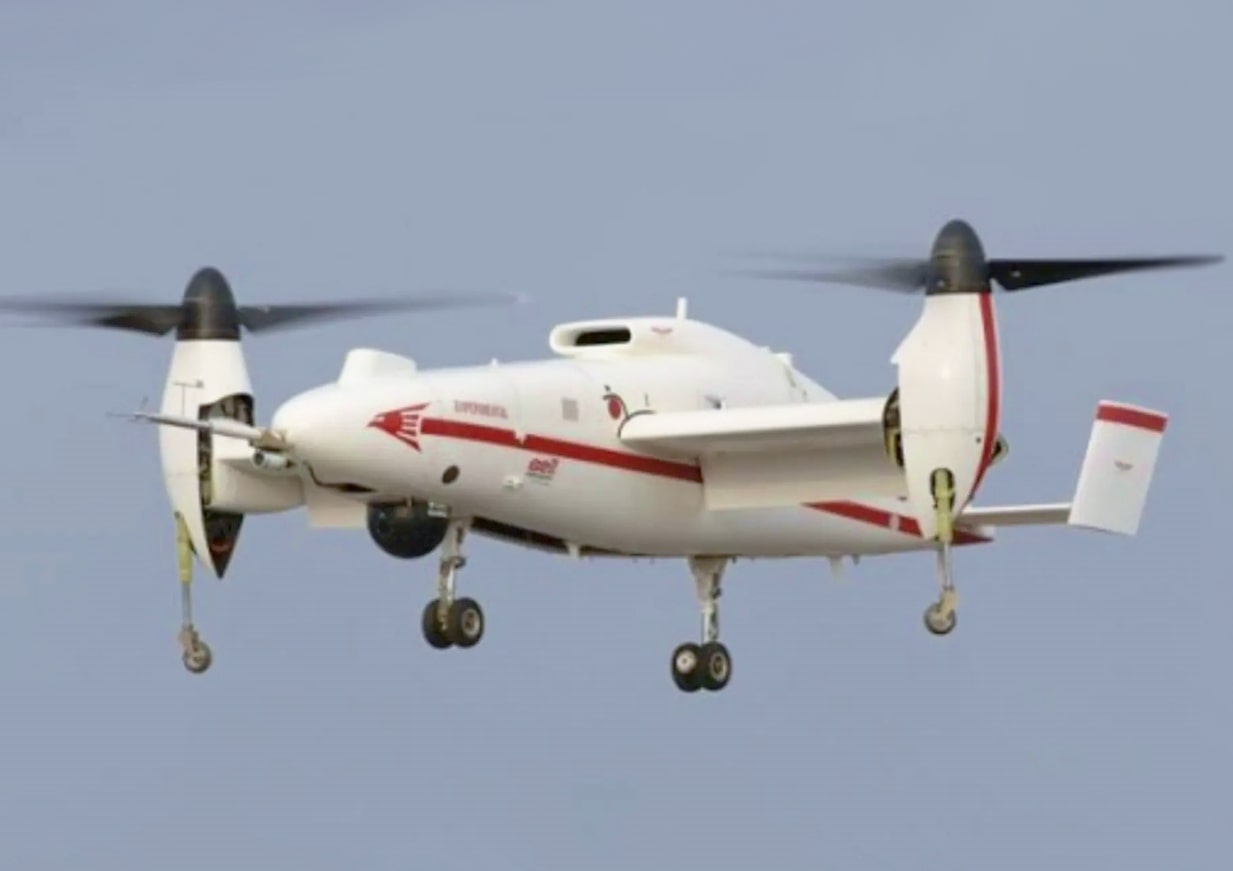
Tilt-Rotor, Tailsitter, and Ducted-Fan Drones: The VTOL Hover-Cruise Trade-Off
Every VTOL aircraft must reconcile two contradictory physics demands: hover requires high blade area and tip speed, while forward flight requires the opposite. Tilt-rotor, tailsitter, and ducted-fan architectures each place their bets differently — with lasting consequences for military range and noise compliance.
-
Counter-UAS
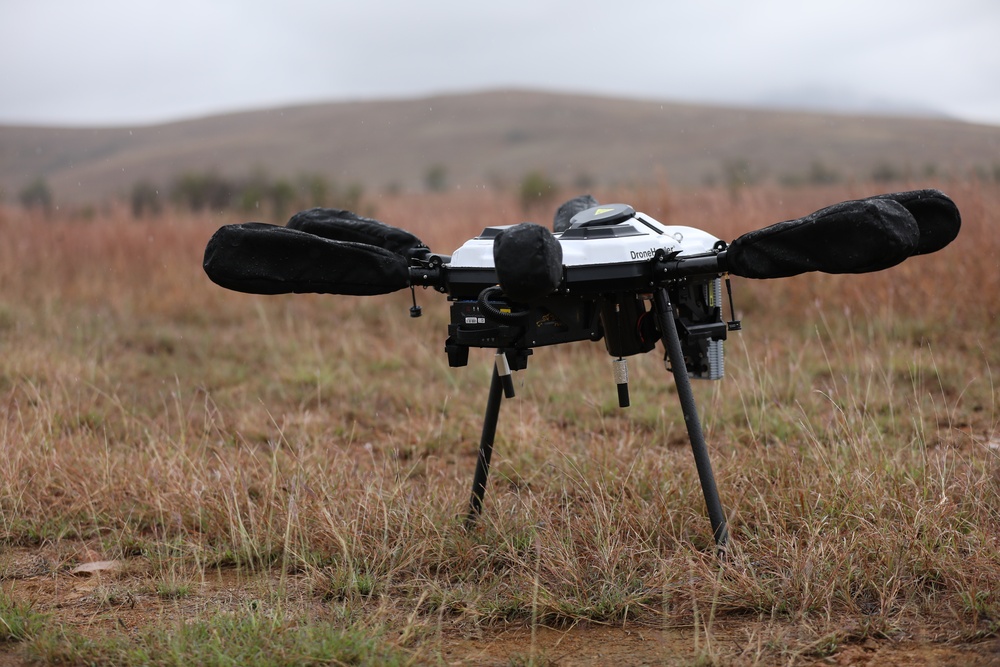
Fortem DroneHunter F700: The Autonomous Net-Catcher Closing the Jammer Gap
Fortem's DroneHunter F700 autonomously pursues hostile drones, fires tethered nets to capture them in flight, and tows the platform to a forensics zone — no explosives, no jamming. With 4,500+ captures, a Replicator 2 contract, and $25M from Lockheed Martin, it is the Pentagon's answer to GPS-waypoint threats that jammers cannot touch.
-
Counter-UAS
Leonidas Explained: How Epirus's High-Power Microwave System Kills Drone Swarms
Epirus's Leonidas achieved a 100% kill rate against 61 drones — including 49 in a single pulse — in a DoD demonstration. Here is how its solid-state GaN architecture works, what the Army and Marine Corps have bought, and where the technology stands today.
-
Defense & Combat
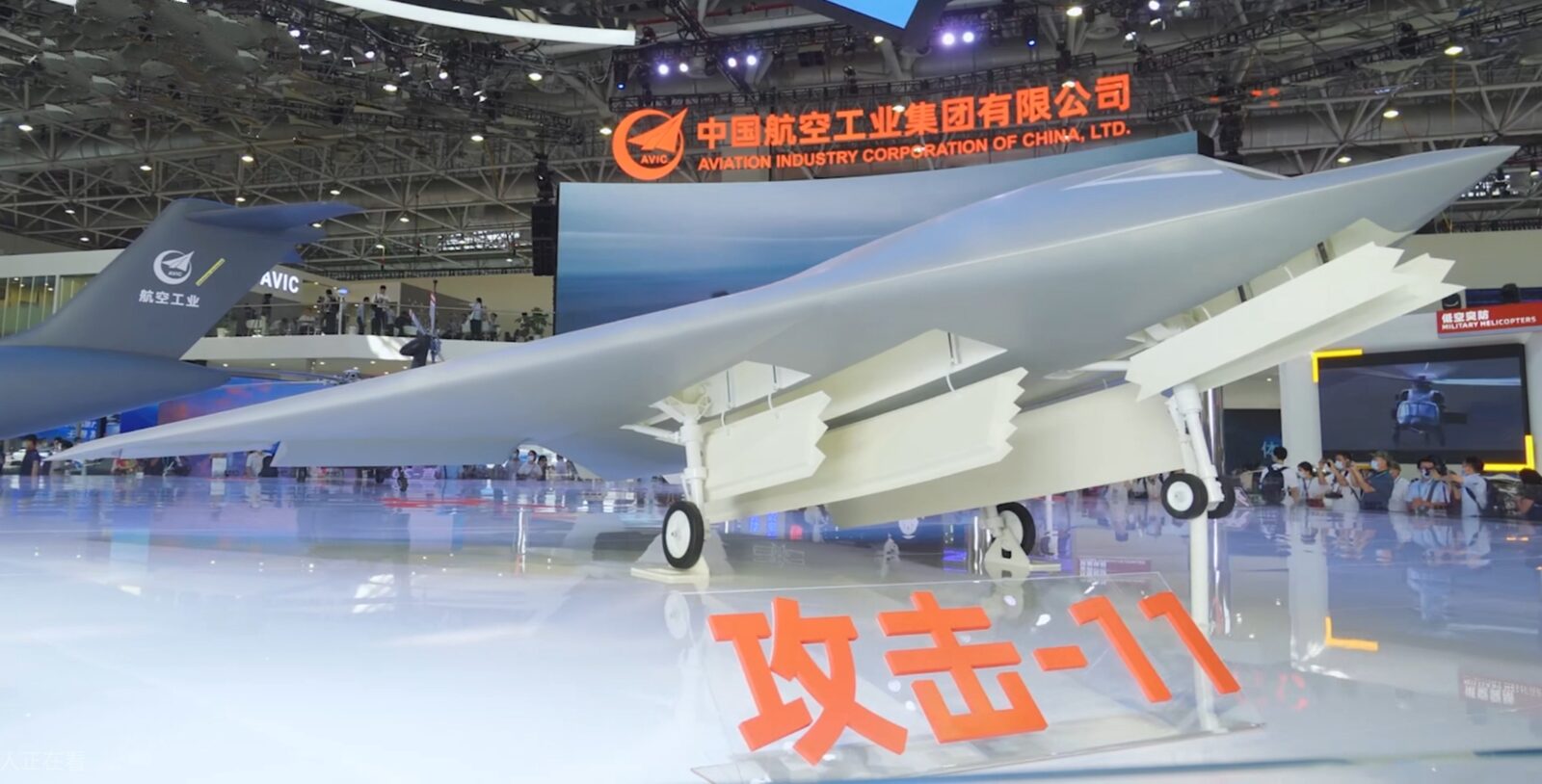
China's GJ-11 Sharp Sword: From Stealth Prototype to Deployed Combat Drone
China's GJ-11 'Sharp Sword' flying-wing stealth UCAV has moved from a 2013 technology demonstrator to official PLAAF formation footage, high-altitude border deployments, and a folding-wing carrier variant. A full technical breakdown of the world's most advanced non-NATO stealth combat drone.
-
Defense & Combat
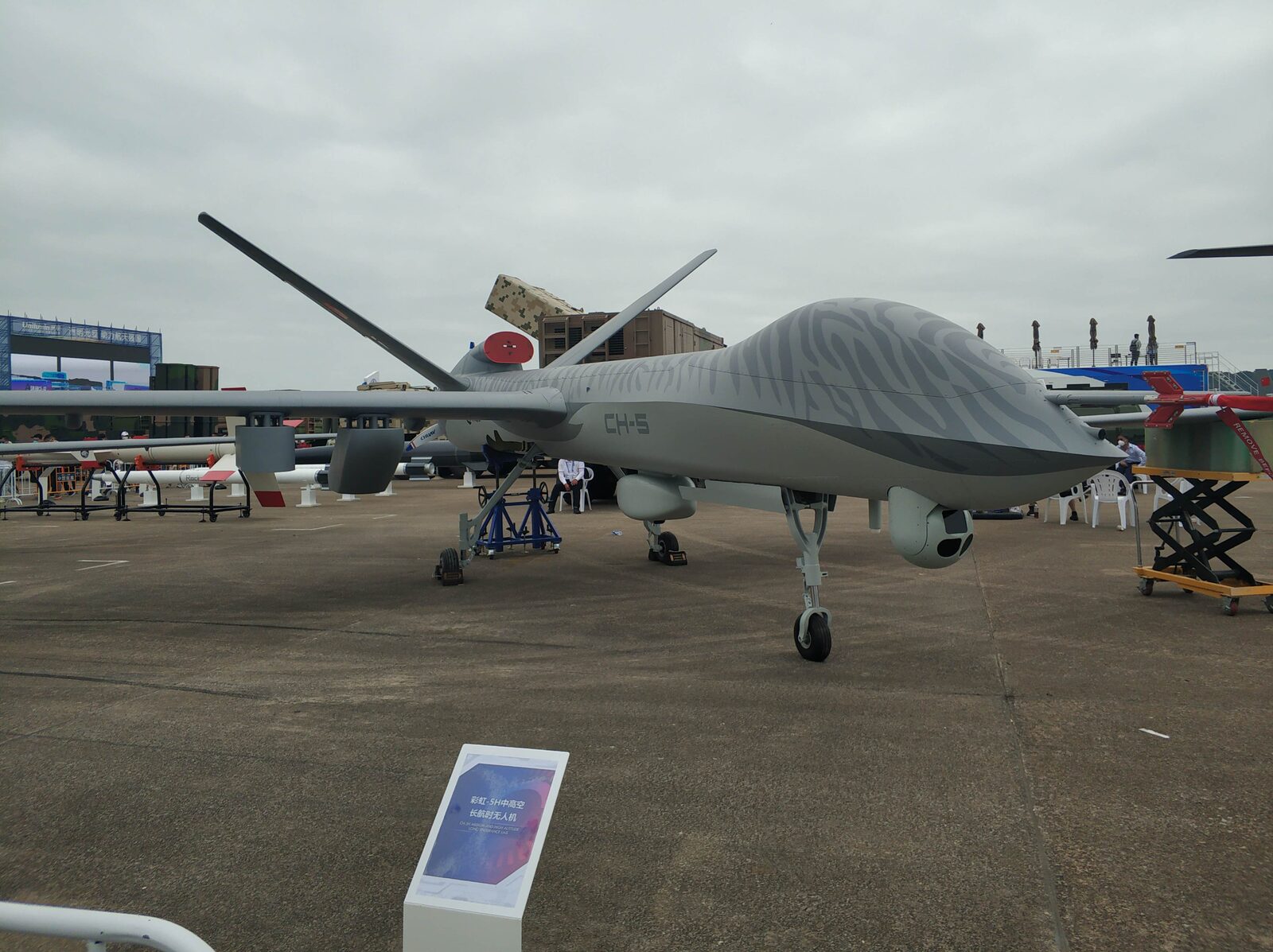
Wing Loong and Rainbow: China's MALE Drone Arsenal Explained
China's AVIC and CASC have placed combat-capable MALE drones in more than a dozen countries Washington would never supply. Here's how the Wing Loong and Rainbow (CH) families compare, what they've done in combat, and why they keep winning export contracts.
-
Defense & Combat
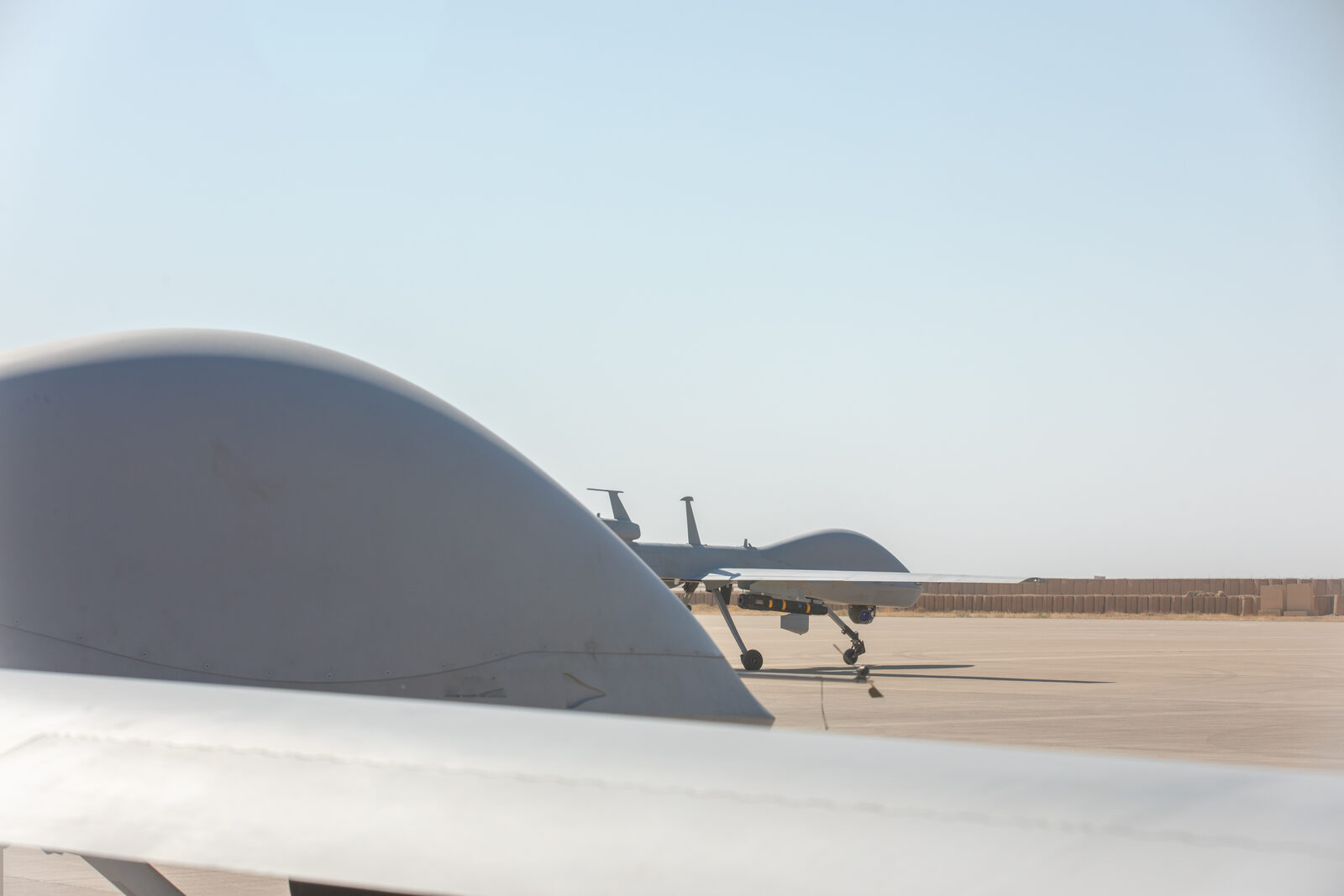
MQ-1C Gray Eagle: The Army's Only MALE Drone, Caught Between Congress and Obsolescence
The MQ-1C Gray Eagle is the U.S. Army's sole medium-altitude long-endurance drone — a Predator descendant rebuilt around Army logistics, manned-unmanned teaming, and ground-force integration. Now Congress and Army leadership are openly fighting over whether it has a future.
-
Defense & Combat
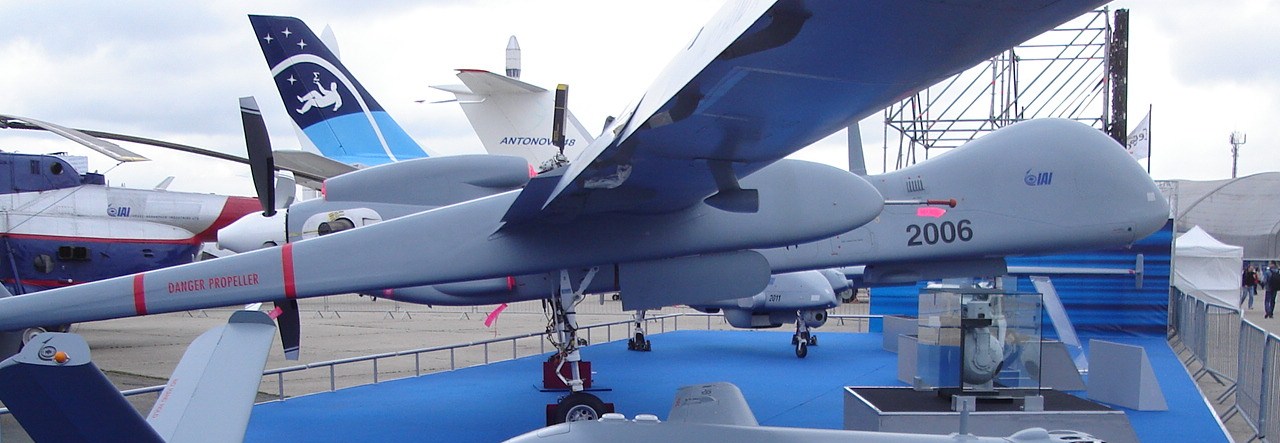
IAI Heron and Heron TP (Eitan): Inside Israel's Dominant MALE/HALE Drone Dynasty
From a fiberglass Scout that dismantled Syrian SAM batteries in 1982 to a 26-meter turboprop platform operating above commercial airspace today, Israel's Heron family traces the arc of modern persistent ISR — and why Israel controlled 61% of global drone exports for three decades.
-
Defense & Combat
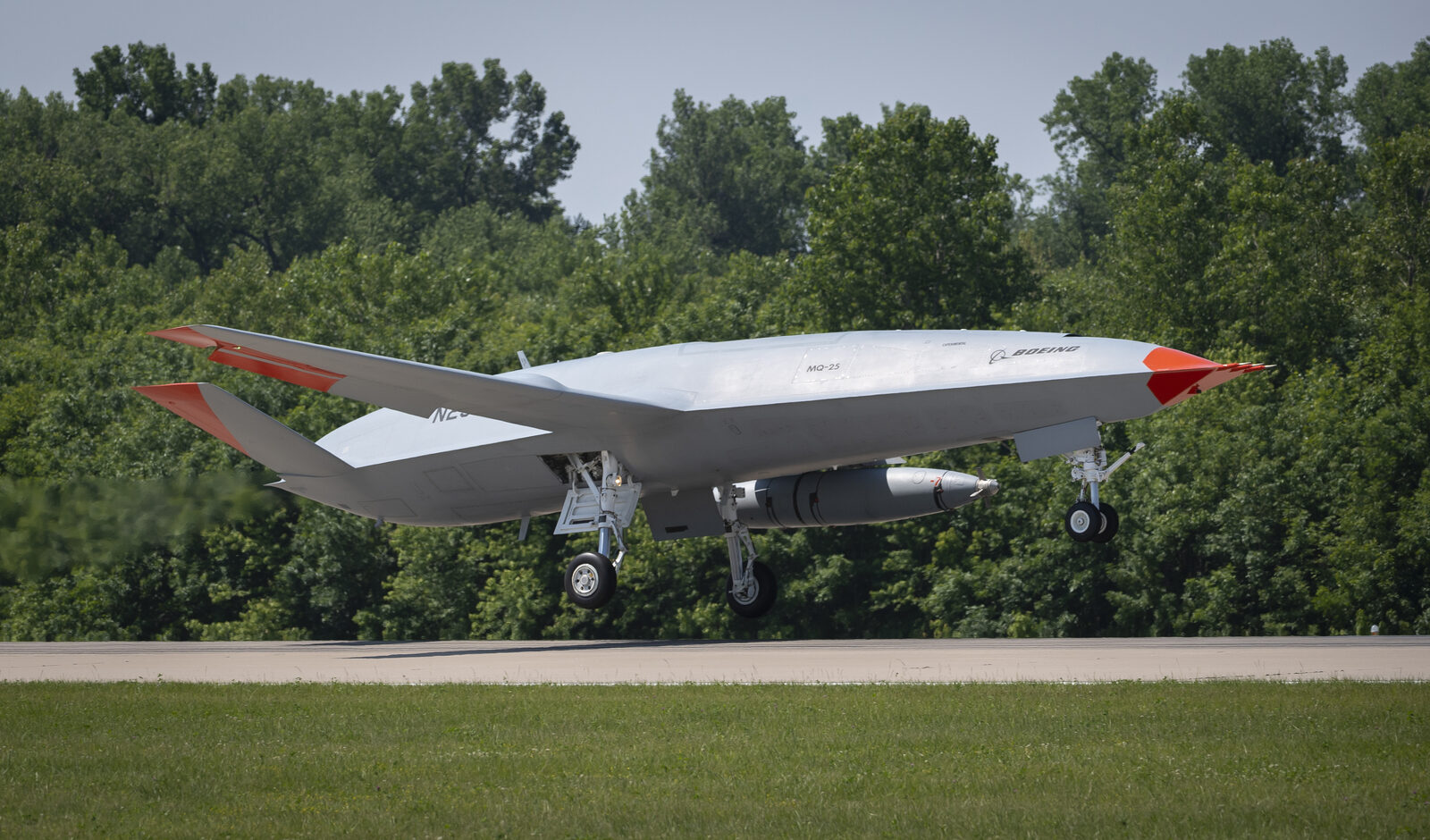
MQ-25 Stingray: How the Navy's First Carrier Drone Solves a Decades-Old Tanker Problem
The MQ-25A Stingray is the U.S. Navy's first operational carrier-based unmanned aircraft — a purpose-built aerial tanker that doubles the combat radius of F/A-18s and F-35Cs while freeing multiple fighters per air wing from buddy-tanker duty.
-
Defense & Combat
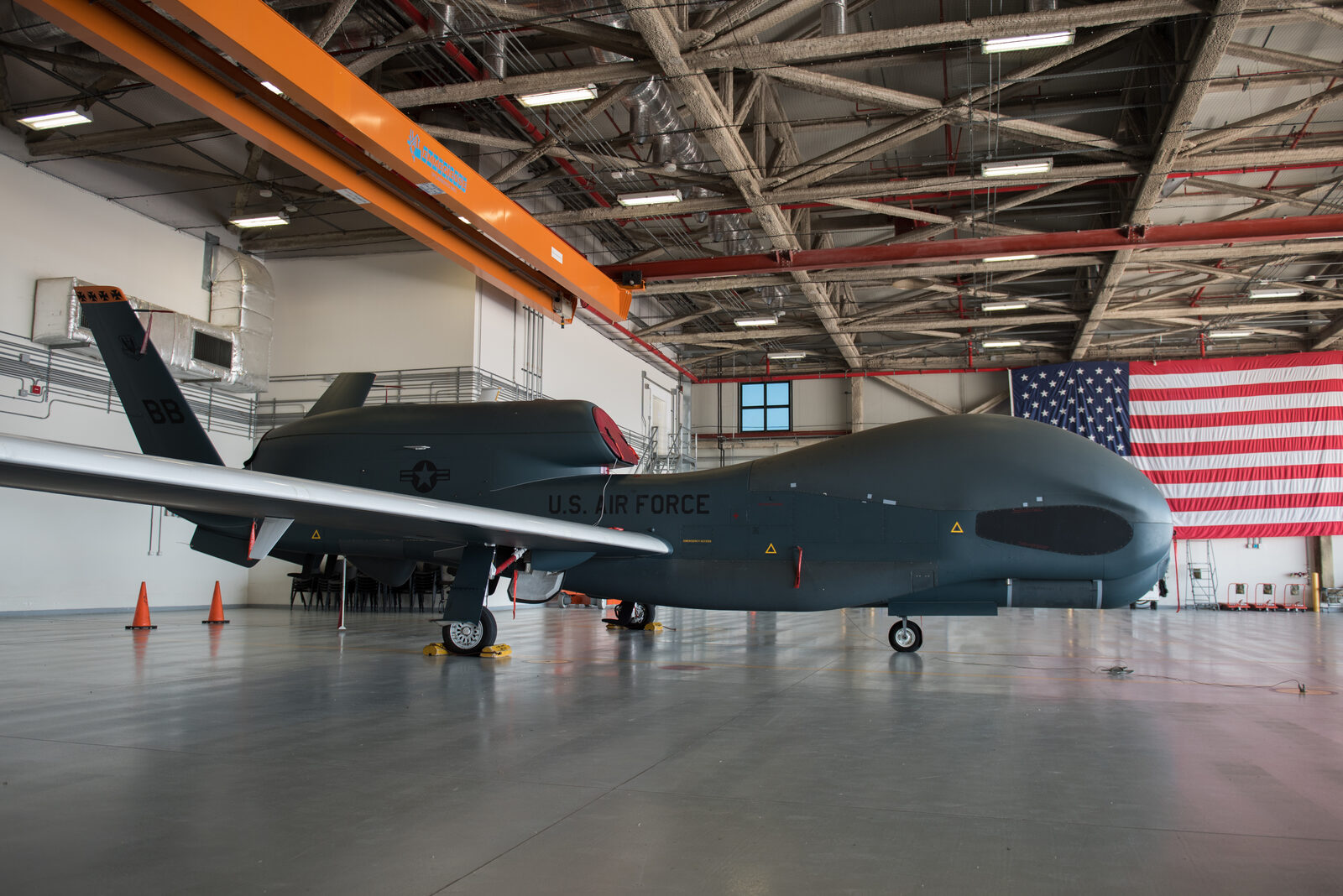
RQ-4 Global Hawk and MQ-4C Triton: America's Eyes at 60,000 Feet, Explained
The RQ-4 Global Hawk and MQ-4C Triton are the U.S. military's primary high-altitude, long-endurance ISR platforms — one headed for retirement after a decade of Congressional standoffs, the other cementing its role as the Navy's maritime surveillance backbone through the 2030s.
-
Counter-UAS
Golden Dome Explained: The $1.2 Trillion Bet on Space-Based Missile Defense
Trump's Golden Dome extends U.S. homeland missile defense from rogue-state ICBMs to cruise missiles and drones — but a CBO projection of $1.2 trillion over 20 years, driven by a 7,800-satellite constellation that can only engage 10 missiles at once, exposes a gap between strategic ambition and reality.
-
Tech & Builds
What Makes a Drone Swarm: True Autonomy, Enabling Tech, and the C2 Gap
Most formations called 'drone swarms' aren't—they're centralized fleets, scripted salvos, or teleoperated aircraft. Here's what true swarm autonomy requires, which programs are closest, and why C2 software remains the binding constraint.