Northrop Grumman
Every UASFeed story on Northrop Grumman — across defense, counter-UAS, industry, commercial, policy, and tech, newest first.
-
Tech & Builds
DARPA Bets on Nuclear Waste to Give Drones 30-Year Endurance
DARPA's $3.37M "Rads to Watts" award puts Morgan State University in charge of turning Strontium-90 nuclear waste into radiovoltaic power cells aimed at giving drones and satellites decades of untethered flight.
-
Tech & Builds
DARPA-Backed SYMPHONEE Program Aims to Turn Nuclear Waste Into Decades-Long Drone Power
A Morgan State-led team is building SYMPHONEE, a Strontium-90 radiovoltaic cell under a $3.37M DARPA contract, targeting over 10 W/kg and decades of unattended power for drones and remote systems.
-
Tech & Builds
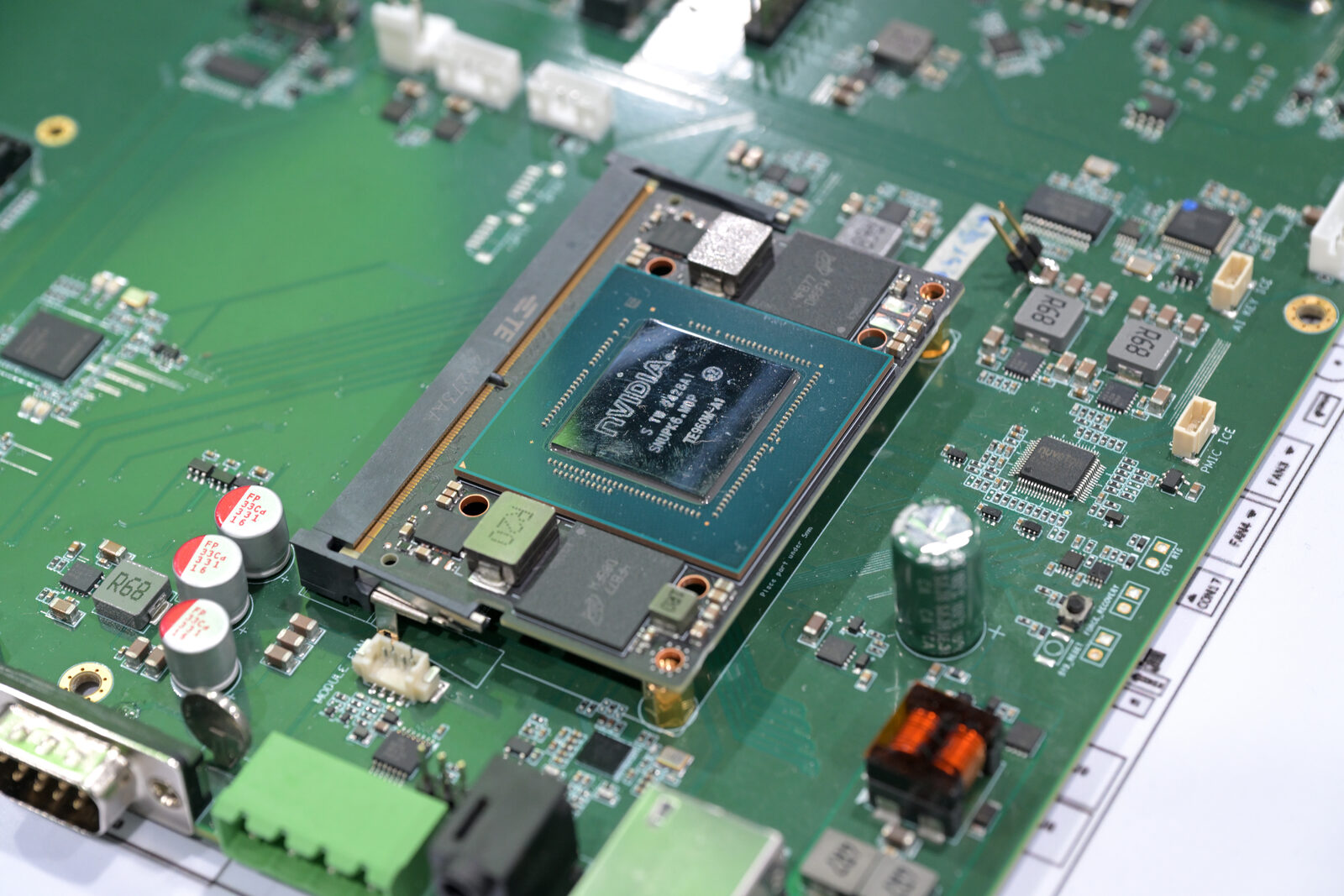
Dead Zone Autonomy: How Edge AI Keeps Drones Flying When GPS and Comms Disappear
Russian electronic warfare can blank GPS within 5 kilometers of deployment. Shield AI’s president says 99% of military autonomous systems fail under jamming. The solution — running perception, navigation, and targeting entirely on the drone — is now combat-proven.
-
Tech & Builds
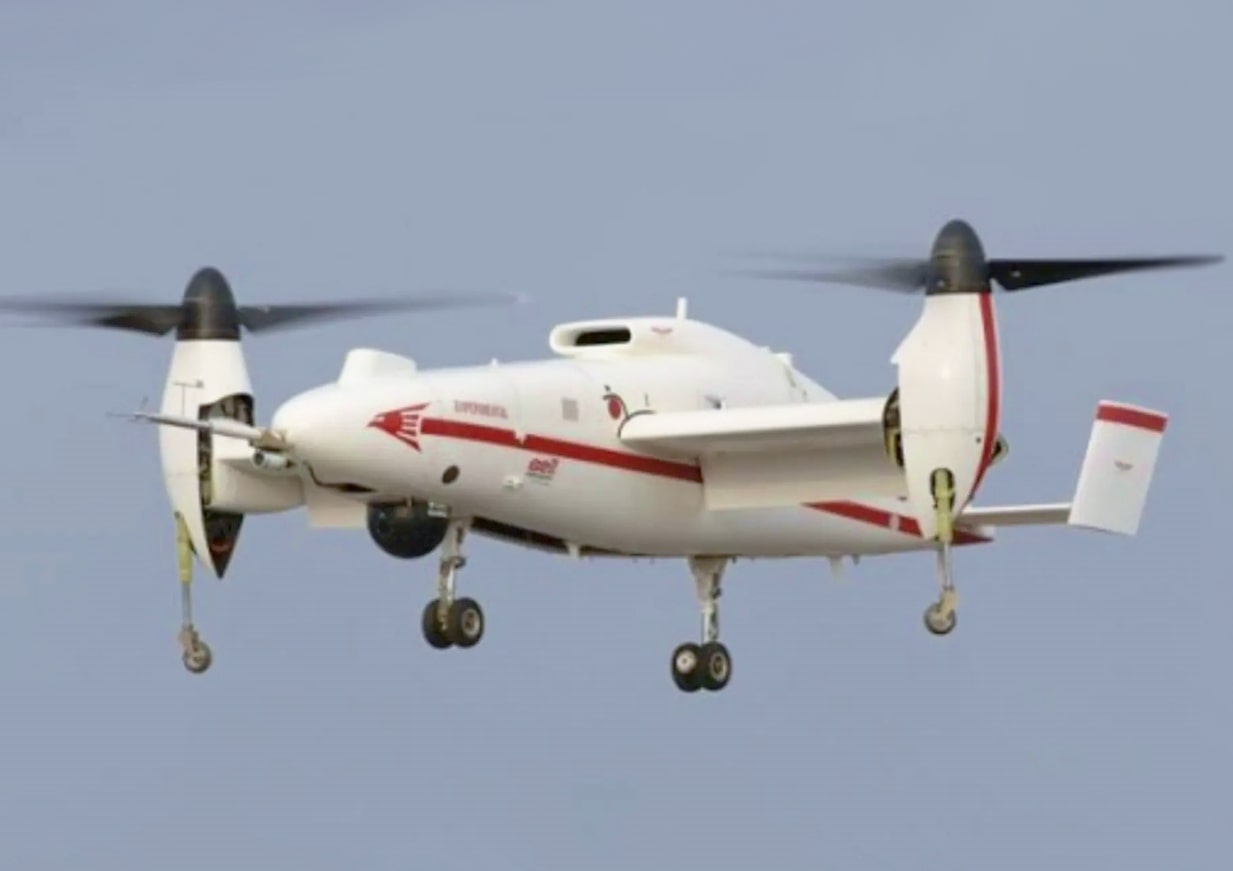
Tilt-Rotor, Tailsitter, and Ducted-Fan Drones: The VTOL Hover-Cruise Trade-Off
Every VTOL aircraft must reconcile two contradictory physics demands: hover requires high blade area and tip speed, while forward flight requires the opposite. Tilt-rotor, tailsitter, and ducted-fan architectures each place their bets differently — with lasting consequences for military range and noise compliance.
-
Tech & Builds
What Makes a Drone Swarm: True Autonomy, Enabling Tech, and the C2 Gap
Most formations called 'drone swarms' aren't—they're centralized fleets, scripted salvos, or teleoperated aircraft. Here's what true swarm autonomy requires, which programs are closest, and why C2 software remains the binding constraint.