U.S. Army
Every UASFeed story on U.S. Army — across defense, counter-UAS, industry, commercial, policy, and tech, newest first.
-
Tech & Builds
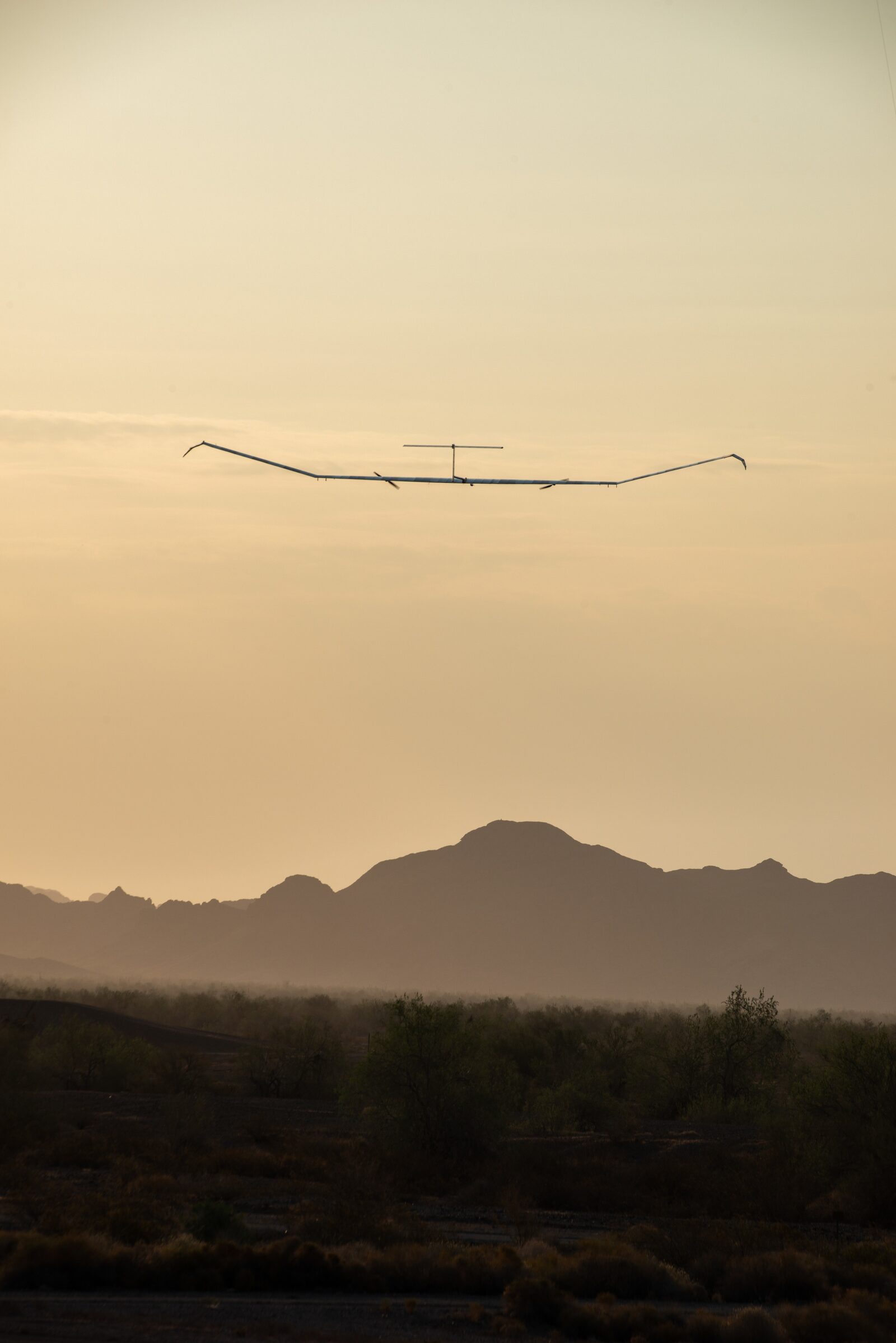
Zephyr S: Inside the Solar Stratospheric Drone That Stayed Aloft for 64 Days
Airbus's Zephyr S occupies the stratosphere at 70,000 feet, loitering for months with ISR and 5G connectivity payloads on power equivalent to a single light bulb. Here's how the platform works, what the 2022 Army record flight proved, and where the newly spun-out AALTO HAPS company is taking it.
-
Defense & Combat
Loitering Munition, Cruise Missile, One-Way Attack Drone: What's the Difference?
Loitering munitions, cruise missiles, and one-way attack drones are routinely conflated in defense reporting. The distinctions -- in target acquisition timing, terminal human control, cost, and payload -- determine which arms control regimes apply and how international humanitarian law governs each weapon's use.
-
Defense & Combat
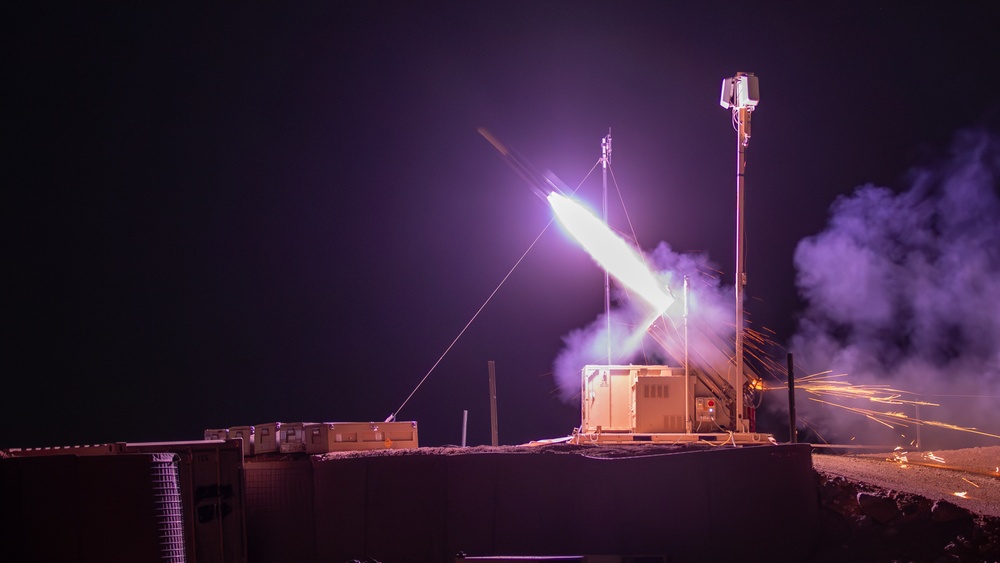
Raytheon Coyote Explained: The Army's Counter-Drone Interceptor and Its Cost Problem
The Raytheon Coyote began in 2014 as a disposable ISR drone. It is now the U.S. Army's primary counter-drone interceptor — fielded in kinetic and non-kinetic variants under a $5 billion contract — and caught in an unresolved cost-exchange equation that defines modern C-UAS.
-
Defense & Combat
ISIS Drone Warfare in Iraq and Syria: How Commercial Quadcopters Became a Military Weapon
In 2016, the Islamic State turned cheap commercial quadcopters into a documented, bureaucratized weapons program — the first non-state drone campaign to kill soldiers in combat and force NATO armies to rebuild air defense doctrine from scratch.
-
Counter-UAS
Leonidas Explained: How Epirus's High-Power Microwave System Kills Drone Swarms
Epirus's Leonidas achieved a 100% kill rate against 61 drones — including 49 in a single pulse — in a DoD demonstration. Here is how its solid-state GaN architecture works, what the Army and Marine Corps have bought, and where the technology stands today.
-
Industry & Contracts
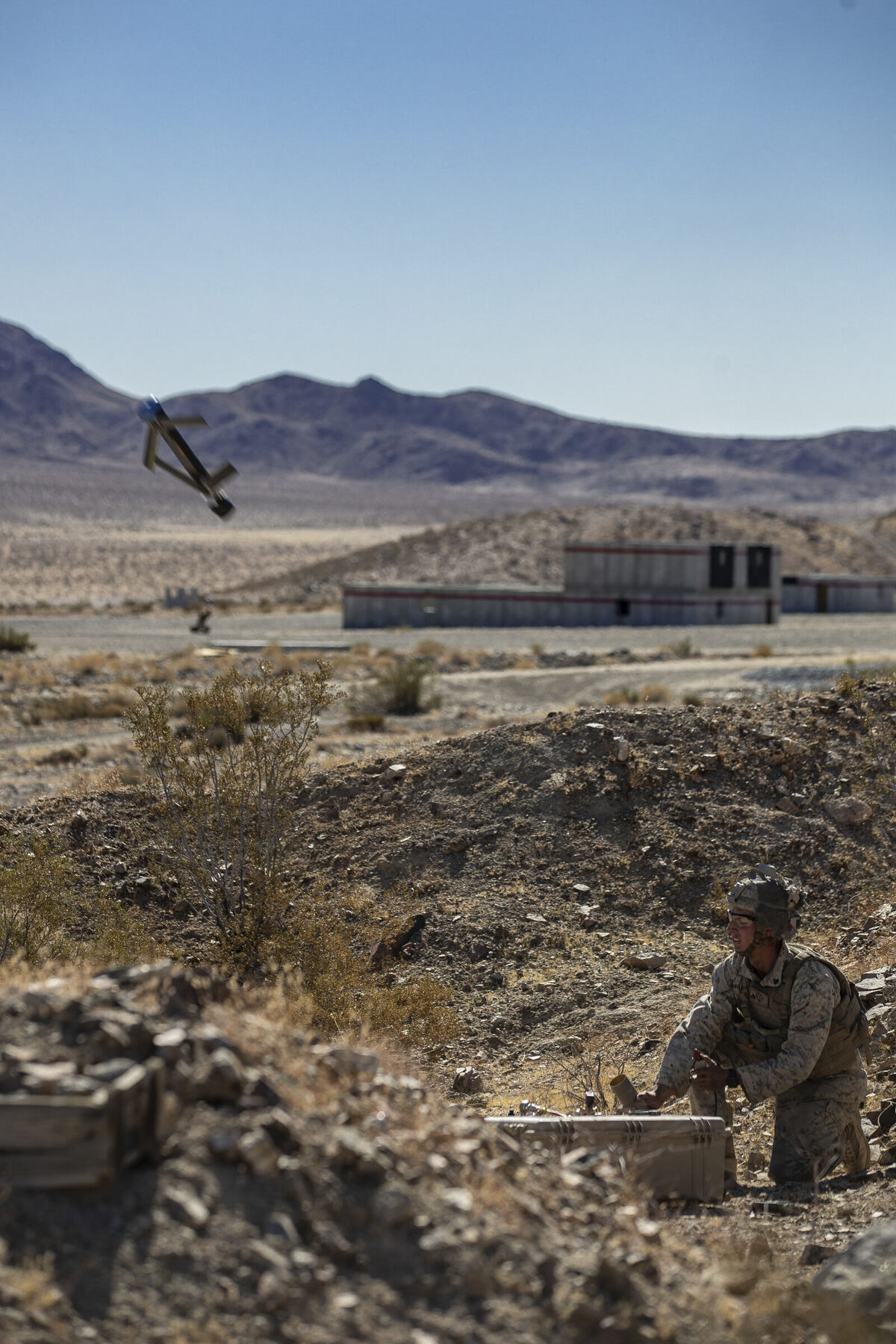
AeroVironment: How a Glider Champion Built America's Tactical Drone Empire
From Paul MacCready's human-powered aircraft to a $990 million Switchblade contract and a $4.1 billion BlueHalo merger, AeroVironment has quietly become the backbone of U.S. tactical UAS — and is now reshaping itself into a multi-domain defense-tech mid-prime.
-
Industry & Contracts
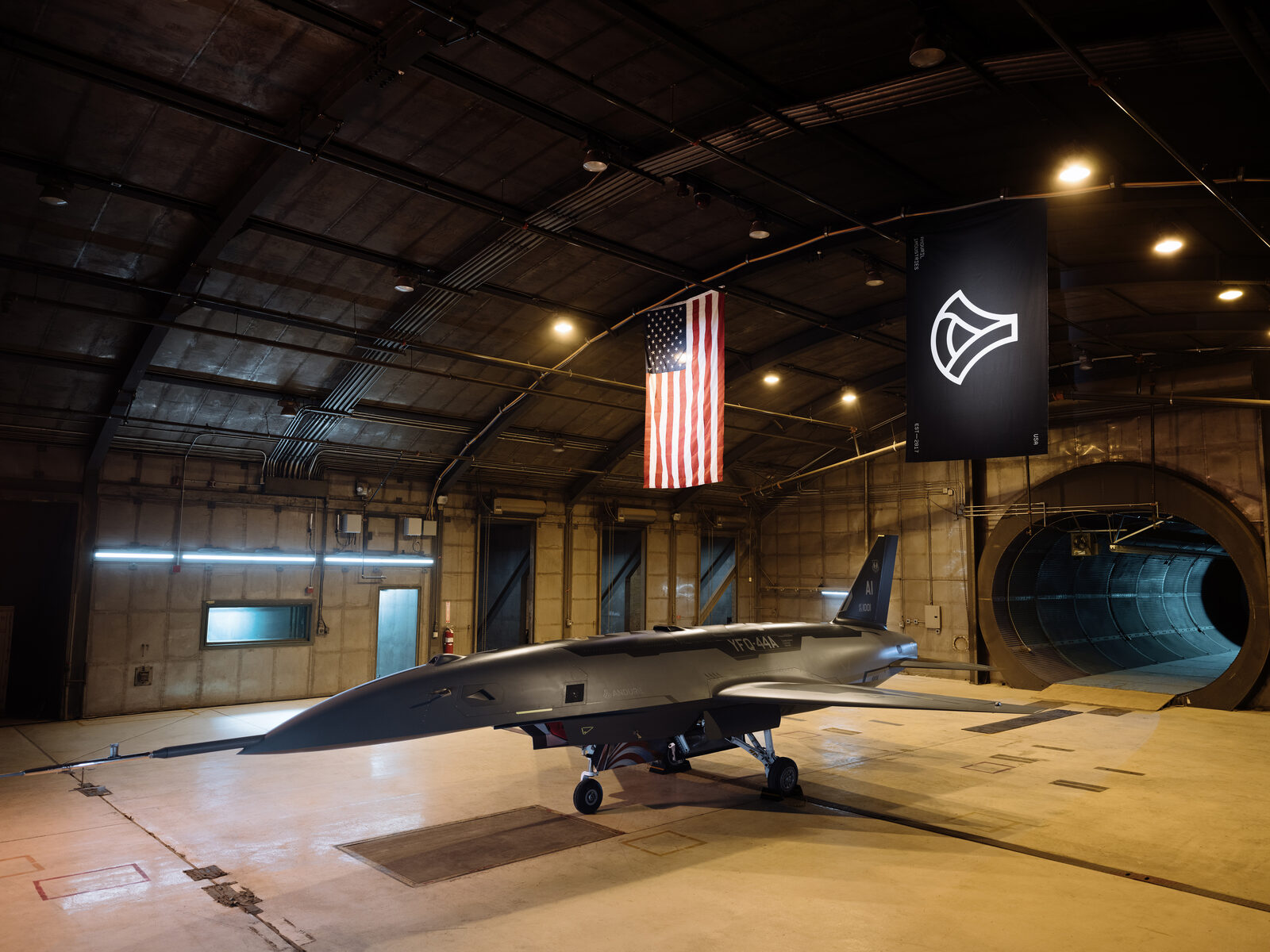
Anduril Industries: The Software Company Rebuilding the Defense Industrial Base
Founded in 2017 by Palmer Luckey and four co-founders, Anduril Industries has grown from a border-surveillance startup into a $30.5 billion defense technology company producing autonomous systems across air, sea, and ground domains on its Lattice AI platform.
-
Defense & Combat
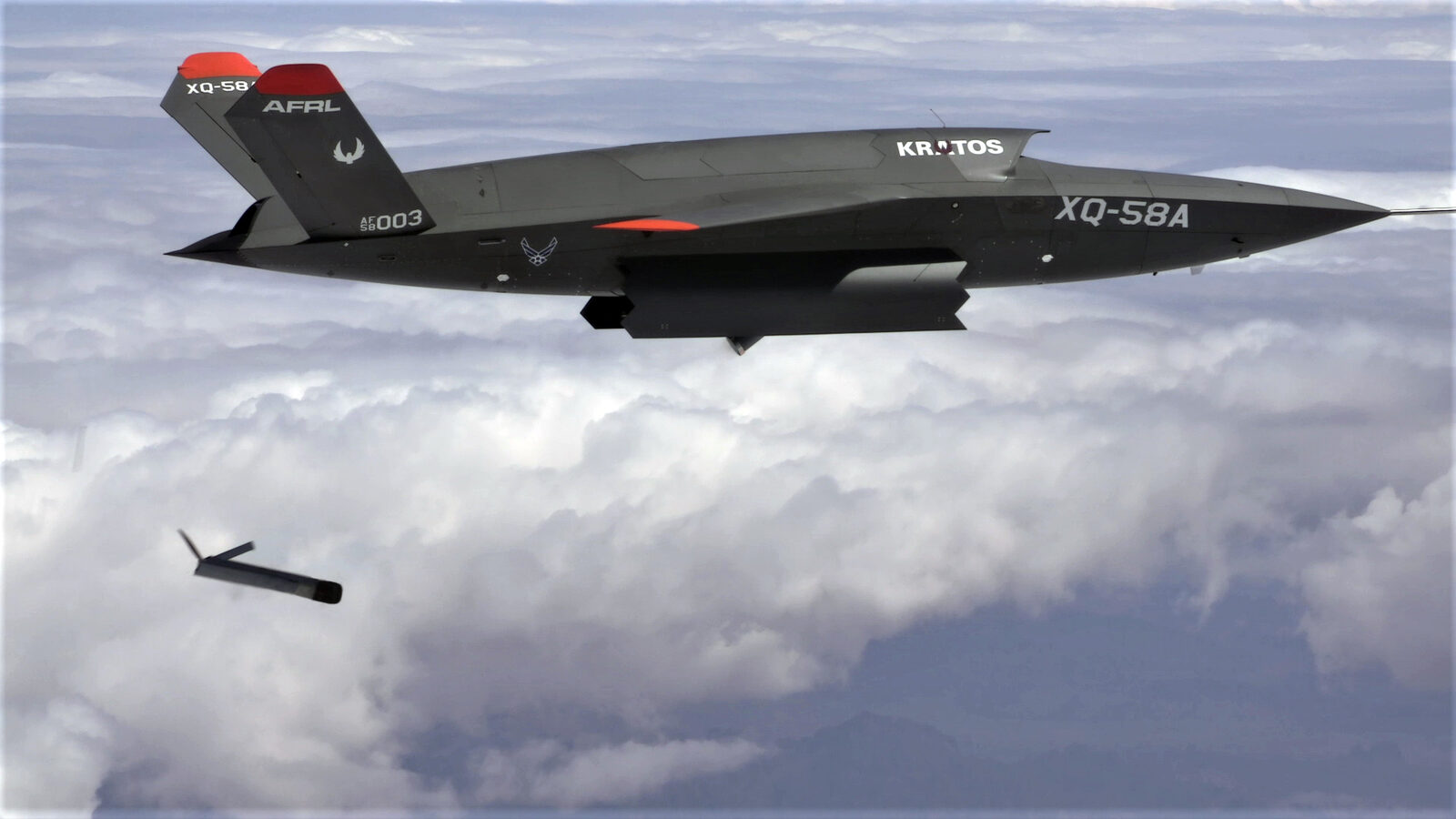
Air-Launched Effects and Drone Motherships: How Stacking Range Reshapes Aerial Warfare
Air-launched effects (ALE) divorce mission risk from platform cost by stacking a mothership's standoff range on top of a drone's own reach — letting aircraft dispense swarms deep inside defended airspace without entering it. From DARPA's Gremlins to China's Jiutian, the concept is going mainstream.
-
Defense & Combat
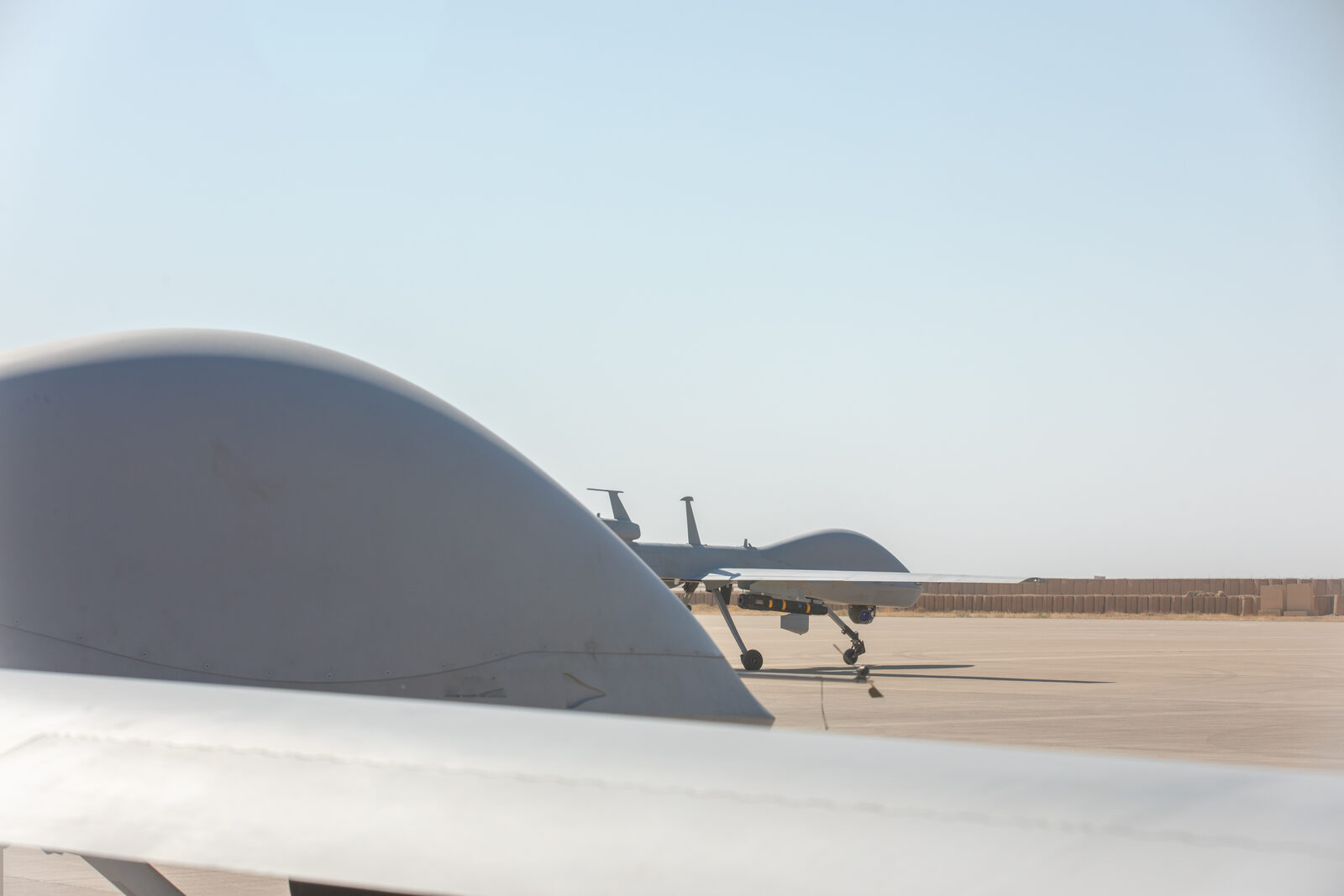
MQ-1C Gray Eagle: The Army's Only MALE Drone, Caught Between Congress and Obsolescence
The MQ-1C Gray Eagle is the U.S. Army's sole medium-altitude long-endurance drone — a Predator descendant rebuilt around Army logistics, manned-unmanned teaming, and ground-force integration. Now Congress and Army leadership are openly fighting over whether it has a future.
-
Defense & Combat
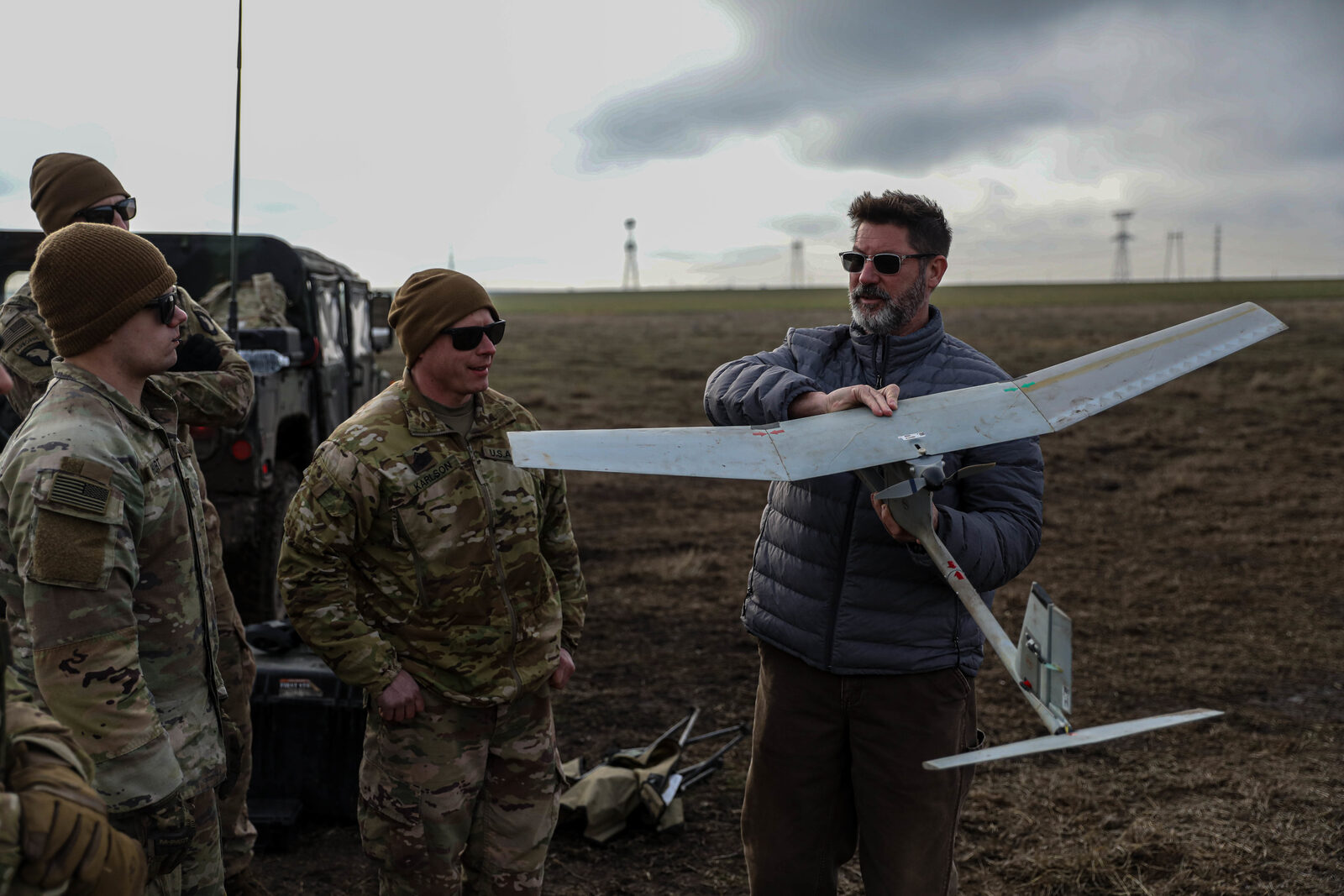
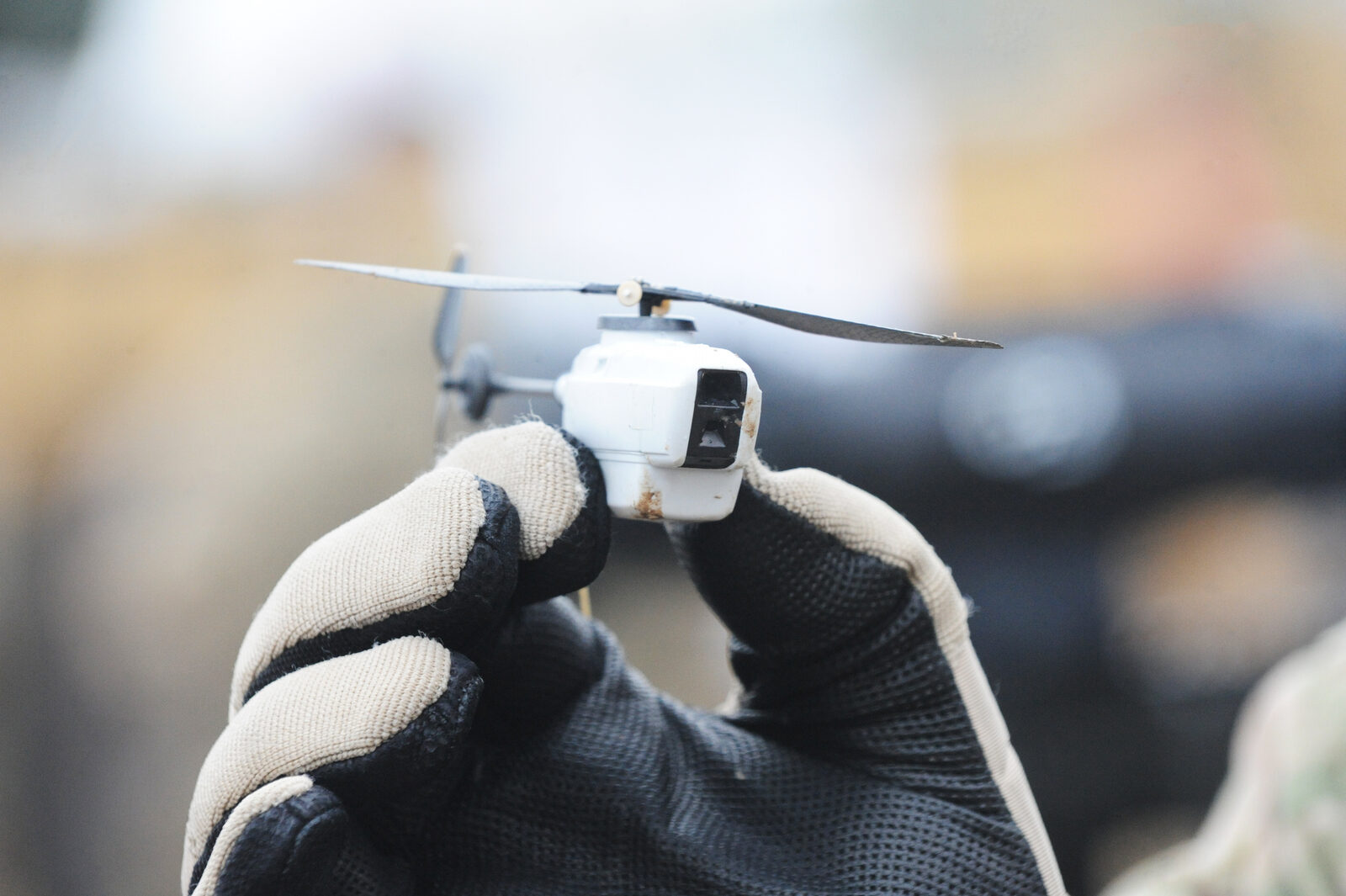
Pocket ISR: How Nano and Micro Drones Rewired Squad-Level Reconnaissance
From a 16-gram helicopter checking walls in Afghanistan to a 70-gram system with thermal imaging deployed across 50 countries, nano-UAS technology has pushed intelligence collection down to the fire team — and the next frontier is autonomous swarms constrained by battery physics.
-
Commercial & Delivery
Tethered Drones: The Persistent Aerial Mast Redefining Overwatch
Unlike battery-powered UAS that fly to a destination, tethered drones hover over one — drawing continuous ground power through a Kevlar-reinforced tether to deliver days of unbroken ISR, secure fiber-optic data, and jamming-immune comms relay that free-flying platforms simply cannot match.
-
Counter-UAS
Listening for Drones: How Acoustic Detection Works — and Where It Falls Short
Acoustic microphone arrays can detect drones by their blade-passing frequencies from hundreds of meters away using beamforming and AI classification. Ukraine's 24,000-sensor network shows what the technology can do at scale — and reveals the hard limits of listening alone.