U.S. Army
Every UASFeed story on U.S. Army — across defense, counter-UAS, industry, commercial, policy, and tech, newest first.
-
Counter-UAS
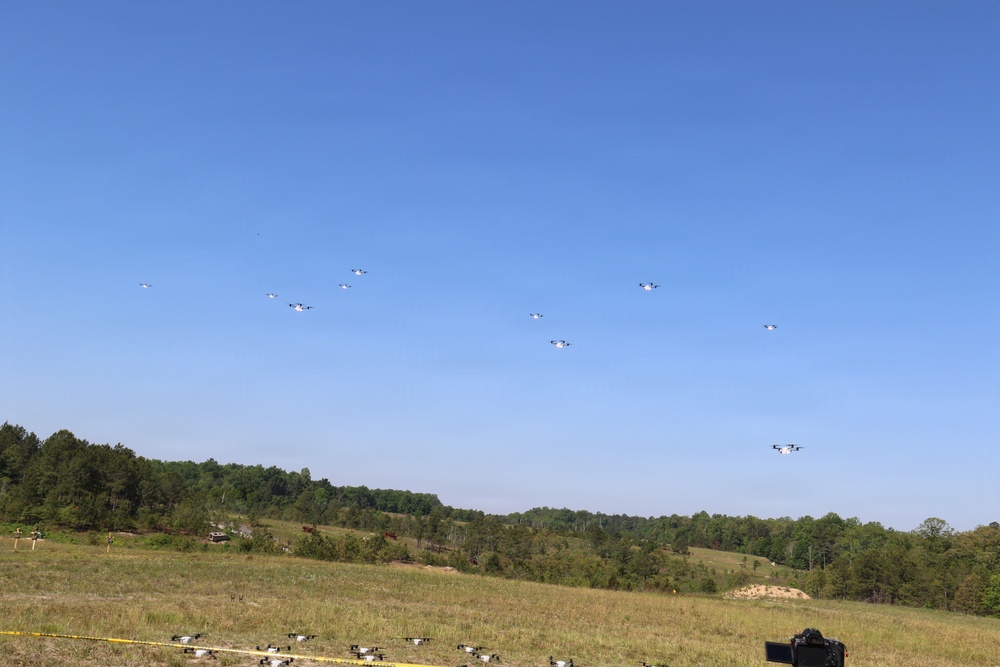
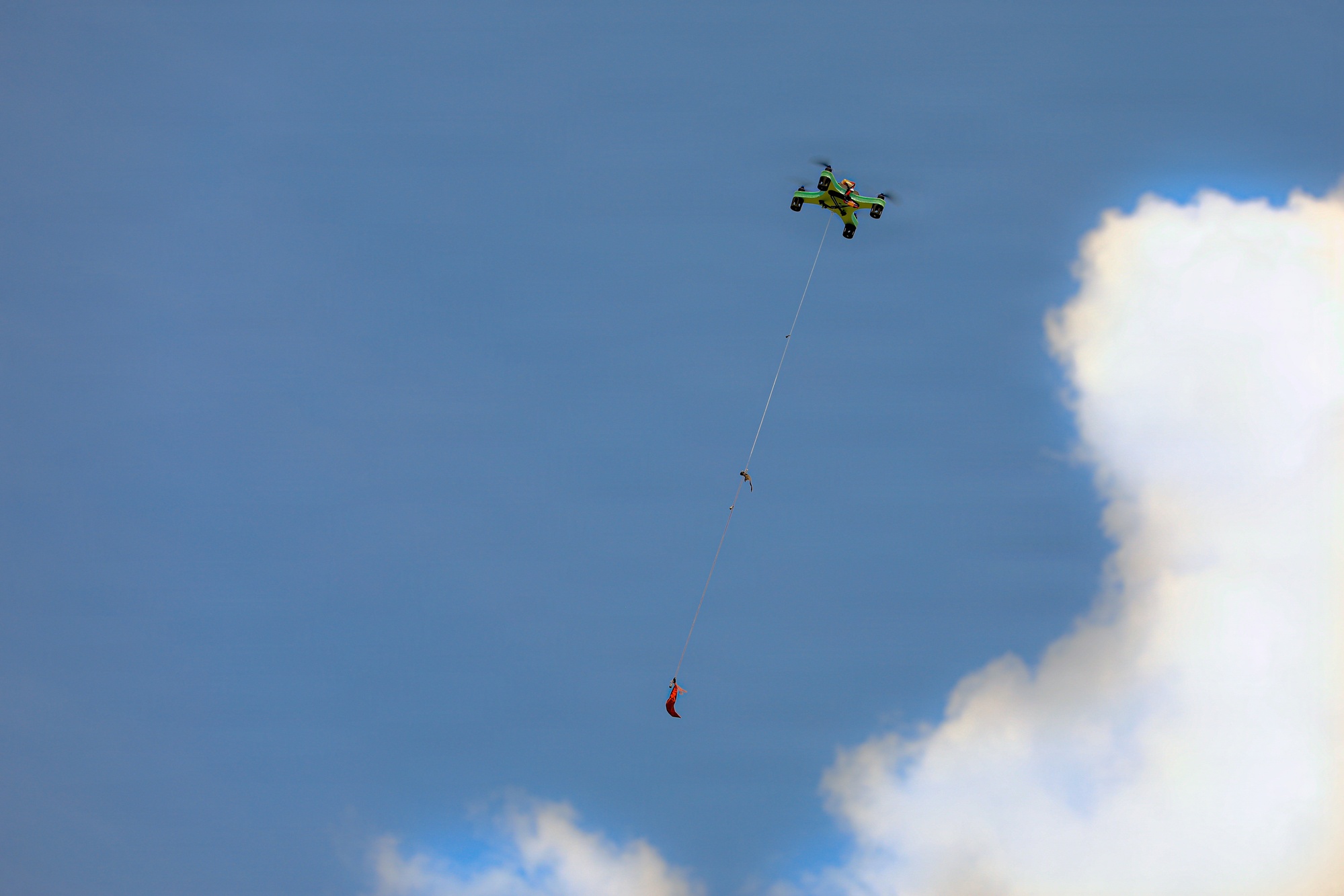
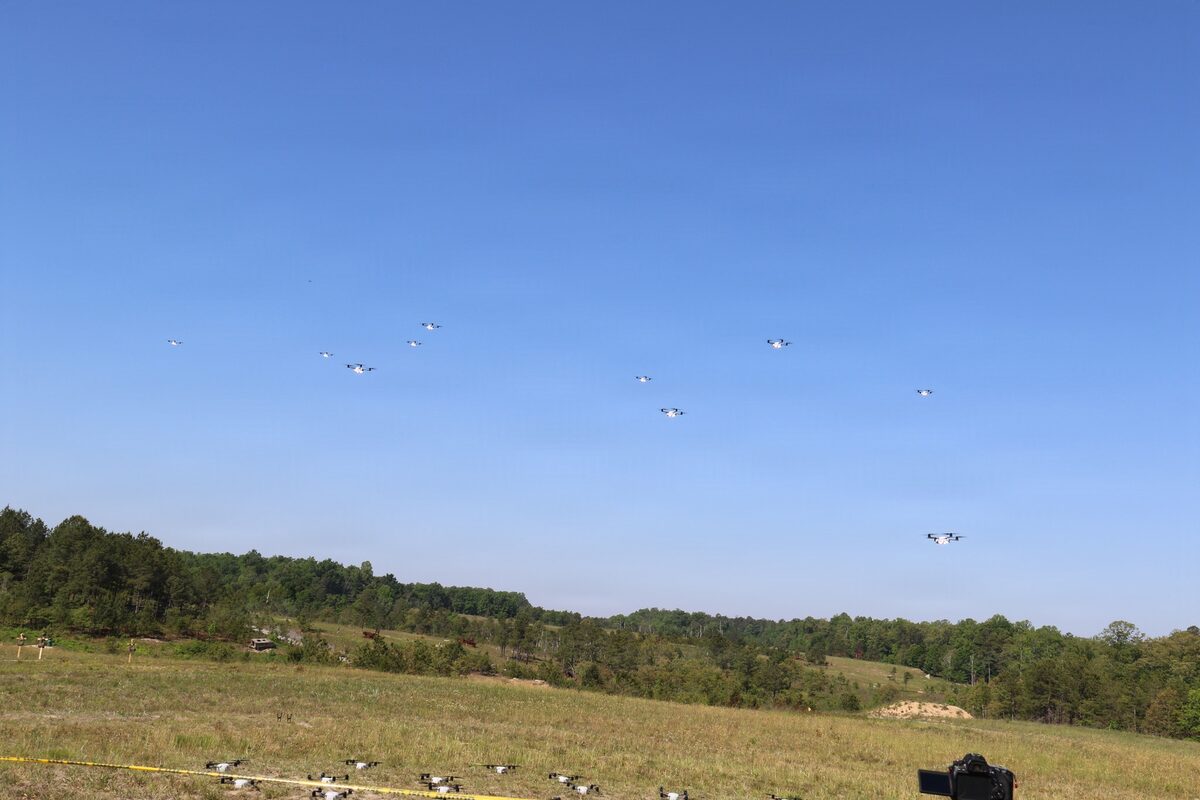
Inside 'Warden': How the Army's C5ISR Center Is Grading 17 Counter-Drone Vendors Against Real Swarms
The Army's DEVCOM C5ISR Center ran its first 'Warden' assessment at Fort A.P. Hill, pitting 17 vendors' lasers, jammers and interceptor drones against 12+ UAS types including swarms.
-
Counter-UAS
Pentagon's Counter-Drone Task Force Publishes 'Small Drones, Big Problems' Handbook
JIATF 401, the Army-led counter-UAS task force stood up last fall, has released a first-principles handbook aimed at giving the military, agencies, industry and academia a shared vocabulary and layered-defense framework for fighting small drones.
-
Counter-UAS
Railgun Logic for the Drone Age: The Army Is Testing Whether Electricity Can Undercut the $1M Interceptor
Auriga Space and Army DEVCOM AC signed a three-year CRADA to study electromagnetic launch as a cheap, high-cadence counter-drone effector — but a CRADA is a data-sharing deal, explicitly not a contract award, procurement decision, or Army endorsement.
-
Counter-UAS
Counter-UAS Technology Compared: Kinetic, RF Jamming, High-Power Microwave, Laser, and Net Interceptors
A side-by-side comparison of the five ways drones are actually defeated today — kinetic interceptors, RF/GPS jamming, high-power microwave, directed-energy lasers, and net-capture systems — with range, cost per engagement, tradeoffs, and who's legally allowed to use each under SAFER SKIES.
-
Counter-UAS
Eurosatory's Counter-Drone Effector Wave: A 4kW Pulsed Laser, a Microwave Gun, and a Passive-RF 'Cocktail' Built to Kill the FPV Threat
Fresh Eurosatory 2026 coverage shows the counter-UAS market converging on layered effectors: Esh-Tech's ~4kW DroneLight pulsed laser, Ecliptic's ANTIGONI microwave weapon, and a Lacroix/Bertin/MC2 passive-RF-plus-optical vehicle system — the same architecture the U.S. Army is buying through its expanding C-UAS Marketplace.
-
Counter-UAS
Army's SWAT-FC Software Lets Moving Vehicles Kill Drones in Live-Fire Test
Picatinny Arsenal has demonstrated SWAT-FC, autonomous fire-control software integrated with the CROWS weapon station that allows vehicle-mounted systems to engage and destroy small drones while both platform and target are in motion — eliminating the halt requirement that has long plagued vehicle-based counter-UAS.
-
Counter-UAS
Netherlands Signs Letter of Intent to Join US Army C-UAS Marketplace at Eurosatory 2026
The Netherlands signed a letter of intent to join the US Army's UAS and Counter-UAS Marketplace Initiative at Eurosatory in Paris, one of nine nations to do so at the June 16 signing ceremony, gaining a path toward access to a validated, interoperable pool of drone and counter-drone systems managed by Joint Interagency Task Force 401.
-
Counter-UAS
Leonidas Explained: How Epirus's High-Power Microwave System Kills Drone Swarms
Epirus's Leonidas achieved a 100% kill rate against 61 drones — including 49 in a single pulse — in a DoD demonstration. Here is how its solid-state GaN architecture works, what the Army and Marine Corps have bought, and where the technology stands today.
-
Counter-UAS
Listening for Drones: How Acoustic Detection Works — and Where It Falls Short
Acoustic microphone arrays can detect drones by their blade-passing frequencies from hundreds of meters away using beamforming and AI classification. Ukraine's 24,000-sensor network shows what the technology can do at scale — and reveals the hard limits of listening alone.
-
Counter-UAS
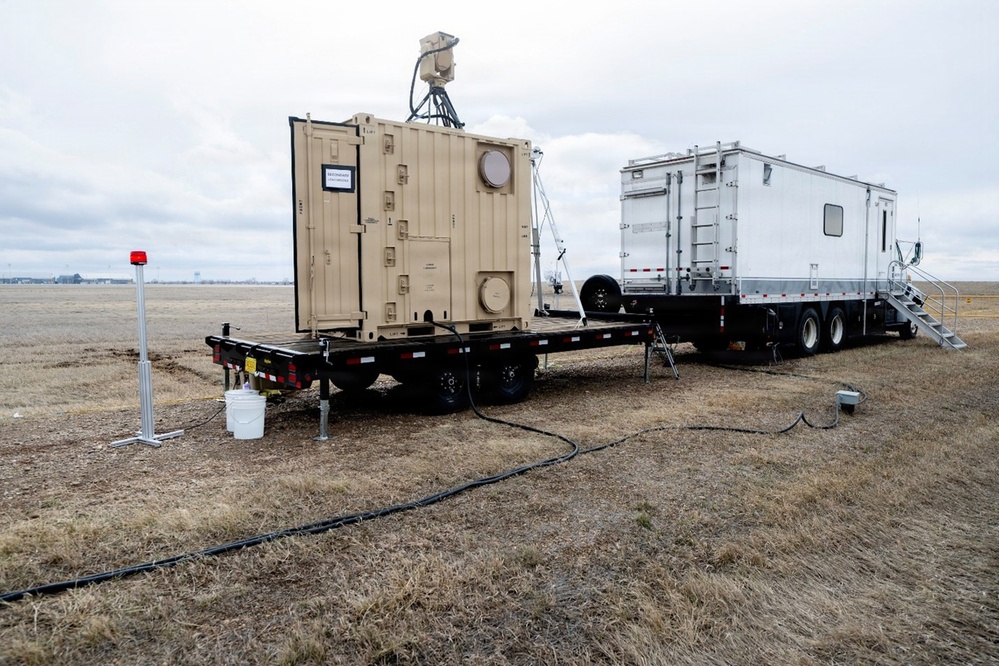
Layered Counter-UAS Defense: How the Kill Chain Actually Works
From Langley's 17 nights of unidentified drones to the Navy's billion-dollar Red Sea munitions bill, the pressure to build coherent counter-drone architecture has never been higher. Here is how the layers — detect, identify, decide, defeat — actually work, what each one costs, and why none of them works alone.