U.S. Army
Every UASFeed story on U.S. Army — across defense, counter-UAS, industry, commercial, policy, and tech, newest first.
-
Defense & Combat
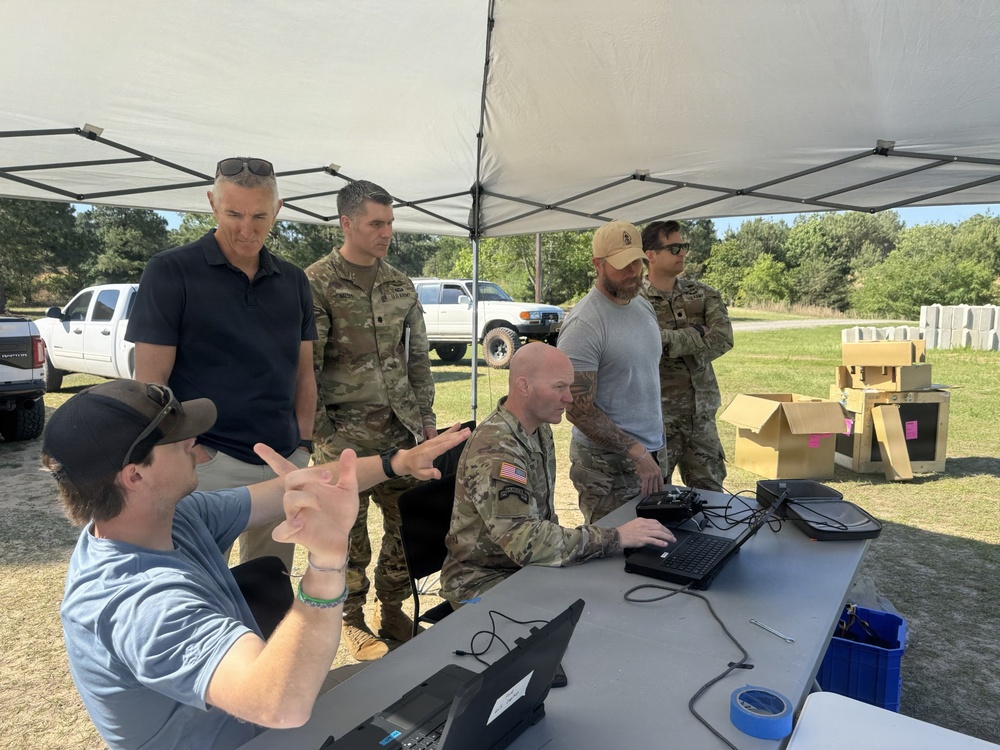
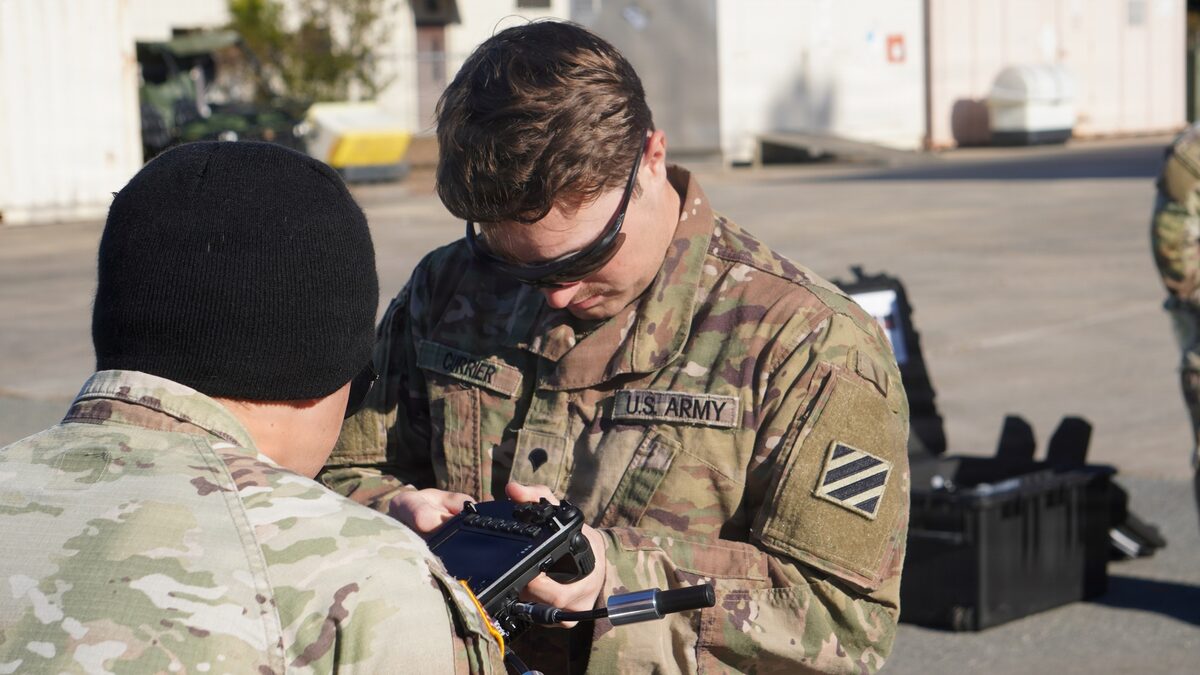
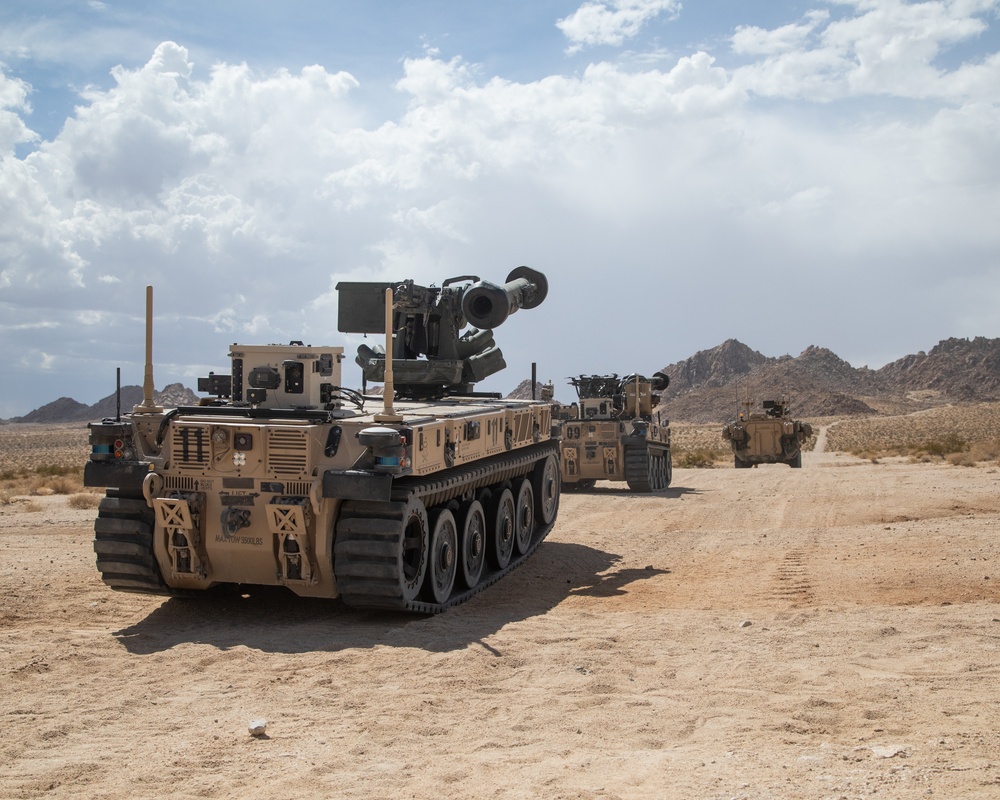
Army Stands Up FASCOM as Fort Bragg Tests Drones for Breaching and a Lab Study Finds Soldiers Can Run Mixed Air-Ground Teams
The Army has a new autonomy command, breaching tests under way at Fort Bragg and a lab study showing 13 soldiers can run a mixed robotic formation. The open question is whether autonomy can grow from single robots to whole formations.
-
Defense & Combat
Germany Will Stand Up Its First Drone Regiment in 2027, While the US Army Scraps a Same-Size Drone Battalion
Germany's army will form its first drone regiment in 2027. It will start with 300 to 350 soldiers and grow to as many as 600 under the 10th Panzer Division. The same year, the US Army took the drone mission away from a paratrooper battalion of roughly that size.
-
Defense & Combat
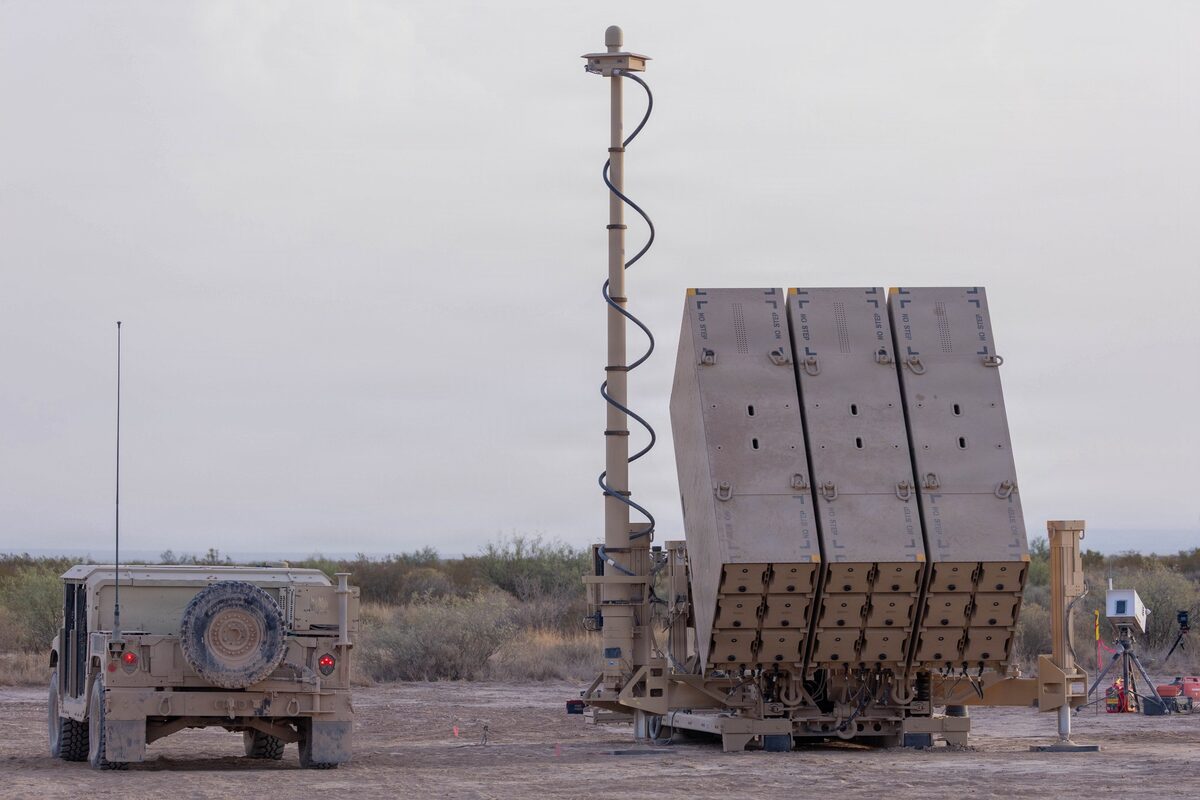
Army Cuts Rafael, Advances Lockheed and Boeing-Anduril to Next Phase of IFPC Increment 2 Interceptor Race
The Army has narrowed its IFPC Increment 2 interceptor competition to Lockheed Martin and a Boeing-Anduril team, dropping Rafael's US arm as the program moves toward a competitive demonstration to fill the air-defense gap below Patriot and THAAD.
-
Defense & Combat
Army Moves TITAN Targeting System Into Production With $192M Split Between Palantir and Anduril
The Army's TITAN ground-station program has left prototyping for full production, with Anduril taking a $65M hardware slice to build eight new mobile intelligence nodes alongside Palantir's software lead.
-
Defense & Combat
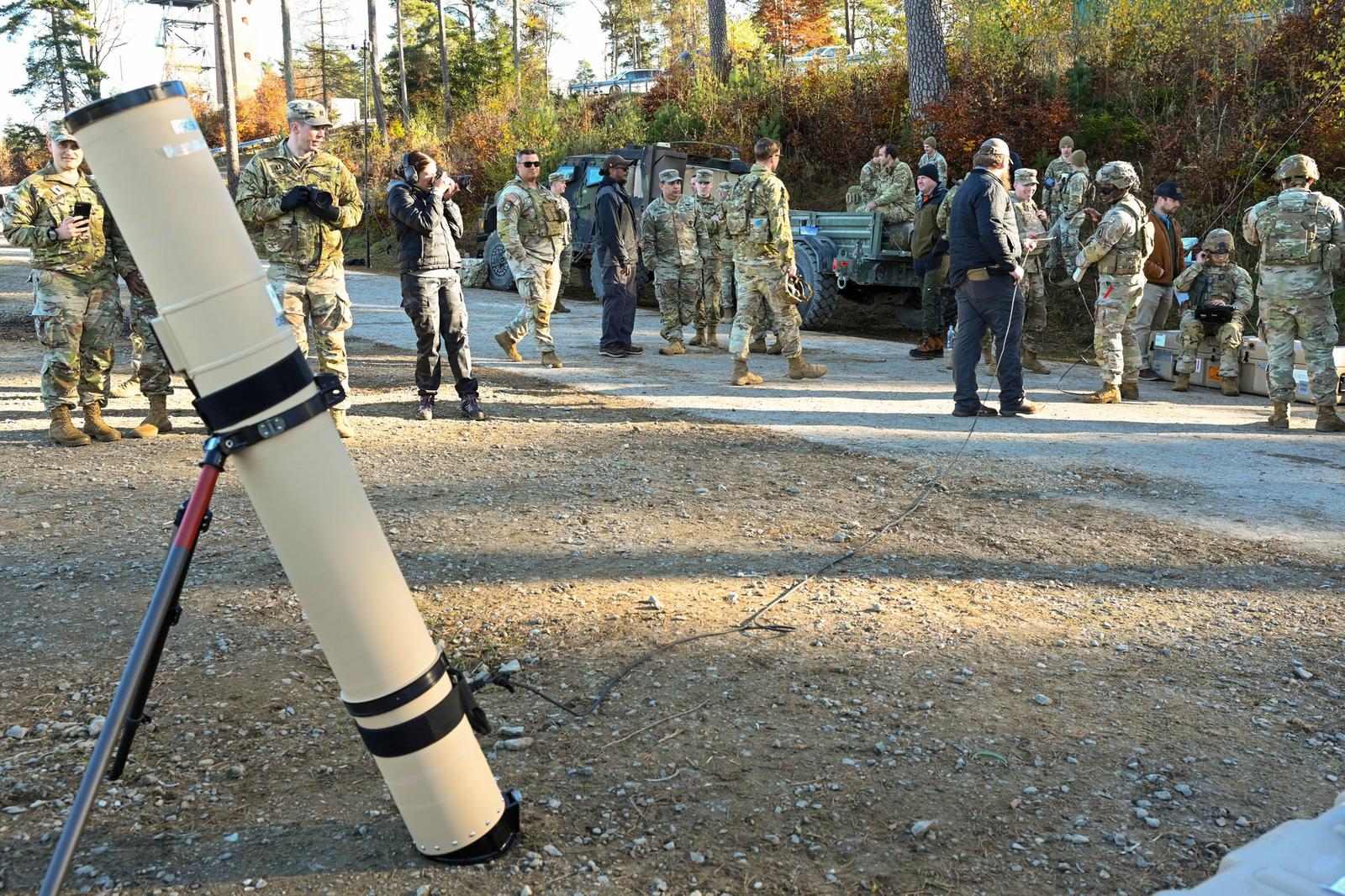
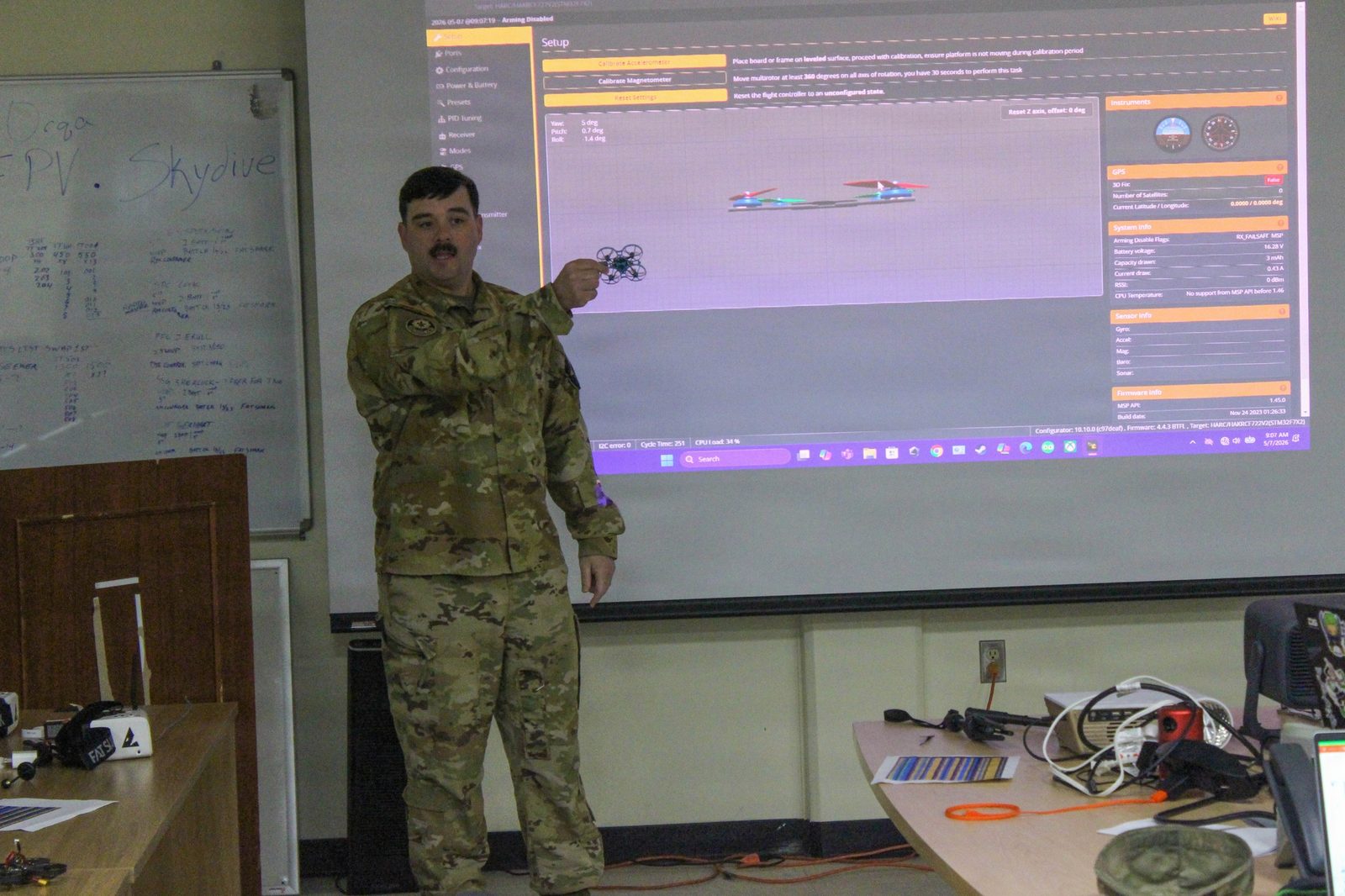
Green Berets Run First-Ever NATO Ally Drone Drill With Polish Special Forces in Germany
US Army Green Berets put Polish special forces through a new Ukraine-inspired drone infiltration exercise in Bavaria — the first time any NATO ally besides the US has run the drill, with plans to scale it across the alliance.
-
Defense & Combat
US Army Shuts Down 173rd Airborne's Experimental Drone Battalion in Europe
Less than a year after standing up a 600-soldier drone battalion modeled on Ukraine's tactics, the Army is dissolving it and sending the 173rd Airborne back to core infantry duty.
-
Defense & Combat
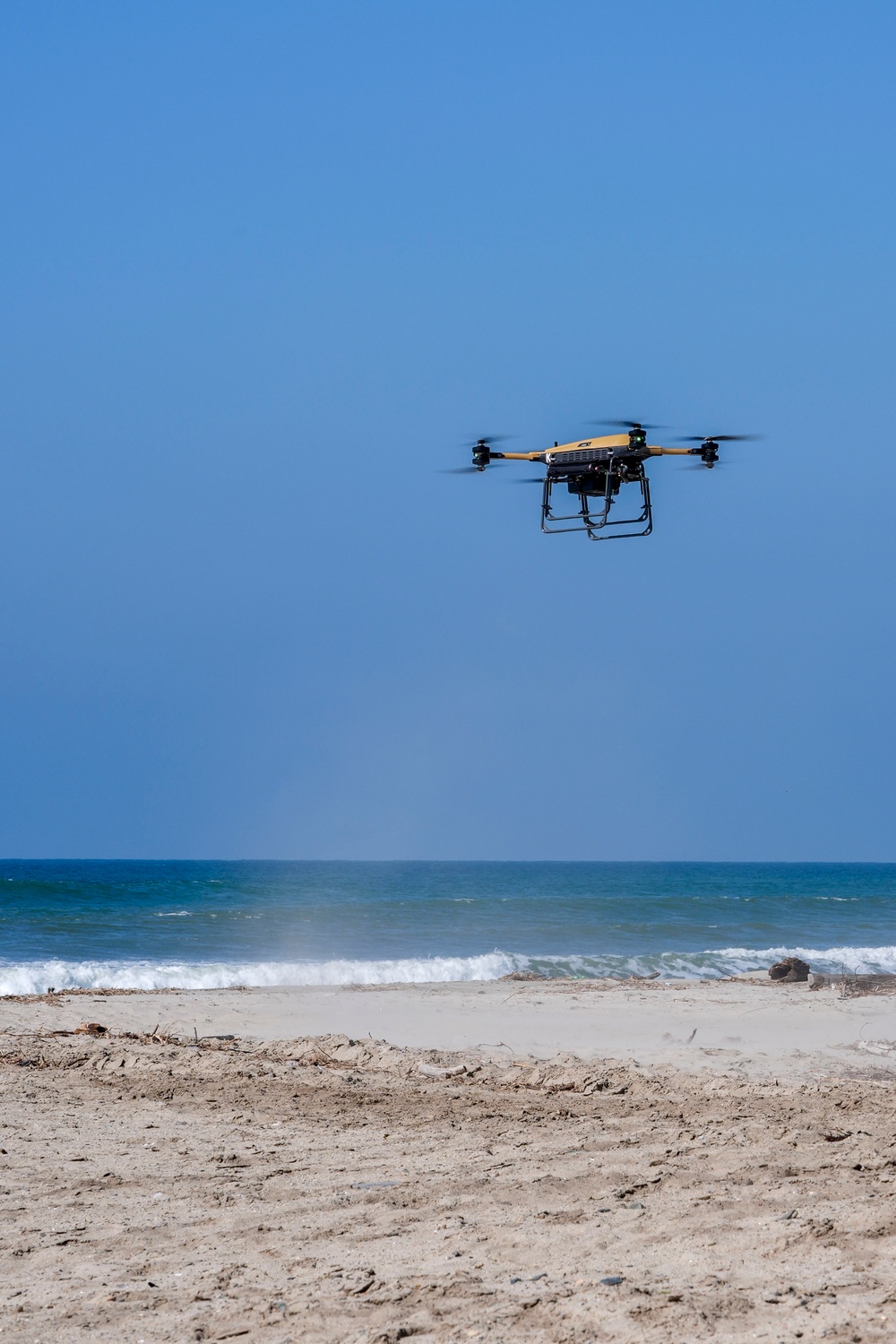
Army Awards Elroy Air $46M to Advance Chaparral Heavy-Lift Cargo Drone
The Army awarded Elroy Air a $46 million Phase III SBIR contract to add GPS-denied navigation, encrypted comms and expeditionary planning tools to its runway-independent Chaparral cargo drone.
-
Defense & Combat
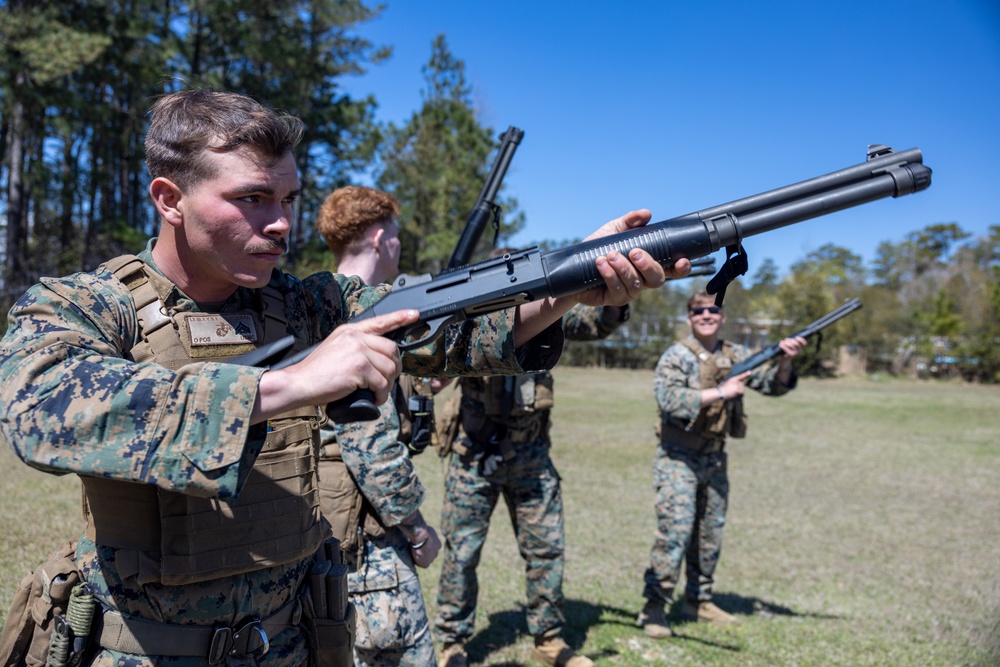
Shotguns Go to War Against FPV Drones as Ammo Makers Race to Arm Dismounted Troops
A new Janes special report details how ammunition makers are fielding tungsten-shot 12-gauge rounds and other counter-UAV cartridges as militaries scramble to give infantry a fighting chance against kamikaze FPV drones.
-
Defense & Combat
Drone Motherships Explained: Air, Sea, and Ground Launch Platforms Compared
A taxonomy of the drone-mothership concept across air, sea, and ground domains — from robotic combat vehicles and containerized launchers to submarine tenders — and why range-stacking and cost asymmetry are reshaping every branch of warfare.
-
Defense & Combat
What Military Drones Actually Cost, Platform by Platform
A verified cost ladder across drone classes, from $500 FPV strike drones to a $618 million MQ-4C Triton, showing why unit cost, all-up-round cost, and program cost are not the same number.
-
Defense & Combat
How Military Drone Pilots Are Trained: Inside the UAS Pipeline
From Air Force officers flying MQ-9 Reapers to Army 15Ws at Fort Huachuca to squad-level FPV familiarization, a look at how the U.S. military actually trains drone operators, and how South Korea and Ukraine compare.
-
Defense & Combat
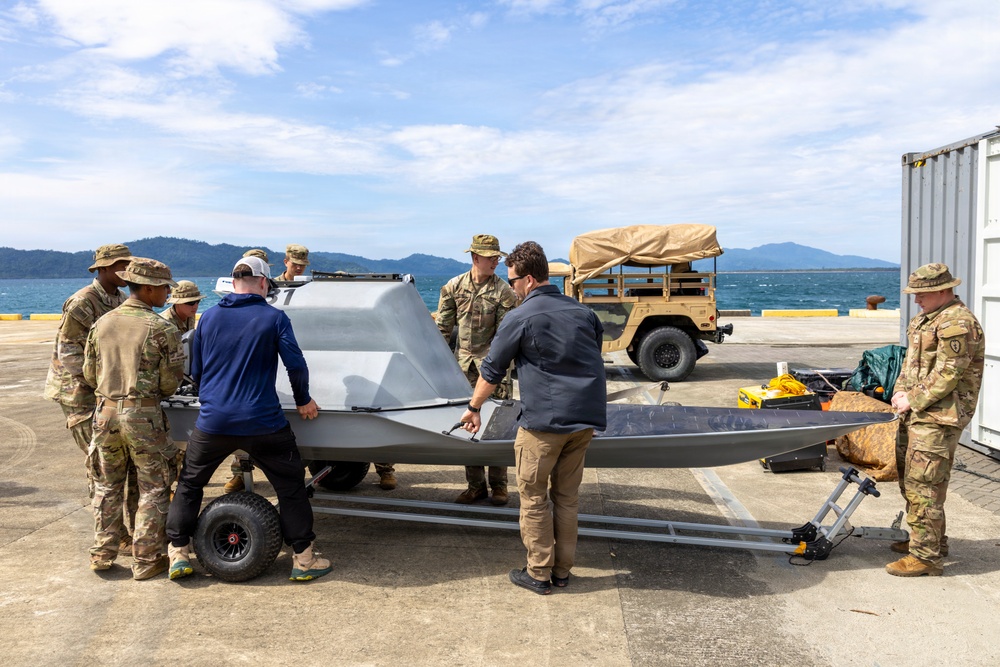
Ukraine's Magura Naval Drone Sinks a Target Ship in the Philippines — Its First Indo-Pacific Combat Debut
U.S. Green Berets used a Ukrainian-built Magura drone boat to sink a target vessel during Balikatan 2026, marking the first Indo-Pacific deployment of battle-tested Ukrainian naval-drone technology.