U.S. Army
Every UASFeed story on U.S. Army — across defense, counter-UAS, industry, commercial, policy, and tech, newest first.
-
Counter-UAS
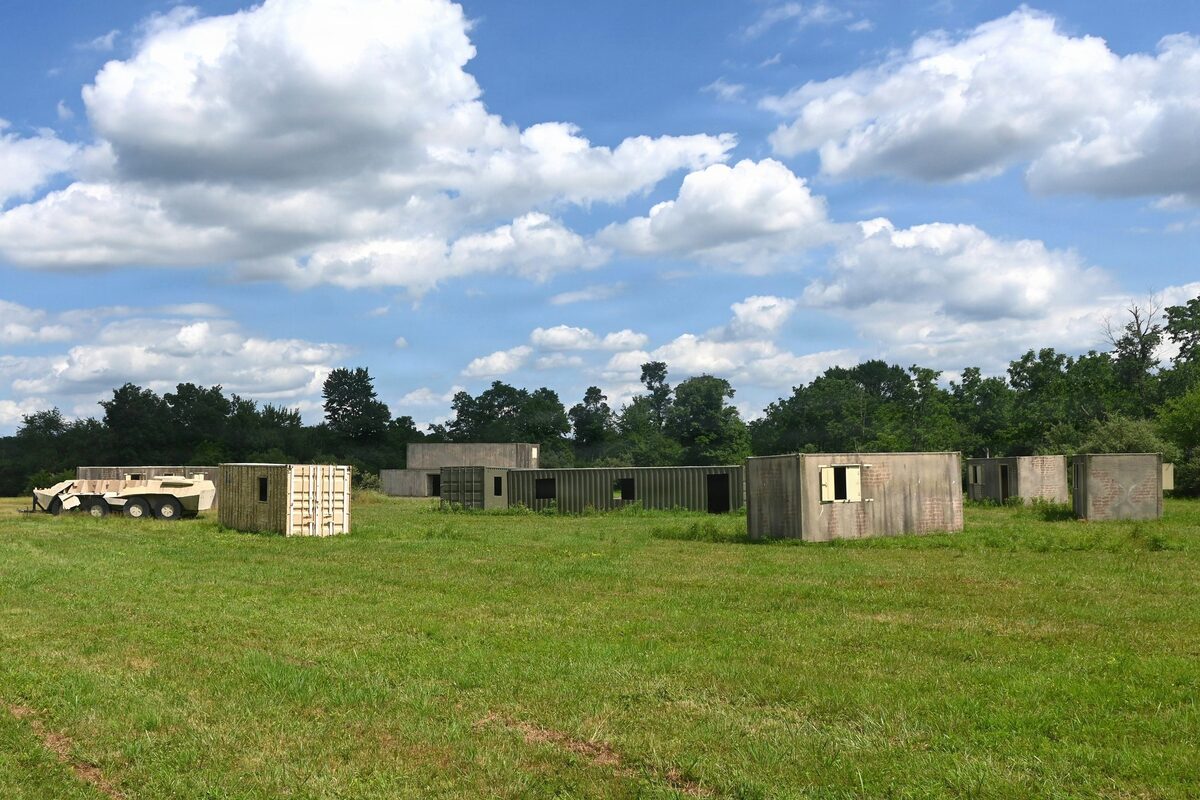
Virginia Tech Opens Army-Funded Counter-Drone Proving Ground at Kentland Farm
Backed by a $5 million Army contract, Virginia Tech cut the ribbon on a Counter-UAS Testing and Research Center at Kentland Farm to pit commercial detection and defeat systems against real drone threats.
-
Defense & Combat
Green Berets Run First-Ever NATO Ally Drone Drill With Polish Special Forces in Germany
US Army Green Berets put Polish special forces through a new Ukraine-inspired drone infiltration exercise in Bavaria — the first time any NATO ally besides the US has run the drill, with plans to scale it across the alliance.
-
Industry & Contracts
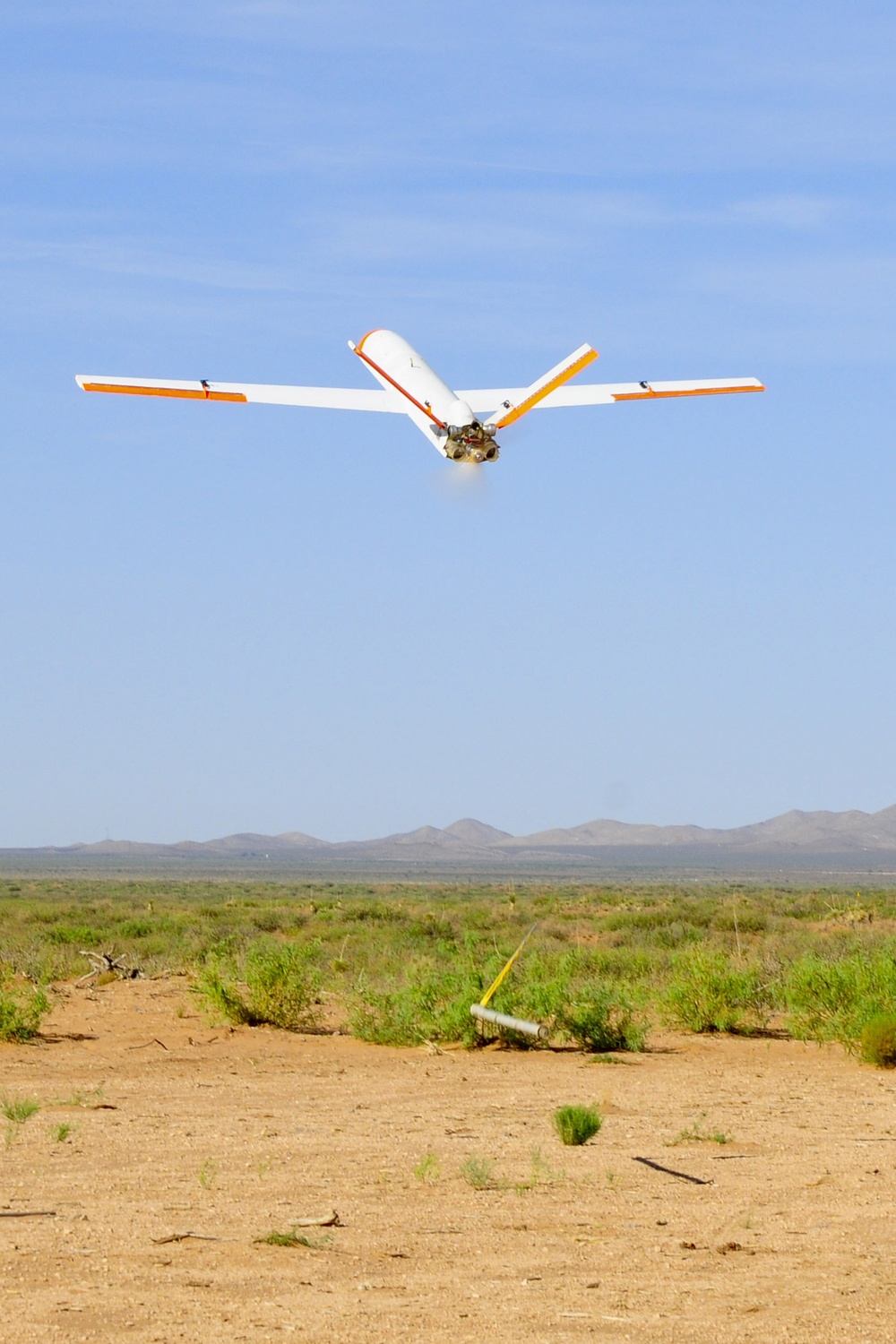
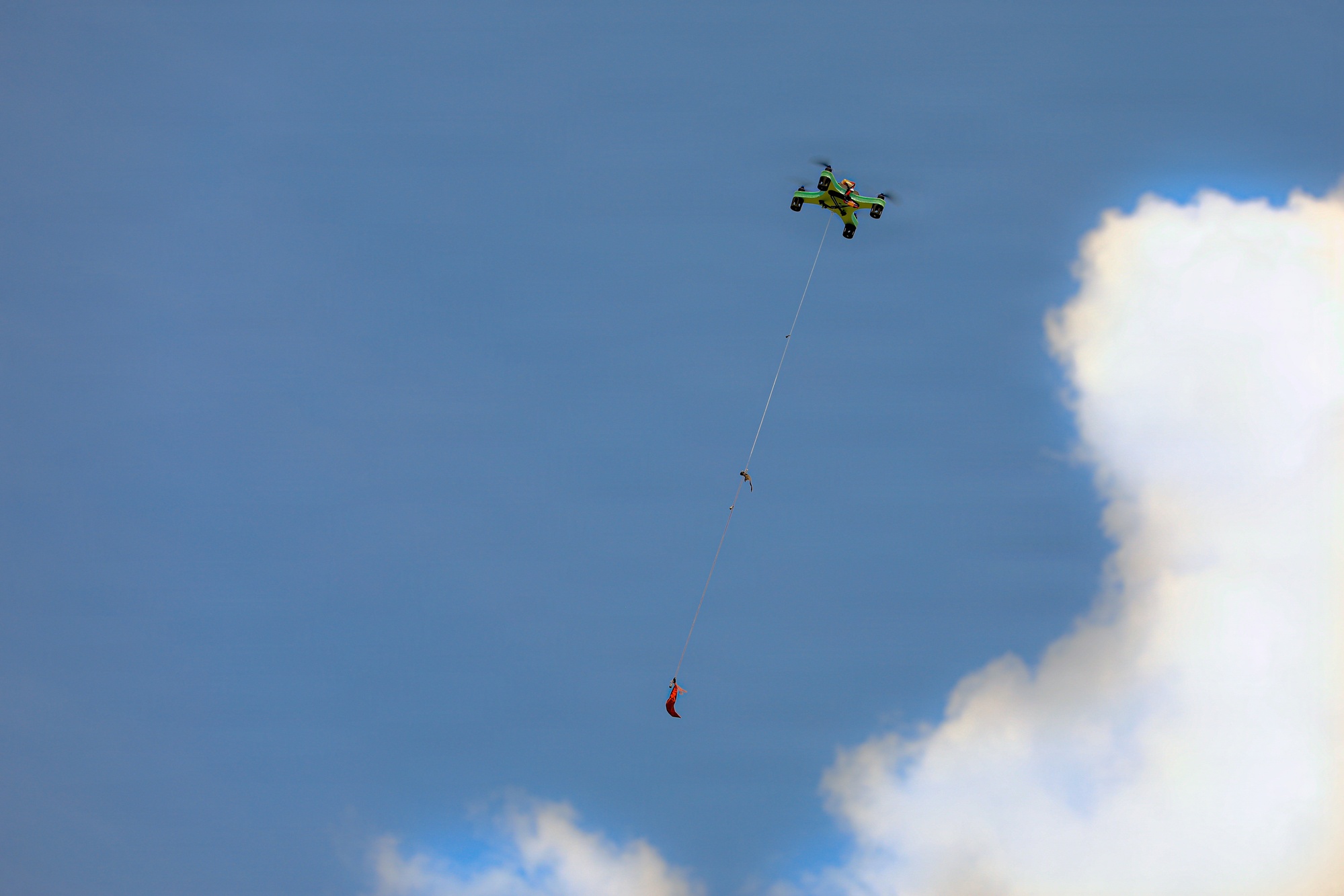
Griffon Aerospace's $133 Million Sole-Bid Win to Keep Feeding Army Drone Target Practice
Griffon Aerospace won a $132,978,776 sole-bid Army IDIQ to keep building Outlaw aerial target drones that simulate enemy aircraft and missiles for air-defense training.
-
Defense & Combat
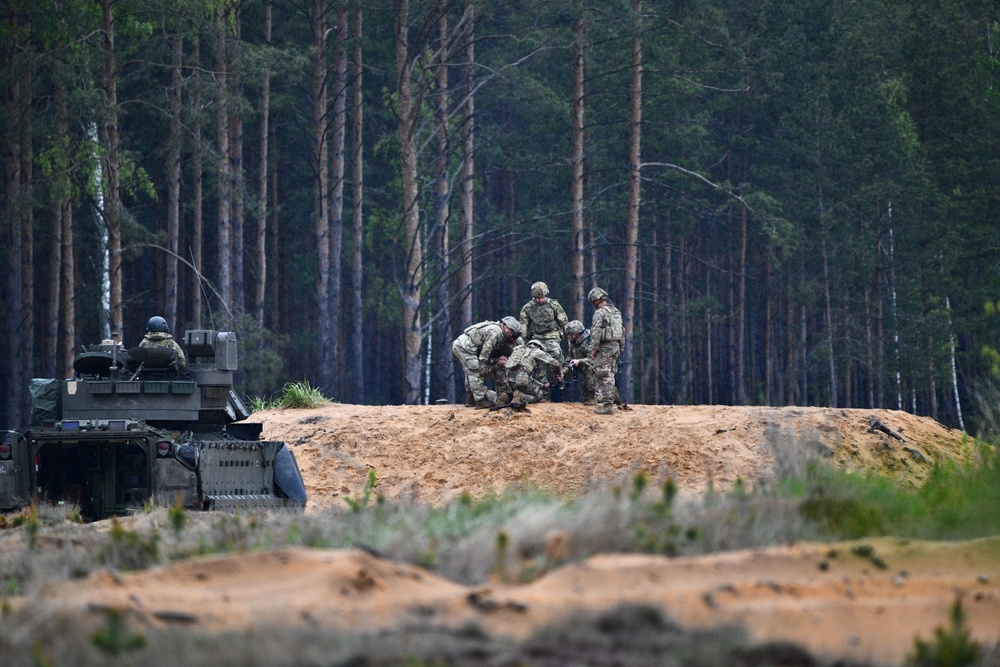
US Army Shuts Down 173rd Airborne's Experimental Drone Battalion in Europe
Less than a year after standing up a 600-soldier drone battalion modeled on Ukraine's tactics, the Army is dissolving it and sending the 173rd Airborne back to core infantry duty.
-
Defense & Combat
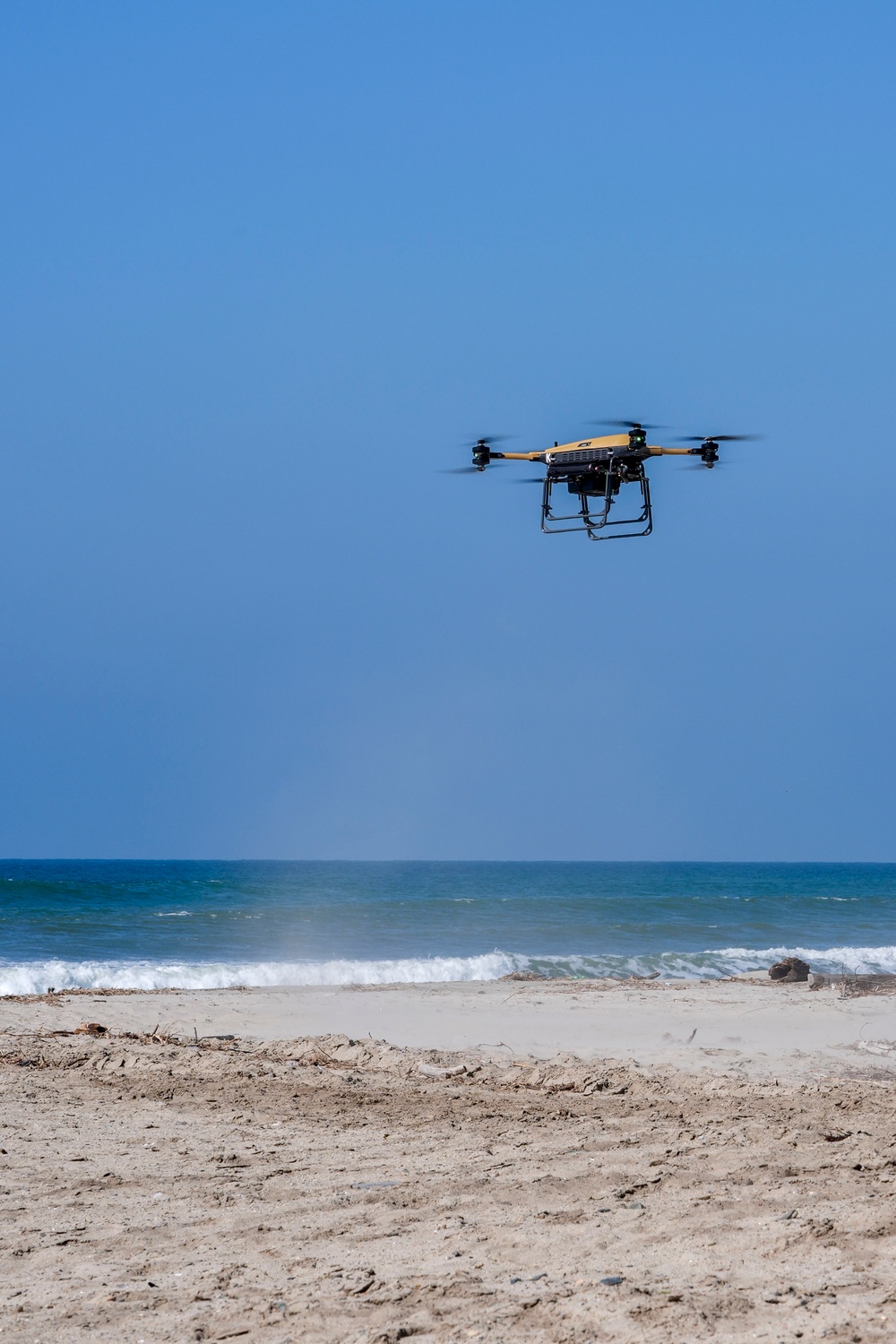
Army Awards Elroy Air $46M to Advance Chaparral Heavy-Lift Cargo Drone
The Army awarded Elroy Air a $46 million Phase III SBIR contract to add GPS-denied navigation, encrypted comms and expeditionary planning tools to its runway-independent Chaparral cargo drone.
-
Industry & Contracts
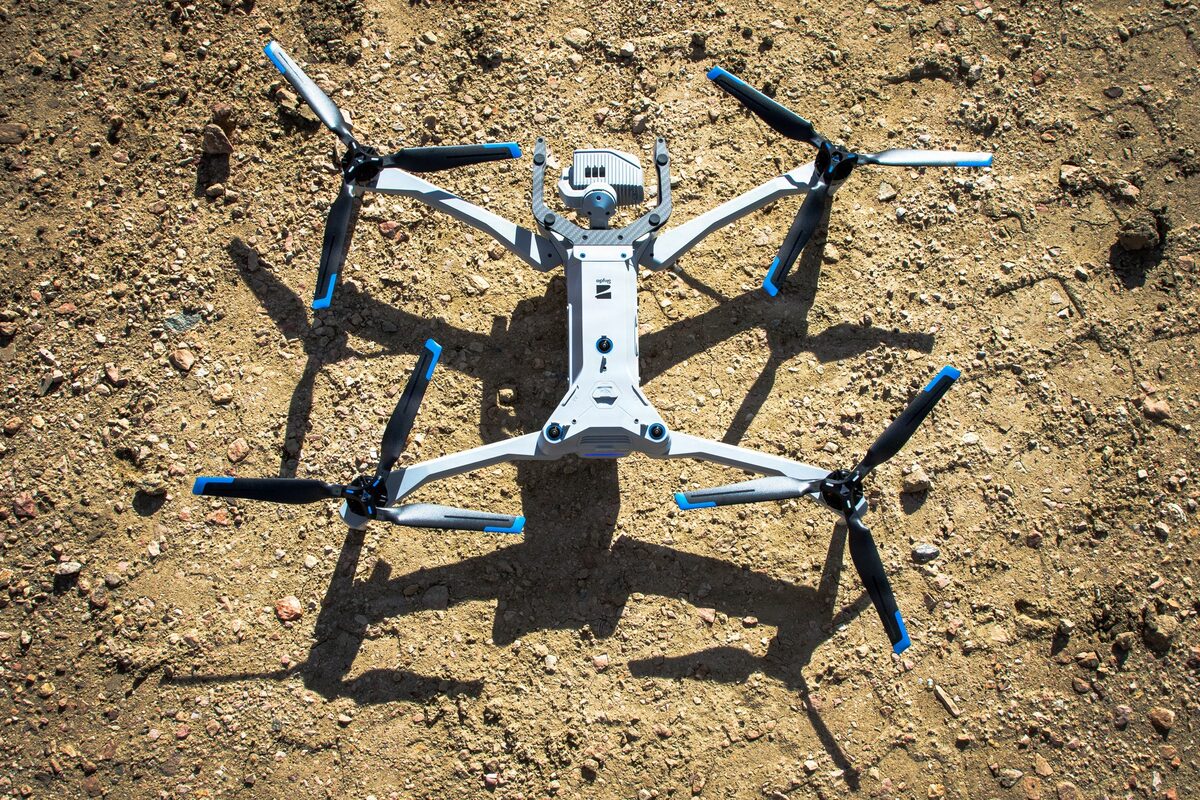
Neros Triples to $2.5B Valuation in $250M Series C, Adds Bandit Interceptor to Product Line
Los Angeles drone maker Neros raised a $250 million Series C at a $2.5 billion valuation on August 11, 2026, funding a new Bandit counter-UAS interceptor alongside its Archer AI strike drone as it chases 1 million units/year of production by 2028.
-
Industry & Contracts
First Production Laser: AeroVironment's $400M Locust Deal Moves Directed Energy From Prototype to Product Line
Bloomberg reports the Army will buy at least $400M of AeroVironment's Locust counter-drone lasers — the Pentagon's first production contract for a directed-energy system beyond the prototype phase — sending AVAV up ~8-9% and turning the E-HEL program of record from negotiation into recurring revenue.
-
Industry & Contracts
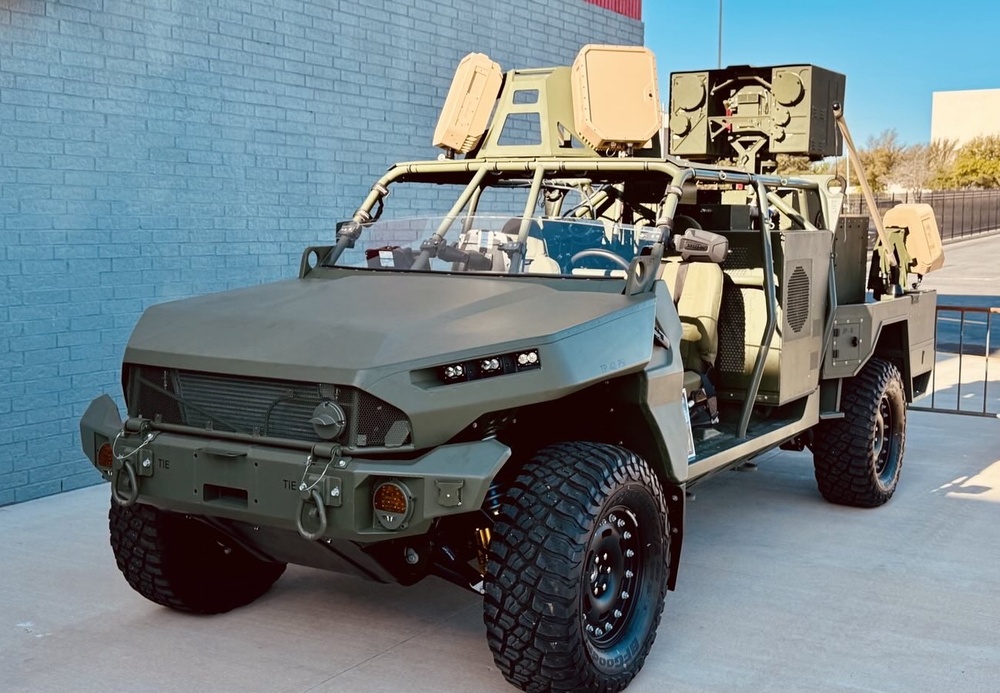
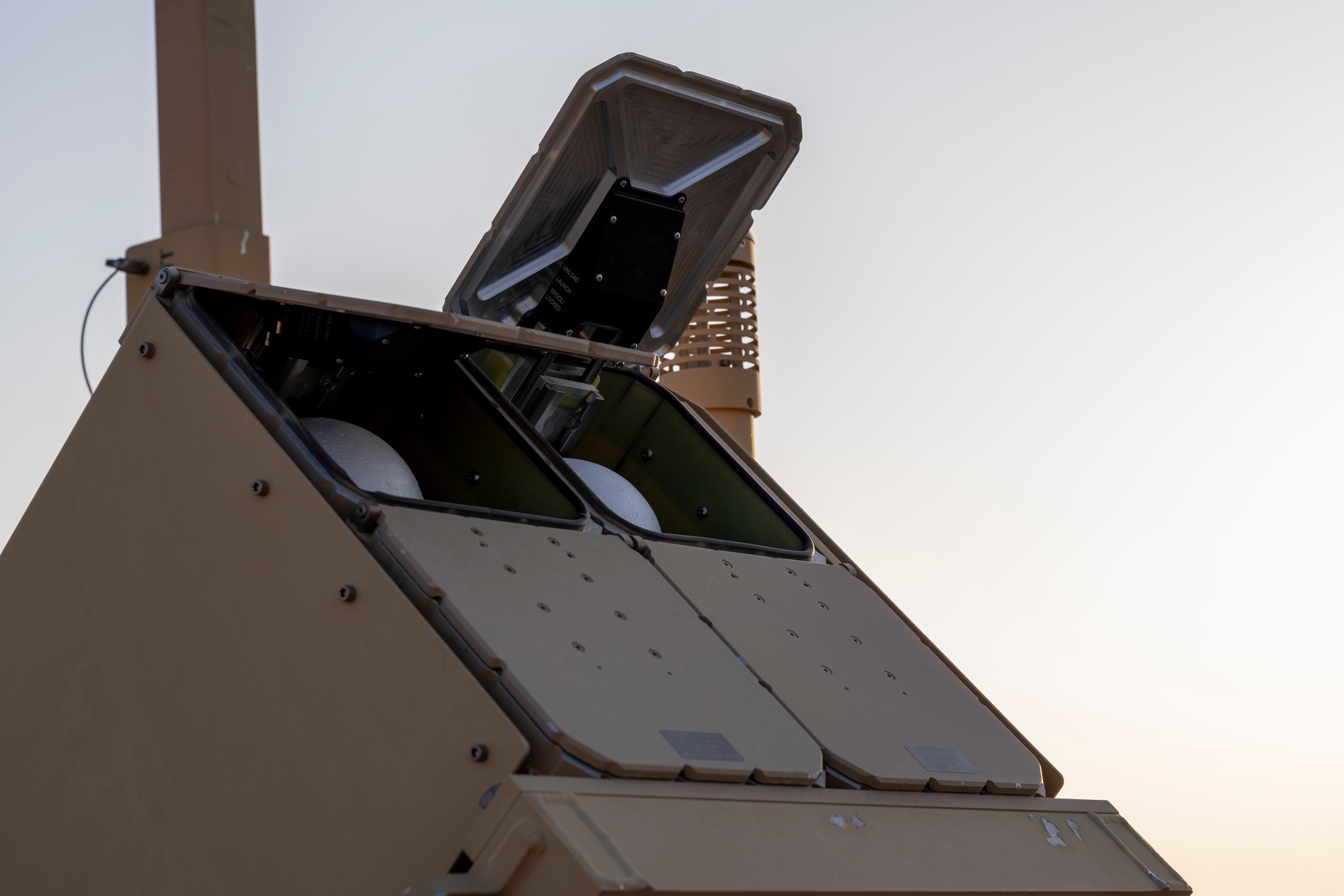
Army's Sub-$150K Missile Hunt: NGCM Sources-Sought Targets Cheap Group 2/3 Drone Killers for the Coyote Launcher
The Army wants a Coyote Launcher-compatible interceptor that can kill Group 2/3 drones at 16+ km for under $150,000 a round, with industry responses due August 20.
-
Defense & Combat
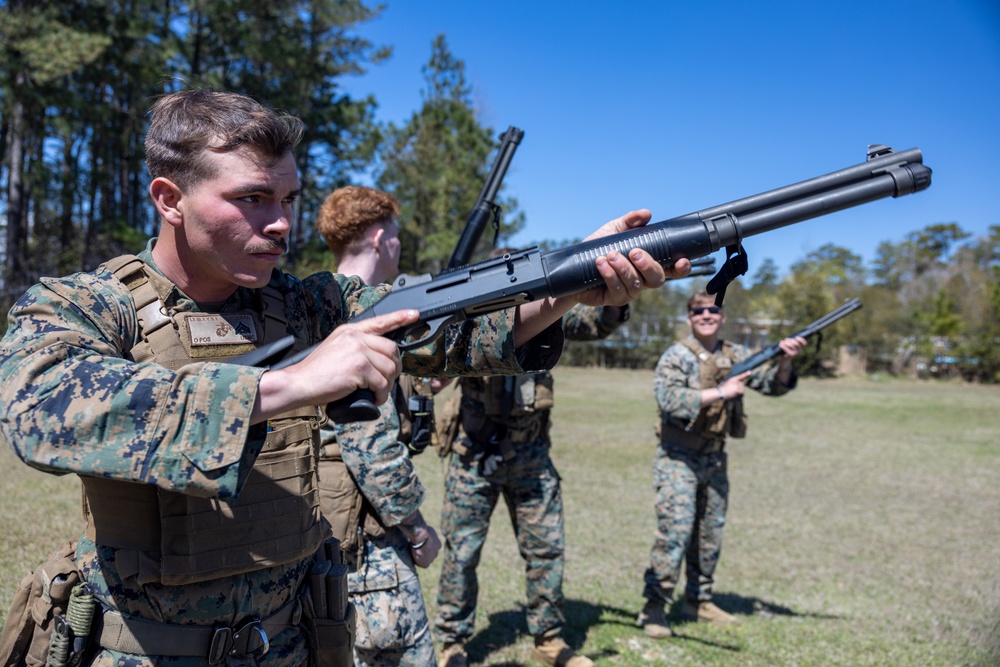
Shotguns Go to War Against FPV Drones as Ammo Makers Race to Arm Dismounted Troops
A new Janes special report details how ammunition makers are fielding tungsten-shot 12-gauge rounds and other counter-UAV cartridges as militaries scramble to give infantry a fighting chance against kamikaze FPV drones.
-
Counter-UAS
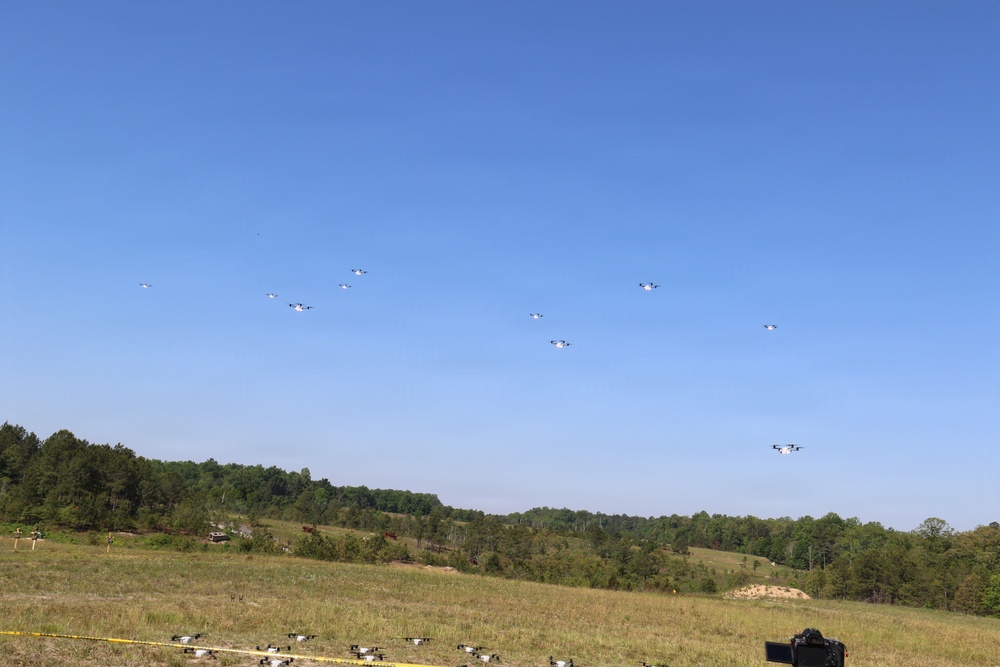
Inside 'Warden': How the Army's C5ISR Center Is Grading 17 Counter-Drone Vendors Against Real Swarms
The Army's DEVCOM C5ISR Center ran its first 'Warden' assessment at Fort A.P. Hill, pitting 17 vendors' lasers, jammers and interceptor drones against 12+ UAS types including swarms.
-
Tech & Builds
A $240,000 Sea Drone Just Proved It Can Shadow a Billion-Dollar Chinese Warship
Seasats says its 12-foot Lightfish USV tracked a Chinese Type 052D destroyer to within a few hundred meters off Luzon on June 15, a Reuters-verified encounter that puts cheap autonomous sea drones on a collision course with contested Indo-Pacific waters.
-
Counter-UAS
Pentagon's Counter-Drone Task Force Publishes 'Small Drones, Big Problems' Handbook
JIATF 401, the Army-led counter-UAS task force stood up last fall, has released a first-principles handbook aimed at giving the military, agencies, industry and academia a shared vocabulary and layered-defense framework for fighting small drones.