U.S. Army
Every UASFeed story on U.S. Army — across defense, counter-UAS, industry, commercial, policy, and tech, newest first.
-
Counter-UAS
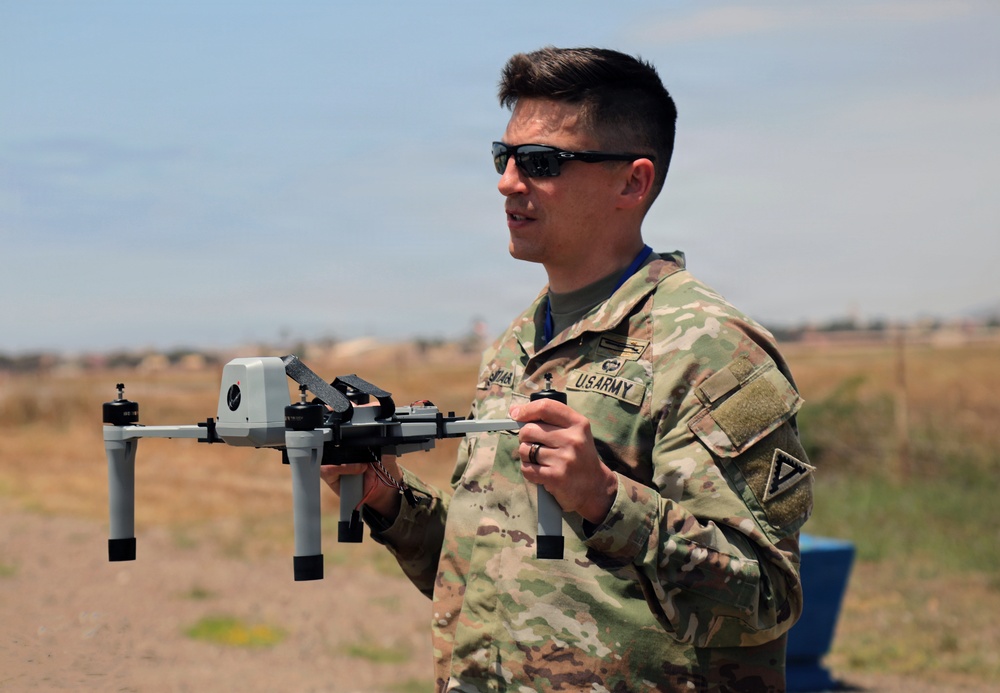
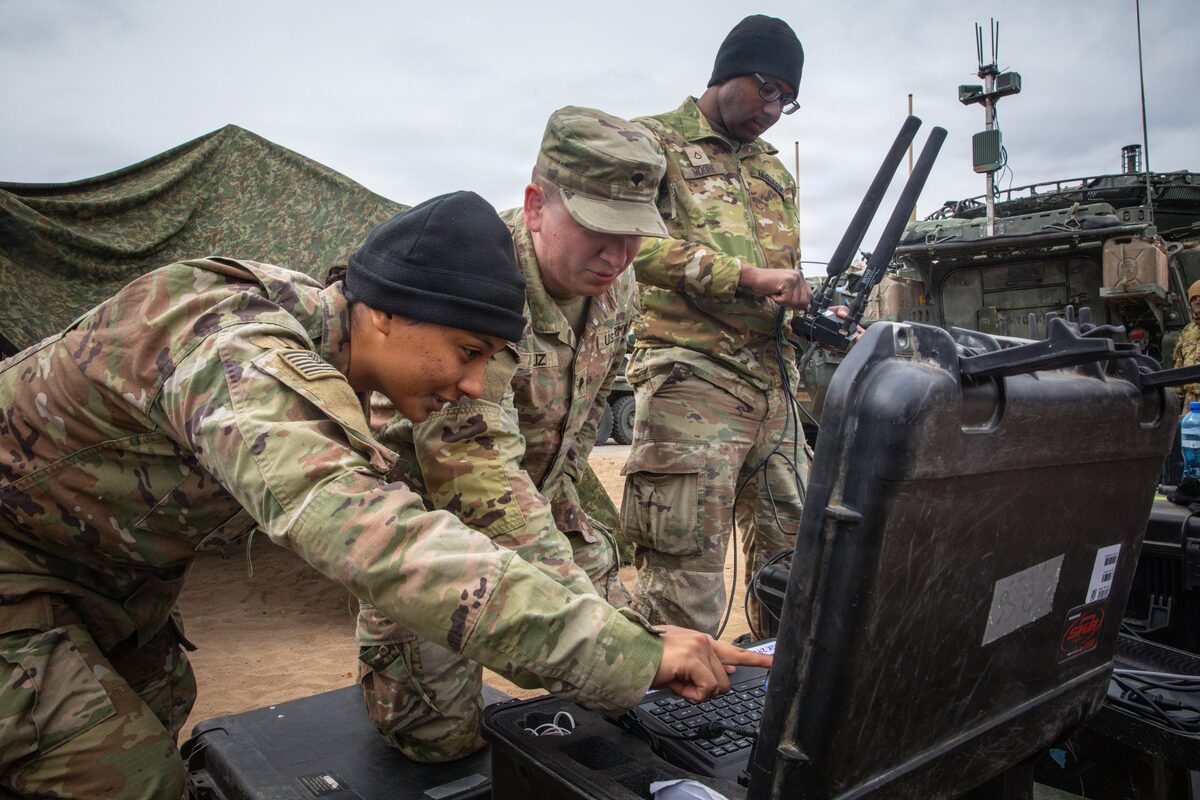
Army Seeds Drone-Detection Sensors From a FireAnt Robot in Morocco, and the Hard Part Is Still the Data
In Morocco, the Army tested small robots that drop ground sensors to detect drones, but it released no results, and the hard part is still turning all that sensor data into something soldiers can use.
-
Counter-UAS
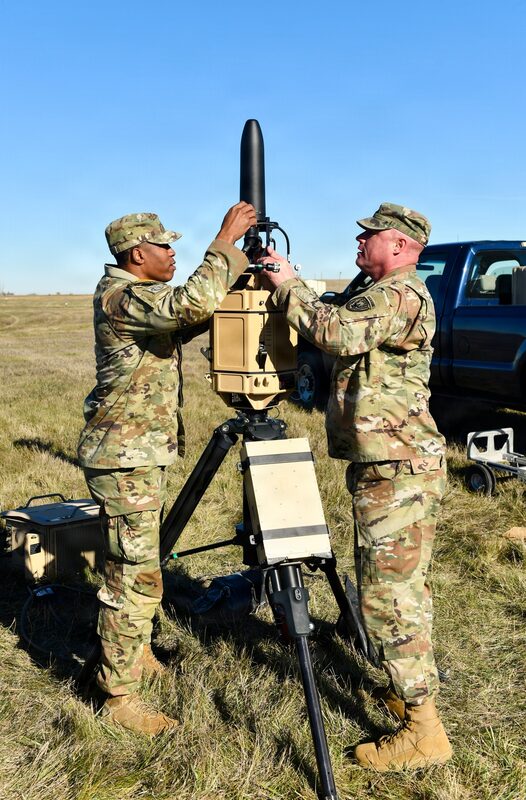
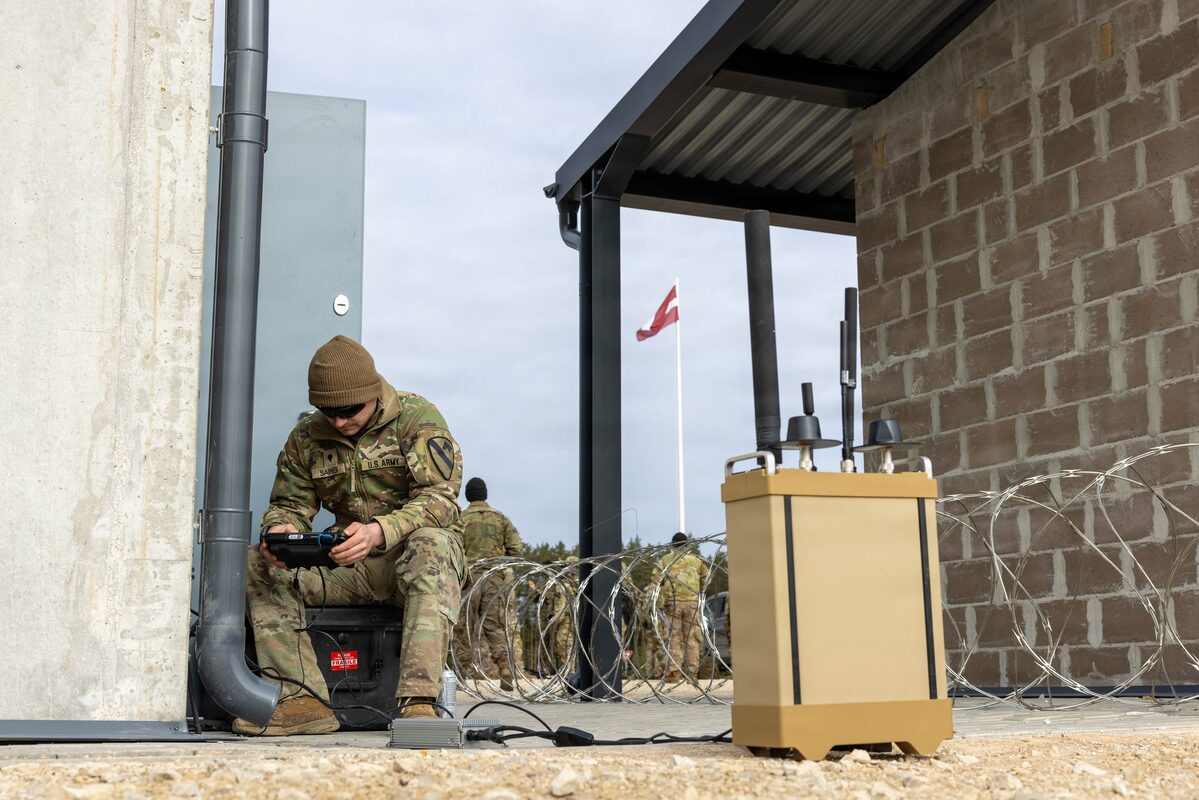
DroneShield Says Its Layered Fixed-Site Counter-Drone Kit Reached IOC for JIATF-401, Pairing RF Sensing With Echodyne Radar
DroneShield says a fixed-site counter-UAS package that pairs its RF sensing and electronic countermeasures with Echodyne's EchoShield radar has reached Initial Operational Capability for JIATF-401. The announcement gives no site count, location or performance data.
-
Counter-UAS
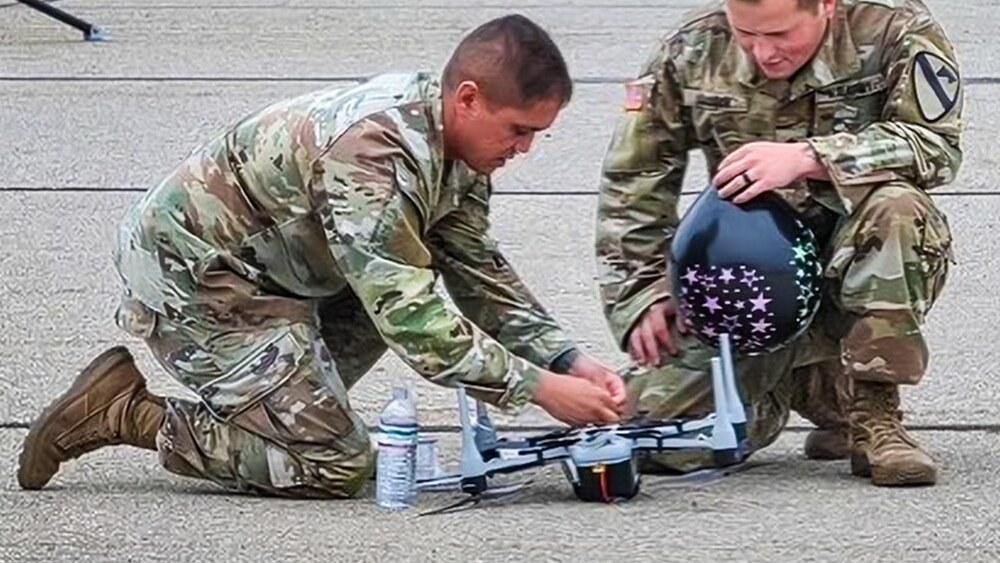
Bumblebee V2 Reaches Army Artillery: 1st Cavalry's Sensor Platoon Trains on a Drone That Rams Drones, and Still No Hit-Rate Numbers
JIATF-401 has put 1st Cavalry Division Artillery's sensor platoon on the Bumblebee V2 at Fort Hood. The drone flies ISR missions and also downs other drones by ramming them. It is the latest stop on a growing tour, but official releases still give no intercept counts or live-fire results.
-
Counter-UAS
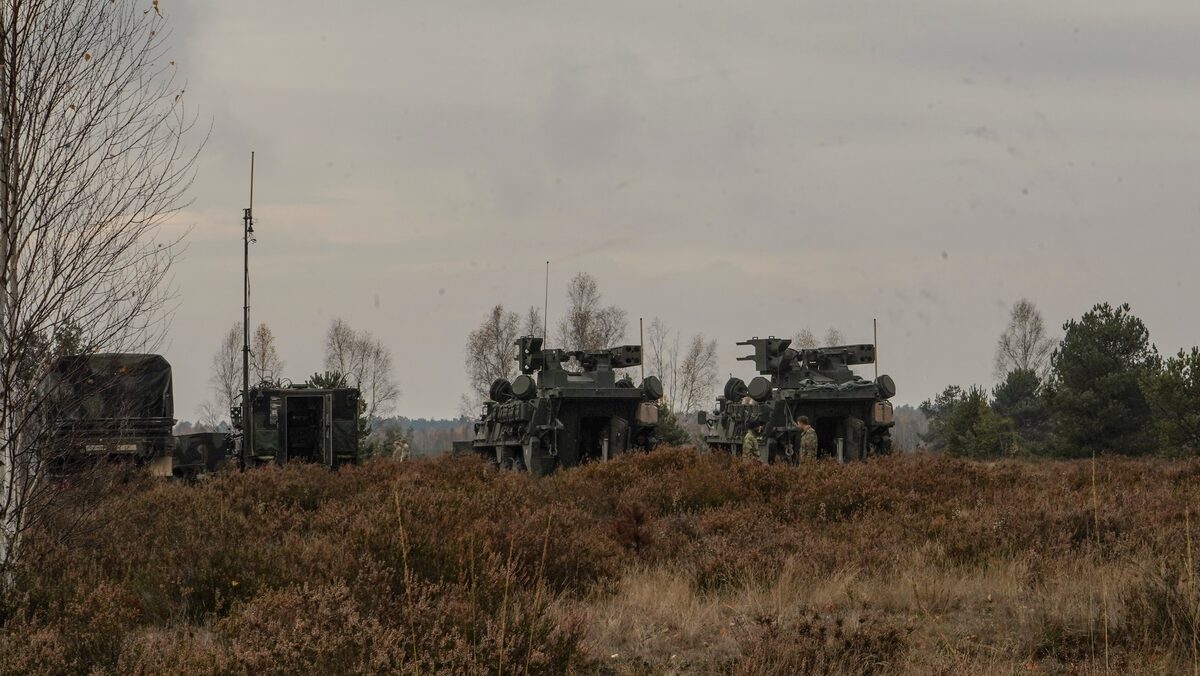
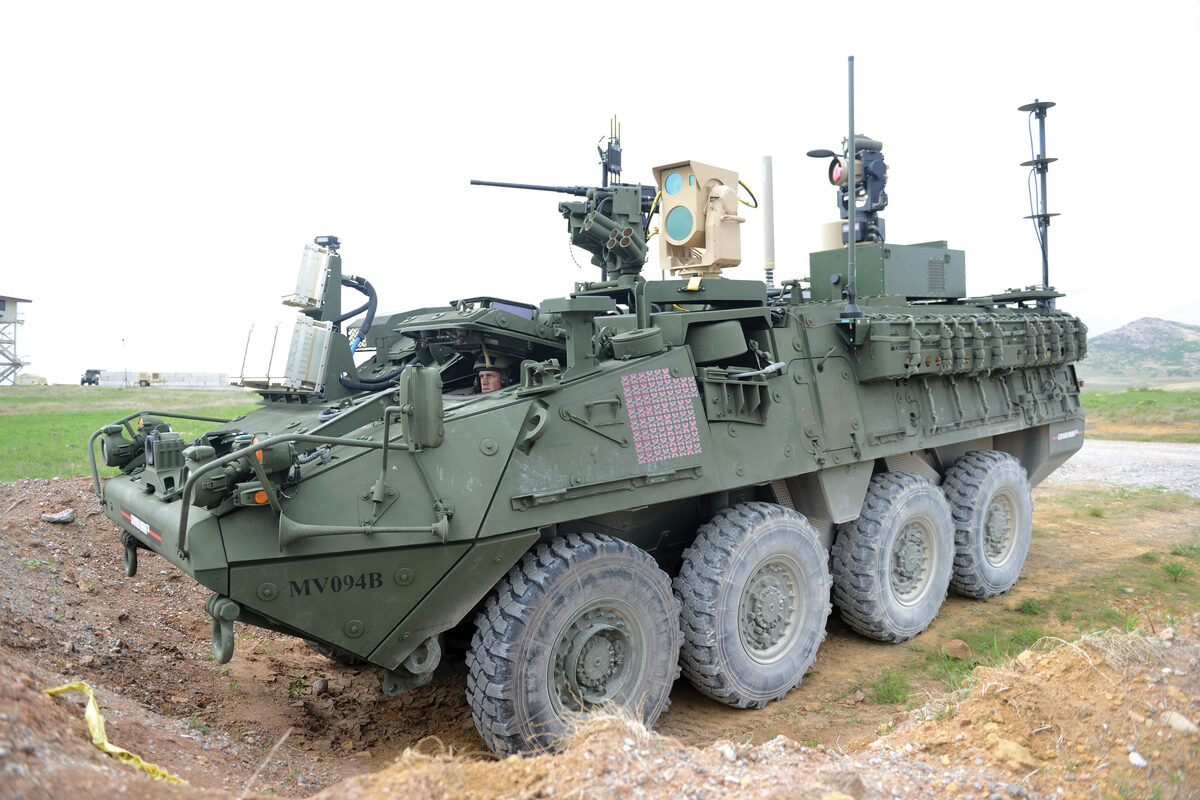
U.S. Army Air Defenders Fly the FD-1 Interceptor From a Stryker-Based SGT Stout in Poland, and the Real Product Is the Training Pipeline
At Ustka, Poland, the 5-4 ADA's TIE Battery launched FD-1 interceptor drones from a SGT Stout and over the Baltic to build cheap lower-tier magazine depth against massed UAS. The bigger output was a certification table that turns a soldier with no FPV experience into an operator, with no kill results or cost per shot released.
-
Counter-UAS
Raytheon's $729M LIDS Award Sends Coyote and KuRFS Abroad for the First Time, to Qatar and Jordan
Raytheon's $729M LIDS award covers the US Army, Qatar and Jordan and marks the first export sales of Coyote and KuRFS, but it came without quantities, delivery dates or a per-customer split. A 2022 notification to Congress for a $1.0B Qatari buy is the best public yardstick available.
-
Counter-UAS
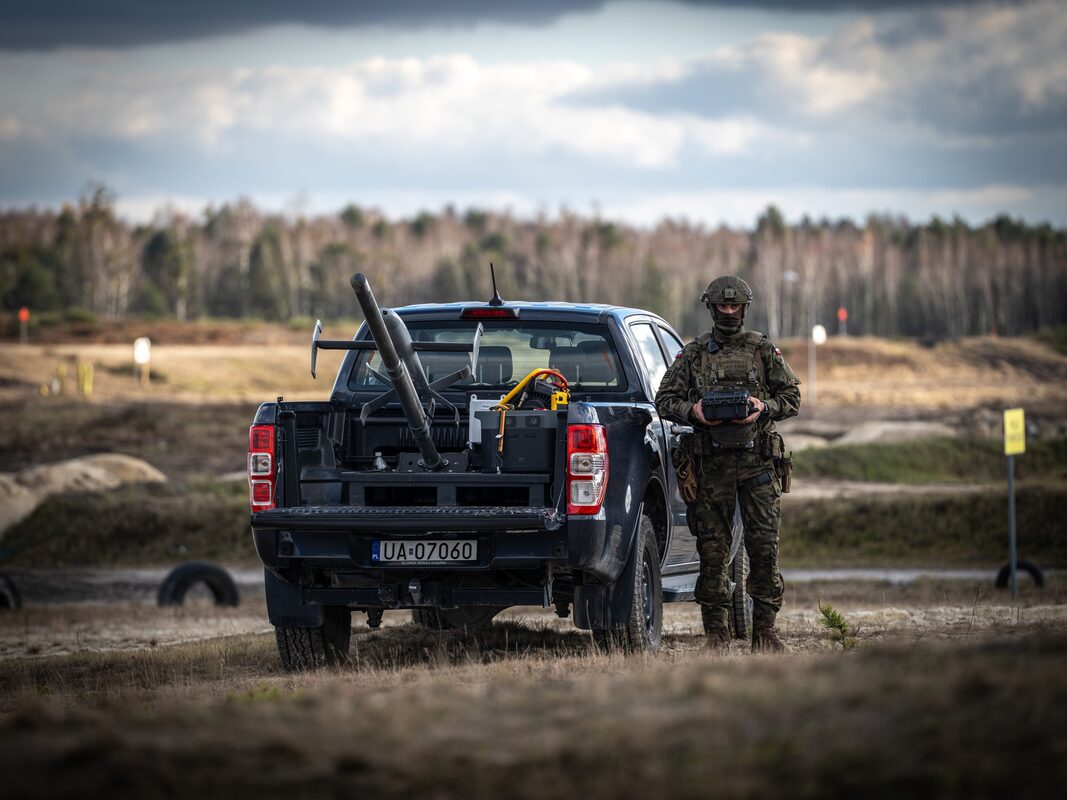
Army Places Second G-TEAD Order for Mountain Horse FD-1 Interceptor Drones
The Army's G-TEAD office has placed a second order for Mountain Horse Solutions' FD-1 quadcopter interceptor. A company official told Janes the order covers 385 units, after 300 earlier this year. The company has not published the quantity or the contract value.
-
Counter-UAS
Army Says Merops Interceptor Went From Urgent Need to Program in 142 Days, at About $15,000 a Shot
The Army's G-TEAD says the Merops drone interceptor became a formal program in 142 days, beating its 180-day target, after the service bought 13,000 rounds at about $15,000 each to answer Shahed-type drones that cost far more to stop with Patriots.
-
Counter-UAS
Army Says First E-HEL Laser Counter-Drone Weapons Could Reach Soldiers by Early 2028, After a $464.8 Million LOCUST X3 Award
The Army says its first Enduring-High Energy Laser counter-drone weapons could reach soldiers as early as December 2027 to January 2028, and no later than spring 2028. They will be built on AeroVironment's LOCUST X3 under a $464.8M deal that AV calls the first US production contract for laser weapons.
-
Counter-UAS
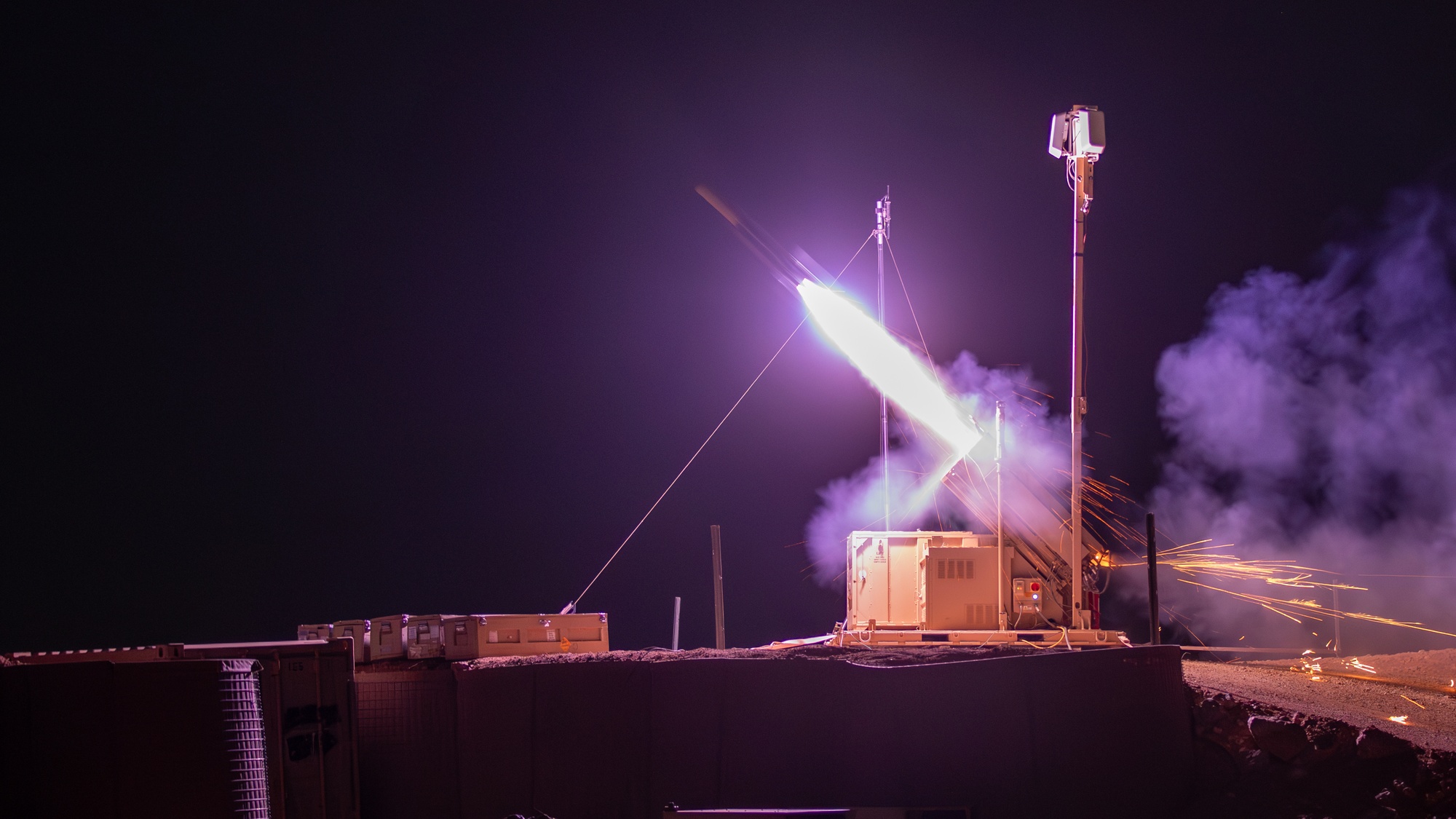
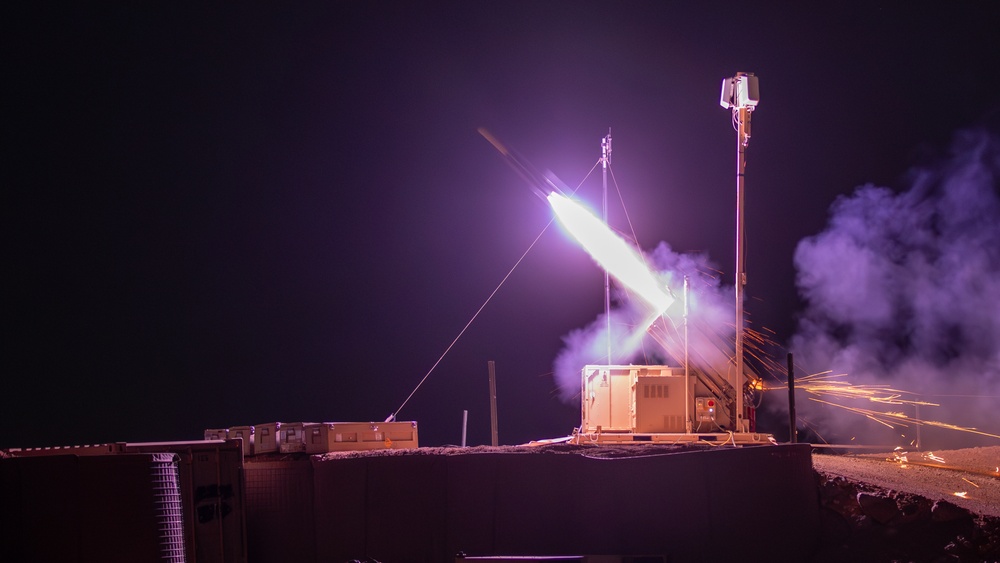
Raytheon Swaps the Coyote's Jet Engine for a Rocket Motor, Pushing the Counter-Drone Interceptor Toward SAM Territory
Raytheon's company-funded Coyote Block 2C+RM trades the interceptor's turbojet for a solid rocket motor plus a new seeker and warhead. It has flown three developmental tests and is aimed at faster jet-powered attack drones, but no US military contract for it has been confirmed.
-
Counter-UAS
DroneShield Fields DroneSentry-X Mk2 on Army Infantry Squad Vehicles 80 Days After Award as JIATF-401 Pushes Rapid Counter-Drone Fielding
DroneShield says DroneSentry-X Mk2 reached initial operational capability on U.S. Army Infantry Squad Vehicles about 80 days after a JIATF-401 award, with three more units planned. Contract value, first-batch size and performance specifications were not disclosed.
-
Counter-UAS
Duke Leads $24M Army Program to Hack Enemy Drones Out of the Sky Instead of Shooting Them Down
Duke University will lead a six-year, $24 million Army-funded effort called ICE-CEM to detect, disrupt and seize control of hostile drones using cyber and radio-frequency techniques rather than kinetic interceptors.
-
Counter-UAS
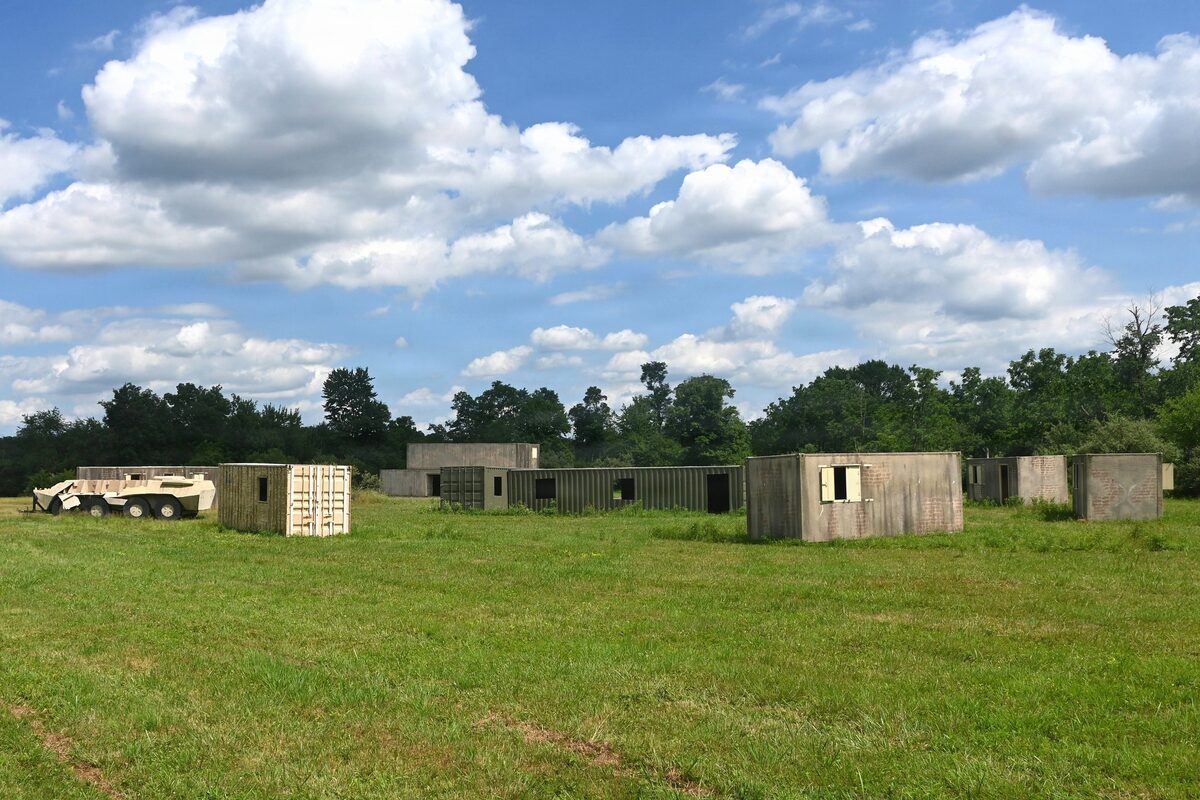
Virginia Tech Opens Army-Funded Counter-Drone Proving Ground at Kentland Farm
Backed by a $5 million Army contract, Virginia Tech cut the ribbon on a Counter-UAS Testing and Research Center at Kentland Farm to pit commercial detection and defeat systems against real drone threats.