Department of Defense
Every UASFeed story on Department of Defense — across defense, counter-UAS, industry, commercial, policy, and tech, newest first.
-
Defense & Combat
What Military Drones Actually Cost, Platform by Platform
A verified cost ladder across drone classes, from $500 FPV strike drones to a $618 million MQ-4C Triton, showing why unit cost, all-up-round cost, and program cost are not the same number.
-
Defense & Combat
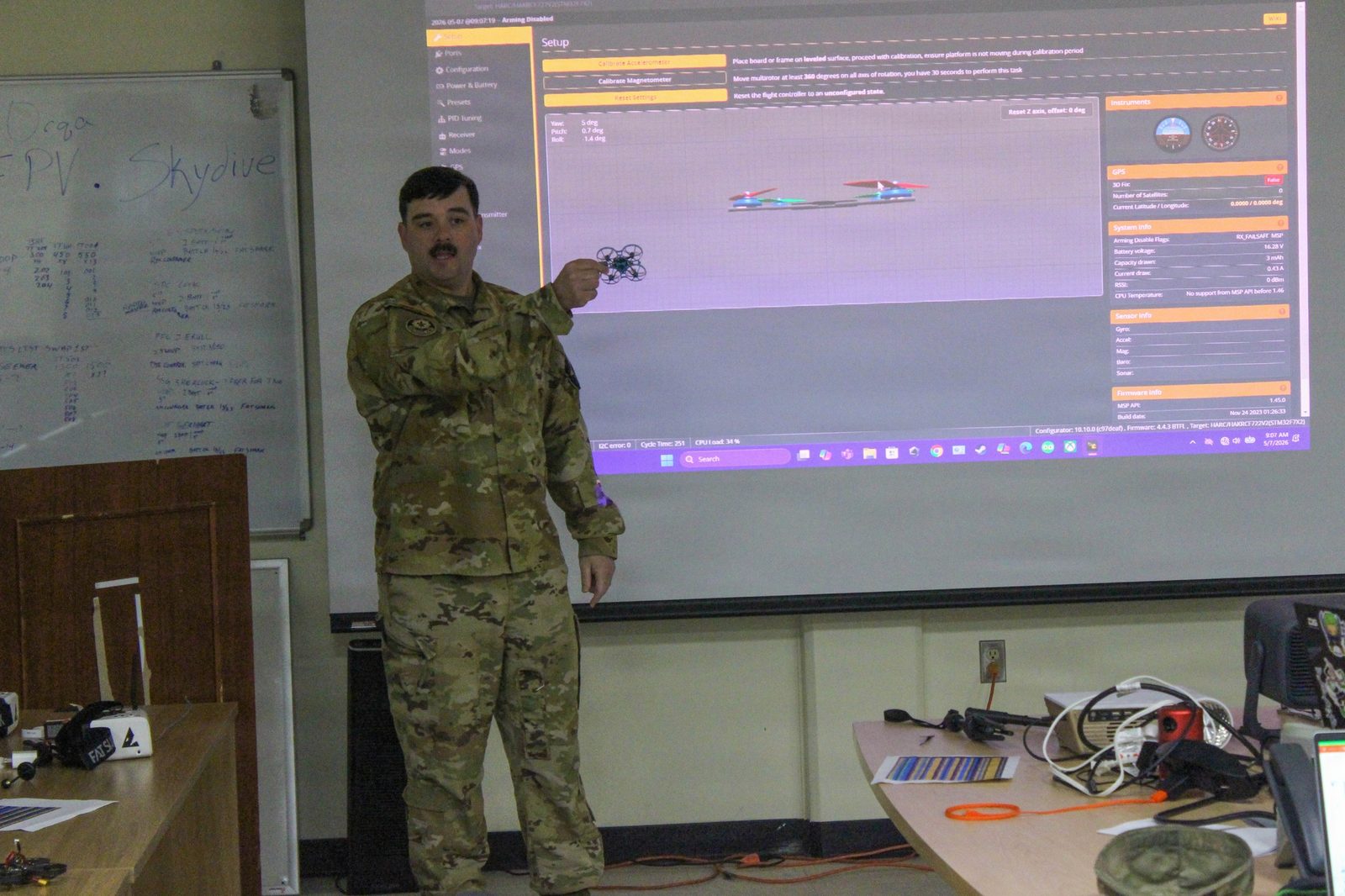
How Military Drone Pilots Are Trained: Inside the UAS Pipeline
From Air Force officers flying MQ-9 Reapers to Army 15Ws at Fort Huachuca to squad-level FPV familiarization, a look at how the U.S. military actually trains drone operators, and how South Korea and Ukraine compare.
-
Tech & Builds
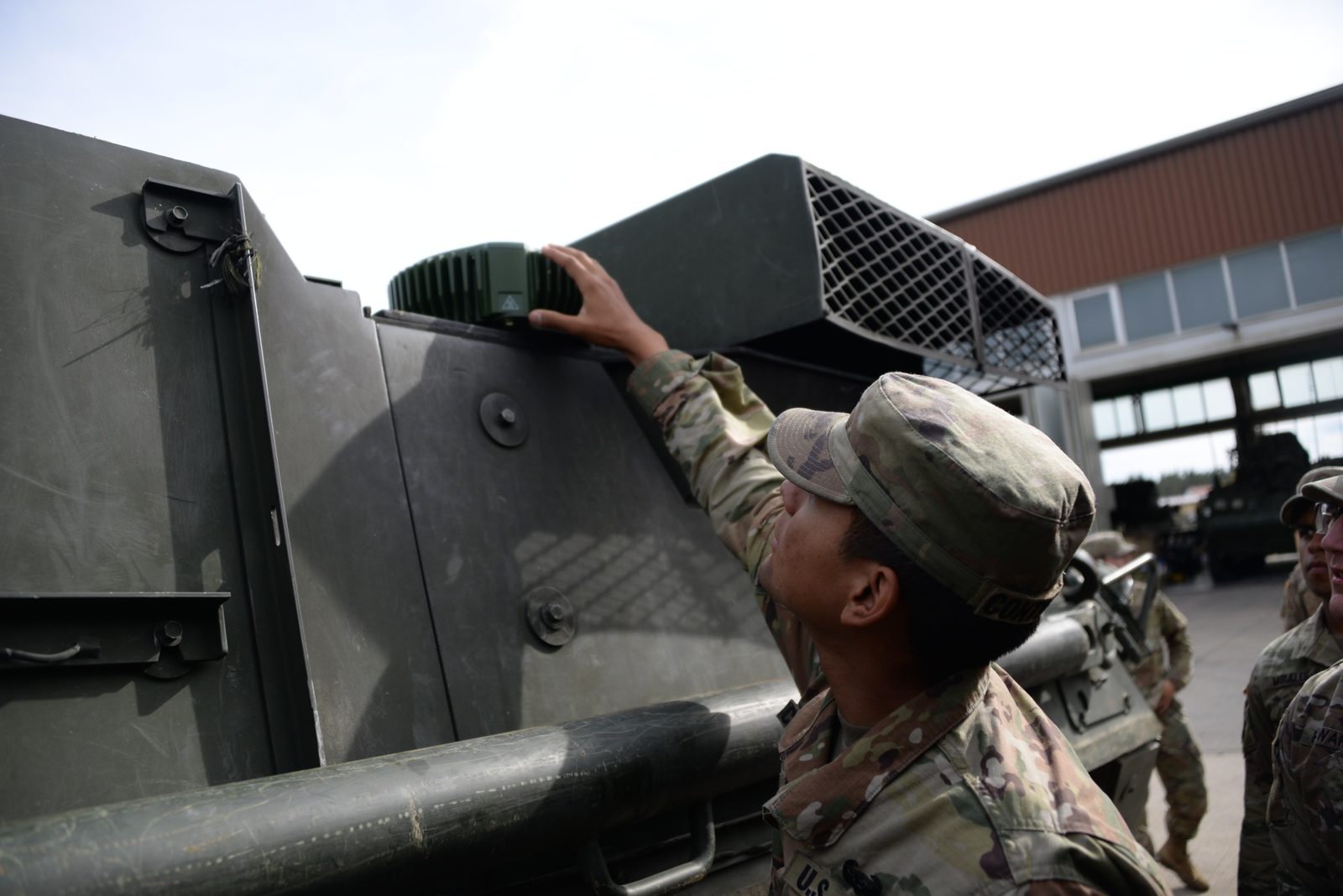
How the Military Is Solving GPS Jamming Now That R-GPS Is Dead
The Space Force killed its Resilient GPS anti-jam satellite program in January 2026. Here's why it died, what M-code, GPS IIIF and CRPA anti-jam antennas are doing instead, and why the timing is brutal given jamming in Ukraine and the Middle East.
-
Counter-UAS
Counter-UAS Technology Compared: Kinetic, RF Jamming, High-Power Microwave, Laser, and Net Interceptors
A side-by-side comparison of the five ways drones are actually defeated today — kinetic interceptors, RF/GPS jamming, high-power microwave, directed-energy lasers, and net-capture systems — with range, cost per engagement, tradeoffs, and who's legally allowed to use each under SAFER SKIES.
-
Defense & Combat
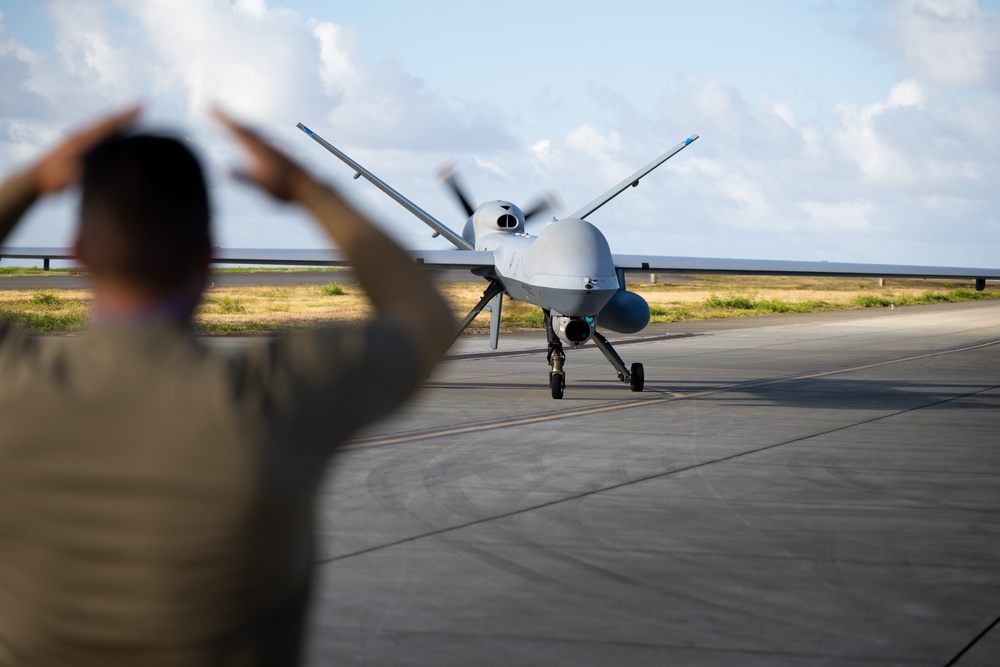
Pentagon's DIU Opens Hunt for Disposable Drone to Complement the MQ-9A Reaper
DIU's new Massed Modular Aircraft solicitation seeks a cheap, mass-producible drone that can fly 2,300 nm combat radius with a 2,800-lb payload to take over Reaper missions and absorb combat losses.
-
Industry & Contracts
Cathie Wood's Ark Invest Piles Into Kratos Defense as Drone and Anti-Drone Budget Bets Pay Off
Ark Invest bought roughly $9.1 million of Kratos Defense stock in early July 2026, betting on a drone maker whose unmanned systems revenue is growing over 30% amid a proposed $70 billion Pentagon drone budget.
-
Counter-UAS
AeroVironment's Titan-MS Wins First $80.5M Task Order to Shield Barksdale AFB From Drone Incursions
The Army issued the first task order under AeroVironment's $500M Domestic Shield IDIQ on July 6, sending $80.5M worth of Titan-MS counter-drone sensors to Air Force Global Strike Command bases after Barksdale AFB's repeated 2026 incursions.
-
Counter-UAS
Russia's $1.5 Million Jammer Problem: Inside the Race to Blind Ukraine's Starlink-Guided Drones
Reuters reports Russia is fielding a $1.5M Crimean-built jammer that can disrupt Starlink over just 20 sq km at a time — and Ukraine's 422nd Regiment is already destroying the trailers.
-
Commercial & Delivery
Drone Industry's Next Bottleneck Isn't Airframes — It's Battery Cells, and China Owns Them
A July 7 industry op-ed warns China controls 75-85% of global lithium-ion cell capacity and 99% of spherical graphite anode material, just as FY2024 and FY2026 NDAA bans on six Chinese battery makers begin phasing in against Pentagon drone purchases.
-
Defense & Combat
DIU Wants a Cheap, Mass-Producible Hunter-Killer Drone to Replace the Reaper
The Defense Innovation Unit is soliciting a low-cost, modular strike/ISR drone to replace the MQ-9A Reaper after nearly 30 were lost in recent Iran operations, with bids due July 23, 2026.
-
Industry & Contracts
Kratos Adds 100,000+ Square Feet to Oklahoma City Plant to Scale Jet-Drone Output
Kratos is expanding its Oklahoma City campus by more than 100,000 square feet to push jet-drone output beyond 165 units a year, backing Valkyrie, Firejet and Taiwan's Mighty Hornet IV programs.
-
Counter-UAS
DroneShield's Q3 Software Leap Lands as Pentagon Counter-Drone Spending Pipeline Swells
DroneShield sharpened its RF detection and tracking software on July 6 just as the Pentagon handed AeroVironment a potential $500 million counter-drone contract, underscoring a red-hot C-UAS market racing to outpace cheaper, faster drone threats.