Department of Defense
Every UASFeed story on Department of Defense — across defense, counter-UAS, industry, commercial, policy, and tech, newest first.
-
Tech & Builds
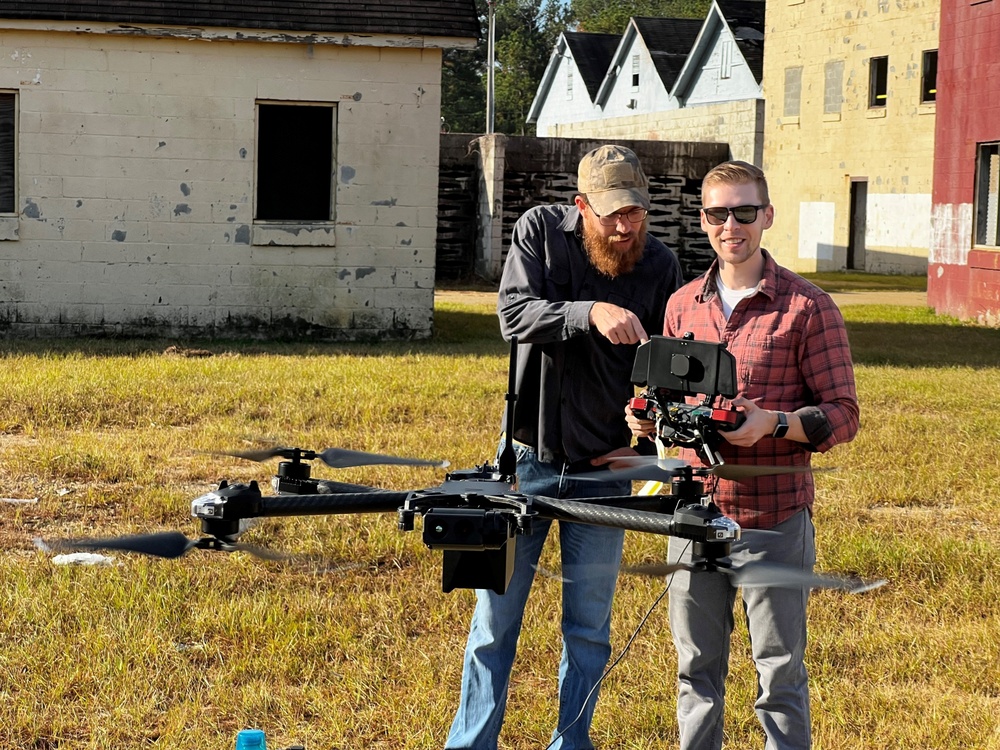
Hoverfly's New 'Elements' Division Bets That the Pentagon's War on Chinese Drone Parts Is Just Getting Started
At XPONENTIAL 2026, Hoverfly launched Elements, an NDAA-compliant drone components line — motors, ESCs and anti-jam GPS modules — built to meet the Pentagon's Drone Dominance Program deadlines for purging Chinese parts from $6.6B in sUAS buys.
-
Tech & Builds
Swarm Mesh Networking: The Hidden Architecture Behind Autonomous Drone Coordination
Drone light shows and true autonomous swarms share an airspace but almost nothing else. The decentralized MANET/FANET mesh—multi-hop routing, anti-jamming MARL, GPS-denied positioning—is what separates choreography from genuine collective autonomy, and what DARPA OFFSET and Replicator's $1B are chasing.
-
Defense & Combat
Phoenix Ghost: The Air Force's Classified Loitering Munition Family Built for Ukraine
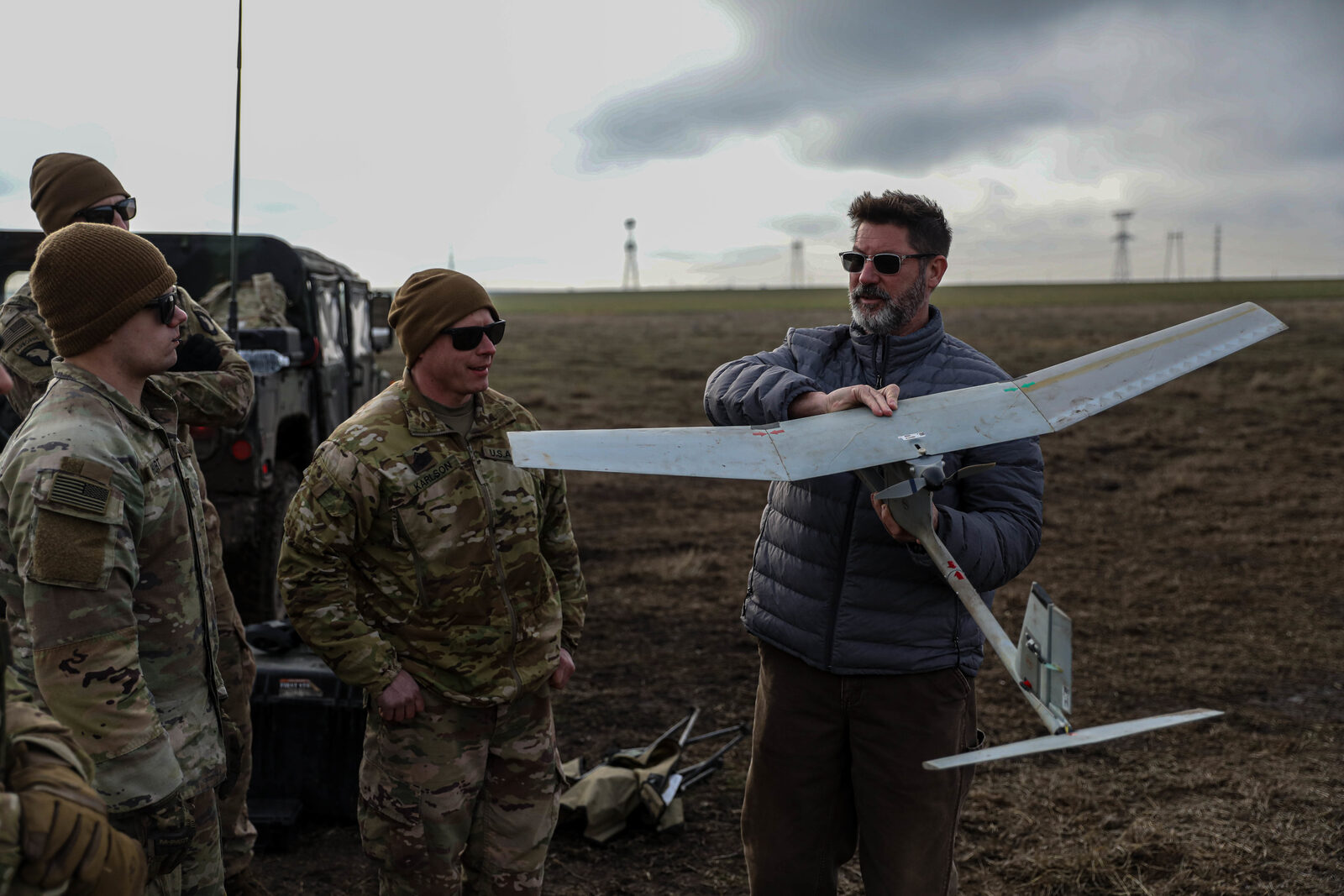
AEVEX Aerospace's Phoenix Ghost — developed under a classified U.S. Air Force program before Russia's 2022 invasion — grew from a 121-drone Ukraine announcement into a $576 million, 5,000-unit program encompassing four named variants across two UAS groups. Here's what's confirmed, and what remains classified.
-
Defense & Combat
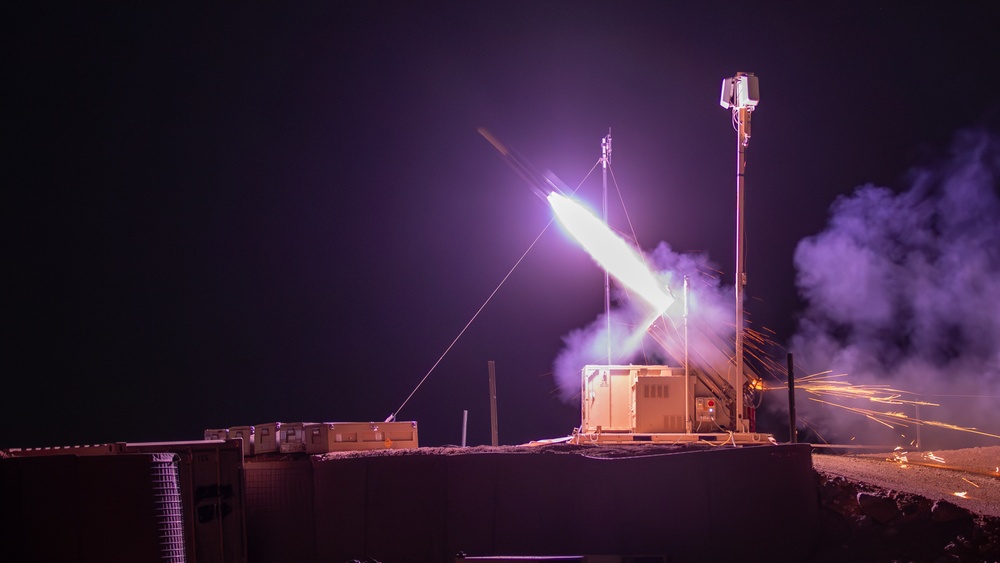
Raytheon Coyote Explained: The Army's Counter-Drone Interceptor and Its Cost Problem
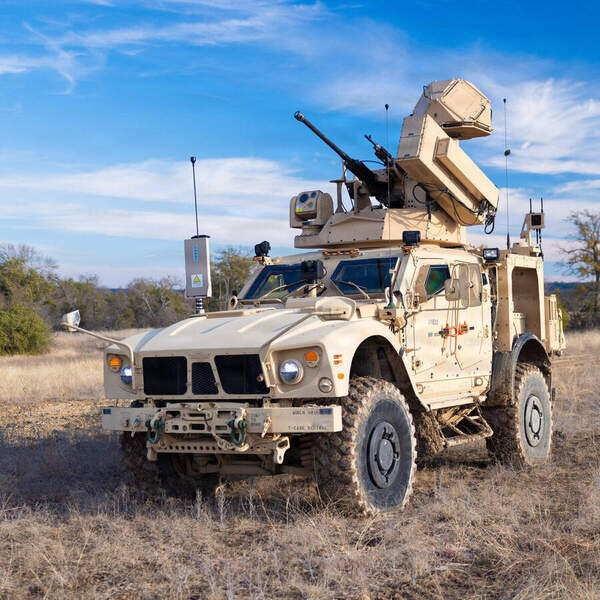
The Raytheon Coyote began in 2014 as a disposable ISR drone. It is now the U.S. Army's primary counter-drone interceptor — fielded in kinetic and non-kinetic variants under a $5 billion contract — and caught in an unresolved cost-exchange equation that defines modern C-UAS.
-
Defense & Combat
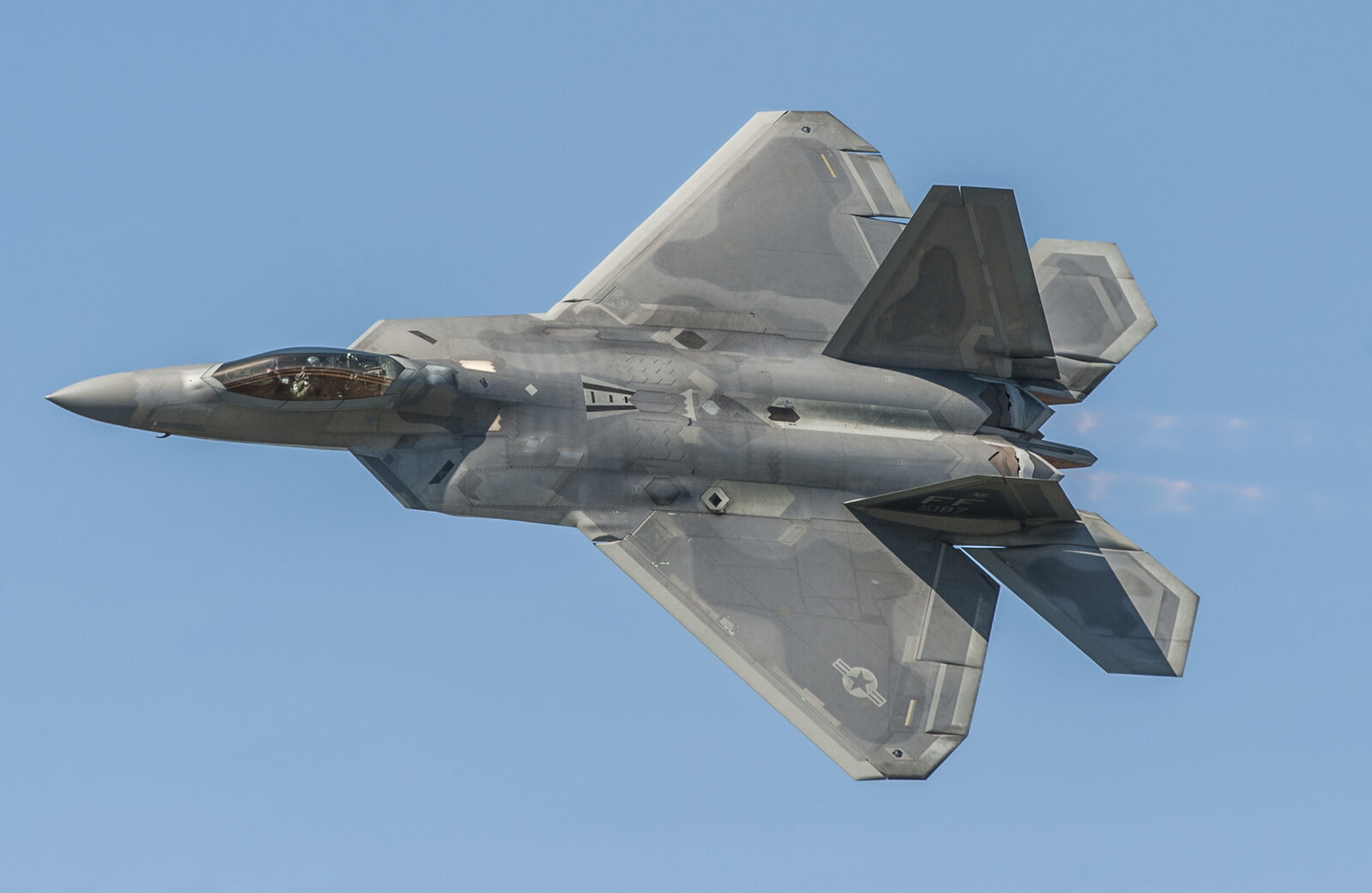
Langley's 17-Night Drone Siege: What Happened, What Failed, What DoD Still Doesn't Know
For 17 consecutive nights in December 2023, unidentified drone swarms penetrated restricted airspace over Joint Base Langley-Eustis, forcing the relocation of F-22 Raptors — while the military's C-UAS authorities and tools proved wholly inadequate to respond.
-
Policy & Regulation
New Jersey's 2024 Drone Wave: What Federal Investigators Actually Found
In late 2024, weeks of nightly drone sightings across New Jersey and the Northeast triggered a federal investigation, thousands of public tips, and emergency airspace restrictions—before a four-agency joint statement concluded most reports were misidentified manned aircraft, with no foreign nexus and no national security threat.
-
Counter-UAS
Counter-UAS at Airports: Why the U.S. Still Can't Stop a Gatwick-Style Closure
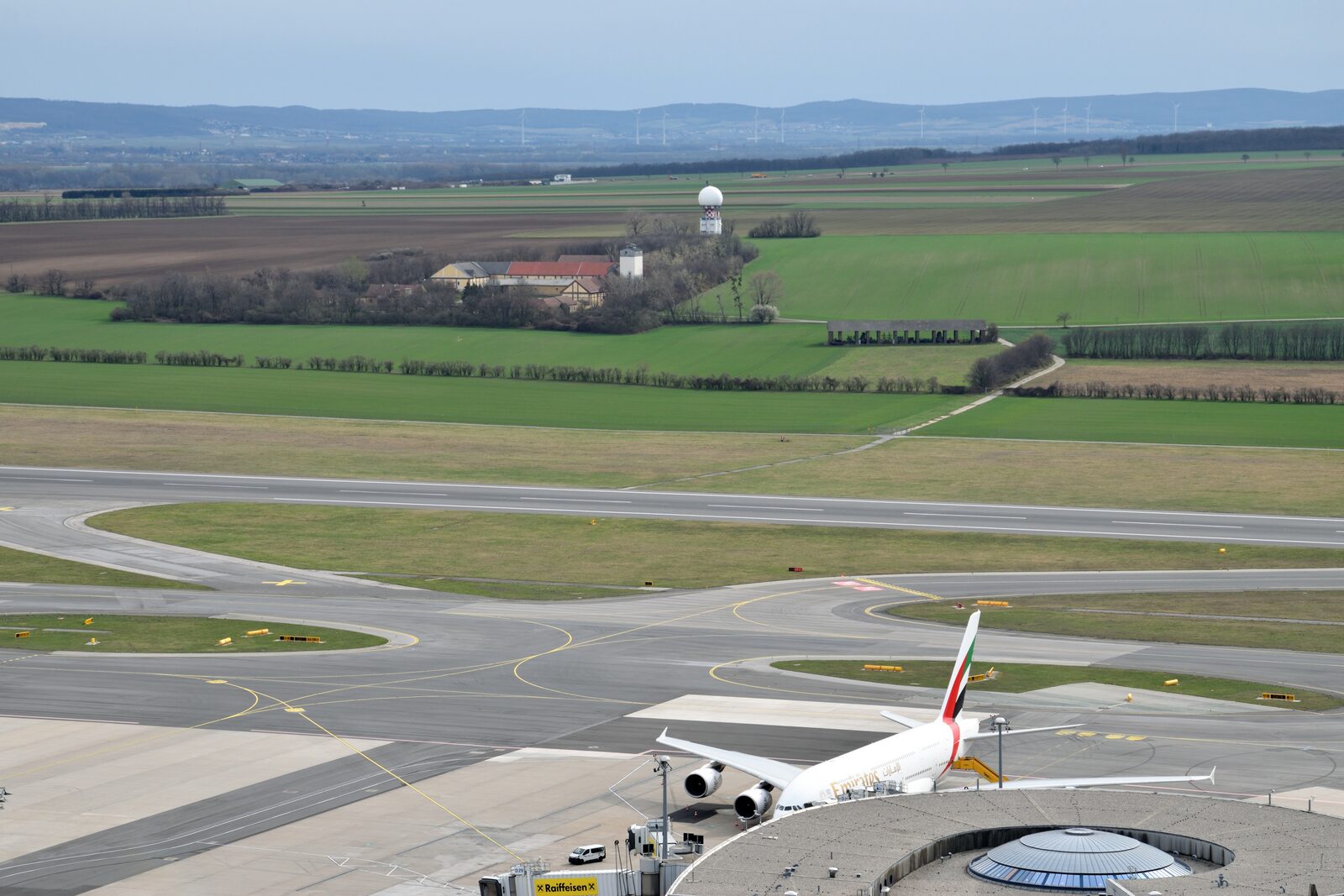
The 2018 Gatwick drone incident cost airlines £50 million and stranded 110,000 passengers — and the perpetrators were never found. Five years on, U.S. airports face hundreds of incursions annually while the FAA still cannot neutralize a drone on its own. Here's how the technology and authority fit together.
-
Counter-UAS
DroneDNA and Sensor Fusion: Inside Dedrone’s Airspace Security Platform
Dedrone, now a division of Axon after a 2024 acquisition, has spent a decade building passive RF detection infrastructure deployed at military bases, airports, stadiums, and prisons across six G7 governments. Understanding where detection ends and the legal wall against mitigation begins is essential context for the C-UAS market.
-
Counter-UAS
Fortem DroneHunter F700: The Autonomous Net-Catcher Closing the Jammer Gap
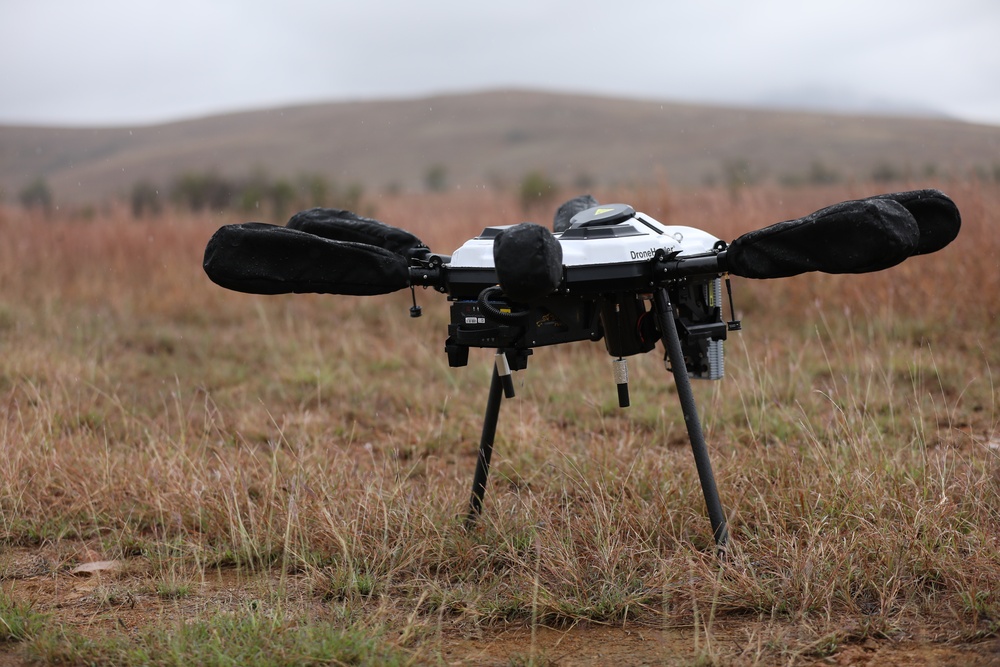
Fortem's DroneHunter F700 autonomously pursues hostile drones, fires tethered nets to capture them in flight, and tows the platform to a forensics zone — no explosives, no jamming. With 4,500+ captures, a Replicator 2 contract, and $25M from Lockheed Martin, it is the Pentagon's answer to GPS-waypoint threats that jammers cannot touch.
-
Industry & Contracts
AeroVironment: How a Glider Champion Built America's Tactical Drone Empire
From Paul MacCready's human-powered aircraft to a $990 million Switchblade contract and a $4.1 billion BlueHalo merger, AeroVironment has quietly become the backbone of U.S. tactical UAS — and is now reshaping itself into a multi-domain defense-tech mid-prime.
-
Industry & Contracts
Anduril Industries: The Software Company Rebuilding the Defense Industrial Base
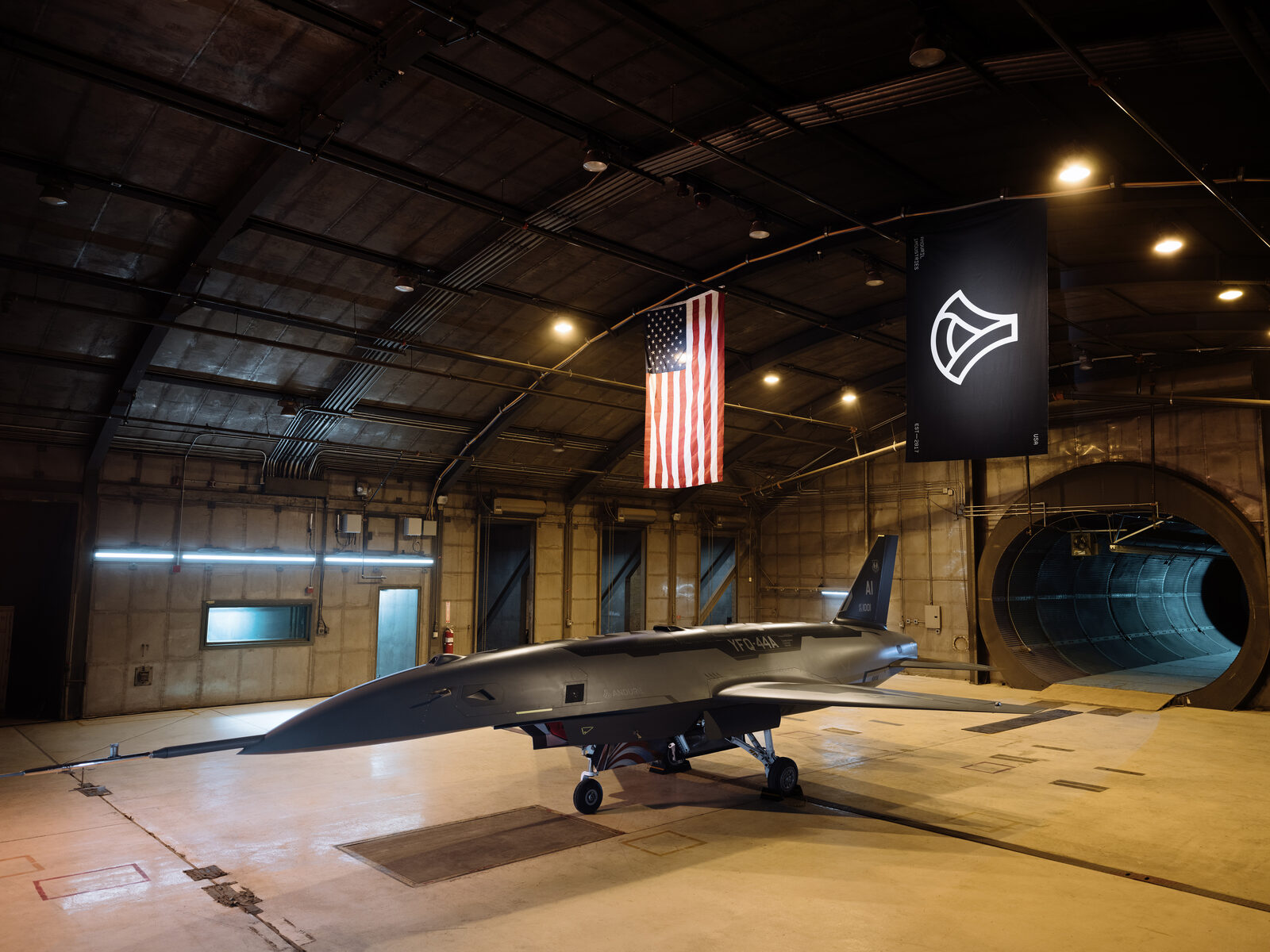
Founded in 2017 by Palmer Luckey and four co-founders, Anduril Industries has grown from a border-surveillance startup into a $30.5 billion defense technology company producing autonomous systems across air, sea, and ground domains on its Lattice AI platform.
-
Industry & Contracts
DJI Dominates the Drone Market — And Washington Wants It Out
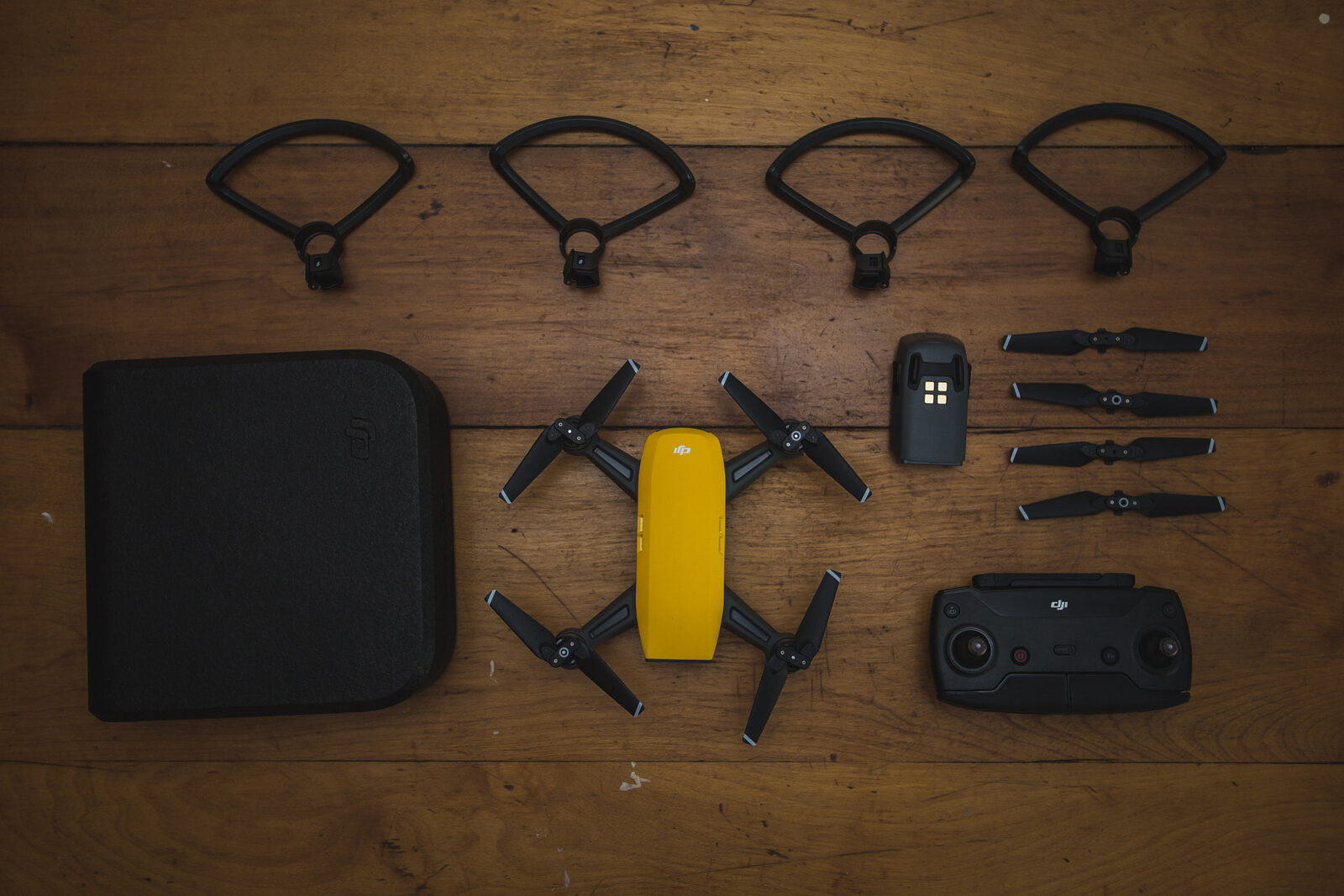
DJI controls over 70% of the global commercial drone market and 90% of consumer sales, yet faces an effective US ban after a cascade of legislative and regulatory actions. Six independent audits have found no evidence of covert data exfiltration — but the structural debate is far from resolved.