DJI
Every UASFeed story on DJI — across defense, counter-UAS, industry, commercial, policy, and tech, newest first.
-
Commercial & Delivery
Drones at Sea: Emissions Policing, Hull Inspection, and Offshore Autonomy
Merchant shipping moves more than 80 percent of world trade behind a veil of opacity — corroding hulls, sulfur-burning engines, and expensive shore logistics. UAVs are now operational across four domains, from EMSA plume-sniffing campaigns to classification-accepted hull inspections conducted on vessels in transit.
-
Tech & Builds
The Full Attack Surface: How UAS Systems Get Compromised
From command-link hijacking to GPS spoofing and supply-chain malware, every layer of a drone system is a potential entry point. Here is how the attack surface breaks down—and what serious operators are doing about it.
-
Tech & Builds
How Drone LiDAR Works: Pulses, Point Clouds, and the Navigation Stack Behind It
Drone LiDAR fires millions of laser pulses per second and rebuilds the physical world as georeferenced 3D coordinates. Here is the physics-to-deliverable chain, from waveform digitization and boresight calibration to centimeter-accurate corridor surveys.
-
Tech & Builds
Multirotor vs. Fixed-Wing vs. Hybrid VTOL: Engineering Tradeoffs for Every Mission
Every drone airframe resolves the same core tension: hover capability costs endurance, endurance costs hover. A physics-first breakdown of how multirotors, fixed-wing platforms, and hybrid VTOLs make that tradeoff — and which missions each class actually wins.
-
Tech & Builds
Centimeter Accuracy from Altitude: How Drone Photogrammetry Actually Works
A drone at 100 meters can produce a map accurate to 1.5 centimeters — if the math of overlap, ground control, and software choices all align. Here is what drives that number and where it breaks down.
-
Tech & Builds
How Drone Thermal Cameras Work: Microbolometers, Wavebands, and Physical Limits
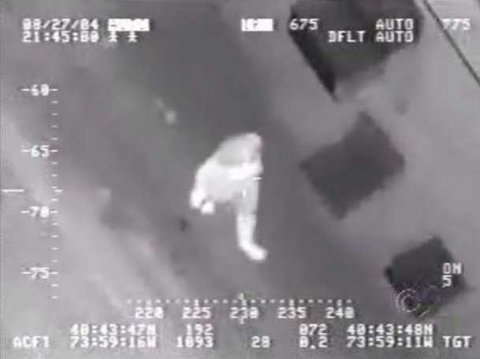
Thermal imaging drones detect emitted infrared radiation rather than reflected light, making them useful in darkness, smoke, and fog. This explainer covers the physics of microbolometer sensors, LWIR vs. MWIR tradeoffs, resolution limits, radiometric accuracy, and where the technology falls short.
-
Tech & Builds
What 'Autonomous Drone' Actually Means: A Field Guide to the Spectrum
The word 'autonomous' covers everything from a DJI's return-to-home button to a 103-drone swarm with no designated leader. Five competing frameworks — NIST ALFUS, LORA, SAE-adapted, DoD's loop taxonomy, and Exyn's aerial scale — each illuminate something different about a genuinely hard engineering problem.
-
Tech & Builds
What a Drone Can Do Depends Entirely on What You Hang Under It
The airframe is a delivery vehicle. The payload is the mission. A field guide to EO/IR cameras, LiDAR, SAR, hyperspectral imagers, gas sensors, SIGINT receivers, and the physics of endurance tradeoffs that govern every payload decision.
-
Commercial & Delivery
How Drones Are Displacing Helicopters, Scaffold Crews, and Rope Teams in Infrastructure Inspection
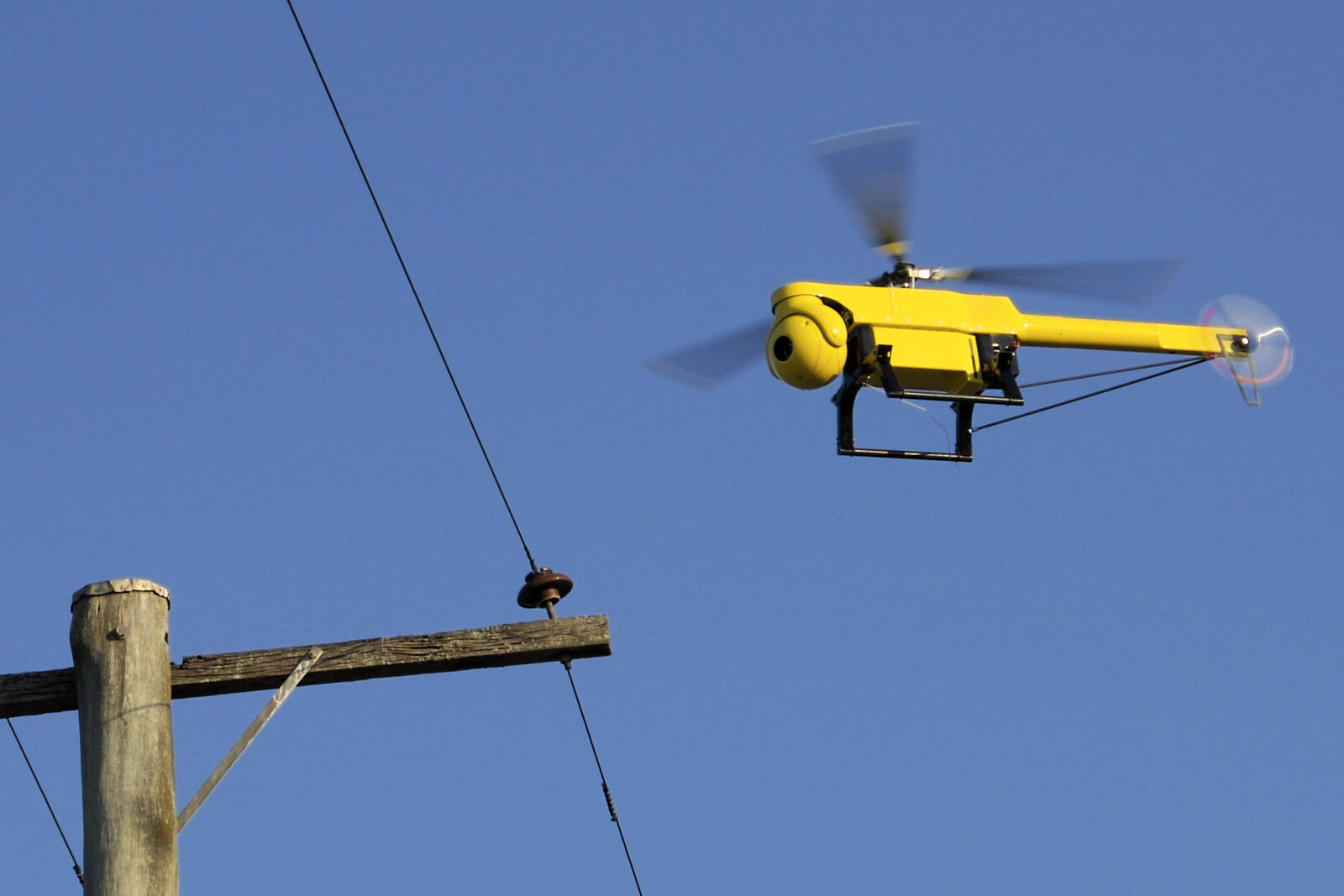
UAVs now survey transmission lines, wind turbine blades, bridges, pipelines, and solar farms at a fraction of the cost of legacy methods. Here's the sensor stack, the economics, and the regulatory framework making autonomous inspection possible.
-
Counter-UAS
Listening for Drones: How Acoustic Detection Works — and Where It Falls Short
Acoustic microphone arrays can detect drones by their blade-passing frequencies from hundreds of meters away using beamforming and AI classification. Ukraine's 24,000-sensor network shows what the technology can do at scale — and reveals the hard limits of listening alone.
-
Commercial & Delivery
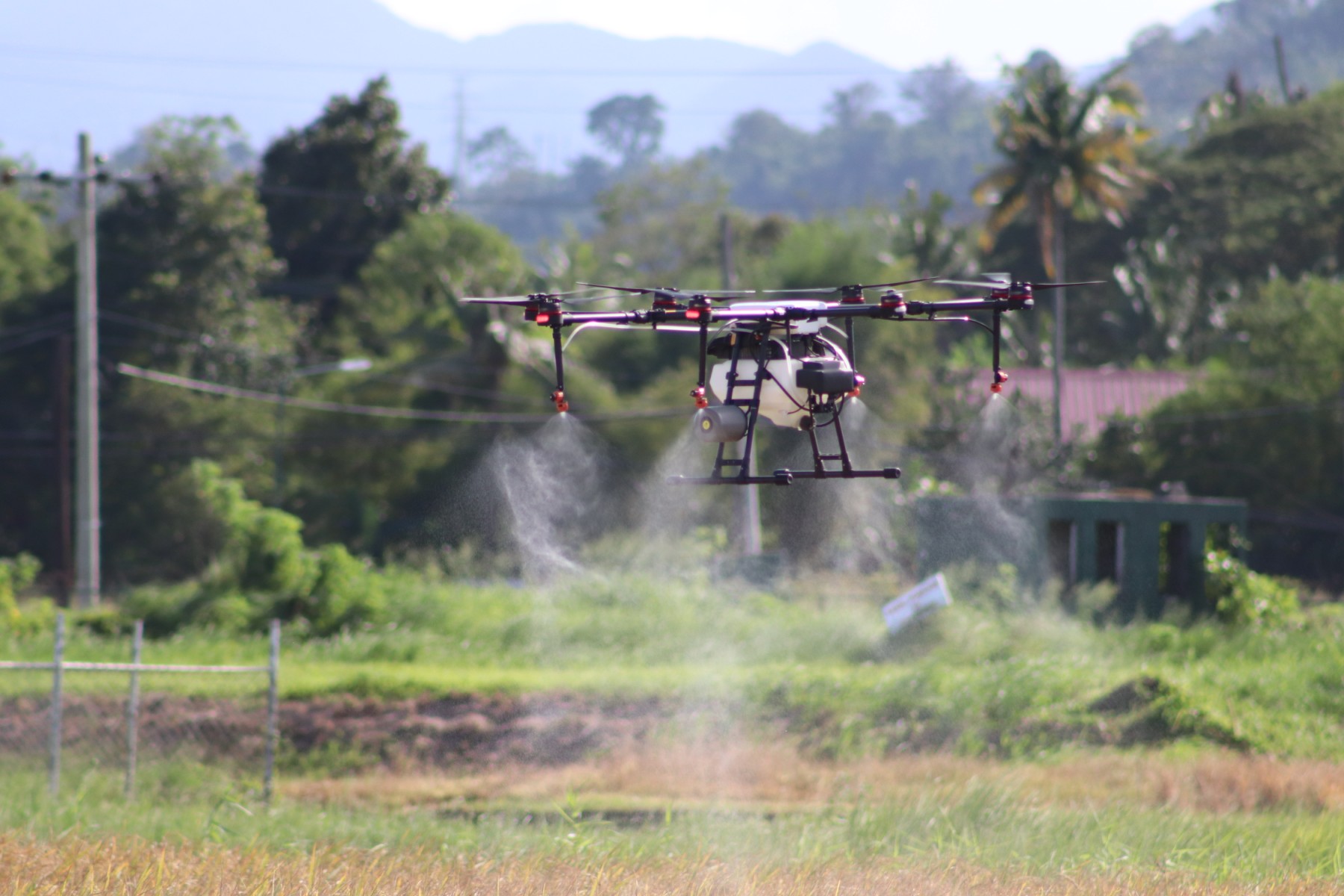
Agricultural Spray Drones: Machinery, Markets, and the FAA's Dual-Regime Gauntlet
From Japan's 1997 Yamaha RMax to today's 40-liter multirotor platforms, agricultural spray drones are reshaping crop protection across Asia and slowly entering U.S. fields — once operators survive a 4-to-6-month federal certification maze bridging Part 107 and Part 137.
-
Policy & Regulation
The American Security Drone Act, Explained: What the Federal UAS Ban Actually Covers
The American Security Drone Act of 2023, enacted in the FY2024 NDAA, banned federal procurement and operation of Chinese-made drones — effective December 22, 2025 — extending to every contractor and grant recipient spending federal money, not just agencies.