FAA
Every UASFeed story on FAA — across defense, counter-UAS, industry, commercial, policy, and tech, newest first.
-
Policy & Regulation
TSA Will Write Part 108's Security Rules Behind Closed Doors: Federal Register Notice Sets Up NDA-Only BVLOS Roundtables After the Rule Lands
TSA's Sept. 4 Federal Register notice invites BVLOS operators to NDA-gated, SSI-protected roundtables that will shape Part 108's security programs only after the final rule publishes, with no public comment and the FAA half still parked at OIRA.
-
Industry & Contracts
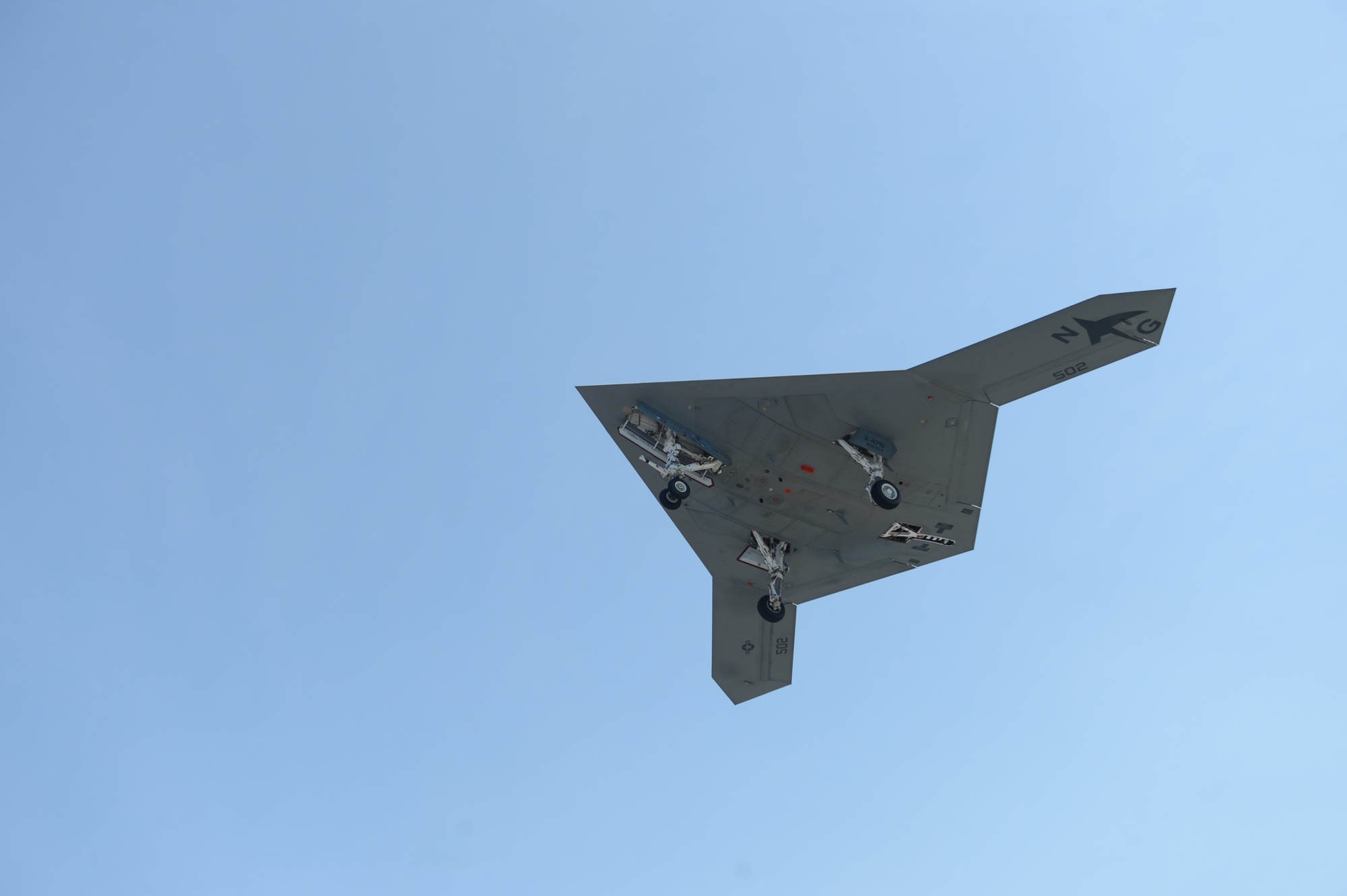
Wing Hires Its Way to Scale: Ex-Navy X-47B Engineer and a Google Pixel Hardware VP Take C-Level Roles as Alphabet's Drone Arm Claims the Largest US Delivery Network
Wing's two new C-level hires, a Navy carrier-autonomy veteran and a former Google Pixel hardware chief, plus an FAA Houston plan sized for 30,000 flights a day, show Alphabet's drone unit gearing up to build and fly aircraft at consumer-electronics volumes.
-
Commercial & Delivery
A Zipline Drone Parachuted Onto a Houston Highway and Nobody Called 911: Second Texas Chute Landing in Six Weeks Tests the P2's Safety Case
A Zipline P2 delivery drone deployed its emergency parachute over Cypress, Texas, and settled into the southbound lanes of Highway 6 on Sept. 4; no one was hurt, no one called police, and the cause is undisclosed. It is the second Texas chute landing in six weeks.
-
Commercial & Delivery
Spray Drones Take Over the Farm Progress Show's Sophomore 'Drone Zone' in Boone, Iowa
At the 2026 Farm Progress Show in Boone, Iowa, an FAA-approved Drone Zone let multiple exhibitors fly agricultural spray drones side by side over live corn daily, signaling how fast spray-drone adoption is moving from novelty to mainstream farm equipment.
-
Policy & Regulation
California's 400-Foot Drone Ban Near Concerts Heads to the Governor's Desk
California lawmakers gave final, unanimous approval to a bill banning unauthorized drone flights within 400 feet of large outdoor concerts and amusement parks, setting up a likely fight over whether states can regulate airspace the FAA hasn't touched.
-
Commercial & Delivery
Commercial UAV Expo Survey: Most Operators Still Haven't Prepped for Part 108 as DJI Dependency Lingers
A State of the Industry survey unveiled at Commercial UAV Expo found 43% of operators haven't started preparing for Part 108 and 62.8% still fly fleets that are mostly DJI or other foreign-made aircraft, with cost cited as the top barrier to switching.
-
Commercial & Delivery
Cleveland Clinic's Zipline Drone Pharmacy Hits 20 Deliveries a Week From a Four-Aircraft Fleet
Less than a month after launch, Cleveland Clinic's Zipline-powered prescription drone service is flying roughly 20 deliveries a week from four aircraft — with room to scale to twelve.
-
Tech & Builds
Dronetag Feeds Remote ID Detections Into Airwise's Nexus Airspace Platform
Dronetag and Airwise Solutions have linked Dronetag's Scout and RIDER Remote ID receivers to Airwise's Nexus common operating picture, merging drone identification data with radar, RF, telemetry and weather feeds for a fuller low-altitude airspace view.
-
Tech & Builds
EHang's Pilotless Air Taxi Flies Publicly Over Hong Kong for the First Time
EHang's autonomous EH216-S flew its first public demonstration flights at Hong Kong Cyberport under a government regulatory sandbox, with local operator Kwoon Chung already committed to buying 30 of the aircraft.
-
Policy & Regulation
FAA Doubles Down on BEYOND, Pushing Drone Testing Into Longer, Higher, More Complex Airspace
Transportation Secretary Sean Duffy announced Phase 2 of the FAA's BEYOND program on August 27, doubling its lead-participant roster to test bigger cargo drones, longer BVLOS routes, and on-airport operations through 2029.
-
Commercial & Delivery
Ford Dealership in Wayne, Michigan Launches State's First Drone-Delivered Auto Parts Corridor
Jack Demmer Ford in Wayne, Michigan flew its first commercial drone delivery on August 25, 2026, launching a $740,000 state-funded autonomous parts corridor using blueflite's Cobalt 461 tiltrotor and Airspace Link's AirHub platform.
-
Commercial & Delivery
Amazon's Sixfold Prime Air Expansion Runs Into a City-by-City FAA Bottleneck
Amazon wants Prime Air drone delivery in nearly 500 U.S. cities by end of 2026, but each new site still needs its own FAA environmental review — and Chicago's three centers are still waiting.