Department of Defense
Every UASFeed story on Department of Defense — across defense, counter-UAS, industry, commercial, policy, and tech, newest first.
-
Counter-UAS
Lithuania's Granta Autonomy Unveils 'Black Wasp,' a 320 km/h AI Interceptor Built to Hunt Shaheds
Granta Autonomy's Black Wasp is a 4 kg, 320 km/h AI-guided interceptor built to chase and kill Shahed-136s and other strike drones, using jamming-resilient ML navigation and onboard computer vision cued by NATO air-defense radar.
-
Counter-UAS
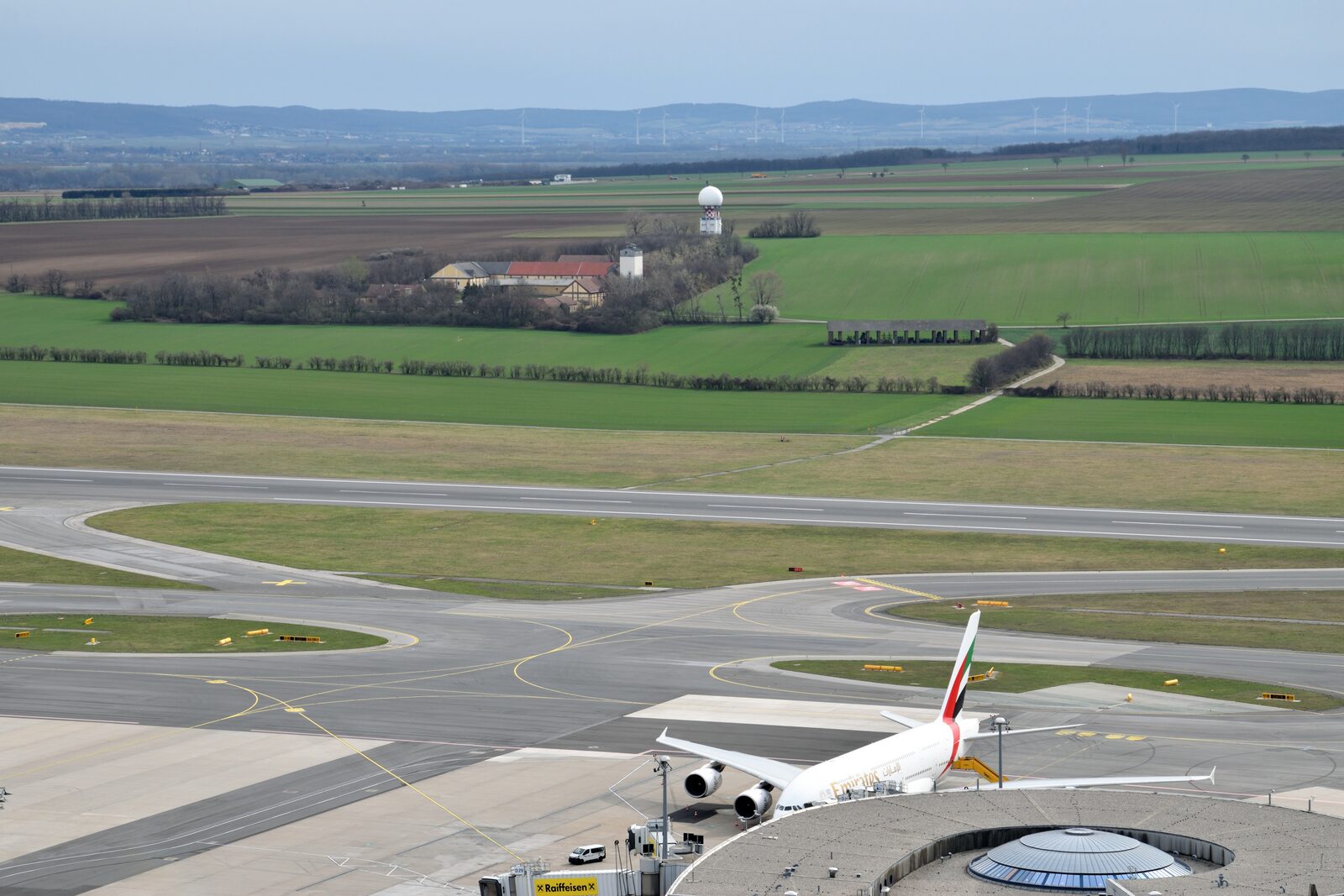
Counter-UAS at Airports: Why the U.S. Still Can't Stop a Gatwick-Style Closure
The 2018 Gatwick drone incident cost airlines £50 million and stranded 110,000 passengers — and the perpetrators were never found. Five years on, U.S. airports face hundreds of incursions annually while the FAA still cannot neutralize a drone on its own. Here's how the technology and authority fit together.
-
Counter-UAS
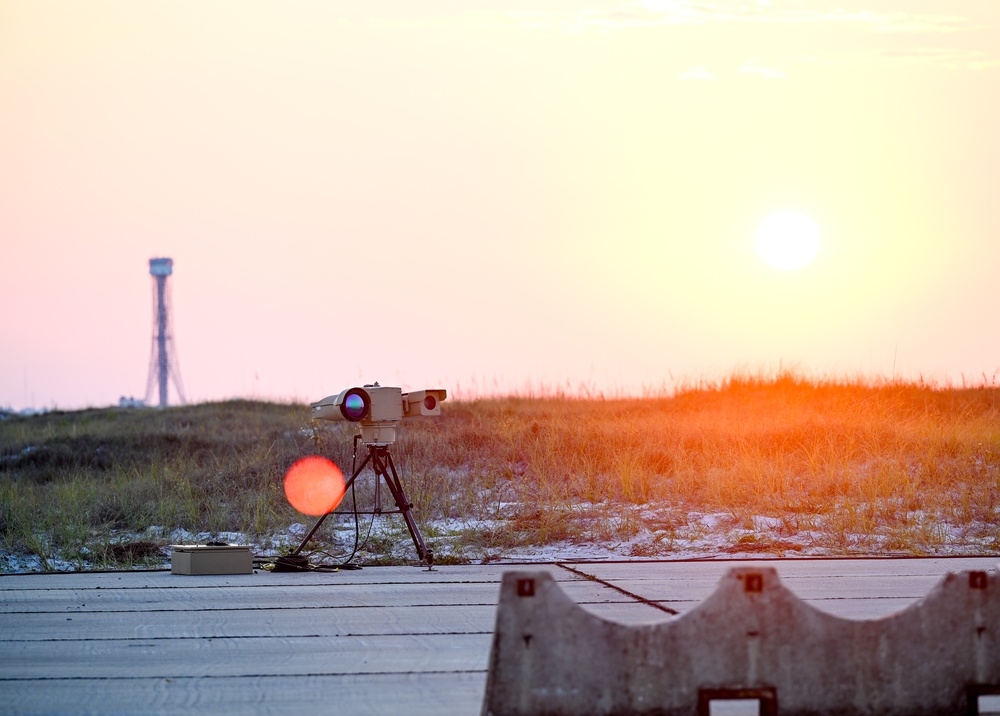
DroneDNA and Sensor Fusion: Inside Dedrone’s Airspace Security Platform
Dedrone, now a division of Axon after a 2024 acquisition, has spent a decade building passive RF detection infrastructure deployed at military bases, airports, stadiums, and prisons across six G7 governments. Understanding where detection ends and the legal wall against mitigation begins is essential context for the C-UAS market.
-
Counter-UAS
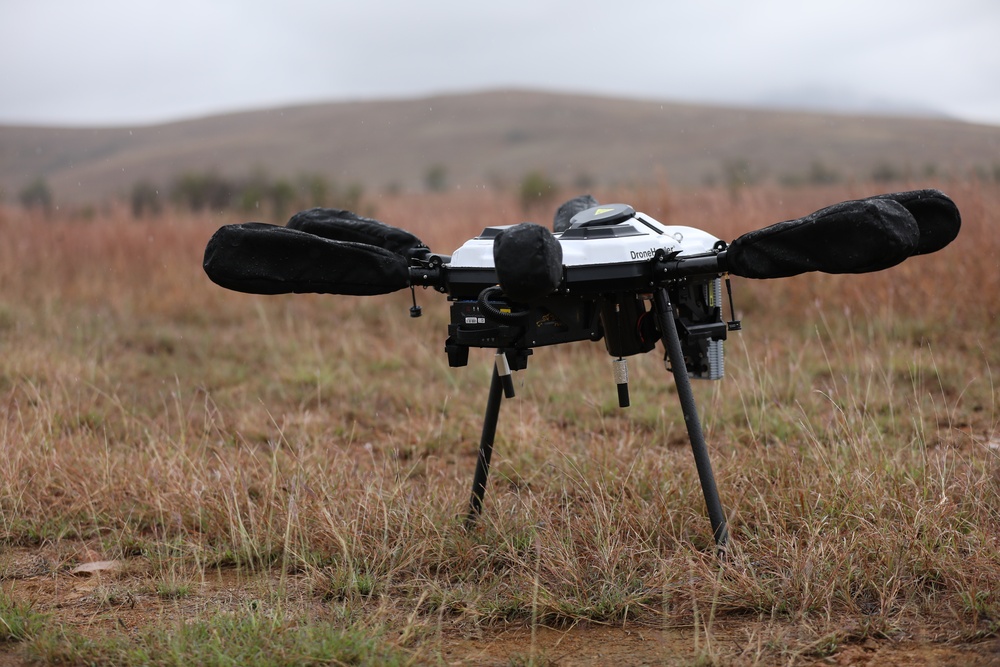
Fortem DroneHunter F700: The Autonomous Net-Catcher Closing the Jammer Gap
Fortem's DroneHunter F700 autonomously pursues hostile drones, fires tethered nets to capture them in flight, and tows the platform to a forensics zone — no explosives, no jamming. With 4,500+ captures, a Replicator 2 contract, and $25M from Lockheed Martin, it is the Pentagon's answer to GPS-waypoint threats that jammers cannot touch.
-
Counter-UAS
How Drone Detection Actually Works: Radar, RF, EO/IR, and the Fusion Stack
No single sensor can catch every drone. Here is how radar, RF analyzers, electro-optical/infrared cameras, and acoustic arrays each cover different gaps — and why military and federal planners are betting on layered fusion architectures to close them.
-
Counter-UAS
Golden Dome Explained: The $1.2 Trillion Bet on Space-Based Missile Defense
Trump's Golden Dome extends U.S. homeland missile defense from rogue-state ICBMs to cruise missiles and drones — but a CBO projection of $1.2 trillion over 20 years, driven by a 7,800-satellite constellation that can only engage 10 missiles at once, exposes a gap between strategic ambition and reality.
-
Counter-UAS
Shotgun vs. Sniper Rifle: How HPM and Laser C-UAS Weapons Actually Work
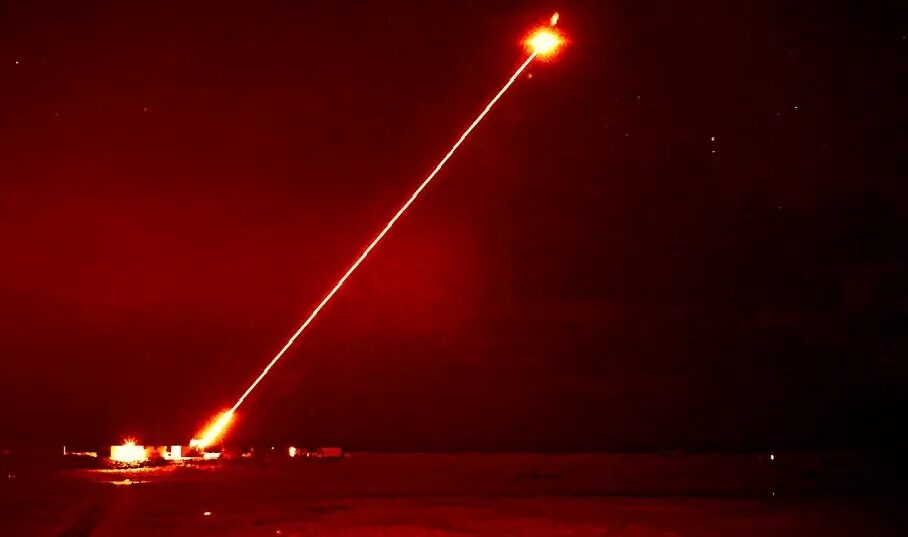
Two directed-energy technologies are competing to replace the $2-million missile shot against $500 drones — high-power microwave systems that blanket swarms in a single burst, and high-energy lasers that burn targets one at a time. The physics of each determines where they win and where they fail.
-
Counter-UAS
JIATF-401 Validates CACI SkyValor for Joint-Force-Wide Deployment After Yuma Border Testing
After a two-day live evaluation at MCAS Yuma announced June 7 with Joint Task Force-Southern Border and CBP, the Pentagon's consolidated C-UAS task force cleared CACI's SkyValor system for deployment at any U.S. military installation worldwide — not just the southern border.
-
Counter-UAS
Drone Jamming Explained: How It Works, Who Can Do It, and Where It Fails
Electronic jamming neutralizes more drones in Ukraine than any other method — roughly 10,000 per month — yet the newest generation of fiber-optic and AI-navigation drones is immune to it. A technical and legal primer on the RF physics, the US arsenal, and why civilians and companies have zero legal authority to jam.
-
Counter-UAS
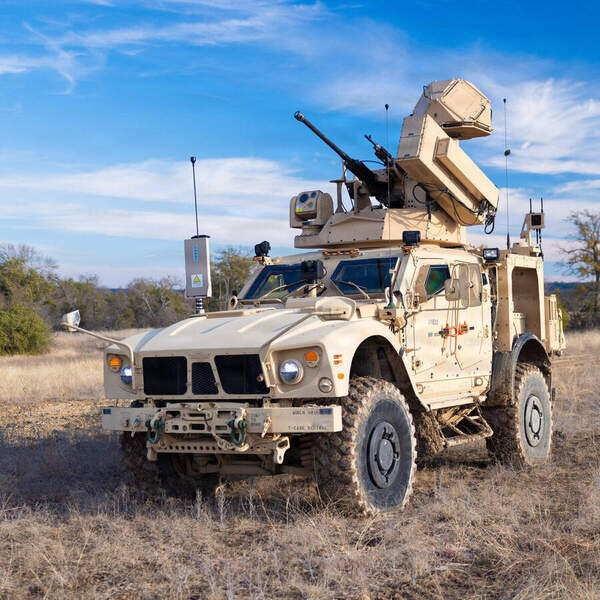
Layered Counter-UAS Defense: How the Kill Chain Actually Works
From Langley's 17 nights of unidentified drones to the Navy's billion-dollar Red Sea munitions bill, the pressure to build coherent counter-drone architecture has never been higher. Here is how the layers — detect, identify, decide, defeat — actually work, what each one costs, and why none of them works alone.