DARPA
Every UASFeed story on DARPA — across defense, counter-UAS, industry, commercial, policy, and tech, newest first.
-
Tech & Builds
MagLev Aero Wins Dual DARPA Awards to Fast-Track Maglev Drone Propulsion
Boston startup MagLev Aero landed simultaneous DARPA MVP and Embedded Entrepreneur Initiative awards on Sept. 25 to push its magnetically levitated ducted-fan propulsion toward a TRL-6 flight demo.
-
Tech & Builds
DARPA Unveils Lift Challenge 2.0, Doubling the Bar for Heavy-Lift Drones Ahead of a 2028 Rematch
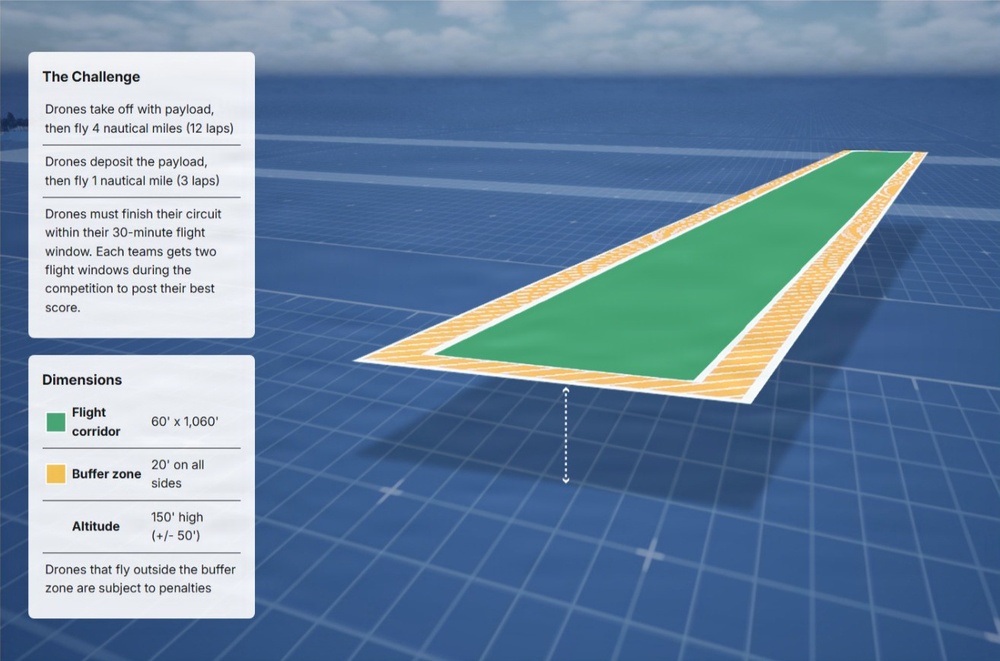
DARPA has confirmed a second Lift Challenge for summer 2028 that doubles the minimum payload to 220 lbs and the course to 10 nautical miles, raising the bar after AVIDrone's 3.84:1 payload-to-weight finish this August.
-
Tech & Builds
Old-School Helicopter Beats Drones at DARPA's Lift Challenge
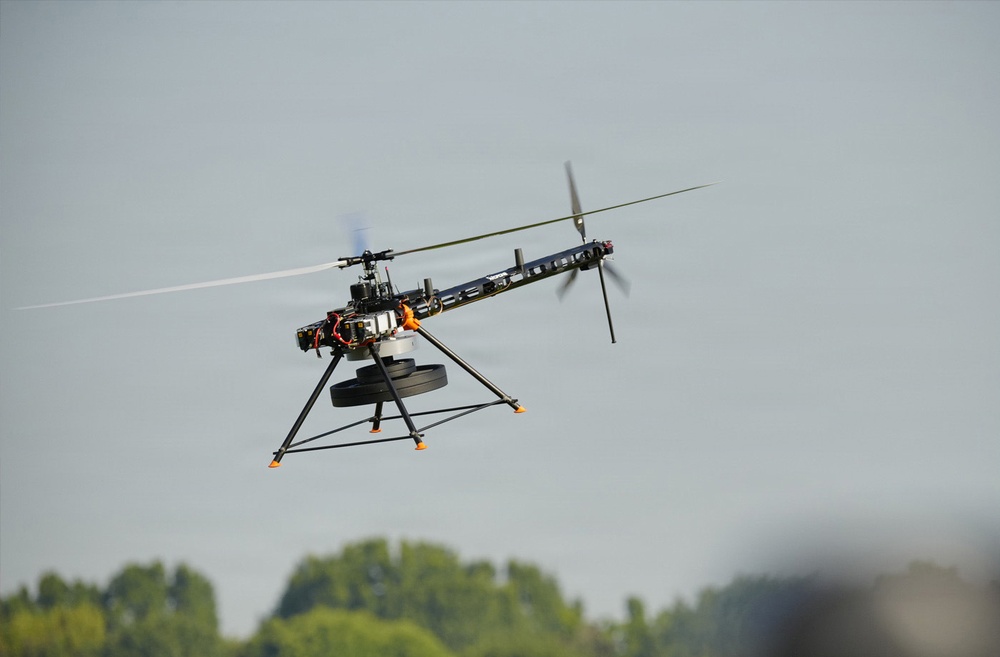
A 13.3 kg conventional single-rotor helicopter from AVIDrone outlifted over 100 exotic drone designs at DARPA's Lift Challenge, hauling 51 kg of cast iron for a 3.84:1 ratio — though no one hit the 4:1 target DARPA wanted.
-
Tech & Builds
DARPA's Lift Challenge Crowns a Helicopter-Style Winner at 3.84:1 Payload Ratio
AVIDrone's conventional-rotor Katana beat out more exotic VTOL designs to win DARPA's $6.5M Lift Challenge, hauling 112.4 lbs on a 29.3-lb airframe — just shy of the 4:1 target DARPA set for the field.
-
Tech & Builds
DARPA's Lift Challenge Falls Just Short of 4x Payload Goal as Avidrone's Katana Tops the Field
Avidrone's single-rotor Katana won DARPA's Lift Challenge with a 3.84:1 payload-to-weight ratio, narrowly missing the agency's 4x target as dozens of teams competed for a $6.5 million prize pool at the Air Force Museum in Dayton.
-
Tech & Builds
DARPA's $6.5M Lift Challenge Finals Kick Off in Dayton, Chasing a 4:1 Payload Breakthrough
Roughly 115 teams converge on the National Museum of the U.S. Air Force this week to chase DARPA's $6.5 million prize for a sub-55-pound VTOL aircraft that can lift a 110-pound payload — as one finalist, Jetoptera, walks away over new safety rules.
-
Tech & Builds
DARPA's $6.5M Lift Challenge Kicks Off in Dayton, Pitting 120+ Teams on Heavy-Lift Drone Design
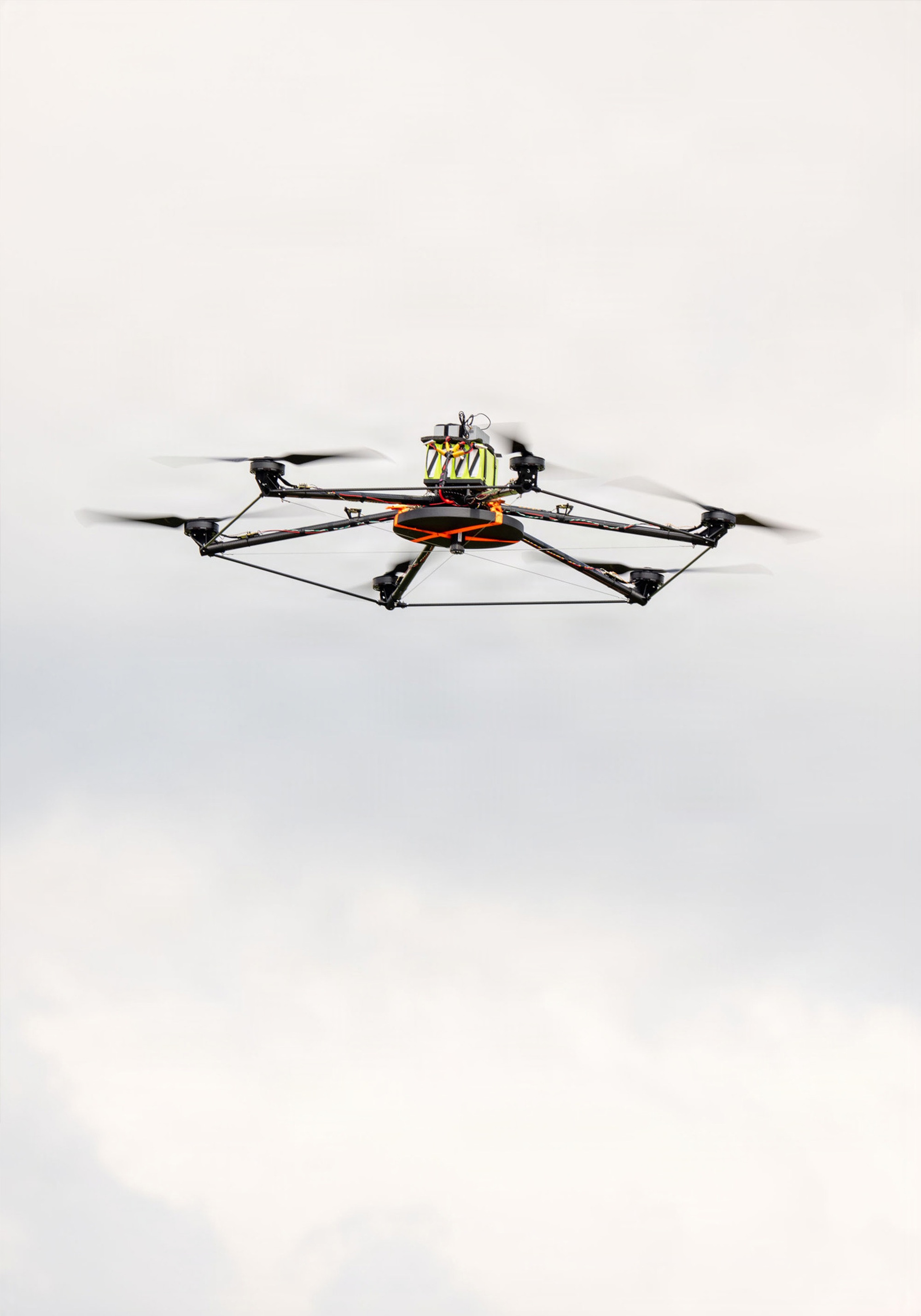
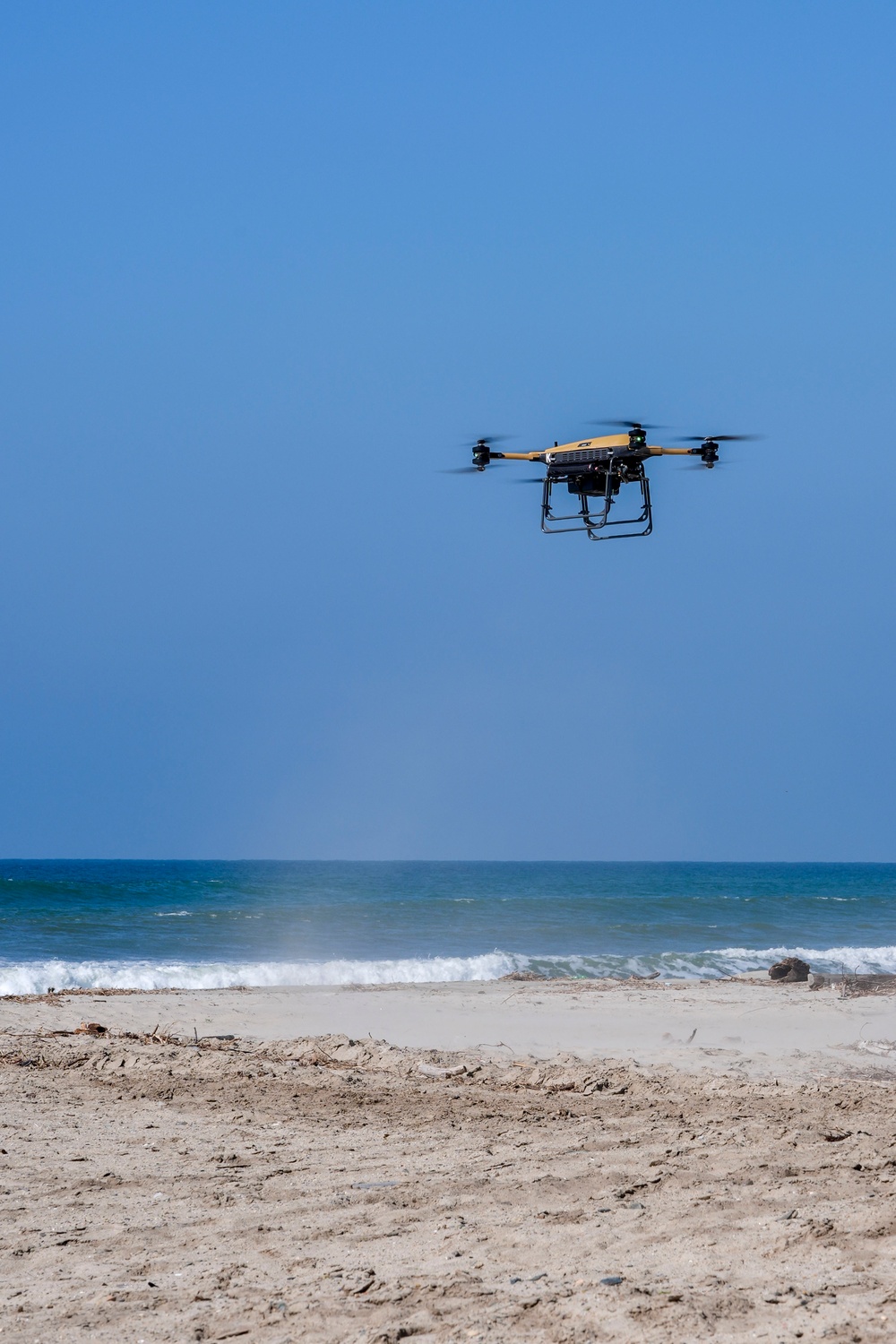
More than 120 teams descended on Wright-Patterson AFB this week to chase $6.5 million in DARPA prize money for a sub-55-pound drone that can haul four times its own weight.
-
Tech & Builds
DARPA's Lift Challenge Adds 30+ Teams Ahead of August Vertical-Lift Flyoff in Dayton
DARPA has grown its Lift Challenge to 124 teams from 20+ countries, setting up a $6.5 million heavy vertical-lift flyoff at the National Museum of the U.S. Air Force in Dayton, August 2-9, with public finals August 6-9.
-
Tech & Builds
DARPA Bets on Nuclear Waste to Give Drones 30-Year Endurance
DARPA's $3.37M "Rads to Watts" award puts Morgan State University in charge of turning Strontium-90 nuclear waste into radiovoltaic power cells aimed at giving drones and satellites decades of untethered flight.
-
Tech & Builds
DARPA-Backed SYMPHONEE Program Aims to Turn Nuclear Waste Into Decades-Long Drone Power
A Morgan State-led team is building SYMPHONEE, a Strontium-90 radiovoltaic cell under a $3.37M DARPA contract, targeting over 10 W/kg and decades of unattended power for drones and remote systems.
-
Tech & Builds
Dead Zone Autonomy: How Edge AI Keeps Drones Flying When GPS and Comms Disappear
Russian electronic warfare can blank GPS within 5 kilometers of deployment. Shield AI’s president says 99% of military autonomous systems fail under jamming. The solution — running perception, navigation, and targeting entirely on the drone — is now combat-proven.
-
Tech & Builds
Optionally Piloted Aircraft: The Platform That Bridges Crewed and Autonomous Flight
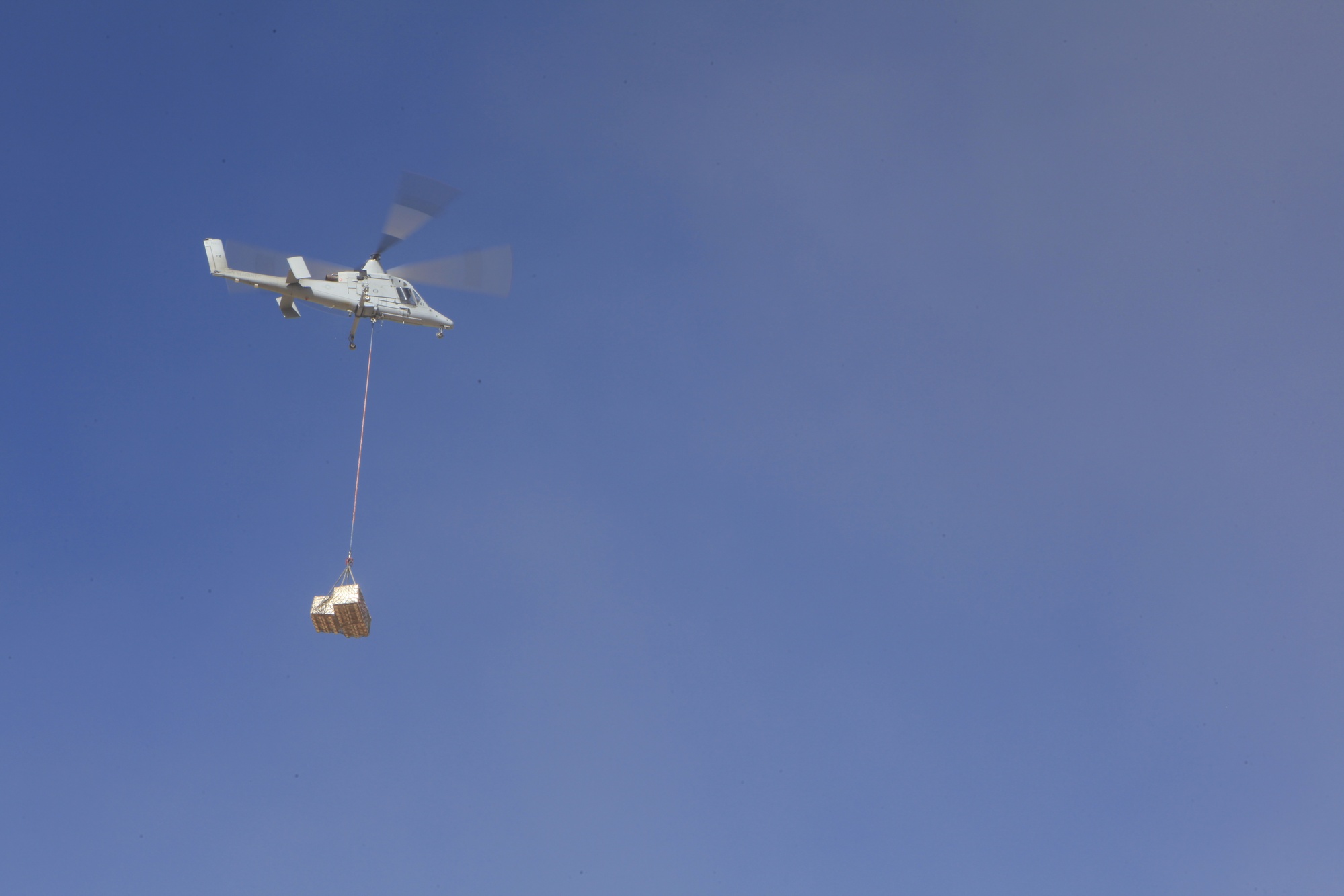
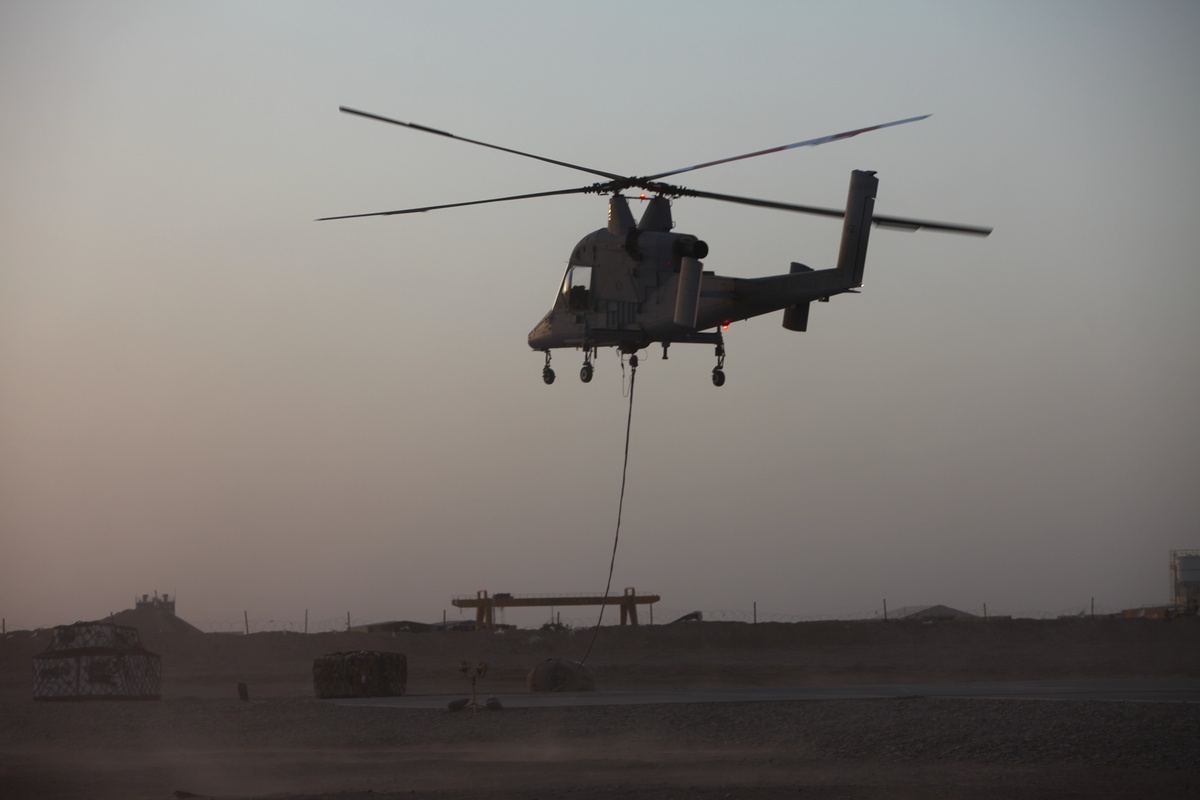
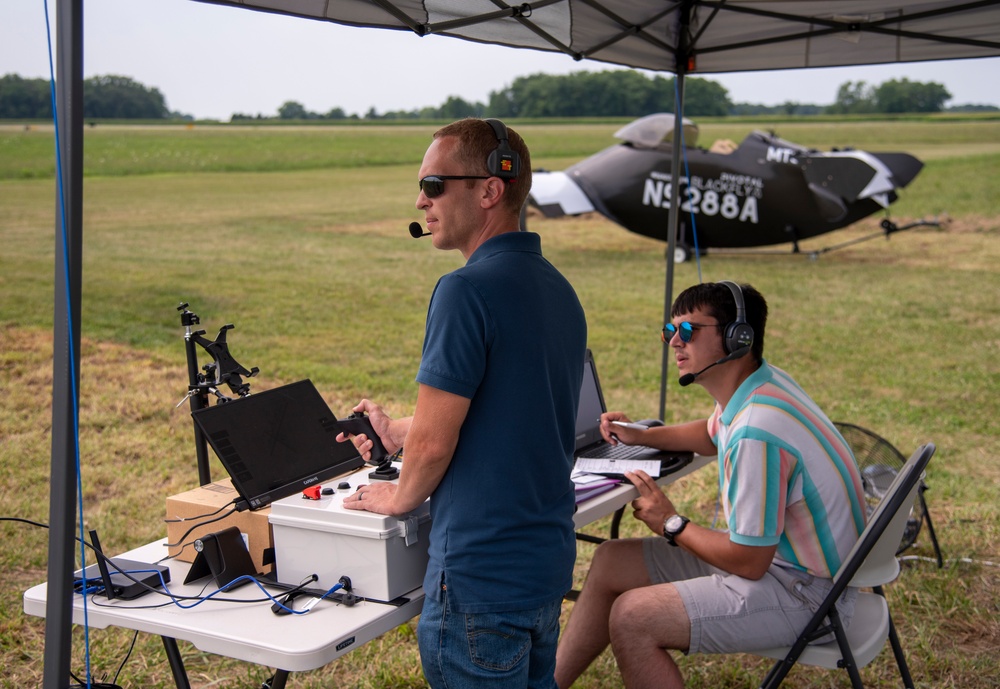
Optionally piloted aircraft hold manned airworthiness certificates while enabling fully autonomous operations—closing the regulatory gap that stalls pure UAVs. From proven Afghan cargo resupply missions to DARPA’s autonomous Black Hawk delivered to the Army in 2026, the concept reshapes military logistics and aviation.