Tech & Builds
Drone technology from UASFeed — autonomy, swarming, sensors, counter-jamming, FPV builds, and the engineering underneath uncrewed flight.
-
Tech & Builds
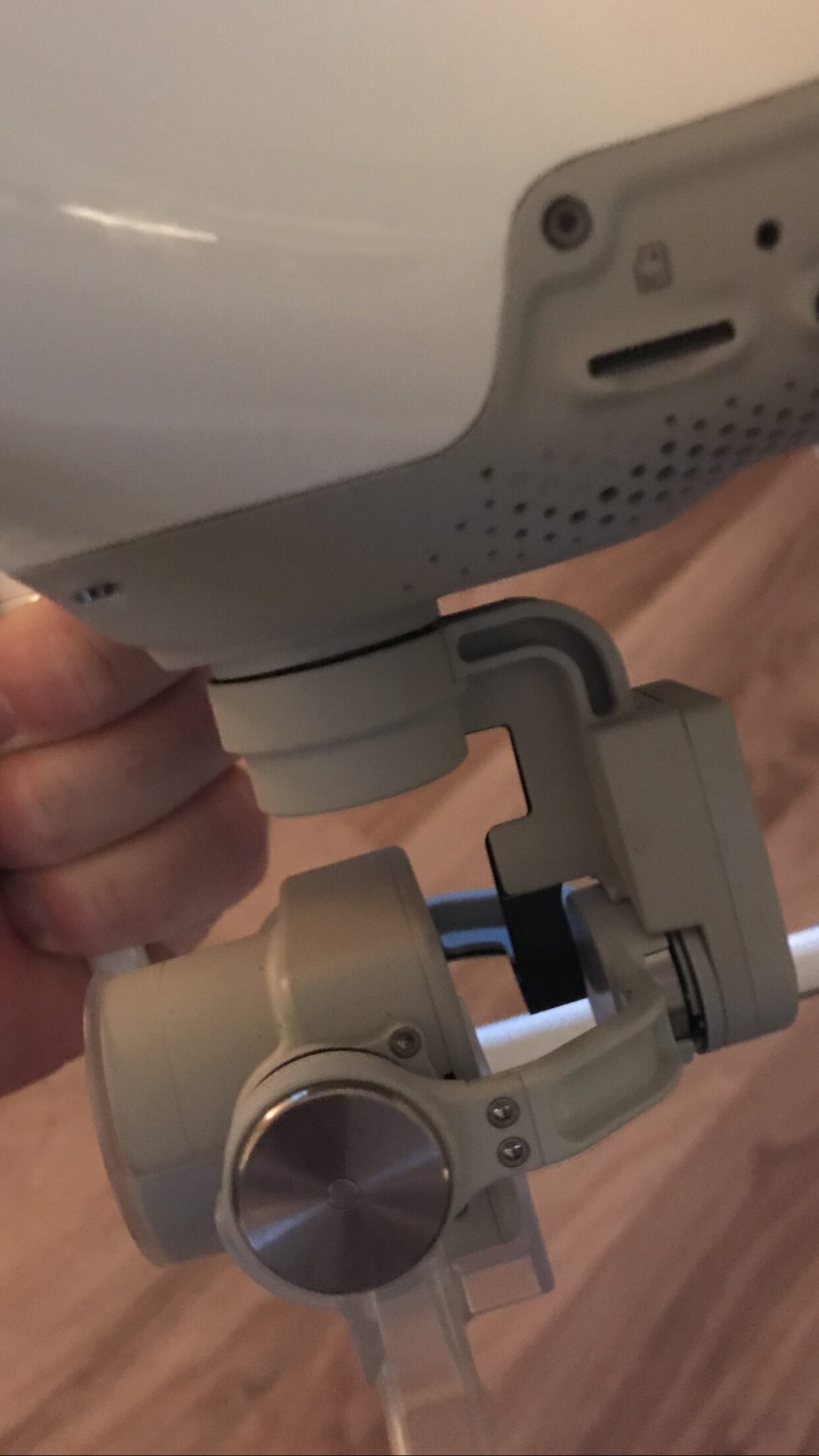
Three Axes, One Problem: How Drone Gimbals Keep Cameras Locked On Target
Brushless gimbals isolate a drone camera from every pitch, roll, and yaw disturbance the airframe throws at it — using MEMS IMUs, real-time sensor fusion, and closed-loop motor control. The same physics that gives consumer aerial footage its glassy stability scales, with added axes and sensor channels, to military EO/IR targeting turrets.
-
Tech & Builds
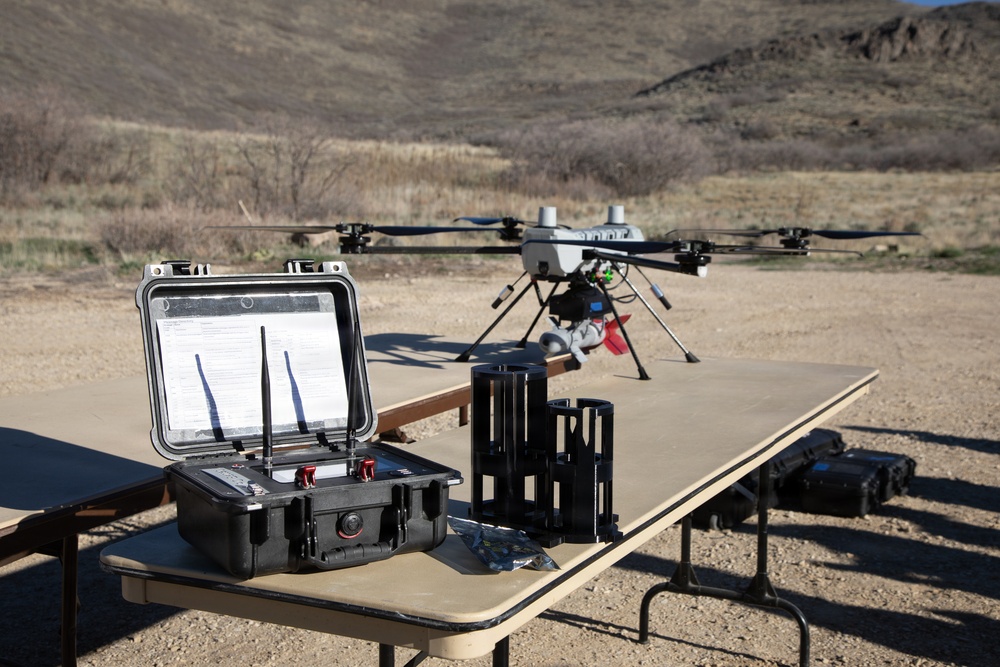
Drone Ground Control Stations Explained: MAVLink, Datalinks, and the MQ-9 Flight Deck
Ground control stations span from a $50 telemetry radio running open-source Mission Planner to hardened USAF shelters managing satellite-linked MQ-9s worldwide. Here's how MAVLink, mission-planning software, datalinks, and military GCS tiers actually work.
-
Tech & Builds
Dead Zone Autonomy: How Edge AI Keeps Drones Flying When GPS and Comms Disappear
Russian electronic warfare can blank GPS within 5 kilometers of deployment. Shield AI’s president says 99% of military autonomous systems fail under jamming. The solution — running perception, navigation, and targeting entirely on the drone — is now combat-proven.
-
Tech & Builds
Glass-to-Glass: The Physics of FPV Video Links Driving Ukraine’s Drone War
Analog FPV, a video technology whose roots trace to the 1970s, dominates Ukraine’s frontline drone strikes over HD digital systems. The reason comes down to milliseconds, spectrum physics, and how a signal degrades under jamming.
-
Tech & Builds
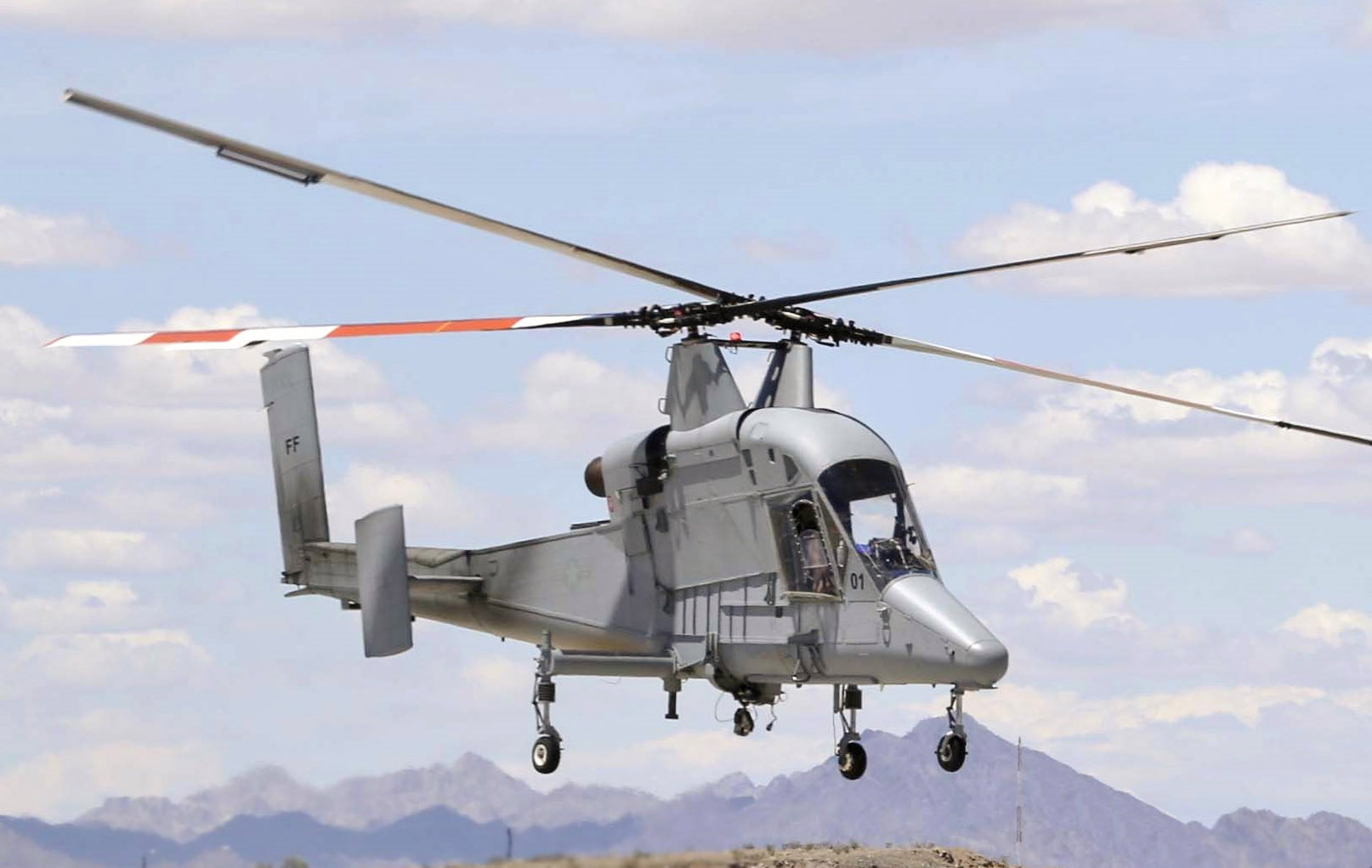
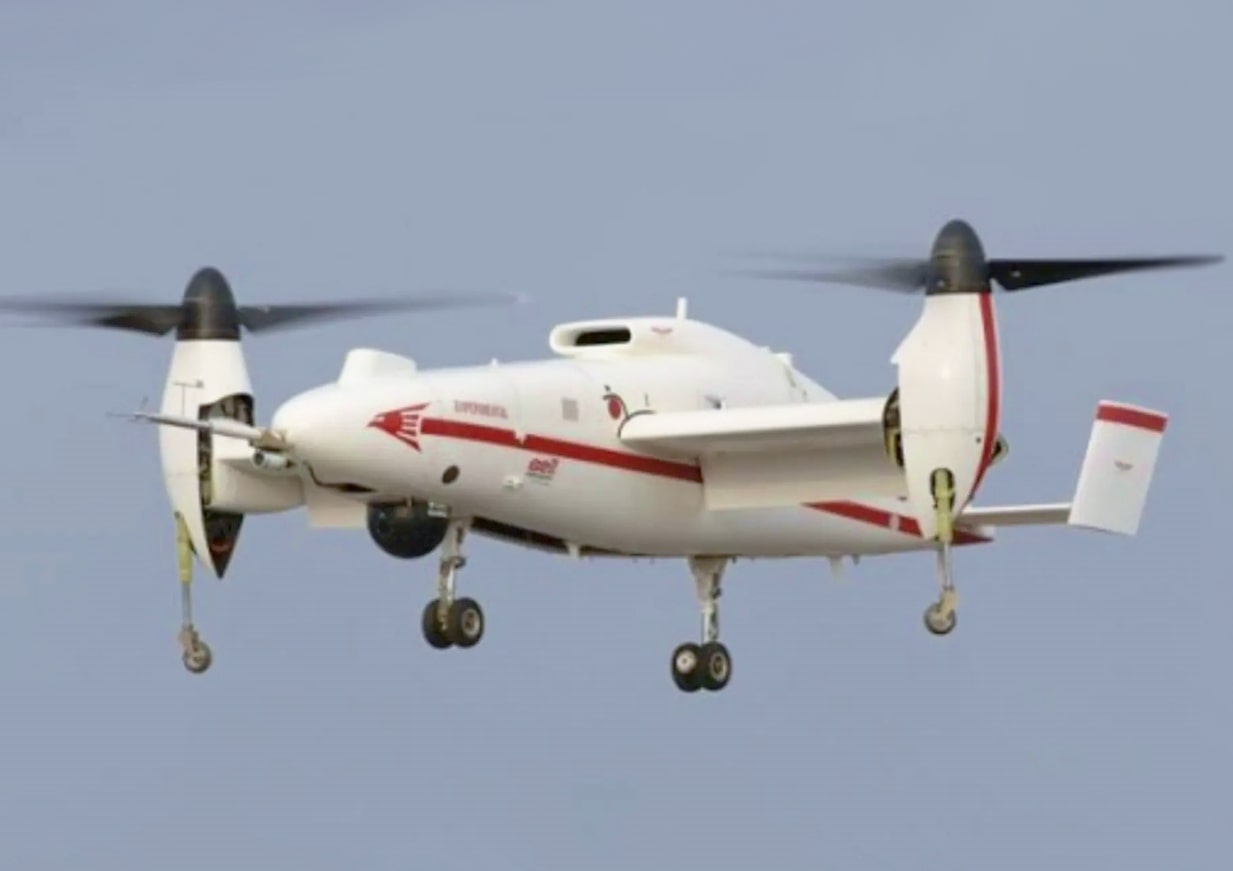
Optionally Piloted Aircraft: The Platform That Bridges Crewed and Autonomous Flight
Optionally piloted aircraft hold manned airworthiness certificates while enabling fully autonomous operations—closing the regulatory gap that stalls pure UAVs. From proven Afghan cargo resupply missions to DARPA’s autonomous Black Hawk delivered to the Army in 2026, the concept reshapes military logistics and aviation.
-
Tech & Builds
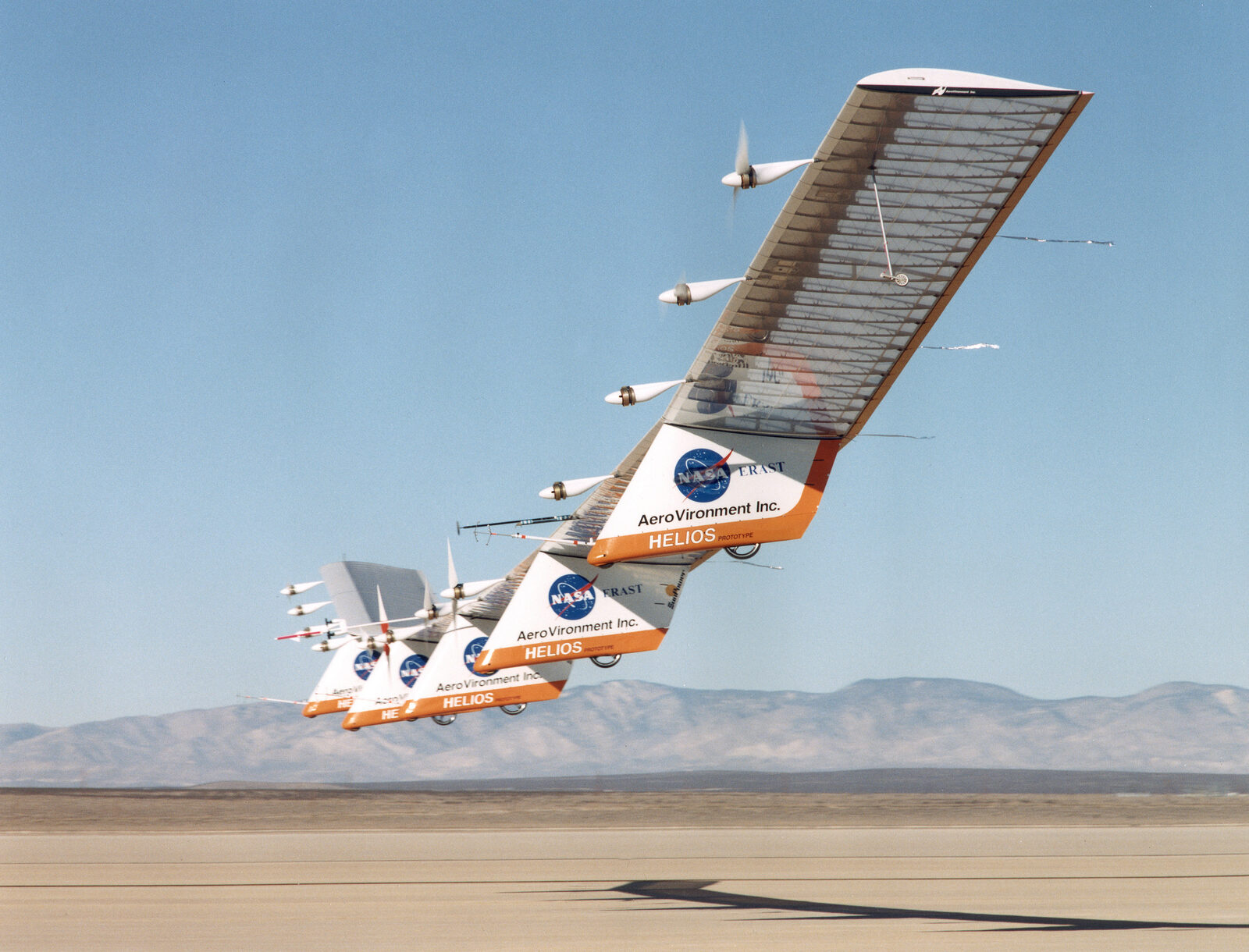
Pseudo-Satellites at 20 km: The Physics, Programs, and Promise of Solar HAPS
High-Altitude Platform Stations operate in the stratosphere at 20 km — above weather, below orbital mechanics — using solar power and ultra-dense batteries to loiter for months. Here's how they work, which programs are viable, and why the sector is drawing serious capital.
-
Tech & Builds
Swarm Mesh Networking: The Hidden Architecture Behind Autonomous Drone Coordination
Drone light shows and true autonomous swarms share an airspace but almost nothing else. The decentralized MANET/FANET mesh—multi-hop routing, anti-jamming MARL, GPS-denied positioning—is what separates choreography from genuine collective autonomy, and what DARPA OFFSET and Replicator's $1B are chasing.
-
Tech & Builds
Tilt-Rotor, Tailsitter, and Ducted-Fan Drones: The VTOL Hover-Cruise Trade-Off
Every VTOL aircraft must reconcile two contradictory physics demands: hover requires high blade area and tip speed, while forward flight requires the opposite. Tilt-rotor, tailsitter, and ducted-fan architectures each place their bets differently — with lasting consequences for military range and noise compliance.
-
Tech & Builds
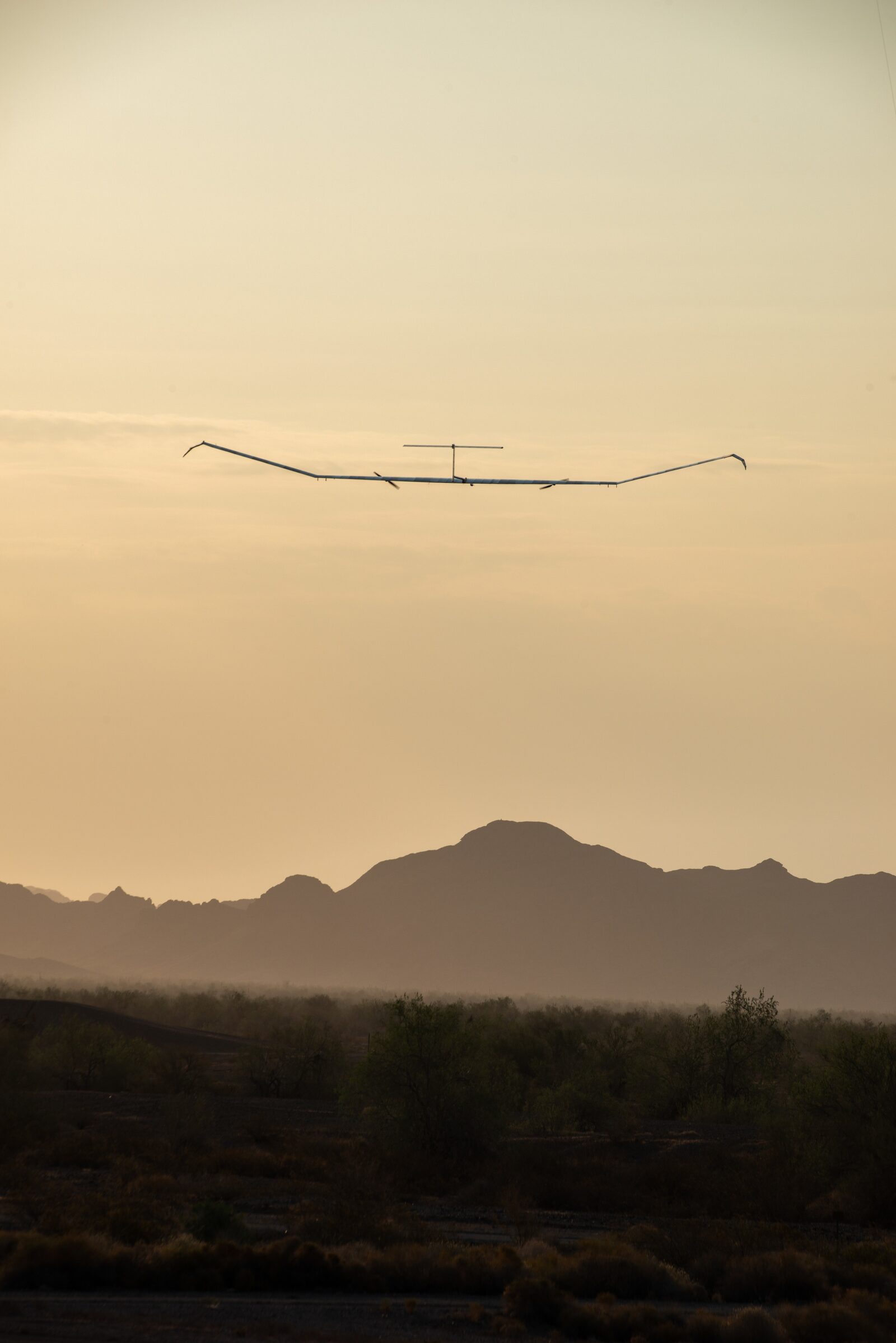
Zephyr S: Inside the Solar Stratospheric Drone That Stayed Aloft for 64 Days
Airbus's Zephyr S occupies the stratosphere at 70,000 feet, loitering for months with ISR and 5G connectivity payloads on power equivalent to a single light bulb. Here's how the platform works, what the 2022 Army record flight proved, and where the newly spun-out AALTO HAPS company is taking it.
-
Tech & Builds
Shield AI's Hivemind: The AI Pilot Built for GPS-Denied War
Shield AI's Hivemind AI pilot stack has been in continuous combat use since 2018 — from SOCOM building clearances to Ukraine ISR sorties to a live F-16 dogfight with the Air Force Secretary on board.
-
Tech & Builds
KNDS Debuts ISO-Container Drone Swarm Launcher at Eurosatory, Marrying Strike and Intercept in One Box
French-German defense giant KNDS unveiled a containerized drone launcher prototype at Eurosatory 2026, fitting dozens to 100+ Helsing strike drones and Tytan interceptors inside a single standard shipping container — one year after Ukraine proved the concept in combat.
-
Tech & Builds
Detect and Avoid: The Technology Standing Between Drones and the Open Sky
BVLOS operations at scale hinge on one unsolved problem: teaching drones to see and avoid other aircraft without a pilot's eyes. A look at the cooperative and non-cooperative sensing, competing standards, and hardware programs racing to close that gap.