U.S. Navy
Every UASFeed story on U.S. Navy — across defense, counter-UAS, industry, commercial, policy, and tech, newest first.
-
Defense & Combat
Drone Motherships Explained: Air, Sea, and Ground Launch Platforms Compared
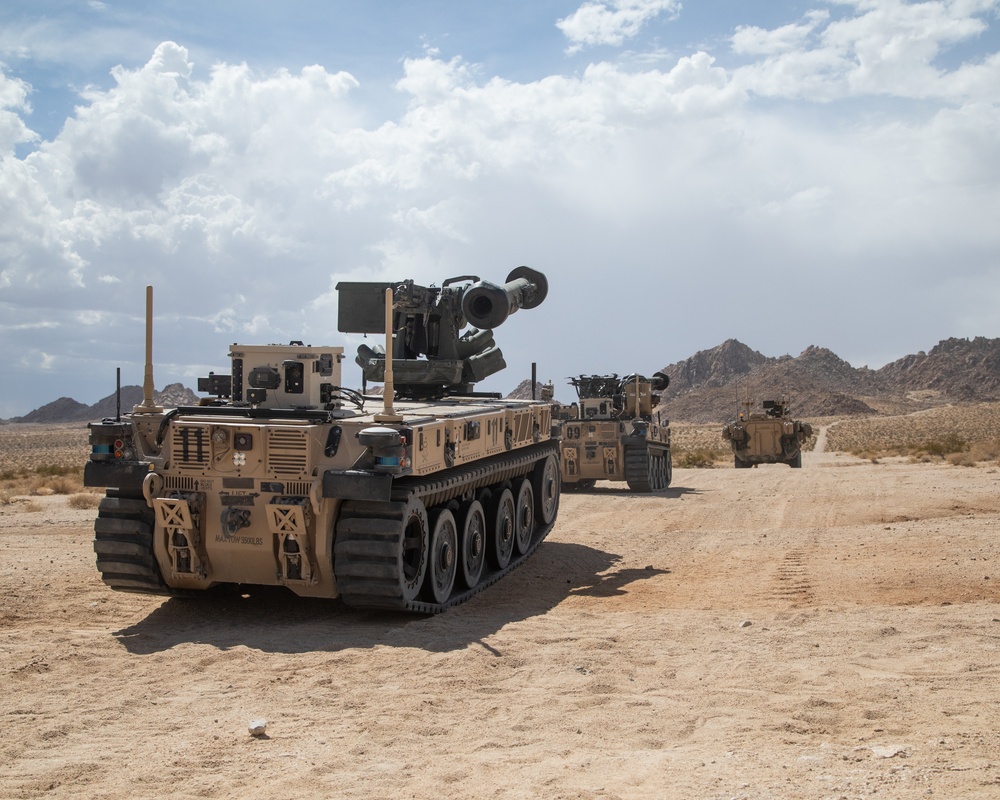
A taxonomy of the drone-mothership concept across air, sea, and ground domains — from robotic combat vehicles and containerized launchers to submarine tenders — and why range-stacking and cost asymmetry are reshaping every branch of warfare.
-
Defense & Combat
MALE and HALE UAV Deliveries in 2026: Who's Shipping What
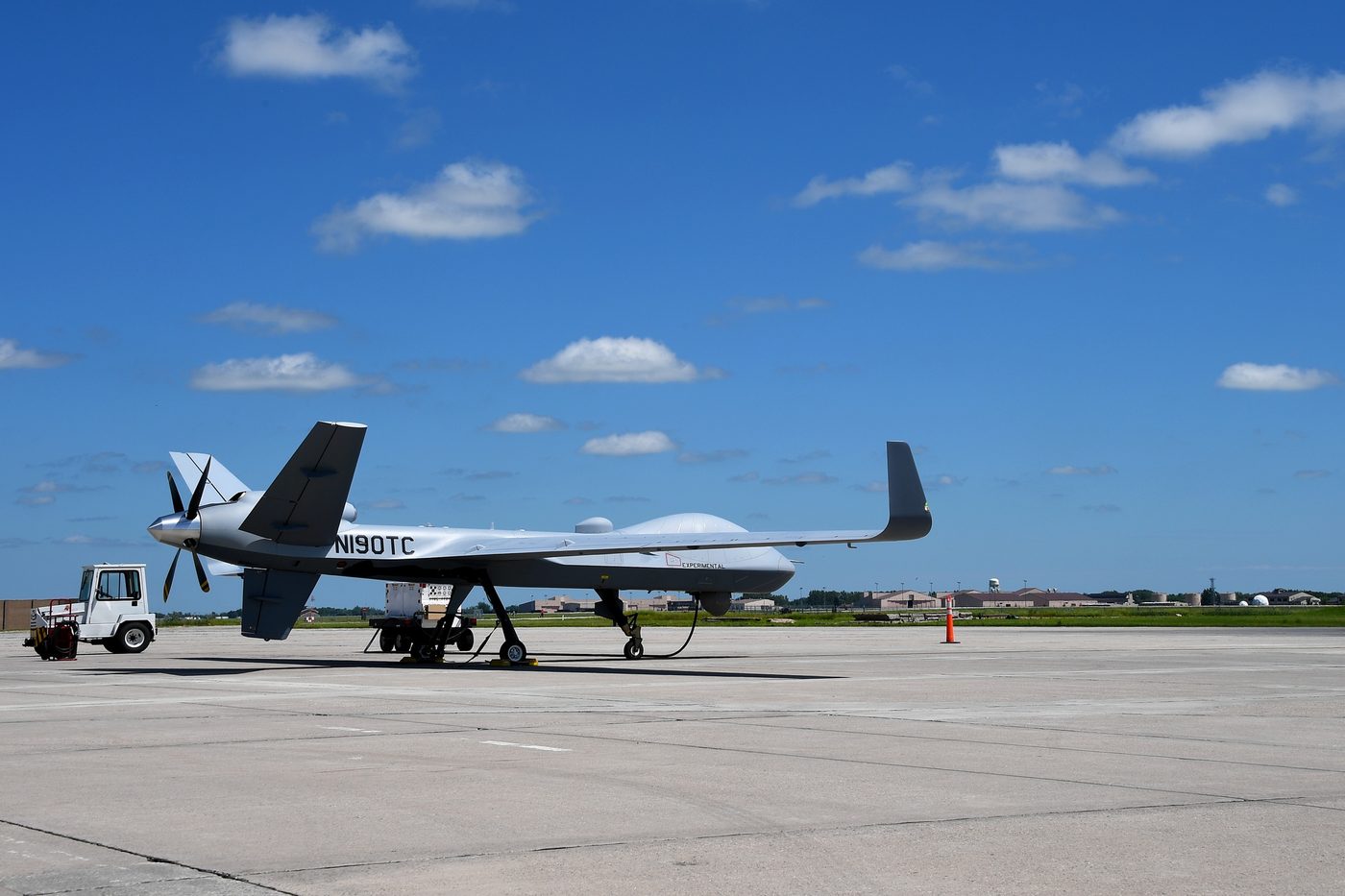
A reference guide to medium- and high-altitude long-endurance drone deliveries in 2026: MQ-9B handovers across Europe and Asia, NATO's Triton letter of intent, Baykar's Akinci production surge, China's Wing Loong assembly lines, Israel's Heron Mk II squadron, and the Eurodrone that still isn't shipping.
-
Defense & Combat
Navy Teases Next Phase of MUSV 'Marketplace' as Aug. 1 RFP Looms
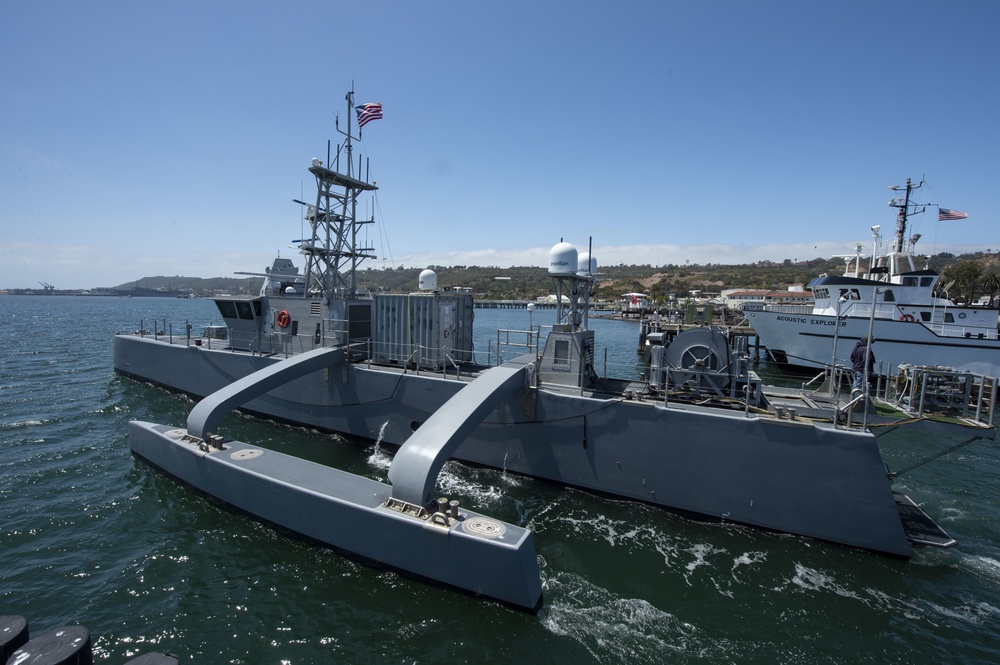
The Navy will open a new round of its Medium Unmanned Surface Vessel marketplace on Aug. 1, seeking high-capacity logistics drone boats as it races to grow the fleet from 4 to 30 vessels by 2030.
-
Defense & Combat
Poland Navy Contracts Shield AI V-BAT for Ship-Deck Maritime ISR
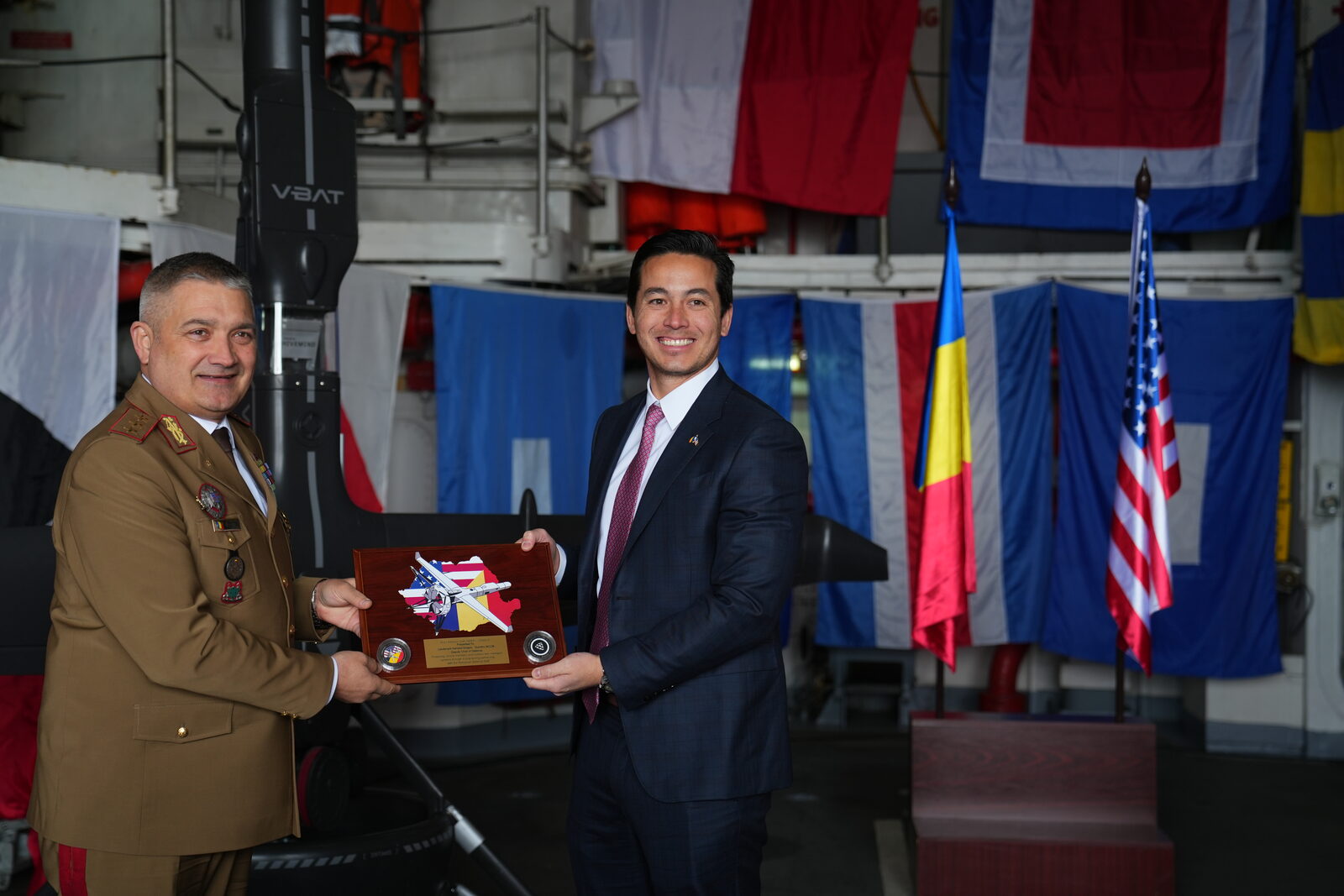
Poland's Armament Agency signed a contract with Shield AI for MQ-35 V-BAT VTOL drones to be deployed aboard Polish Navy vessels for Baltic Sea maritime surveillance, with delivery expected by end of 2026.
-
Defense & Combat
How Houthi Drones Closed the Red Sea: Incidents, Weapons, and the Cost Equation
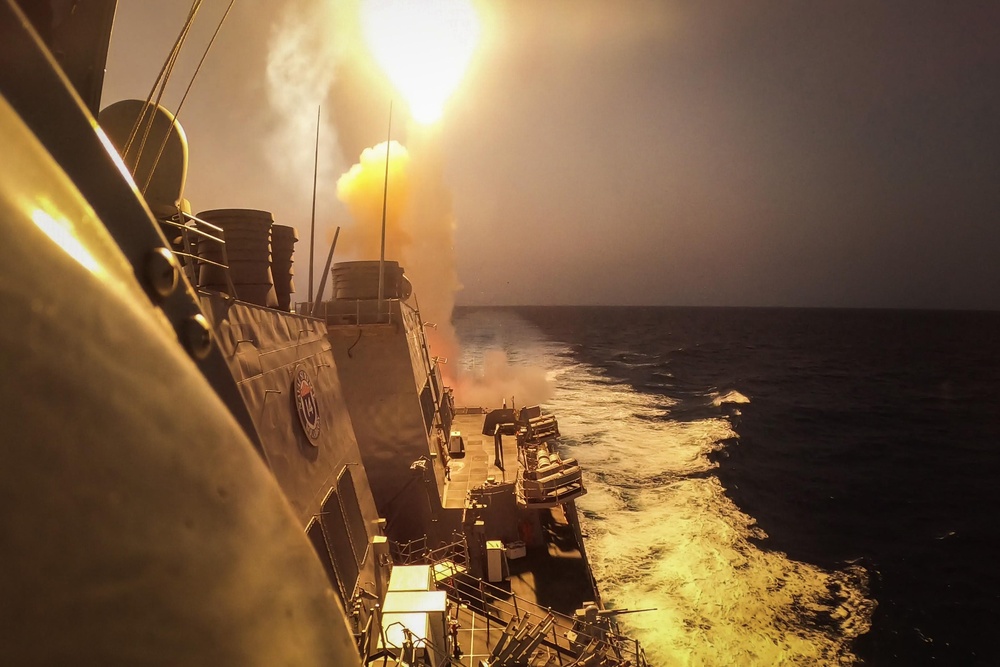
From the seizure of the Galaxy Leader in November 2023 through two confirmed ship sinkings, the Houthi maritime campaign collapsed Suez Canal transits by 58 percent and pushed US Navy munitions expenditure past $1 billion — using drones that, analysts estimate, cost a small fraction of the interceptors used against them.
-
Counter-UAS
Leonidas Explained: How Epirus's High-Power Microwave System Kills Drone Swarms
Epirus's Leonidas achieved a 100% kill rate against 61 drones — including 49 in a single pulse — in a DoD demonstration. Here is how its solid-state GaN architecture works, what the Army and Marine Corps have bought, and where the technology stands today.
-
Defense & Combat
ScanEagle and RQ-21A Blackjack: Inside Insitu’s Runway-Free ISR Platform Family
From a commercial fish-finder drone to front-line ISR in Ukraine, the Insitu ScanEagle and RQ-21A Blackjack are defined by a single design constraint: no runway needed. Here is how the platforms work, where they’ve fought, and why the formula endures.
-
Defense & Combat
MQ-25 Stingray: How the Navy's First Carrier Drone Solves a Decades-Old Tanker Problem
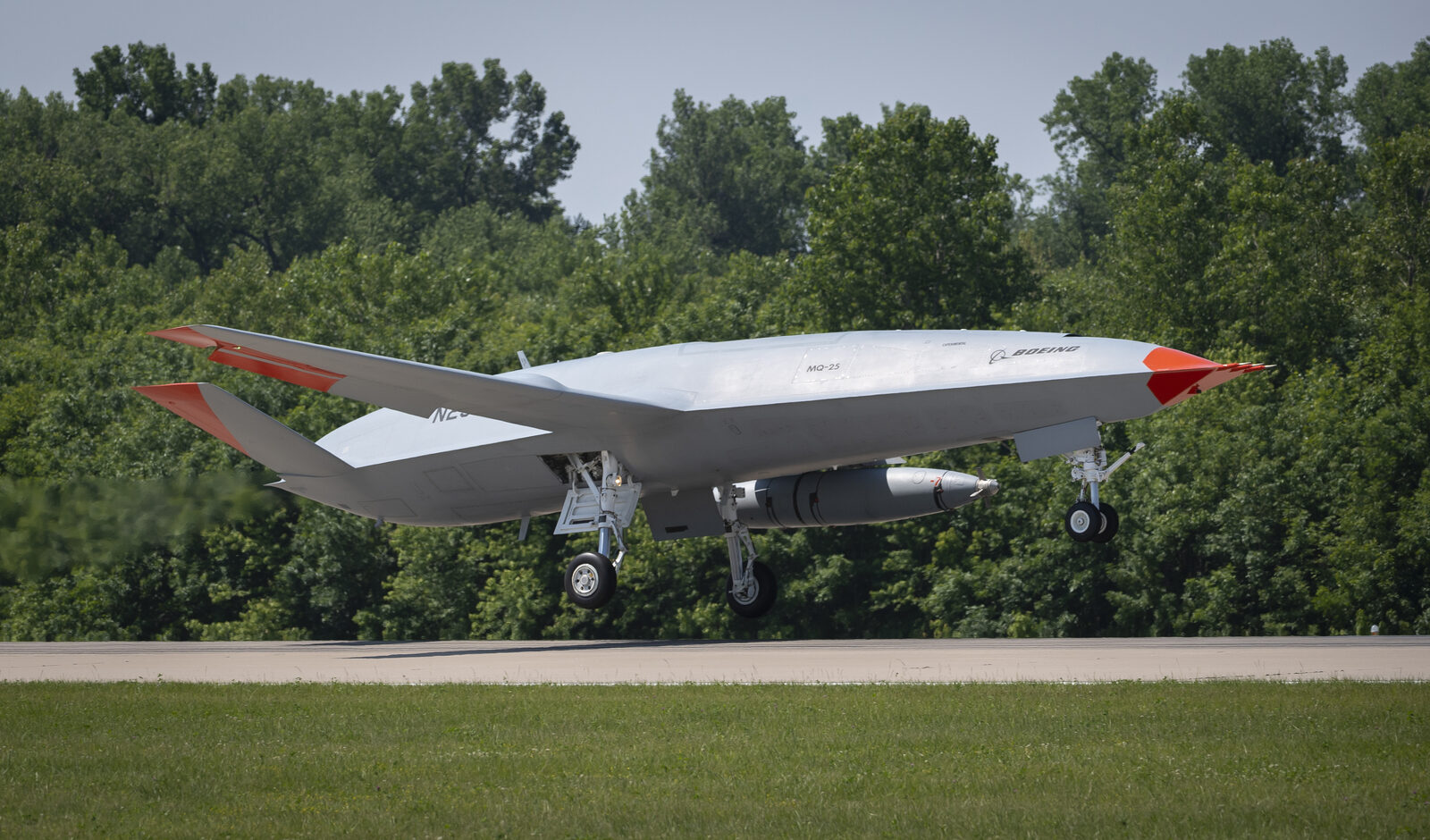
The MQ-25A Stingray is the U.S. Navy's first operational carrier-based unmanned aircraft — a purpose-built aerial tanker that doubles the combat radius of F/A-18s and F-35Cs while freeing multiple fighters per air wing from buddy-tanker duty.
-
Defense & Combat
The Undersea Drone Explained: UUV Categories, Programs, and the Race Below
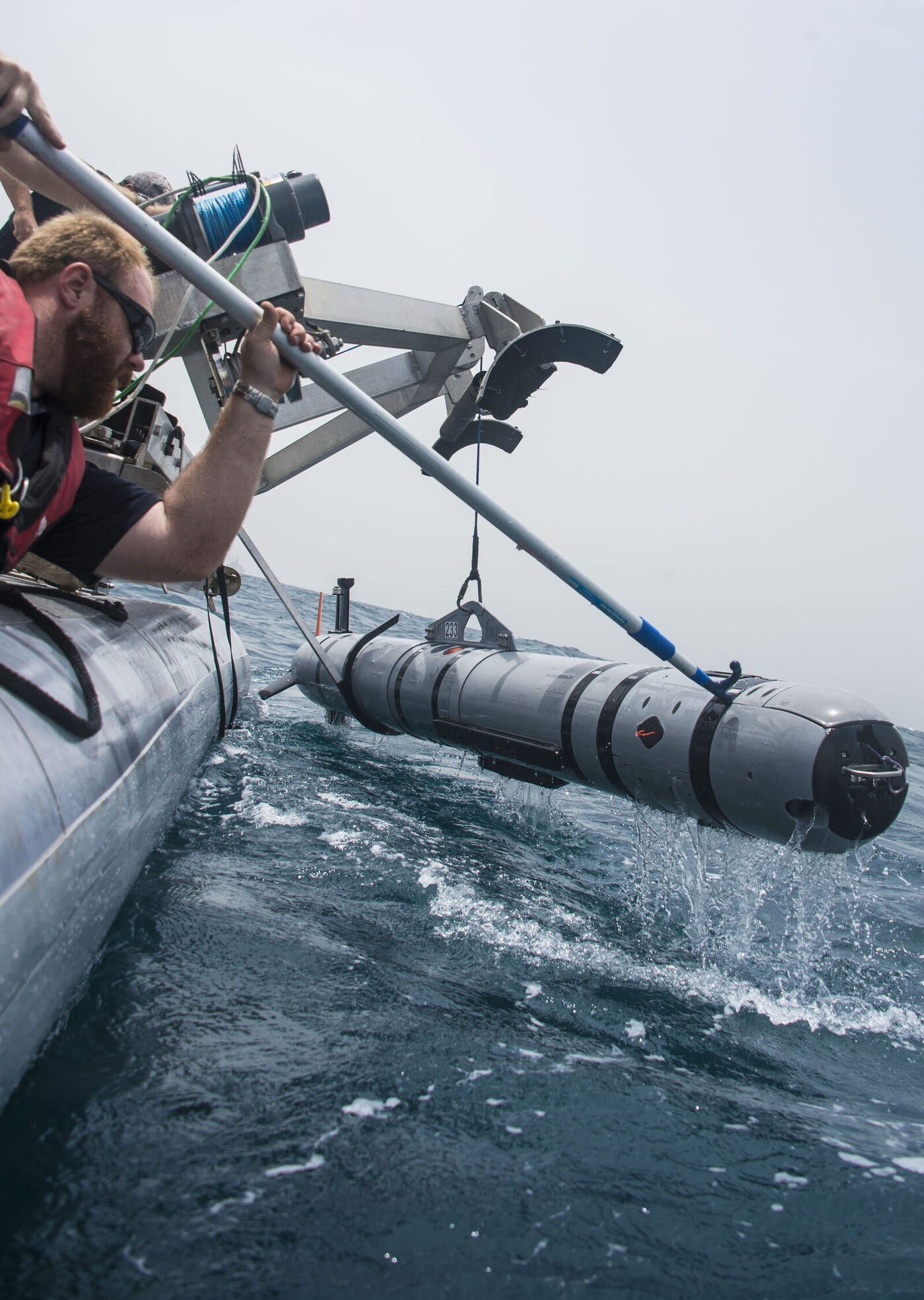
Uncrewed undersea vehicles now patrol the same cables that carry 97% of global communications. From man-portable REMUS scouts to 85-ton Orca XLUUVs, this is how the U.S. Navy classifies, builds, and struggles to field them — and why China is moving faster.
-
Defense & Combat
From Wild Weasels to Loitering Munitions: How SEAD and DEAD Actually Work
Six decades of air-defense suppression trace how SEAD — the threat that forces radars off the air — and DEAD — the physical kill — evolved from Wild Weasel jets and anti-radiation missiles to autonomous loitering munitions that can outwait a radar gone silent.