NATO
Every UASFeed story on NATO — across defense, counter-UAS, industry, commercial, policy, and tech, newest first.
-
Defense & Combat
Denmark, Finland, Germany and Norway to Buy Up to Five MQ-4C Tritons for NATO's ISR Fleet
Four NATO allies announced in Ankara that they will procure up to five Northrop Grumman MQ-4C Triton drones, NATO's first Triton buy, to bolster alliance-owned maritime surveillance in the High North.
-
Defense & Combat
Ukraine's Long-Range Drone Campaign Escalates as Russia Retaliates on Kyiv
Ukraine hit Russian oil, naval and defense sites with two massive drone barrages in 48 hours; Russia answered with 351 drones and 68 missiles on Kyiv, killing at least 12 as Zelensky pressed NATO for more interceptors.
-
Defense & Combat
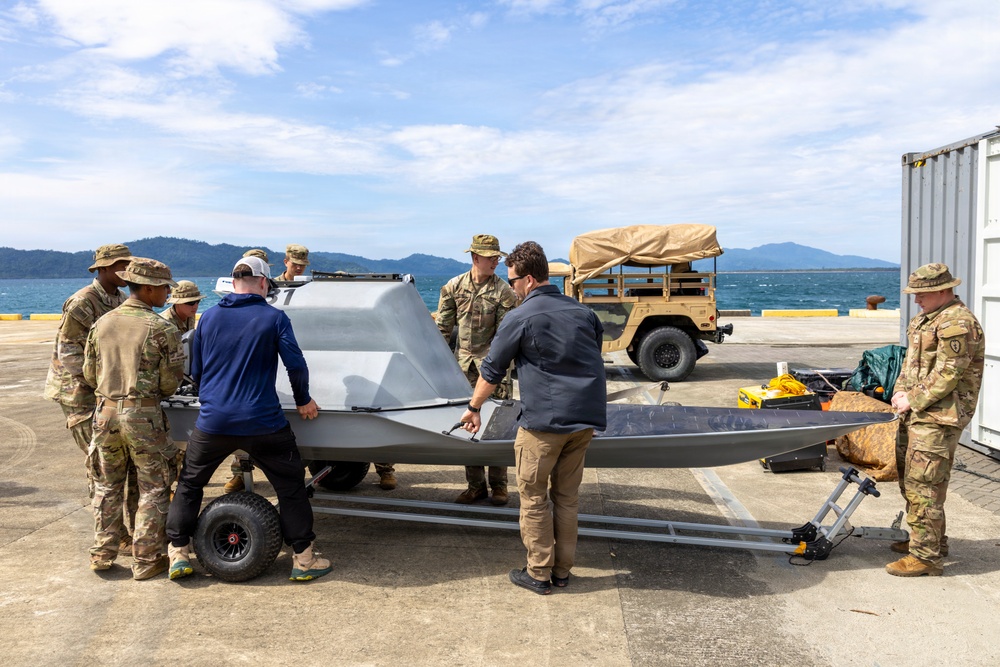
Ukraine's Magura Naval Drone Sinks a Target Ship in the Philippines — Its First Indo-Pacific Combat Debut
U.S. Green Berets used a Ukrainian-built Magura drone boat to sink a target vessel during Balikatan 2026, marking the first Indo-Pacific deployment of battle-tested Ukrainian naval-drone technology.
-
Defense & Combat
Ukraine's Top Strike-Drone Maker Turns to Missile Defense: Inside Fire Point's $700K 'Freyja' Interceptor
Fire Point, the firm behind Ukraine's FP-1/FP-2 deep-strike drones and FP-5 Flamingo cruise missile, is building 'Freyja,' a sub-$1M ballistic-missile interceptor around the FP-7.X, integrating German Hensoldt radar and aiming for a first operational intercept by end of 2027.
-
Defense & Combat
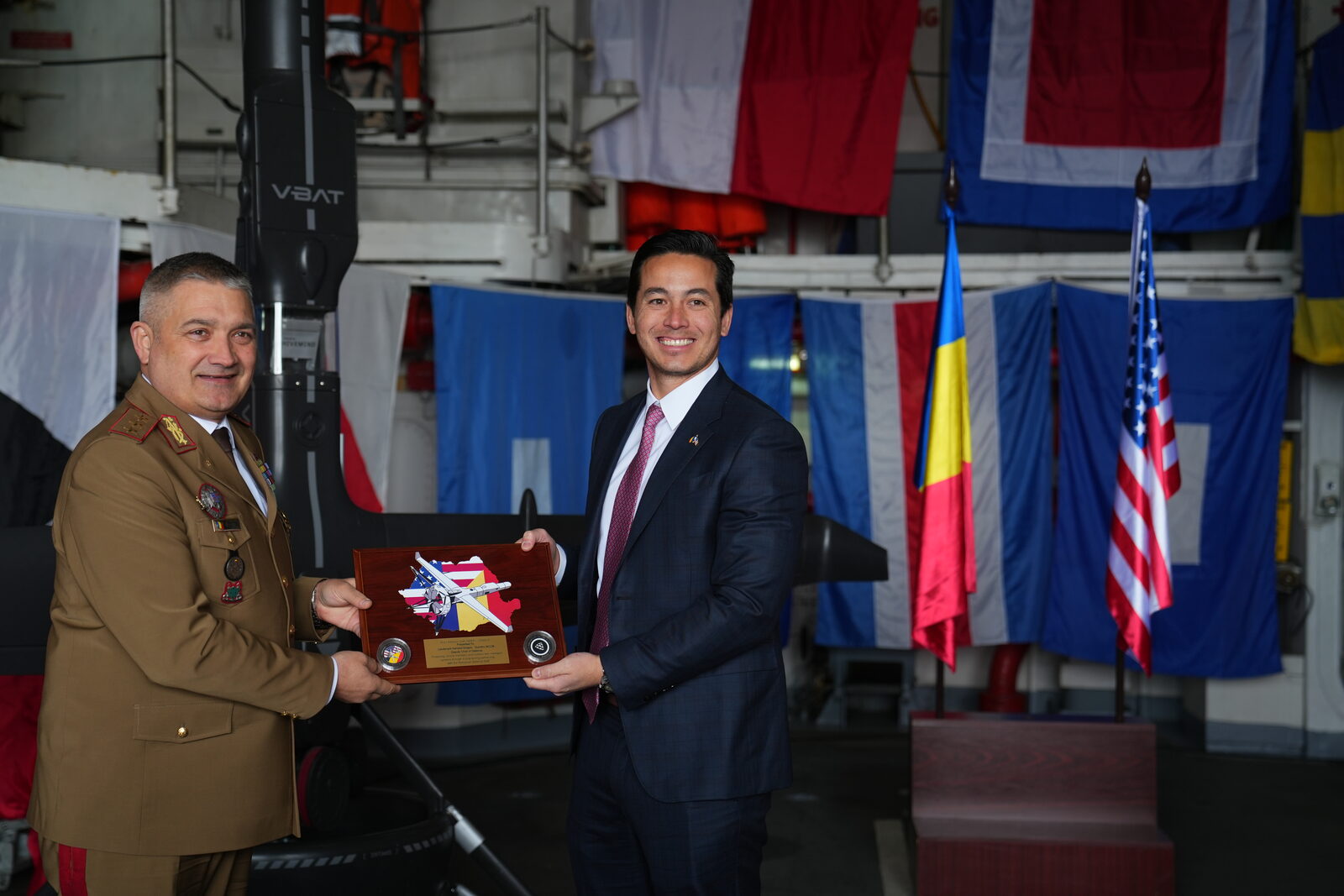
Poland Navy Contracts Shield AI V-BAT for Ship-Deck Maritime ISR
Poland's Armament Agency signed a contract with Shield AI for MQ-35 V-BAT VTOL drones to be deployed aboard Polish Navy vessels for Baltic Sea maritime surveillance, with delivery expected by end of 2026.
-
Defense & Combat
Warmate Explained: Poland's Combat-Tested Loitering Munition Scaling to 10,000 Units
WB Group's Warmate has delivered thousands of rounds in Ukraine while Poland locks in a 10,000-unit domestic framework — making it the most combat-proven European-origin loitering munition in active service and a model for how NATO allies are rethinking mass precision strike.
-
Defense & Combat
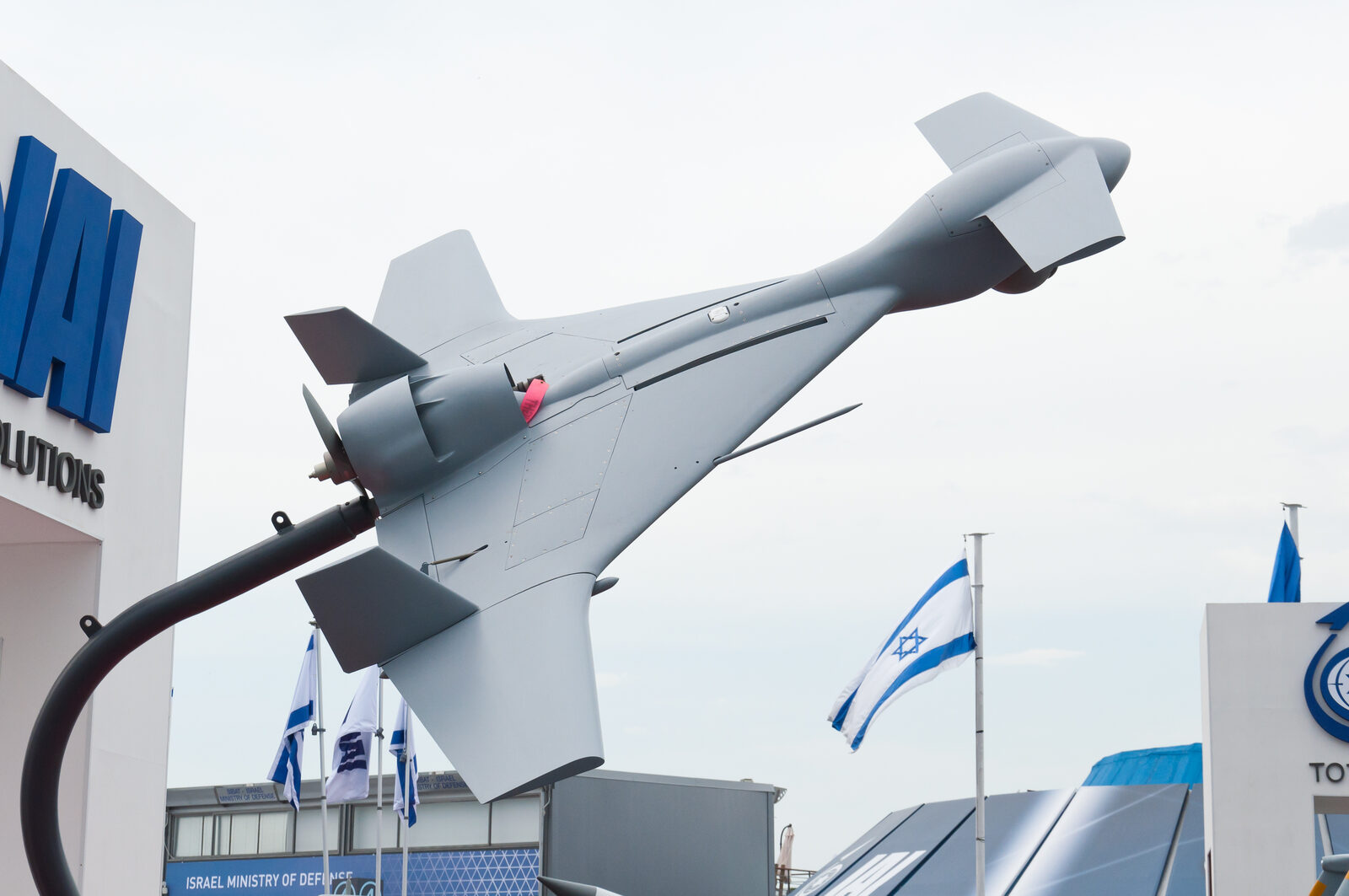
IAI Harpy and Harop: How Israel Invented the Loitering Munition
Israel Aerospace Industries invented the loitering munition category with the Harpy in the 1980s. Four decades on, the evolved Harop is combat-proven across two Nagorno-Karabakh wars and serving eight operators — reshaping how militaries think about radar suppression and precision strike.
-
Defense & Combat
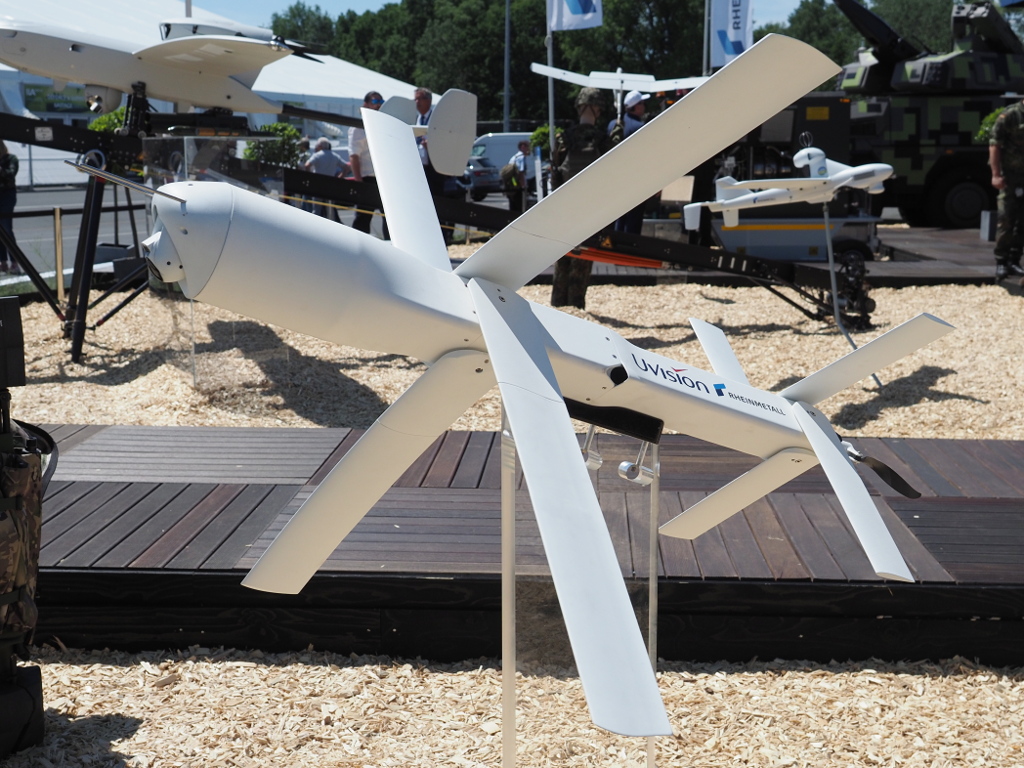
UVision's HERO Family: Loitering Munitions Arming Marines, SOCOM, and NATO Allies
Israel's UVision Air builds the HERO loitering munition family in five variants — from a 3 kg squad-portable round to a 125 kg strategic weapon — all sharing a common operator interface. The Hero-120 was selected for the U.S. Marine Corps' OPF-M program in 2021 and has since drawn SOCOM, NATO, and U.S. Army interest.
-
Defense & Combat
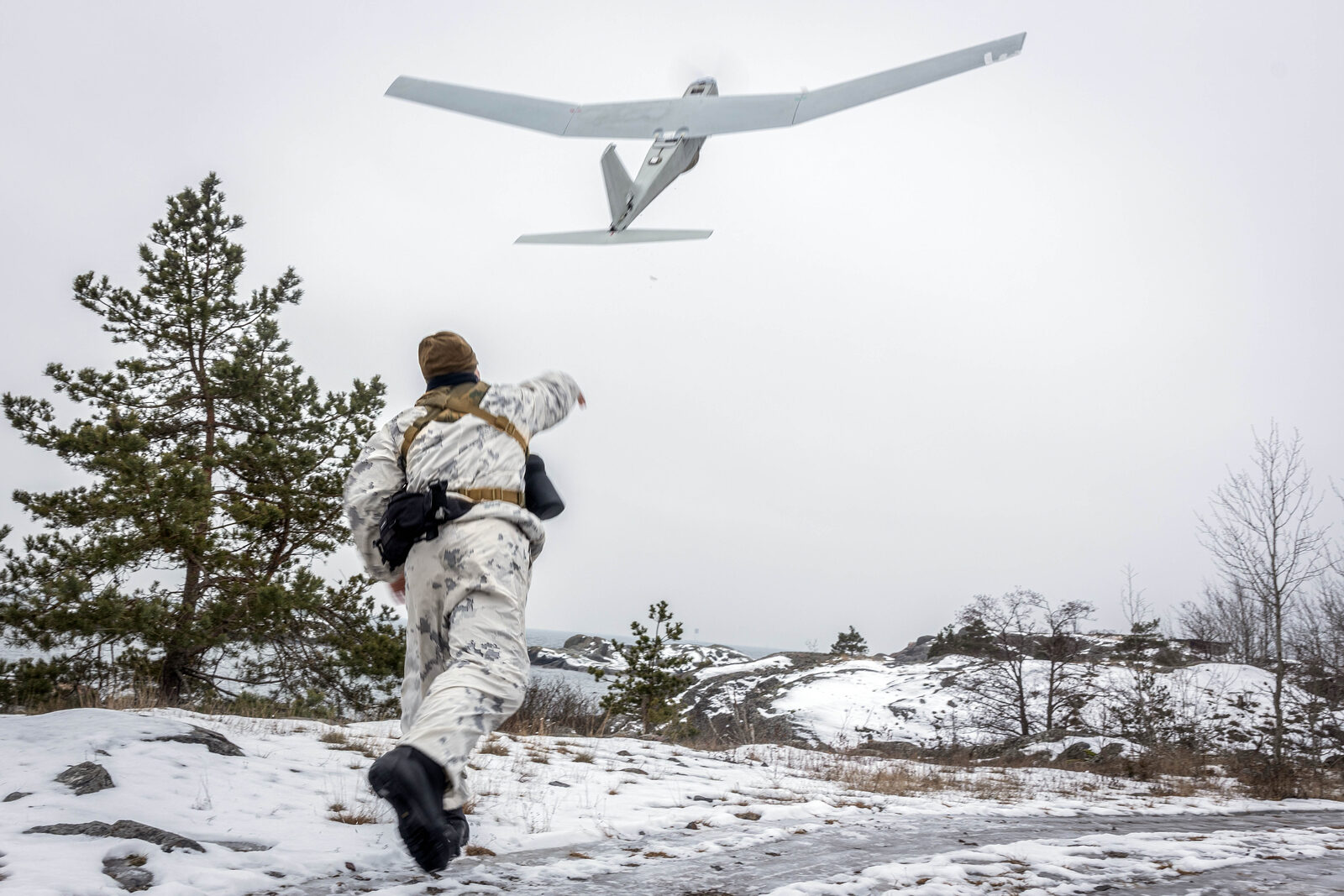
AeroVironment RQ-20 Puma AE: The Hand-Launched ISR Platform That Lands in the Ocean
AeroVironment's RQ-20 Puma AE is a hand-launched, battery-electric small UAS that operates from ship decks to desert outposts, delivering day/night ISR without a runway. A two-decade operational record and front-line deployments in Ukraine make it the Group 1/2 benchmark for allied militaries worldwide.
-
Defense & Combat
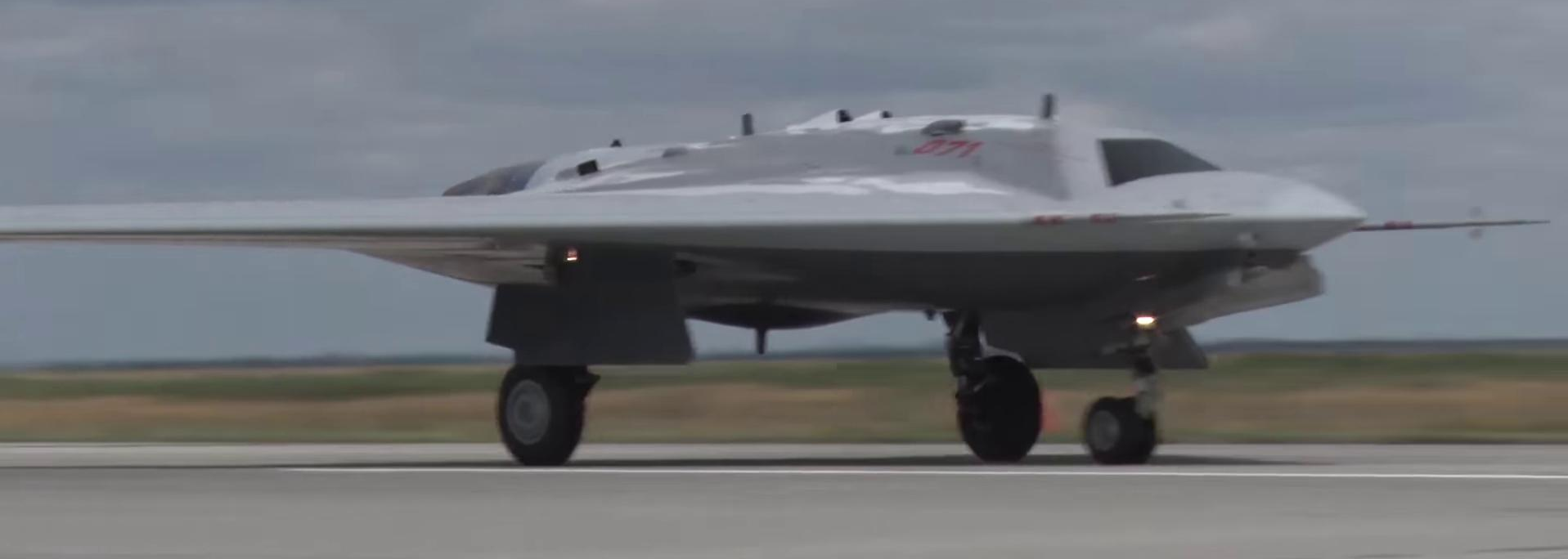
Russia's S-70 Okhotnik: Inside the Stealth UCAV That Shot Itself Down
Russia's most advanced stealth UCAV was destroyed by what open-source analysis indicates was likely its own Su-57 escort over Donetsk in October 2024. The armed wreckage handed NATO a technical intelligence windfall — and exposed a program running three production-deadline slips behind schedule.
-
Defense & Combat
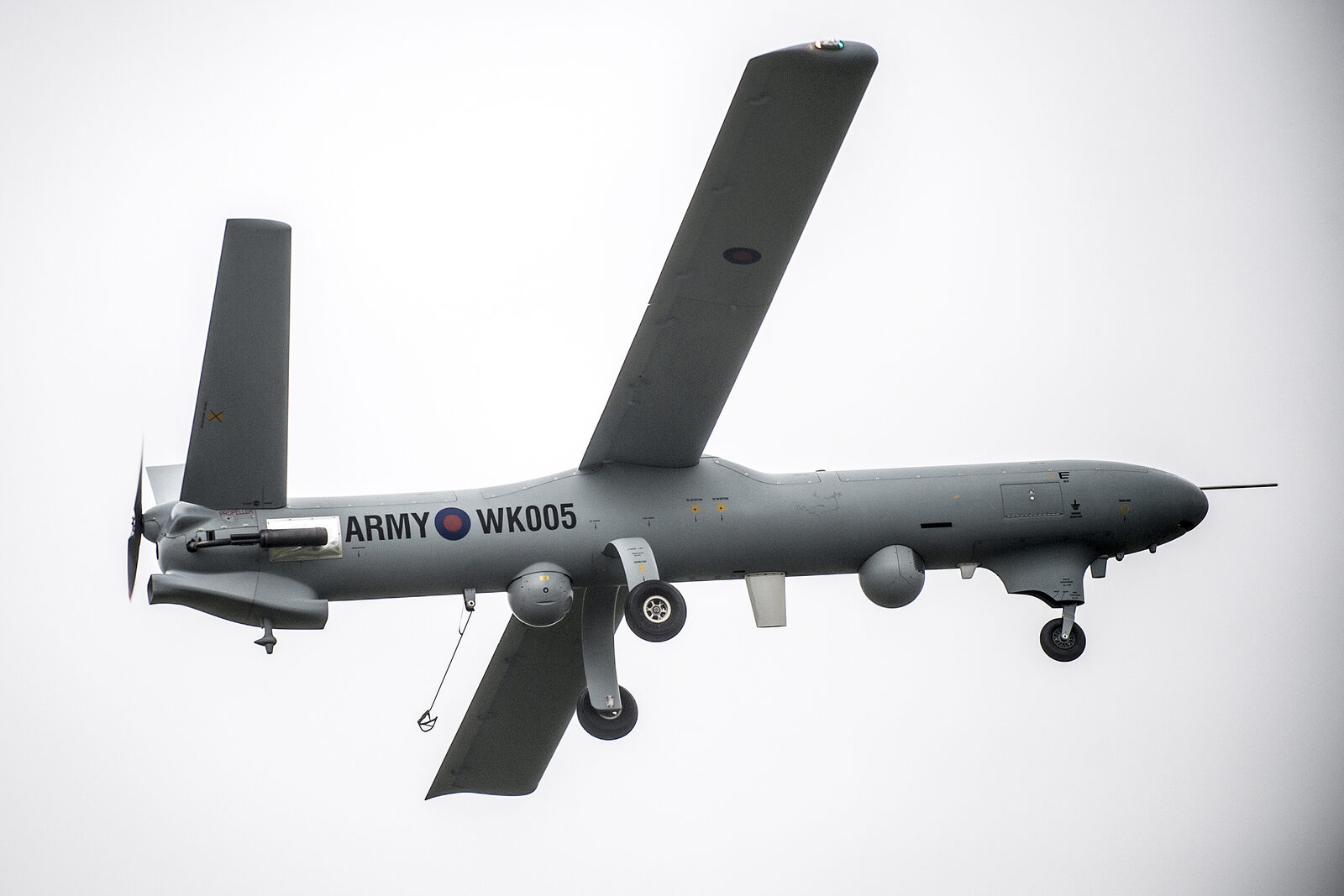
Watchkeeper WK450: Britain's £1.35 Billion Tactical Drone, Explained
The British Army's Watchkeeper WK450 spent fourteen years reaching full operational capability, lost eight of fifty-four airframes, and cost £1.35 billion before being retired nearly two decades ahead of schedule. A deep read on what went wrong — and what it means for Western tactical-UAS procurement.
-
Defense & Combat
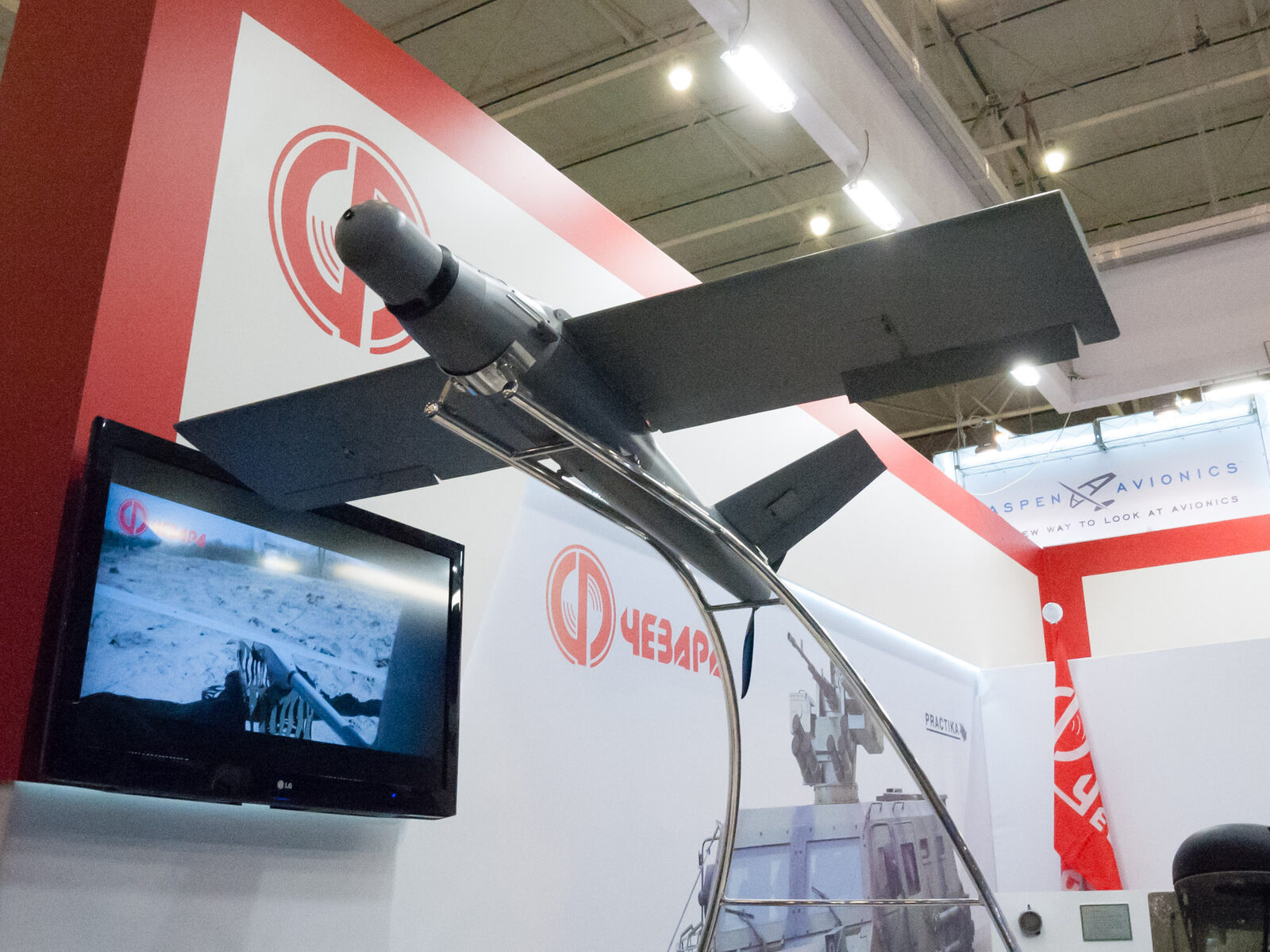
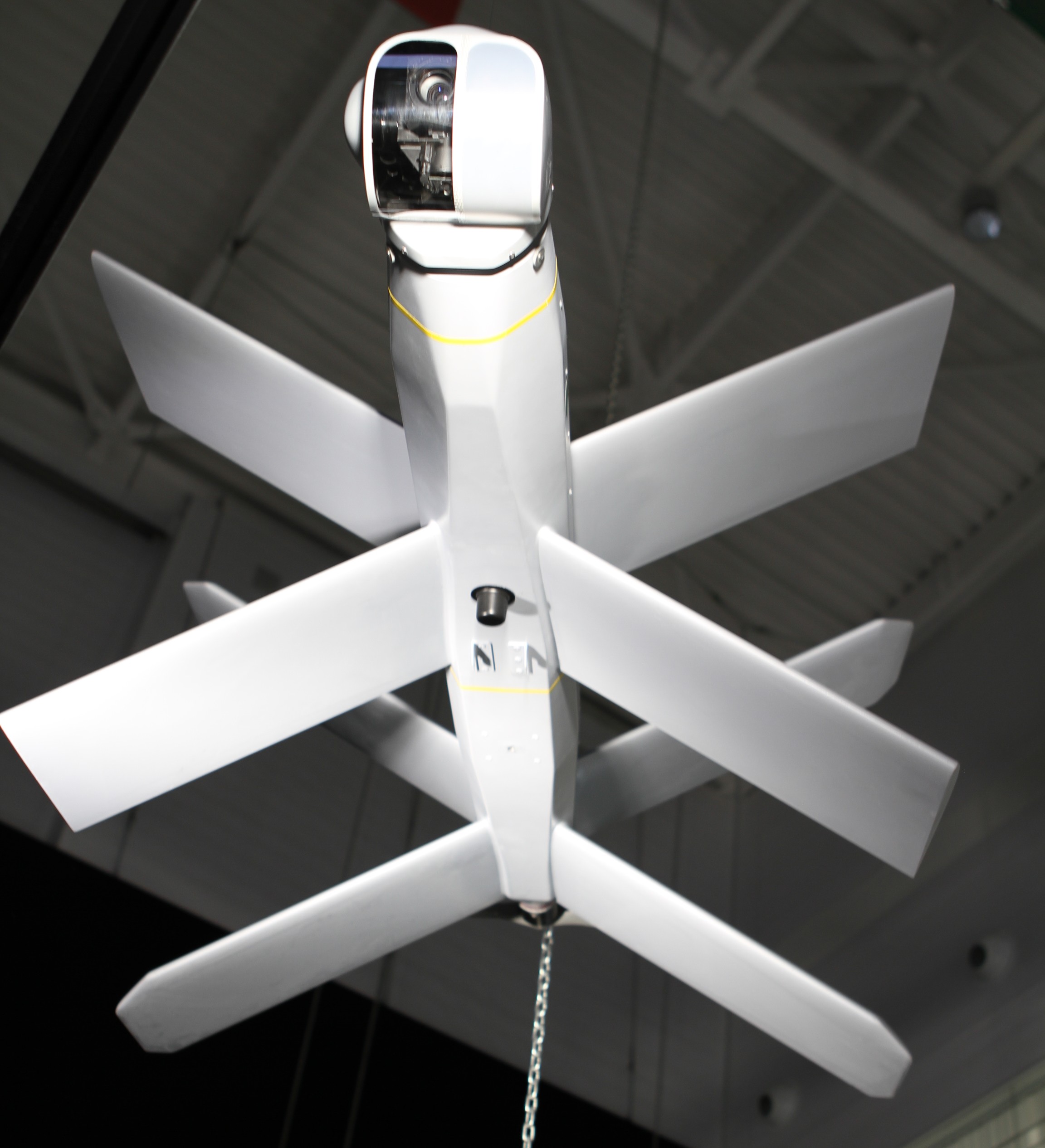
The ZALA Lancet: Inside Russia's Most Effective Loitering Munition
From its distinctive double-X wing geometry to the contested AI claims and the container-launched Product-53 successor, a technical breakdown of the loitering munition that has hunted more Western-supplied artillery in Ukraine than any other single Russian system.