U.S. Marine Corps
Every UASFeed story on U.S. Marine Corps — across defense, counter-UAS, industry, commercial, policy, and tech, newest first.
-
Counter-UAS
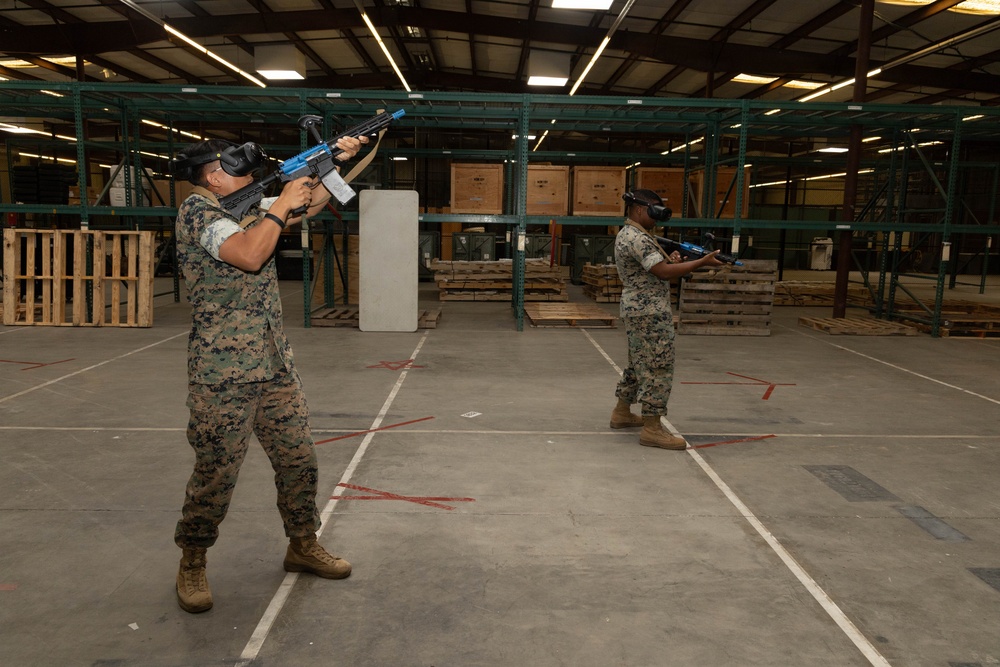
Marines' Counter-Drone VR Headsets Double as Suicide-Prevention Trainers at Camp Pendleton
A Camp Pendleton logistics battalion bought 20 OperatorXR headsets to teach Marines to find and shoot down hostile drones. Since July, the same gear has also run suicide-prevention training, with about 350 Marines through so far and a goal of more than 1,000.
-
Counter-UAS
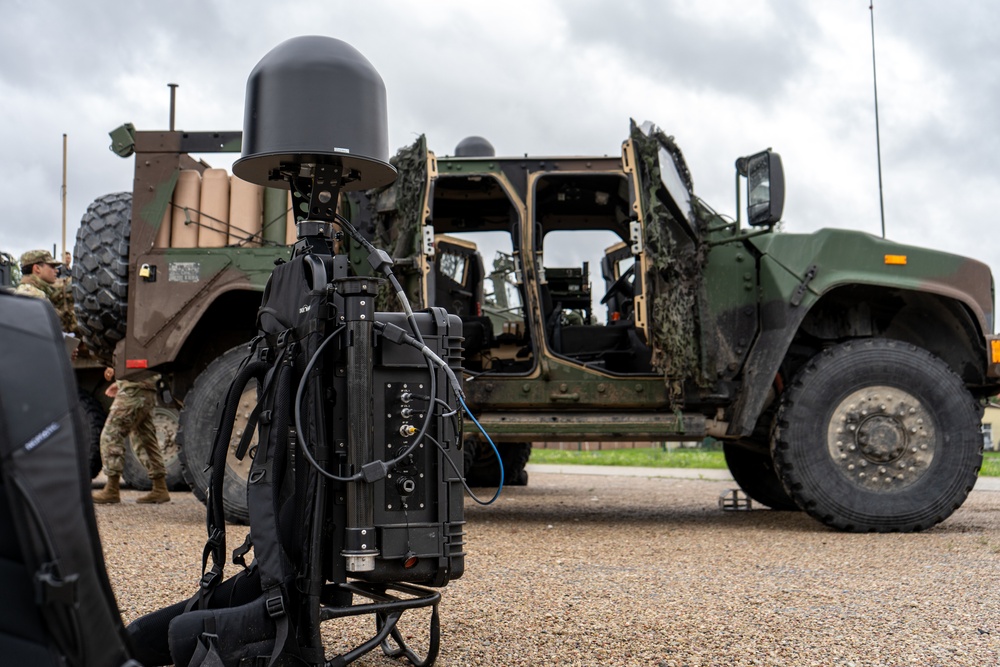
Kongsberg Puts Its PROTECTOR Counter-Drone Layer on Dutch JLTVs via Oshkosh
Kongsberg will supply Oshkosh Defense Europe with PROTECTOR RS4 weapon stations carrying its PROTECTOR CUAS software for Dutch JLTVs. Counter-drone capability is arriving as a software layer on hardware the Netherlands was already buying.
-
Counter-UAS
Marines Rush Anduril Jammers to Amphibious Combat Vehicles as NORTHCOM Tests Urban Counter-Drone Defense
The Marine Corps hand-picked Anduril for a $15.7M sole-source deal to arm its ACVs with Pulsar-L jammers, landing the same week NORTHCOM ran its fourth counter-drone exercise and previewed its first urban test.
-
Counter-UAS
V2X's Hellfire-Armed Tempest Buggy Heads to the Marine Corps for Drone Killing Duty
V2X has begun fielding its Hellfire-armed Tempest buggy to the Marine Corps under a $19 million, 10-vehicle contract, giving units a mobile, shoot-and-scoot answer to Class 2 and 3 drones.
-
Counter-UAS
Marine Corps Funds Epirus HAVOC Microwave Weapon as Pentagon Vows 46-Site Counter-Drone Shield
The Marine Corps handed Epirus $11 million for its HAVOC high-power microwave system, and JIATF-401's director revealed the Pentagon is hardening 46 priority U.S. installations and nearing an FAA/DHS pact to fast-track counter-drone tech.
-
Counter-UAS
Marine Corps Pays Epirus $11M to Push HAVOC Microwave Counter-Drone System Toward Production
The Navy's Office of Naval Research awarded Epirus $11 million on August 10, 2026 to mature its vehicle-mounted HAVOC high-power microwave weapon for Marine Corps air-defense units racing to counter swarming drones.
-
Counter-UAS
Marines Buy Epirus's HAVOC: An $11M Award Turns the ExDECS Microwave Prototype Into an Autonomy-Ready Swarm-Killer
The Marine Corps has awarded Epirus roughly $11 million for HAVOC, an autonomy-enabled evolution of the ExDECS high-power microwave prototype — a sled-mounted swarm-killer built to fight alongside MADIS, with the company already able to build about one system per week.
-
Counter-UAS
Counter-UAS Technology Compared: Kinetic, RF Jamming, High-Power Microwave, Laser, and Net Interceptors
A side-by-side comparison of the five ways drones are actually defeated today — kinetic interceptors, RF/GPS jamming, high-power microwave, directed-energy lasers, and net-capture systems — with range, cost per engagement, tradeoffs, and who's legally allowed to use each under SAFER SKIES.
-
Counter-UAS
Marine Corps Stands Up MCRIG, a Dedicated Command for Small-Drone and Counter-Drone Training
A July 2 MARADMIN creates the Marine Corps Robotics Integration Group at Twentynine Palms to standardize Group 1/2 drone and counter-drone training service-wide, backed by an active hunt for team chiefs, SNCOs, intel officers and EW specialists.
-
Counter-UAS
Leonidas Explained: How Epirus's High-Power Microwave System Kills Drone Swarms
Epirus's Leonidas achieved a 100% kill rate against 61 drones — including 49 in a single pulse — in a DoD demonstration. Here is how its solid-state GaN architecture works, what the Army and Marine Corps have bought, and where the technology stands today.
-
Counter-UAS
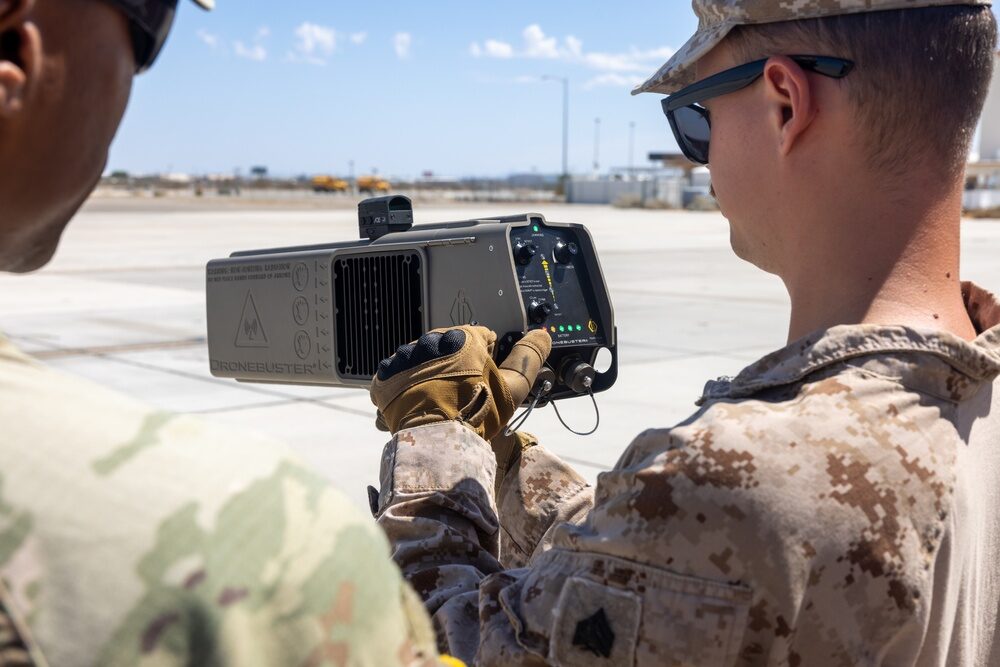
Drone Jamming Explained: How It Works, Who Can Do It, and Where It Fails
Electronic jamming neutralizes more drones in Ukraine than any other method — roughly 10,000 per month — yet the newest generation of fiber-optic and AI-navigation drones is immune to it. A technical and legal primer on the RF physics, the US arsenal, and why civilians and companies have zero legal authority to jam.
-
Counter-UAS
Layered Counter-UAS Defense: How the Kill Chain Actually Works
From Langley's 17 nights of unidentified drones to the Navy's billion-dollar Red Sea munitions bill, the pressure to build coherent counter-drone architecture has never been higher. Here is how the layers — detect, identify, decide, defeat — actually work, what each one costs, and why none of them works alone.