DARPA
Every UASFeed story on DARPA — across defense, counter-UAS, industry, commercial, policy, and tech, newest first.
-
Tech & Builds
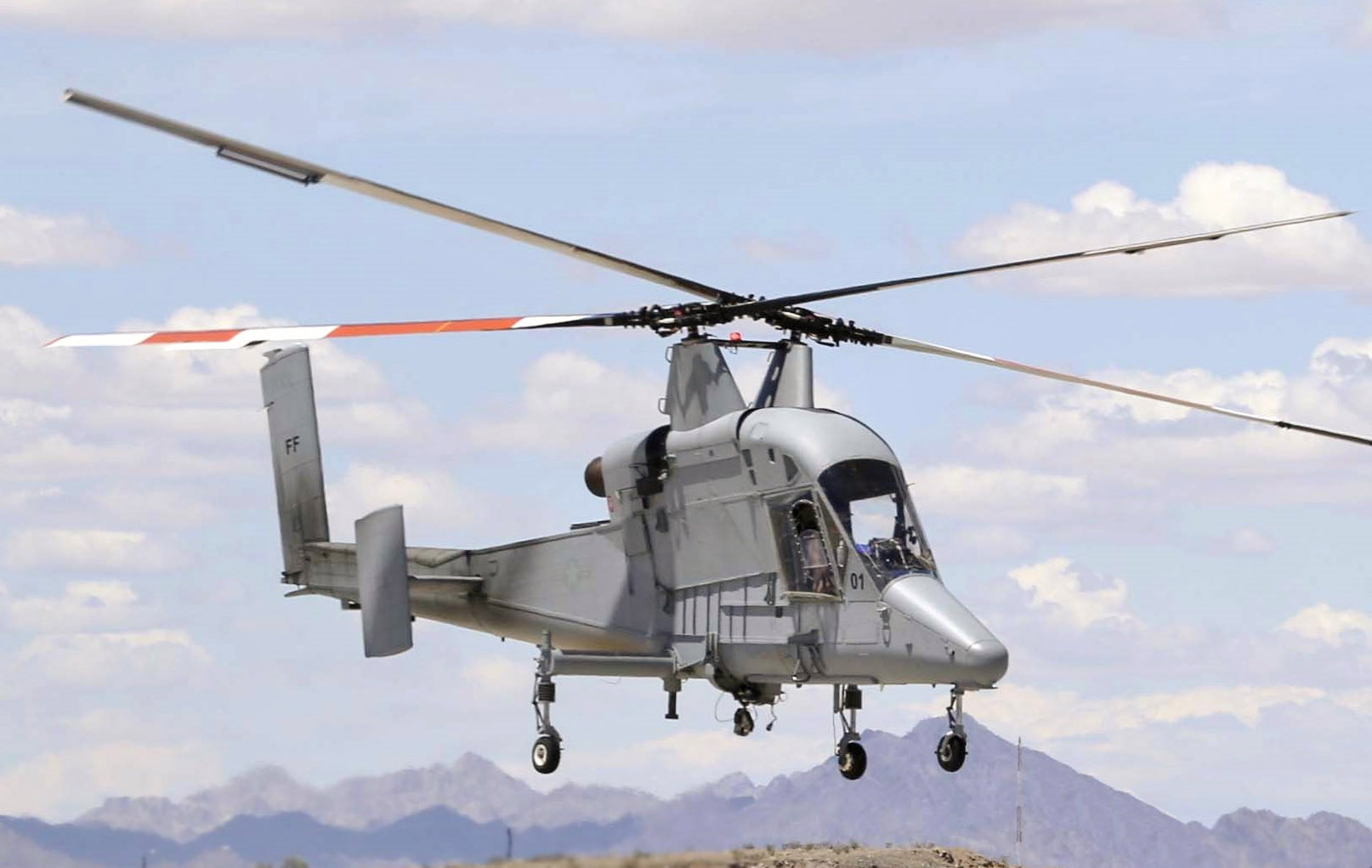
Optionally Piloted Aircraft: The Platform That Bridges Crewed and Autonomous Flight
Optionally piloted aircraft hold manned airworthiness certificates while enabling fully autonomous operations—closing the regulatory gap that stalls pure UAVs. From proven Afghan cargo resupply missions to DARPA’s autonomous Black Hawk delivered to the Army in 2026, the concept reshapes military logistics and aviation.
-
Tech & Builds
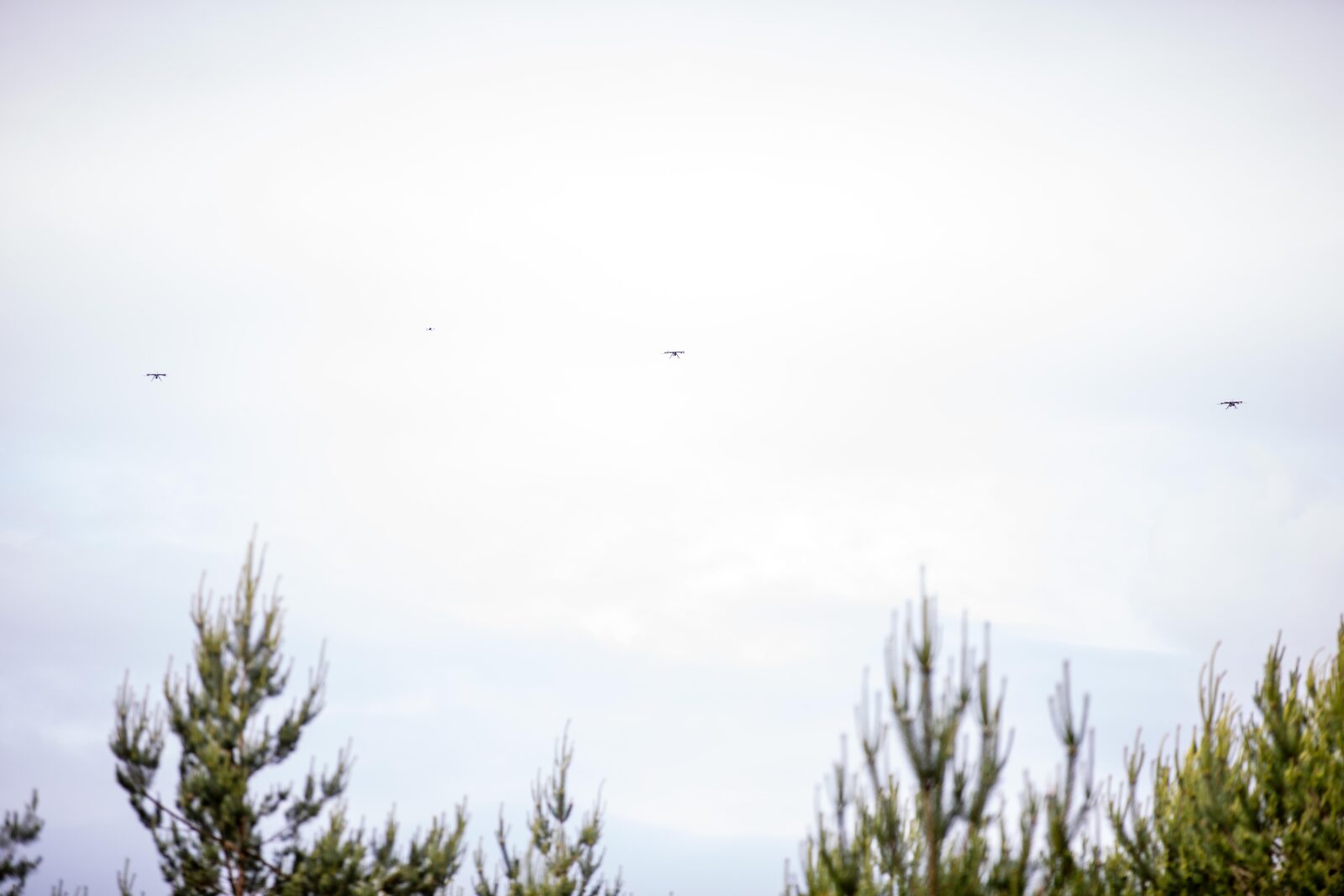
Swarm Mesh Networking: The Hidden Architecture Behind Autonomous Drone Coordination
Drone light shows and true autonomous swarms share an airspace but almost nothing else. The decentralized MANET/FANET mesh—multi-hop routing, anti-jamming MARL, GPS-denied positioning—is what separates choreography from genuine collective autonomy, and what DARPA OFFSET and Replicator's $1B are chasing.
-
Tech & Builds
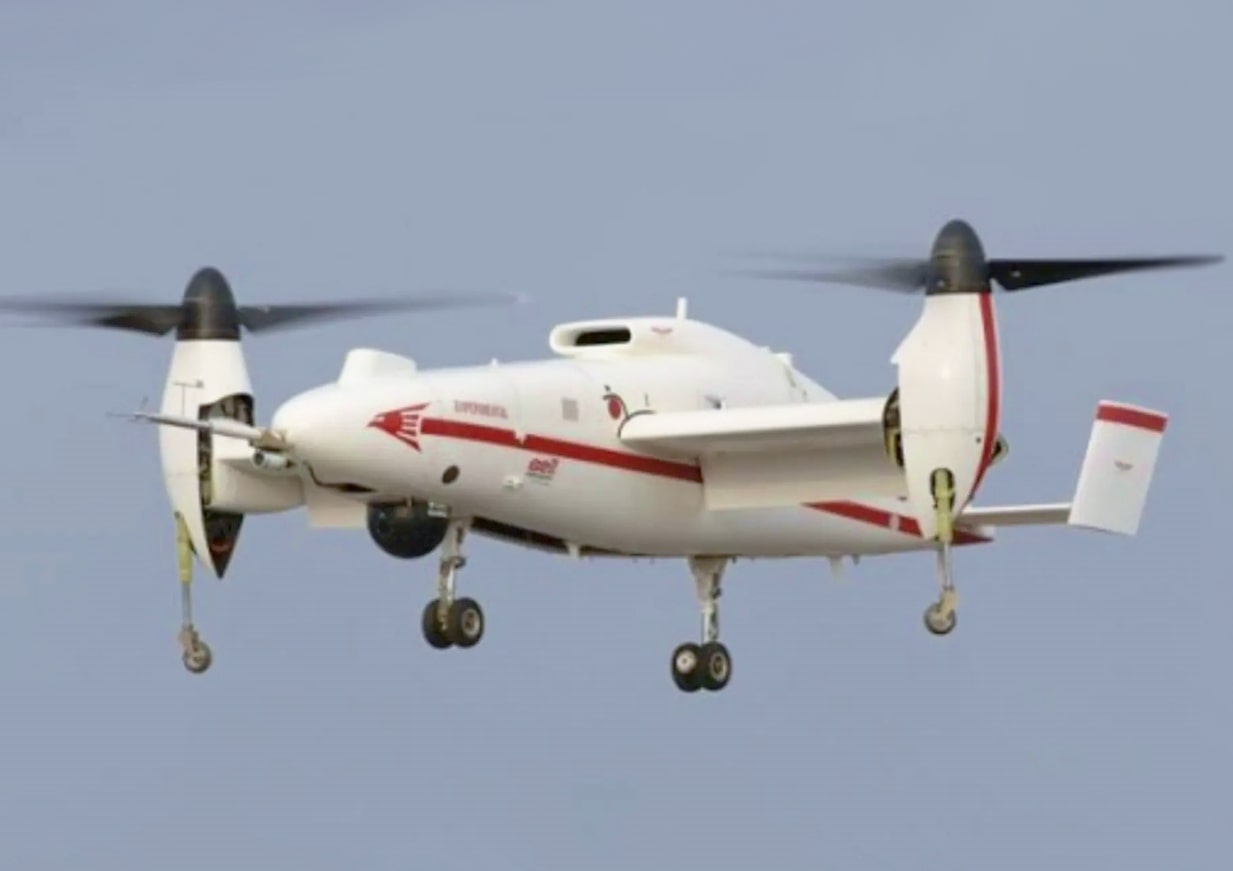
Tilt-Rotor, Tailsitter, and Ducted-Fan Drones: The VTOL Hover-Cruise Trade-Off
Every VTOL aircraft must reconcile two contradictory physics demands: hover requires high blade area and tip speed, while forward flight requires the opposite. Tilt-rotor, tailsitter, and ducted-fan architectures each place their bets differently — with lasting consequences for military range and noise compliance.
-
Tech & Builds
Shield AI's Hivemind: The AI Pilot Built for GPS-Denied War
Shield AI's Hivemind AI pilot stack has been in continuous combat use since 2018 — from SOCOM building clearances to Ukraine ISR sorties to a live F-16 dogfight with the Air Force Secretary on board.
-
Defense & Combat
Air-Launched Effects and Drone Motherships: How Stacking Range Reshapes Aerial Warfare
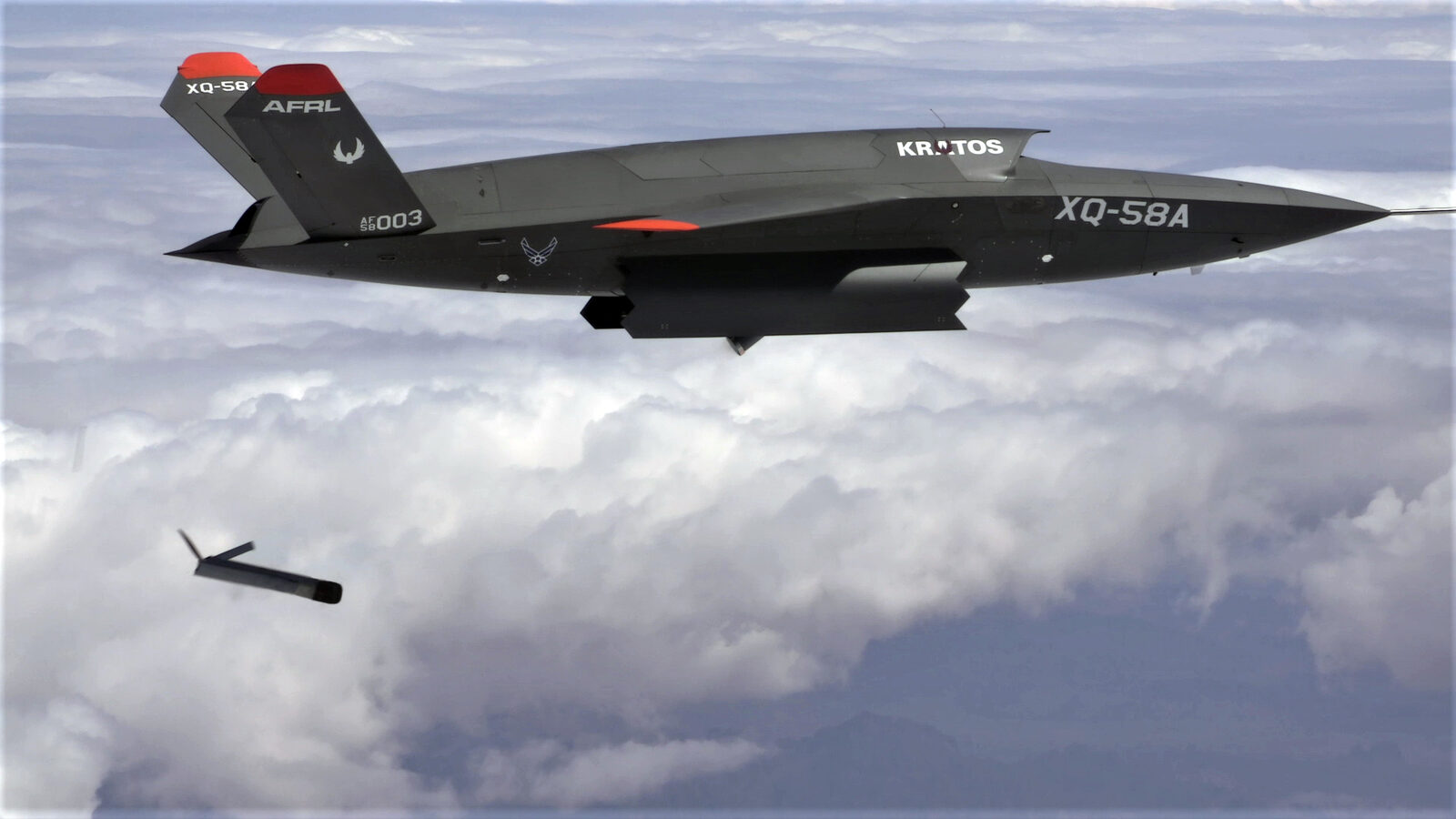
Air-launched effects (ALE) divorce mission risk from platform cost by stacking a mothership's standoff range on top of a drone's own reach — letting aircraft dispense swarms deep inside defended airspace without entering it. From DARPA's Gremlins to China's Jiutian, the concept is going mainstream.
-
Tech & Builds
How Drones Navigate When GPS Is Gone: The Full Toolkit
Russian jamming dropped FPV hit rates from 40–60% to under 30%. Ukraine's response accelerated every GPS-denied navigation technique in the book — from inertial sensors and visual odometry to quantum magnetometers and $50 autonomy modules. Here's how each layer works.
-
Tech & Builds
What Makes a Drone Swarm: True Autonomy, Enabling Tech, and the C2 Gap
Most formations called 'drone swarms' aren't—they're centralized fleets, scripted salvos, or teleoperated aircraft. Here's what true swarm autonomy requires, which programs are closest, and why C2 software remains the binding constraint.