Department of Justice
Every UASFeed story on Department of Justice — across defense, counter-UAS, industry, commercial, policy, and tech, newest first.
-
Counter-UAS
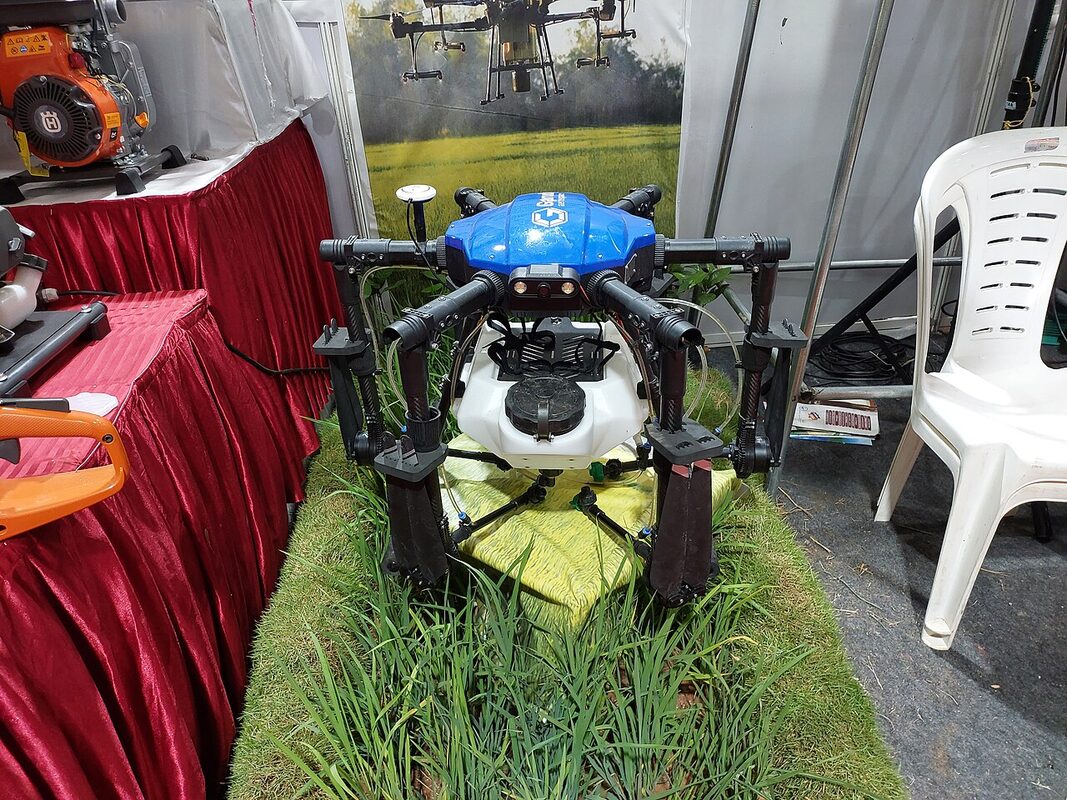
LAPD Chief Warns Weaponized Crop-Duster Drones Are a Real 2028 Olympics Threat as the City Leans on a $9.77M World Cup Counter-Drone Network
LAPD Chief Jim McDonnell says weaponized agricultural spray drones are a real threat to the 2028 Olympics, but the $9.77M counter-drone network Los Angeles bought for the World Cup was not sized for 20 security footprints over 40-plus days.
-
Counter-UAS
Five Departments Sign a Counter-Drone MOU That Gives the FAA a Safety Review, but the Text Is Unpublished
Five departments signed a counter-drone MOU that puts an FAA safety review in front of deployments. The text is unpublished, so it is unclear how the deal fits with July's rule for local police, how it squares with February's El Paso laser closures, and what it means for states before the Nov. 16 FEMA grant deadline.
-
Counter-UAS
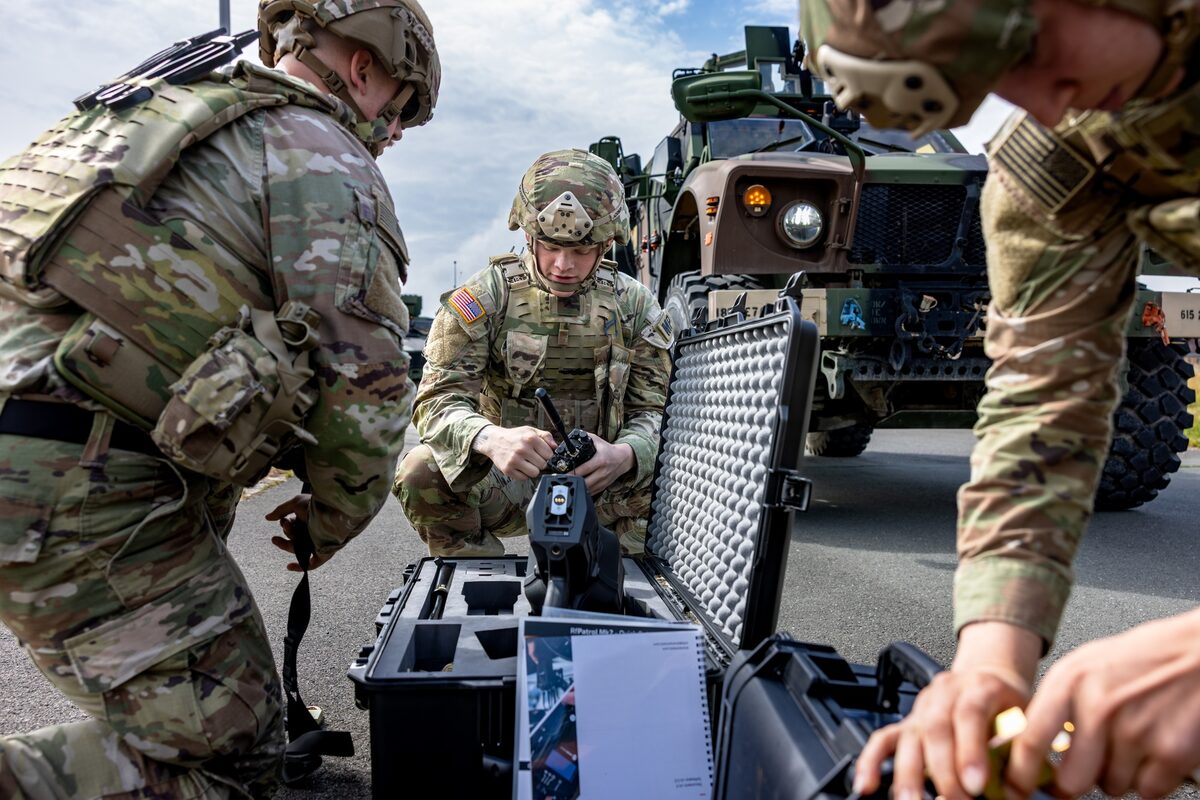
29 Governors Ask for More Counter-Drone Training, but the Federal Rule Already Offers a Prison Course
Twenty-nine governors want more FBI counter-drone seats, a prison-specific course and Guard access. The July rule already includes an abbreviated correctional certification and lets the AG add training sites, and the Guard needs Congress, not the DOJ.
-
Counter-UAS
FBI Reopens Data-Collection Rule for Local Police Running Counter-Drone Operations Under SAFER SKIES
The FBI is asking OMB to approve a revised paperwork requirement for local police running counter-drone operations under the SAFER SKIES Act, with public comment open through November 2.
-
Counter-UAS
Inside the Hunt for Suspected Chinese Drone Spies at White Sands and Other US Military Bases
A CNN investigation details how Army, FBI, DHS and Pentagon teams used electronic warfare to force down a drone that probed White Sands Missile Range for five days, leading to the detention of Chinese nationals in a rented RV.
-
Counter-UAS
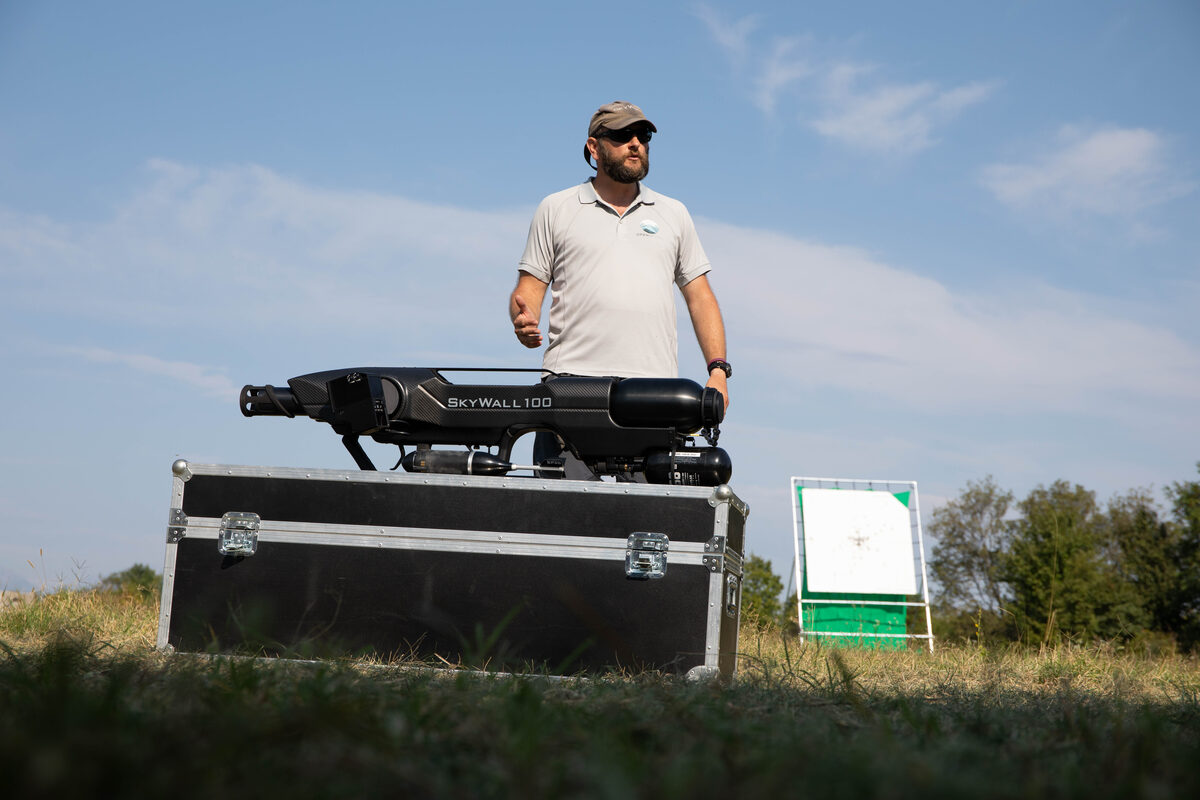
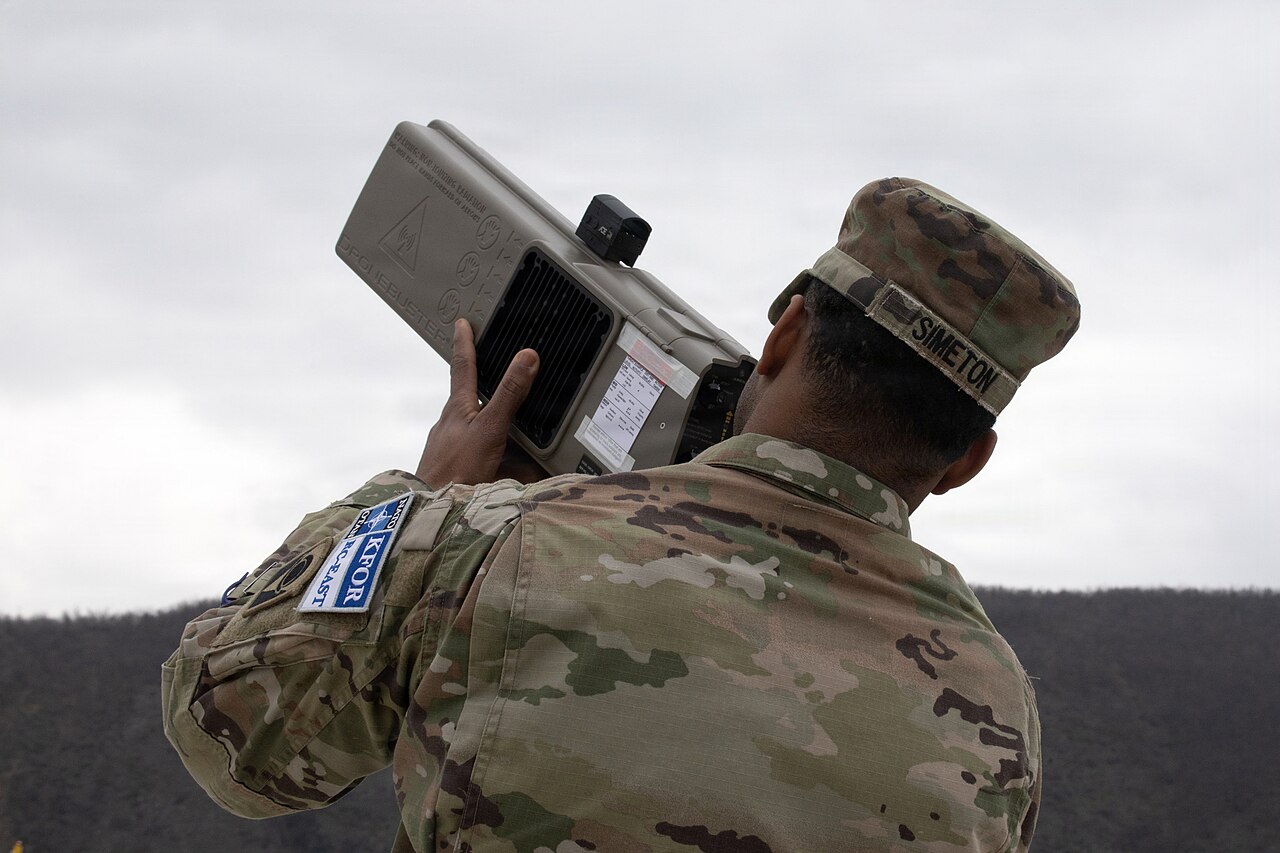
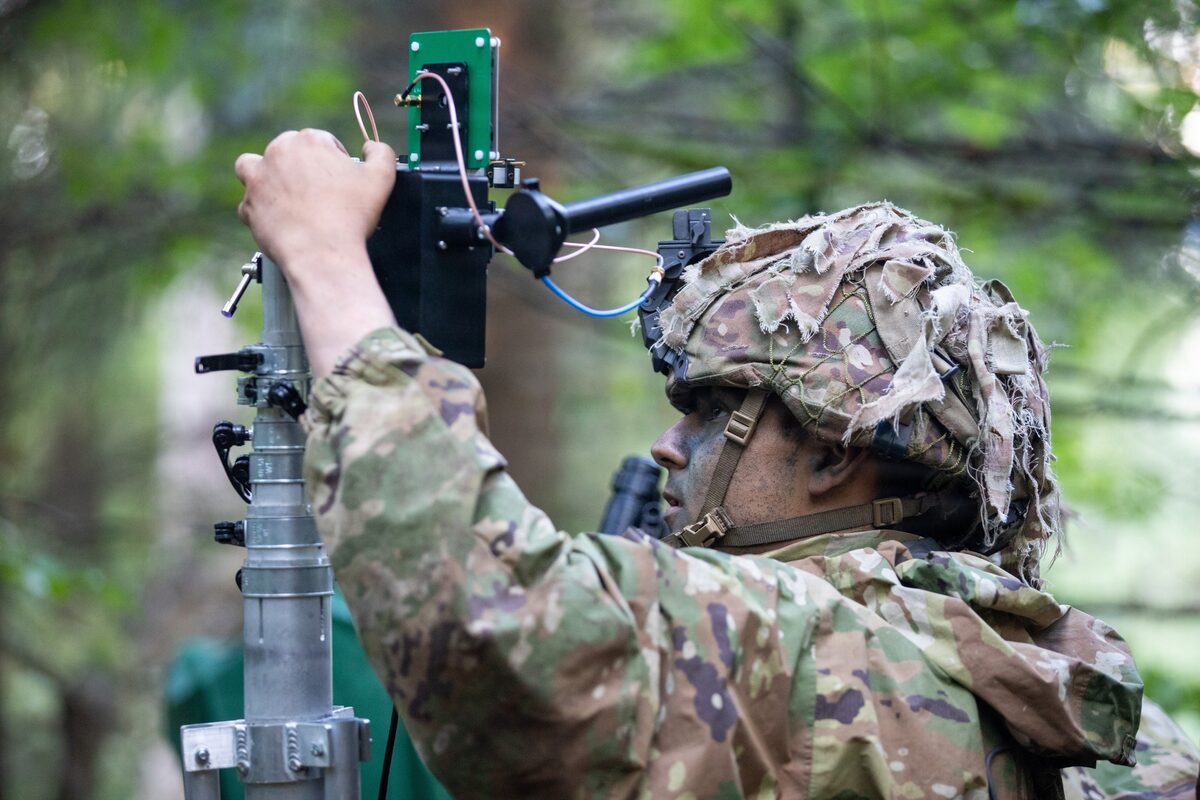
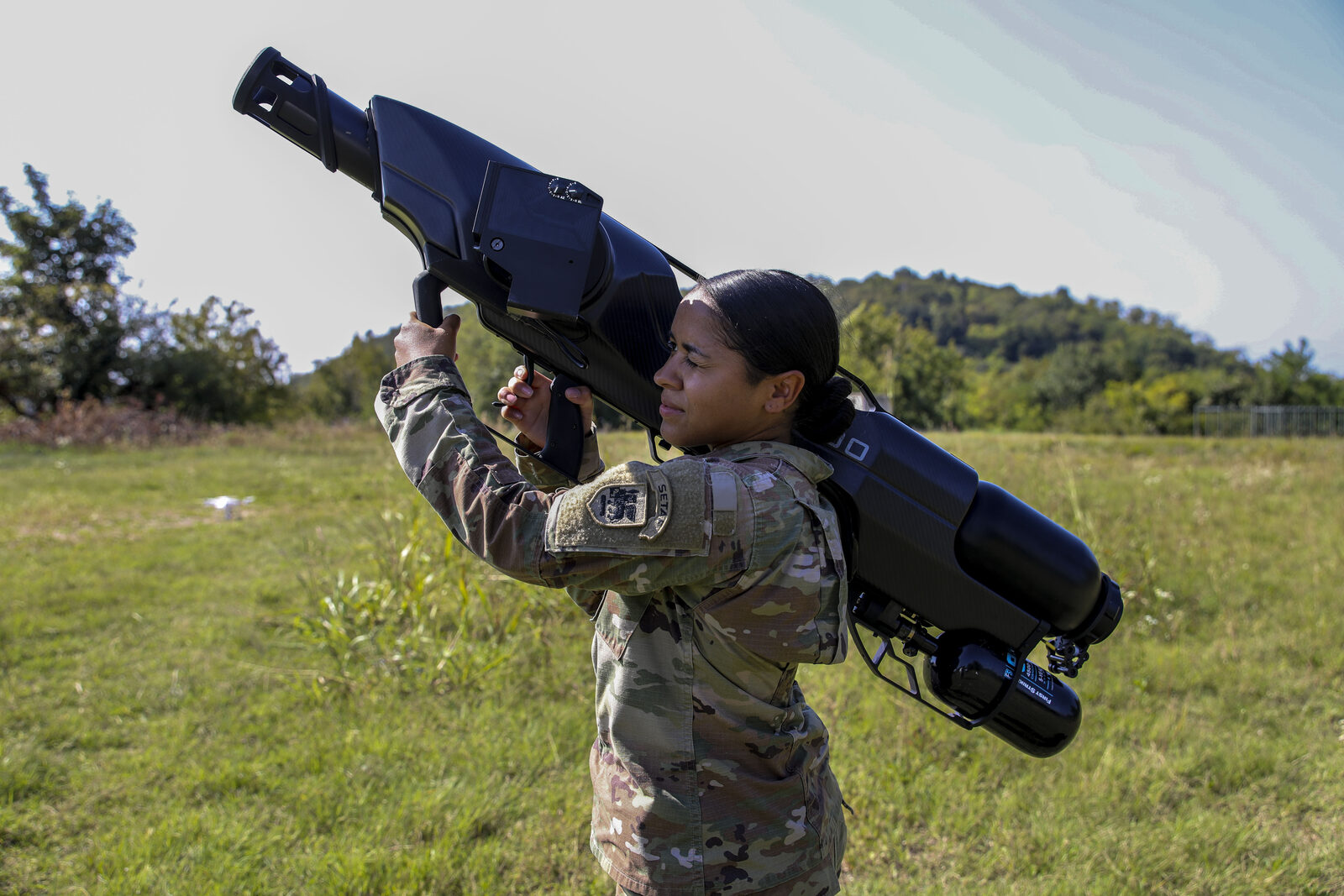
Counter-UAS Technology Compared: Kinetic, RF Jamming, High-Power Microwave, Laser, and Net Interceptors
A side-by-side comparison of the five ways drones are actually defeated today — kinetic interceptors, RF/GPS jamming, high-power microwave, directed-energy lasers, and net-capture systems — with range, cost per engagement, tradeoffs, and who's legally allowed to use each under SAFER SKIES.
-
Counter-UAS
World Cup C-UAS Crackdown: 39 Drones Seized, Criminal Charges in First Six Days
Multi-agency federal operations across 8 U.S. host cities logged 145 drone incursions and seized 39 aircraft in the first six days of FIFA World Cup 2026, with criminal charges — including an illegal-reentry case in Atlanta — marking early serious enforcement outcomes.
-
Counter-UAS
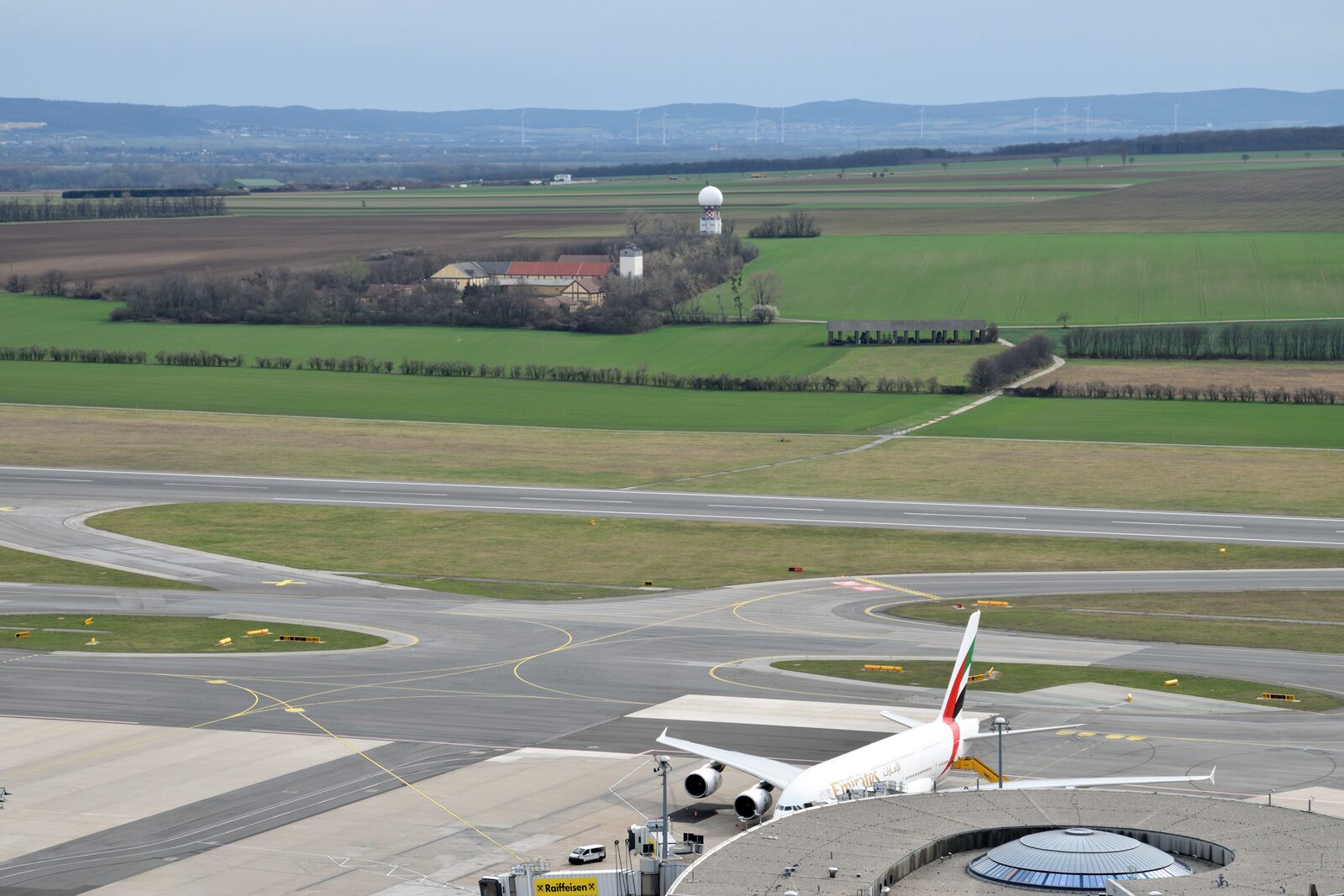
Counter-UAS at Airports: Why the U.S. Still Can't Stop a Gatwick-Style Closure
The 2018 Gatwick drone incident cost airlines £50 million and stranded 110,000 passengers — and the perpetrators were never found. Five years on, U.S. airports face hundreds of incursions annually while the FAA still cannot neutralize a drone on its own. Here's how the technology and authority fit together.
-
Counter-UAS
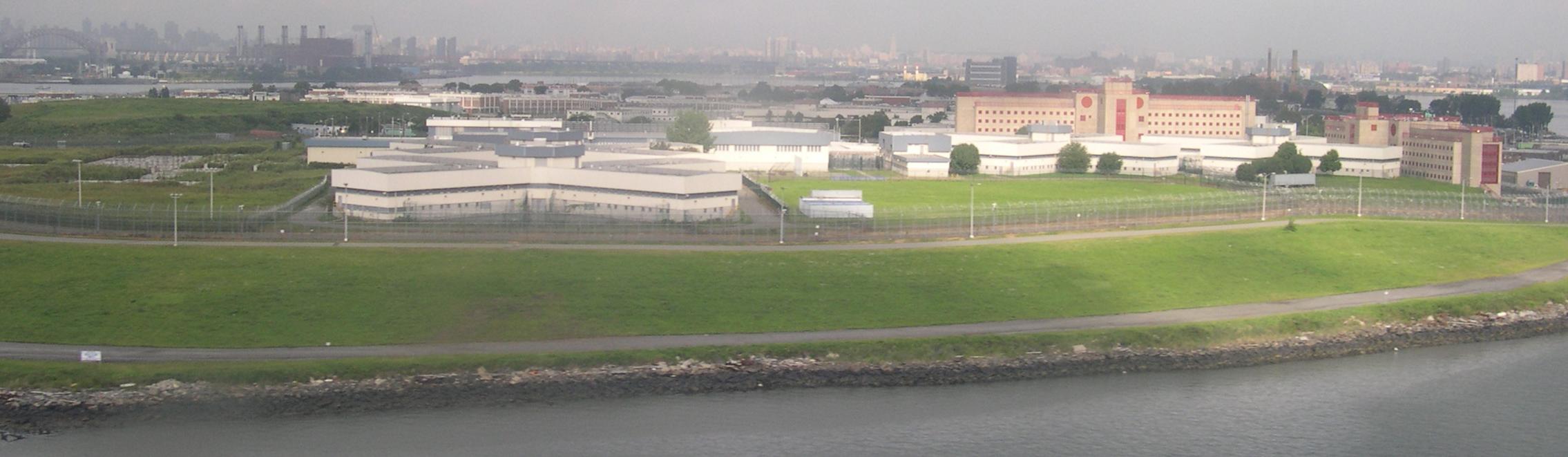
Drones Over the Wall: How Aerial Contraband Became a Global Prison Crisis
In a single year, Georgia's Department of Corrections linked drones to $7 million in contraband and 876 confiscated cell phones. Drone sightings at UK prisons rose 770% in four years. This is the legal, technical, and operational battle to stop aerial smuggling — and why it took so long to begin.
-
Counter-UAS
Counter-UAS for Stadiums and Mass Events: How the U.S. Closes the Airspace Gap
Federal no-fly zones have covered NFL stadiums for years, but local police could only watch unauthorized drones — not stop them. Here's how the legal authority gap developed, how the World Cup became a live test for the workaround, and what still isn't solved.
-
Counter-UAS
Soft Targets in the Air Age: The Drone Threat to U.S. Critical Infrastructure
From a copper-wire-rigged DJI Mavic to a C-4-loaded platform aimed at a Nashville substation, drone attacks on U.S. critical infrastructure have moved from theoretical to documented — yet 93% of nuclear sites, 90% of oil refineries, and most major airports remain without active counter-UAS protection.