Department of Defense
Every UASFeed story on Department of Defense — across defense, counter-UAS, industry, commercial, policy, and tech, newest first.
-
Defense & Combat
What Military Drones Actually Cost, Platform by Platform
A verified cost ladder across drone classes, from $500 FPV strike drones to a $618 million MQ-4C Triton, showing why unit cost, all-up-round cost, and program cost are not the same number.
-
Defense & Combat
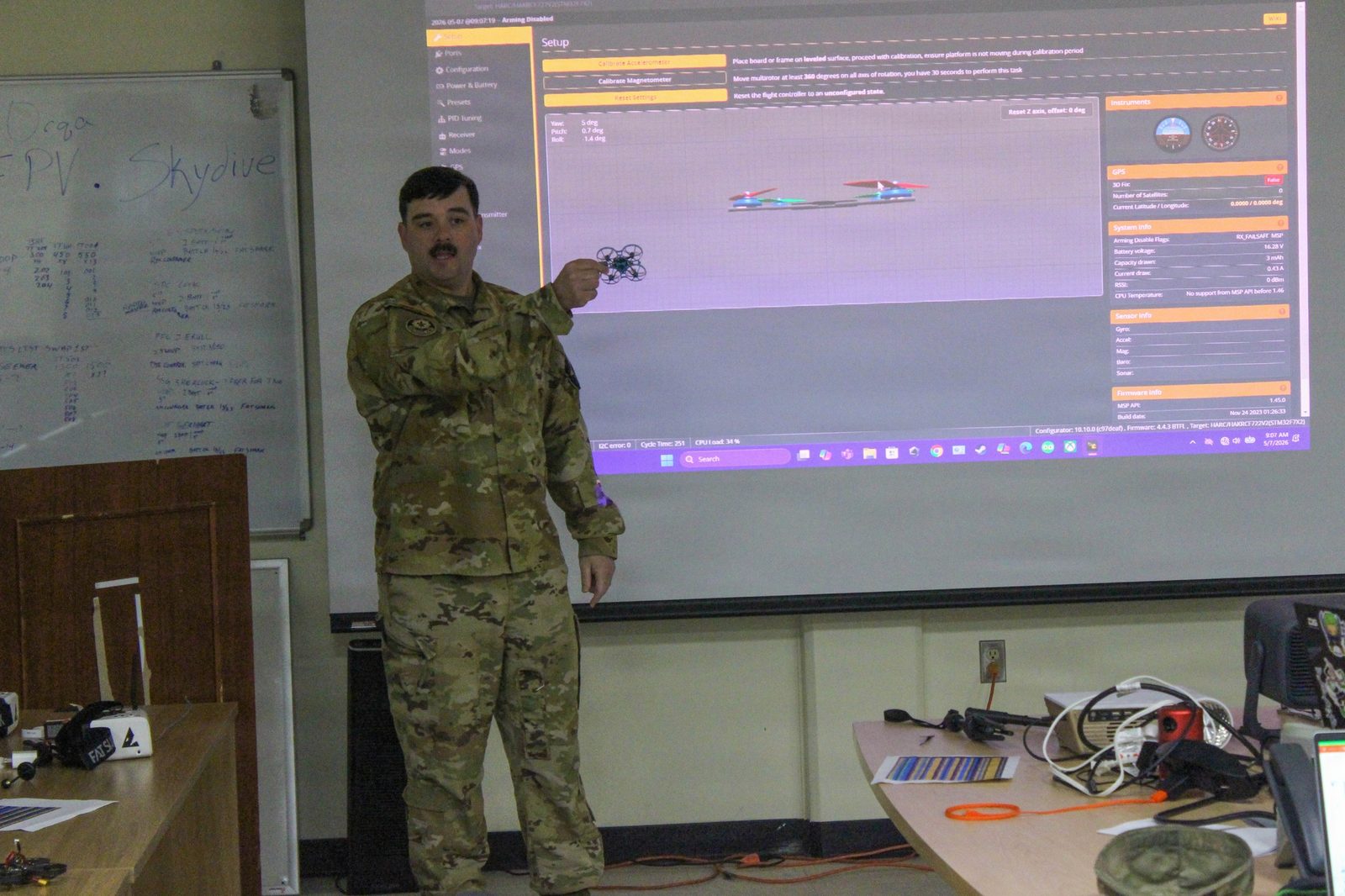
How Military Drone Pilots Are Trained: Inside the UAS Pipeline
From Air Force officers flying MQ-9 Reapers to Army 15Ws at Fort Huachuca to squad-level FPV familiarization, a look at how the U.S. military actually trains drone operators, and how South Korea and Ukraine compare.
-
Defense & Combat
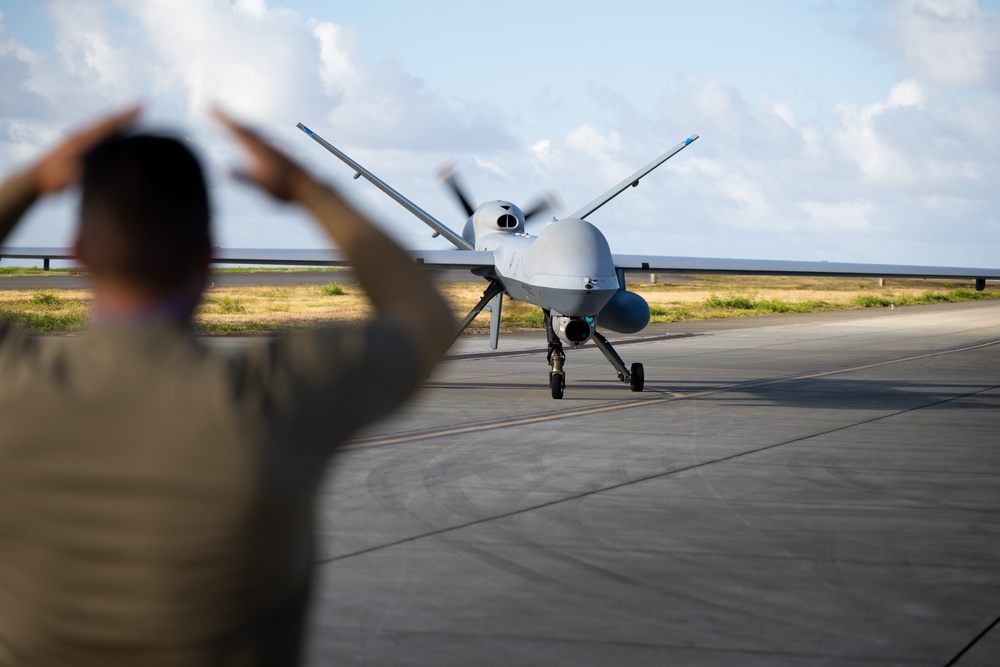
Pentagon's DIU Opens Hunt for Disposable Drone to Complement the MQ-9A Reaper
DIU's new Massed Modular Aircraft solicitation seeks a cheap, mass-producible drone that can fly 2,300 nm combat radius with a 2,800-lb payload to take over Reaper missions and absorb combat losses.
-
Defense & Combat
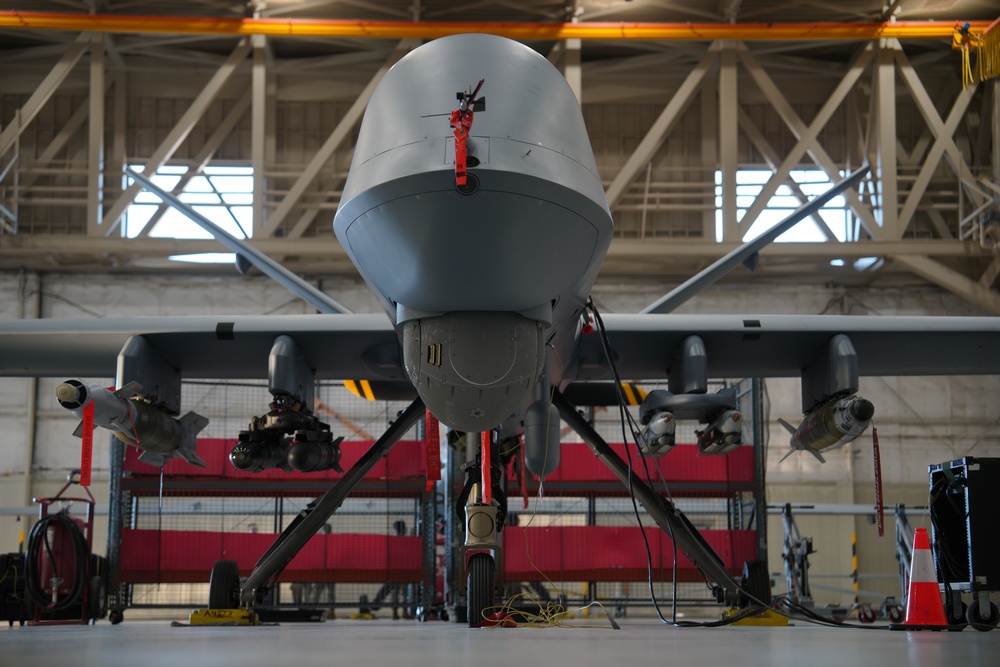
DIU Wants a Cheap, Mass-Producible Hunter-Killer Drone to Replace the Reaper
The Defense Innovation Unit is soliciting a low-cost, modular strike/ISR drone to replace the MQ-9A Reaper after nearly 30 were lost in recent Iran operations, with bids due July 23, 2026.
-
Defense & Combat
Hegseth Creates Pentagon 'Drone Czar' Office, Stripping Services of Unmanned Systems Authority
A memo signed by Defense Secretary Pete Hegseth creates a new joint office with milestone authority over nearly all Pentagon drone programs, pulling buying power away from the individual armed services.
-
Defense & Combat
DoD UAS Group Classifications Explained: Group 1 Through Group 5
A reference guide to the Pentagon's five-group UAS classification system: weight, altitude, and speed thresholds from JP 3-30, its 2008 origins, real-world edge cases, and why the group a drone falls into shapes approval authority and training rules.
-
Defense & Combat
Ukraine's Magura Naval Drone Sinks a Target Ship in the Philippines — Its First Indo-Pacific Combat Debut
U.S. Green Berets used a Ukrainian-built Magura drone boat to sink a target vessel during Balikatan 2026, marking the first Indo-Pacific deployment of battle-tested Ukrainian naval-drone technology.
-
Defense & Combat
Phoenix Ghost: The Air Force's Classified Loitering Munition Family Built for Ukraine
AEVEX Aerospace's Phoenix Ghost — developed under a classified U.S. Air Force program before Russia's 2022 invasion — grew from a 121-drone Ukraine announcement into a $576 million, 5,000-unit program encompassing four named variants across two UAS groups. Here's what's confirmed, and what remains classified.
-
Defense & Combat
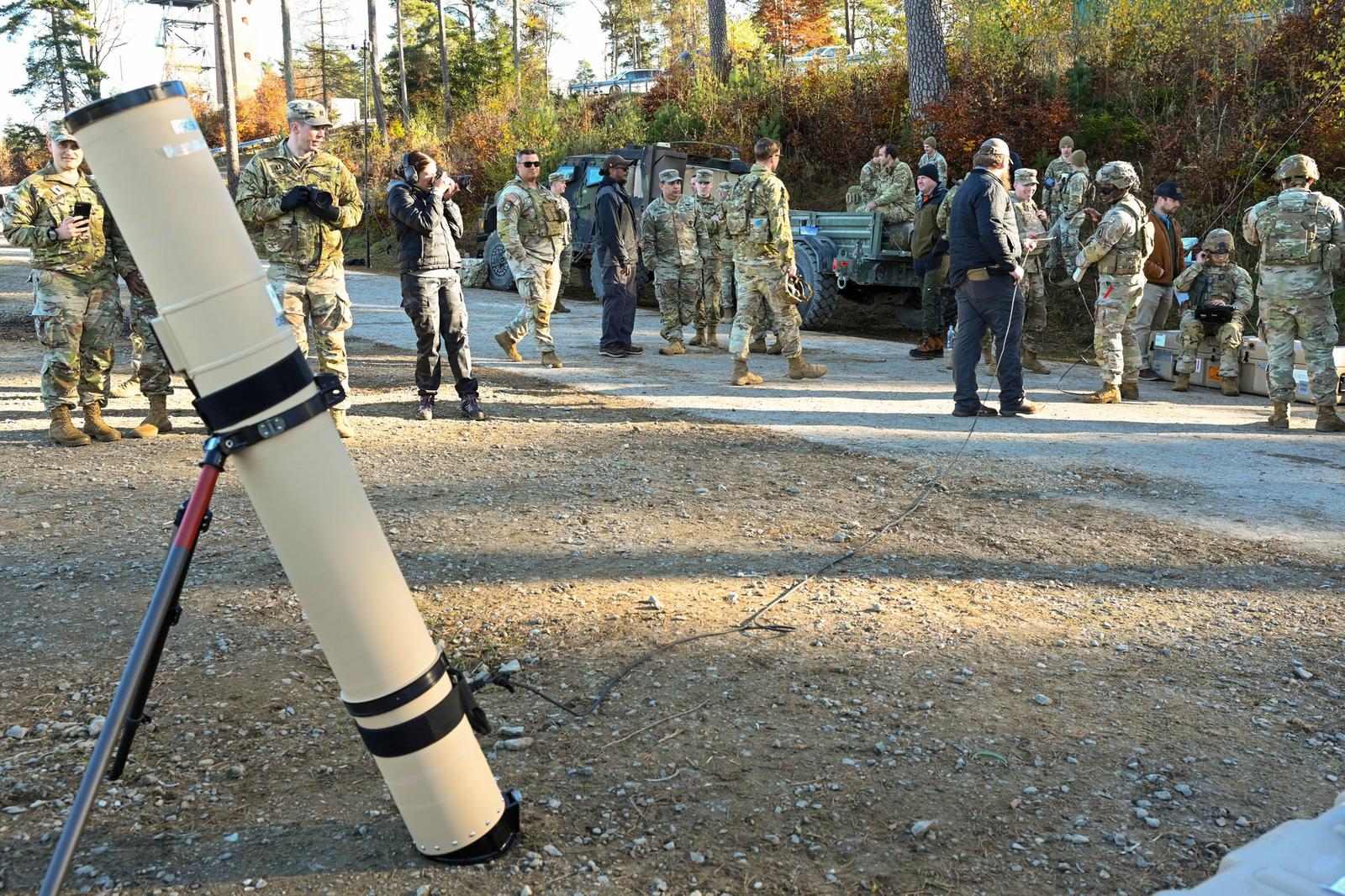
Raytheon Coyote Explained: The Army's Counter-Drone Interceptor and Its Cost Problem
The Raytheon Coyote began in 2014 as a disposable ISR drone. It is now the U.S. Army's primary counter-drone interceptor — fielded in kinetic and non-kinetic variants under a $5 billion contract — and caught in an unresolved cost-exchange equation that defines modern C-UAS.
-
Defense & Combat
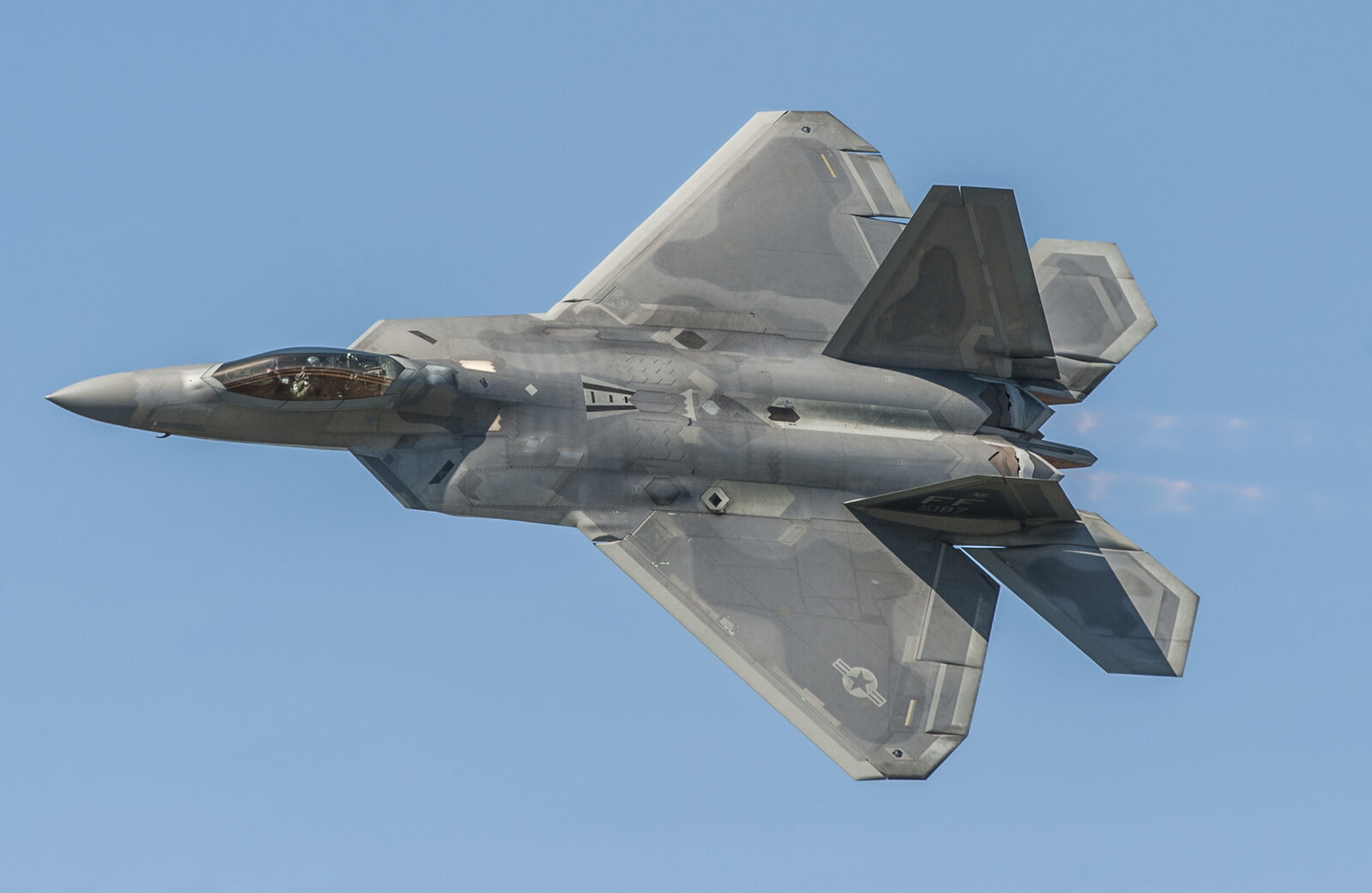
Langley's 17-Night Drone Siege: What Happened, What Failed, What DoD Still Doesn't Know
For 17 consecutive nights in December 2023, unidentified drone swarms penetrated restricted airspace over Joint Base Langley-Eustis, forcing the relocation of F-22 Raptors — while the military's C-UAS authorities and tools proved wholly inadequate to respond.
-
Defense & Combat
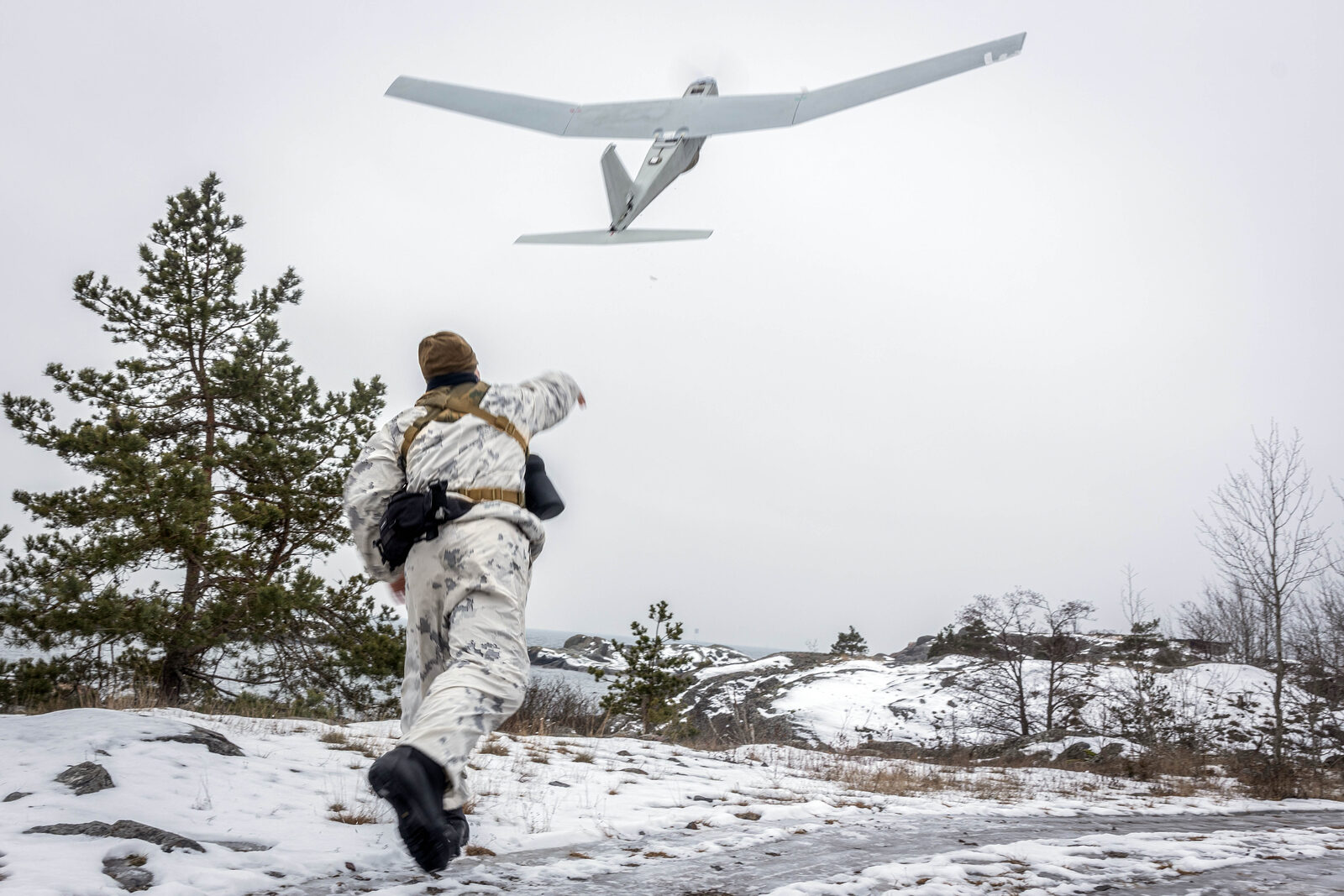
AeroVironment RQ-20 Puma AE: The Hand-Launched ISR Platform That Lands in the Ocean
AeroVironment's RQ-20 Puma AE is a hand-launched, battery-electric small UAS that operates from ship decks to desert outposts, delivering day/night ISR without a runway. A two-decade operational record and front-line deployments in Ukraine make it the Group 1/2 benchmark for allied militaries worldwide.
-
Defense & Combat
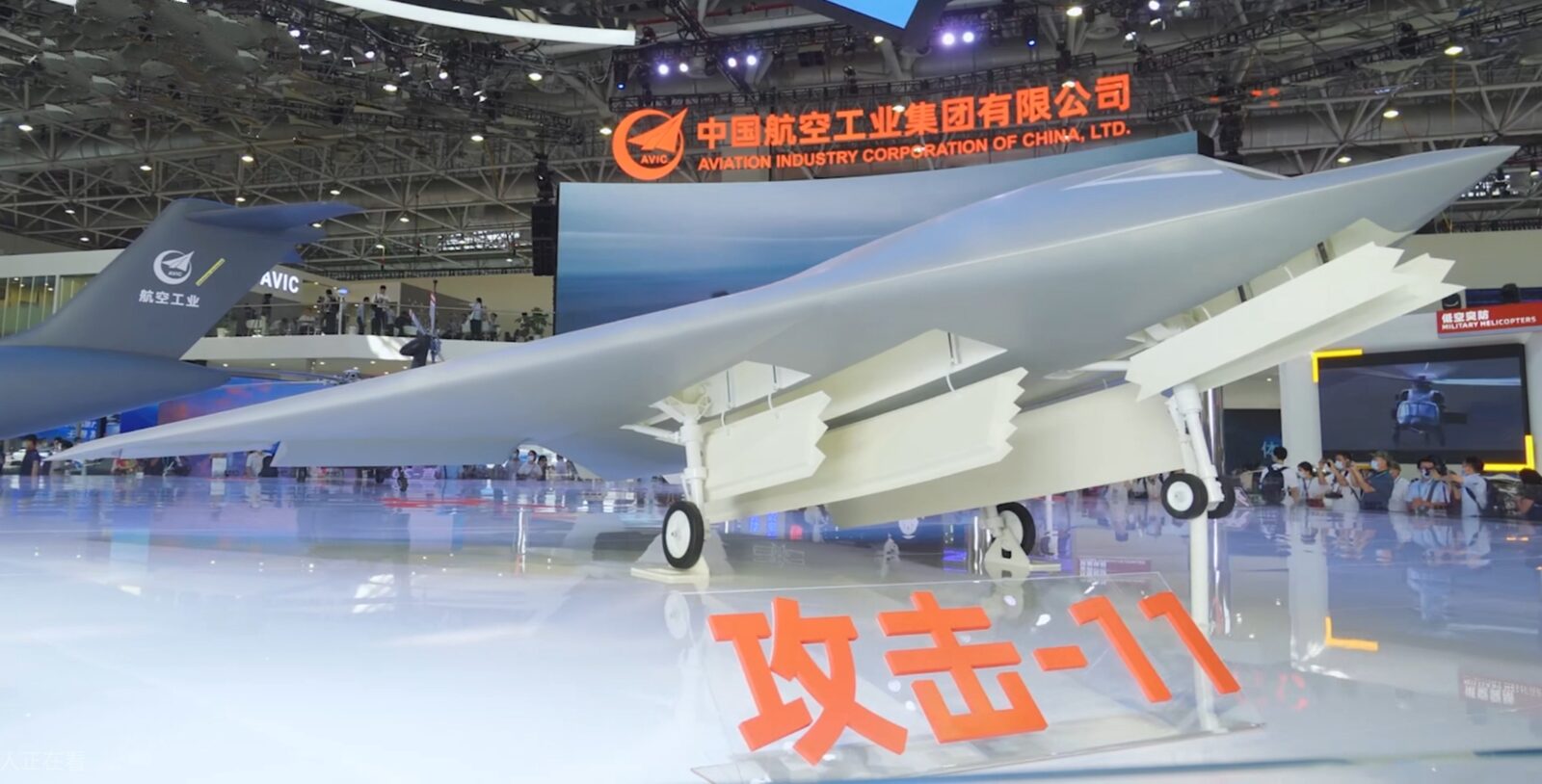
China's GJ-11 Sharp Sword: From Stealth Prototype to Deployed Combat Drone
China's GJ-11 'Sharp Sword' flying-wing stealth UCAV has moved from a 2013 technology demonstrator to official PLAAF formation footage, high-altitude border deployments, and a folding-wing carrier variant. A full technical breakdown of the world's most advanced non-NATO stealth combat drone.