Lockheed Martin
Every UASFeed story on Lockheed Martin — across defense, counter-UAS, industry, commercial, policy, and tech, newest first.
-
Counter-UAS
Fortem Closes $50 Million Series B Led by Lockheed Martin as Counter-Drone Demand Surges
Utah's Fortem Technologies closed a $50M Series B led by Lockheed Martin, which put in $25M in April, to expand Lindon manufacturing and SkyDome deployments as it cites DHS, Army and World Cup work.
-
Counter-UAS
Duke Leads $24M Army Program to Hack Enemy Drones Out of the Sky Instead of Shooting Them Down
Duke University will lead a six-year, $24 million Army-funded effort called ICE-CEM to detect, disrupt and seize control of hostile drones using cyber and radio-frequency techniques rather than kinetic interceptors.
-
Counter-UAS
X-Bow's 'Buckler': A Sub-$100,000 Supersonic Interceptor Built to Break the Counter-Drone Cost Curve
X-Bow Systems debuted Buckler at Farnborough 2026 — a supersonic, sub-$100,000 surface-to-air interceptor for Group 3 drones, built airframe-and-motor in-house to attack the economics of trading million-dollar missiles against $35,000 Shaheds.
-
Counter-UAS
Lockheed's MORFIUS X-Rotor Bets That the Cheapest Way to Kill a Swarm Is a Drone You Fly Home Afterwards
At Farnborough on 20 July 2026, Lockheed Martin unveiled MORFIUS X-Rotor, an airborne high-power-microwave interceptor it claims can neutralise 50-plus drones per flight and then be recovered and reused — a direct answer to the cost-exchange problem Congress has hammered DoD over for three years.
-
Counter-UAS
Fortem DroneHunter F700: The Autonomous Net-Catcher Closing the Jammer Gap
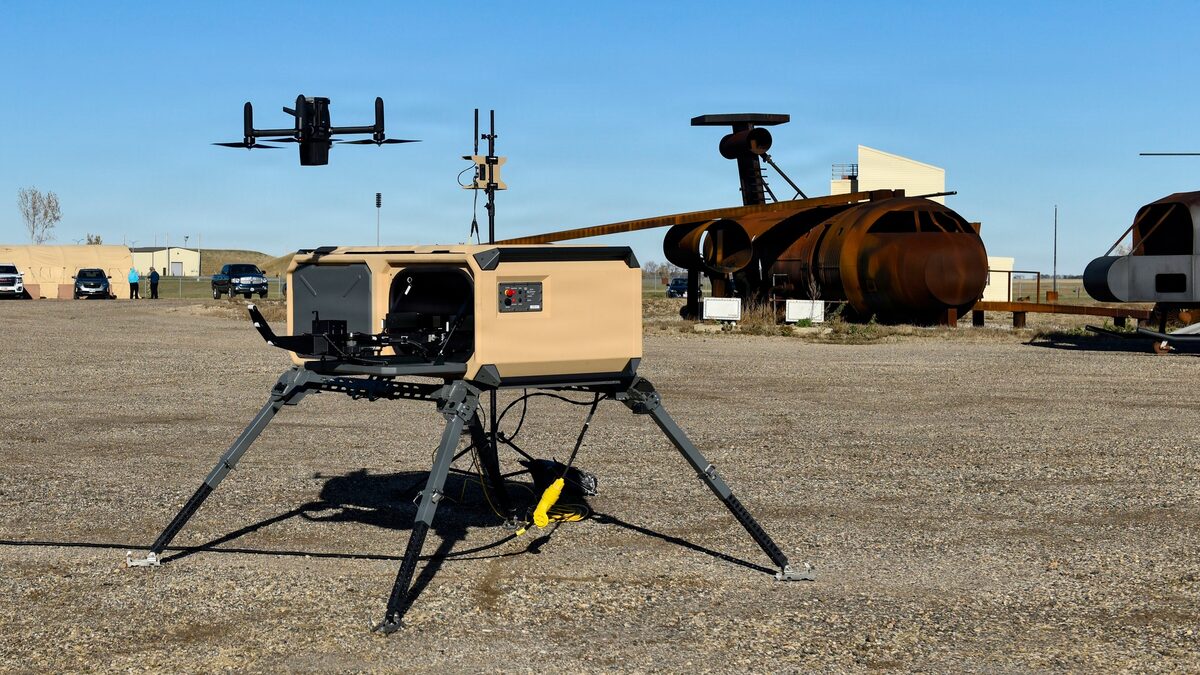
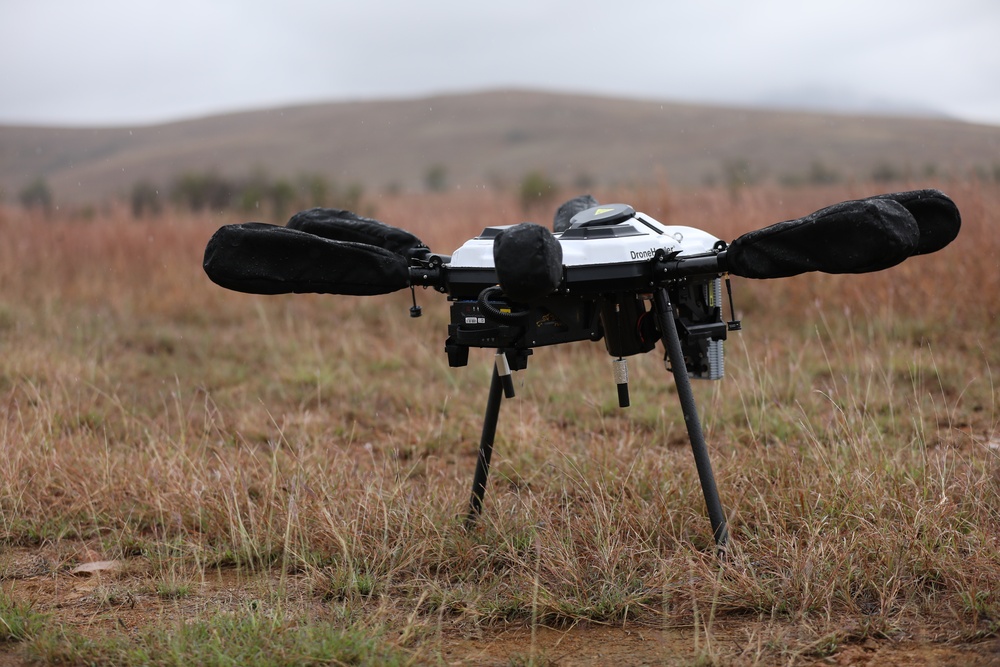
Fortem's DroneHunter F700 autonomously pursues hostile drones, fires tethered nets to capture them in flight, and tows the platform to a forensics zone — no explosives, no jamming. With 4,500+ captures, a Replicator 2 contract, and $25M from Lockheed Martin, it is the Pentagon's answer to GPS-waypoint threats that jammers cannot touch.
-
Counter-UAS
Golden Dome Explained: The $1.2 Trillion Bet on Space-Based Missile Defense
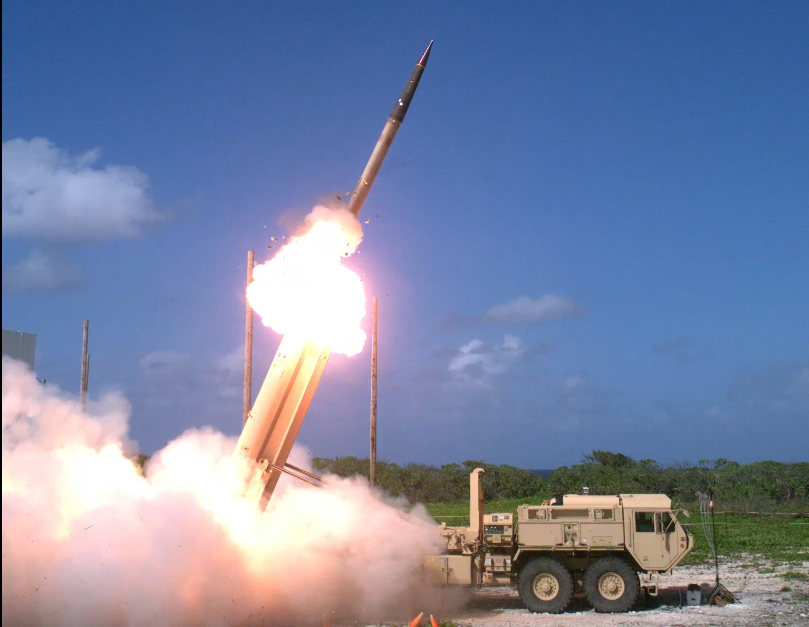
Trump's Golden Dome extends U.S. homeland missile defense from rogue-state ICBMs to cruise missiles and drones — but a CBO projection of $1.2 trillion over 20 years, driven by a 7,800-satellite constellation that can only engage 10 missiles at once, exposes a gap between strategic ambition and reality.
-
Counter-UAS
Shotgun vs. Sniper Rifle: How HPM and Laser C-UAS Weapons Actually Work
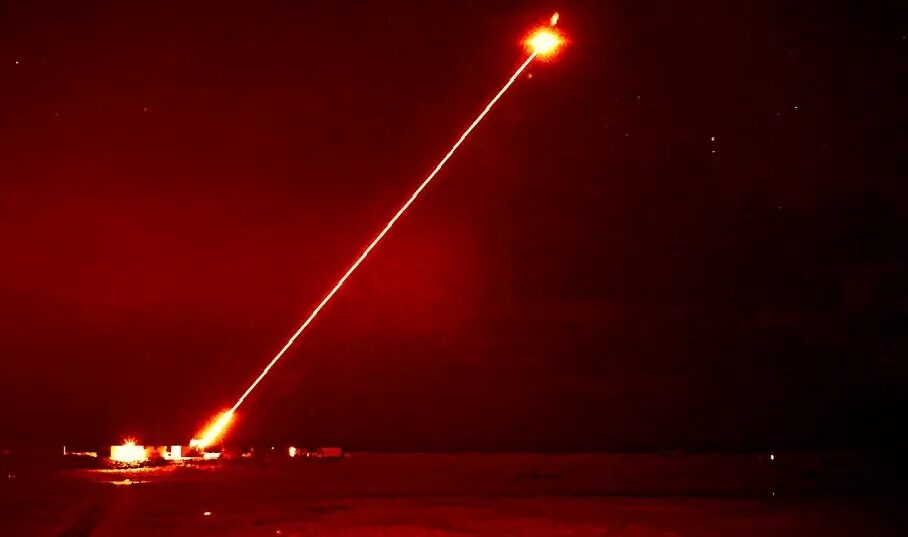
Two directed-energy technologies are competing to replace the $2-million missile shot against $500 drones — high-power microwave systems that blanket swarms in a single burst, and high-energy lasers that burn targets one at a time. The physics of each determines where they win and where they fail.