
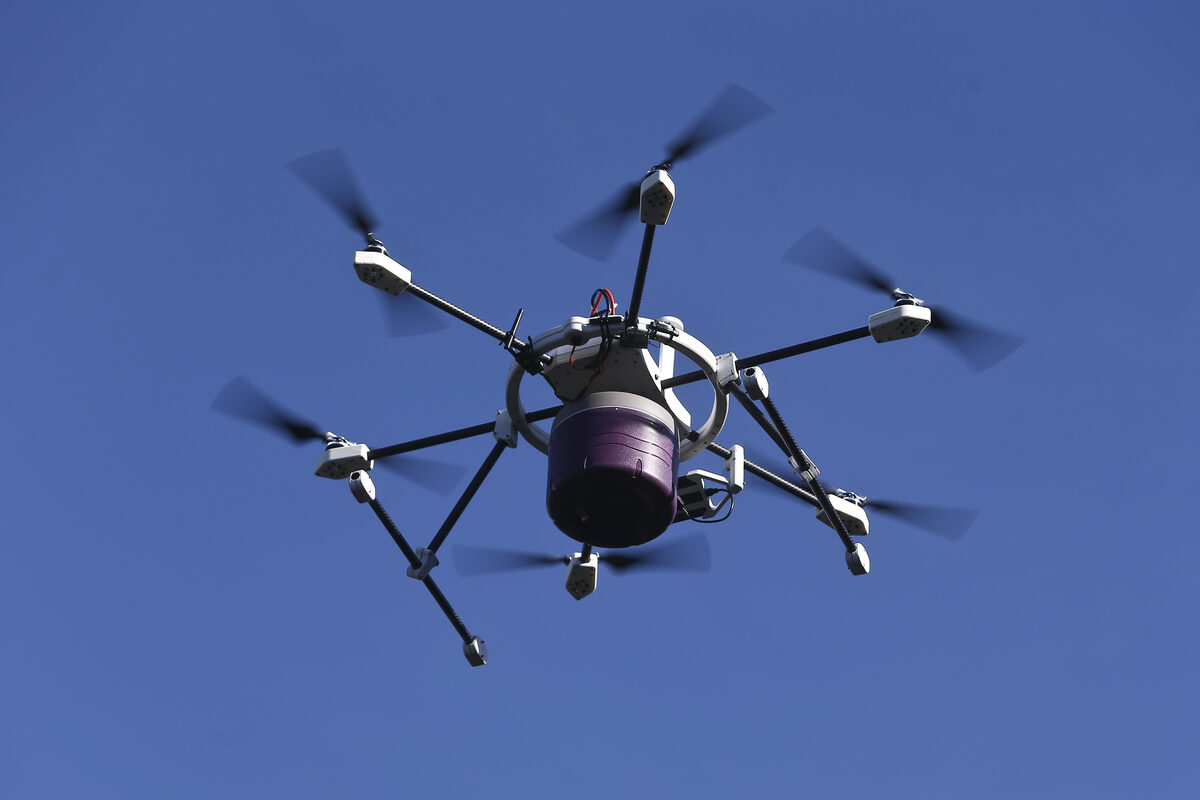
Wing, the Alphabet drone delivery company, said on Nov. 6 that it will invest up to $125 million over the next two years to build its next-generation delivery aircraft in the United States. Most of the attention goes to a 15,000-square-foot manufacturing facility in Fort Worth, Texas. According to Wing's announcement, the plant will create up to 100 manufacturing jobs and have capacity to build tens of thousands of aircraft a year.
The announcement came one day after Zipline, Walmart's other drone partner, disclosed a $1.5 billion raise, as DroneXL reported. The two news items together show where US drone delivery now stands. For years the hard part was proving the concept. Now the hard part is building enough aircraft to fly the networks both companies have promised retailers and regulators.
What Wing Actually Announced
Wing's own post, titled "Investing in the next chapter of American innovation in the skies," describes the money as an investment to build next-generation aircraft in the United States. It says Wing is investing in its research and engineering capabilities in California, in the communities where it operates, and in what it calls its newest 15,000-square-foot manufacturing facility in Fort Worth. At that facility, the post says, Wing is creating up to 100 new manufacturing jobs and investing up to $125 million in direct manufacturing over the next two years.
The Dallas Morning News, citing a statement made on Wing's behalf, reported that the Fort Worth operation opened early this year, so the announcement funds and highlights an existing site rather than breaking ground on a new one. Wing CEO Adam Woodworth summed up the company's priorities in one line: "The U.S. is our focus for growth."
What Wing Didn't Say
The headline number deserves a careful reading. As DroneXL pointed out, the figure is "up to" $125 million, and Wing's post pairs it with unspecified spending on research and engineering in California. The post gives no split between the two. The company also has not given:
- a street address for the manufacturing facility;
- a date when production at the announced scale will begin;
- a name for the next-generation aircraft the plant will build.
DroneXL also noted that Wing has not said how many aircraft fly its 70-plus sites today. That makes "tens of thousands a year" hard to judge. It describes capacity, not orders or planned output, and without a fleet number there is nothing to compare it against.
The aircraft Wing flies now give some sense of what the factory replaces. According to DroneXL, Wing's two current Hummingbird variants cruise at up to 60 mph, carry up to 5 pounds, and lower packages on a tether. Wing has not said how the next-generation design will differ.
Fort Worth Is Already a Wing Town
Wing already operates in the Dallas–Fort Worth area. The Dallas Morning News, citing Wing's website, lists service in Frisco, Dallas, Arlington, Mansfield and Fort Worth. The Fort Worth Report says Wing started its local delivery service in June 2024 at the Walmart at 8520 N. Beach St. and now serves 19 local Walmart locations, including two in North Richland Hills. It also notes that Walmart contracts with Zipline for North Texas deliveries.
A factory near an existing operating network could keep production close to where aircraft fly, though Wing has not said whether it plans to use that closeness for maintenance, refurbishment or design feedback. North Texas is also drawing other players in the industry. The Dallas Morning News notes that Flytrex, another delivery drone company, has added a manufacturing facility in North Texas.
Why It Matters
Wing has made big promises about scale. The company says it earned the nation's first FAA Part 135 Air Carrier Certificate for drone operations in 2019. It now operates from more than 70 sites and has completed over one million home deliveries in the US this year. It plans to reach 40 million Americans across nearly 20 US markets by 2027. The Dallas Morning News reports plans to reach more than 270 Walmart locations, with San Diego, Phoenix and Memphis among the cities in the expansion.
Those plans need aircraft, and DroneXL reports that supply is already behind demand. Seven markets Wing named in June (San Diego, Memphis, New Orleans, Philadelphia, Phoenix, Salt Lake City and the San Francisco Bay Area) are still waiting for aircraft. Denver and Seattle were added in October for 2027. If Wing can produce tens of thousands of aircraft a year, the fleet would be less likely to limit its expansion. The company has not said when that capacity will be reached.
Regulation is the other driver. Wing's announcement points to the FAA's upcoming Beyond Visual Line of Sight rule, which DroneXL identifies as Part 108. Wing and Zipline both fly today under Part 135 air carrier approvals, and a standard BVLOS framework is the kind of rule that could make a high-volume factory pay off. DroneXL reports that the rule has been in White House review since July 10, which was 119 days as of Friday, Nov. 6.
DroneXL also points to a detail in the 2025 draft of the rule that bears on domestic production. The draft ties airworthiness acceptance for foreign-built aircraft to a bilateral agreement with the country of origin. In DroneXL's reading, a factory in Texas sidesteps that clause, whatever form it takes in the final rule.
The Zipline Comparison
Coming a day after Zipline's $1.5 billion raise, Wing's announcement will inevitably be measured against it. The two numbers measure different things. Zipline's figure is capital raised. Wing's is a spending commitment of up to $125 million over two years, from a company owned by Alphabet. Comparing the two directly says little about which company is ahead. Both point the same way, though. As DroneXL put it, both companies have put their 2026 spending into domestic production before the rule that would make routine BVLOS flight legal is signed.
What to Watch
The most useful details are still missing. These include the name and capabilities of the next-generation aircraft, a production start date, and how many of the 100 jobs exist today versus how many are planned. A fleet count or delivery schedule for the seven markets still waiting on aircraft would show whether the factory is being sized for real demand or for a bet on Part 108. The final rule's handling of foreign-built aircraft will also show how much of a regulatory advantage a Texas factory actually provides.
For now, Wing has put a dollar figure, a building and a job count behind its growth plans. Whether the plant actually produces tens of thousands of aircraft a year will depend in part on how quickly Walmart's network grows and when the White House clears the BVLOS rule.
Sources
- Investing in the next chapter of American innovation in the skies (Wing, Nov. 6, 2026)
- Drone delivery company tackling manufacturing at Fort Worth site (Dallas Morning News, Nov. 6, 2026)
- Wing's $125M Texas Plant Can Build Tens of Thousands of Drones a Year (DroneXL, Nov. 6, 2026)
- Wing Aviation to invest $125M into Fort Worth drone manufacturing factory (Fort Worth Report, Nov. 6, 2026)
