NATO
Every UASFeed story on NATO — across defense, counter-UAS, industry, commercial, policy, and tech, newest first.
-
Defense & Combat
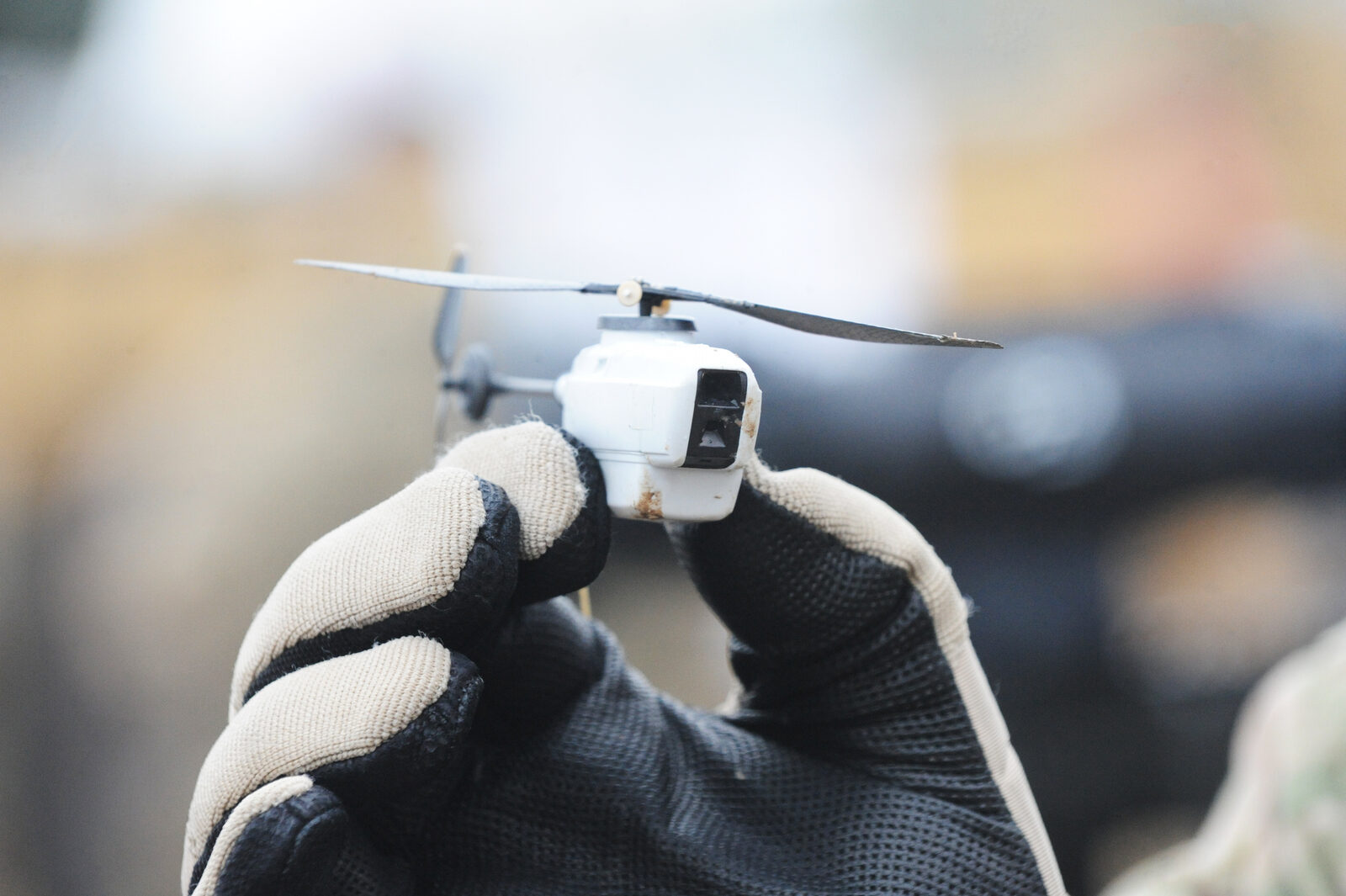
Pocket ISR: How Nano and Micro Drones Rewired Squad-Level Reconnaissance
From a 16-gram helicopter checking walls in Afghanistan to a 70-gram system with thermal imaging deployed across 50 countries, nano-UAS technology has pushed intelligence collection down to the fire team — and the next frontier is autonomous swarms constrained by battery physics.
-
Defense & Combat
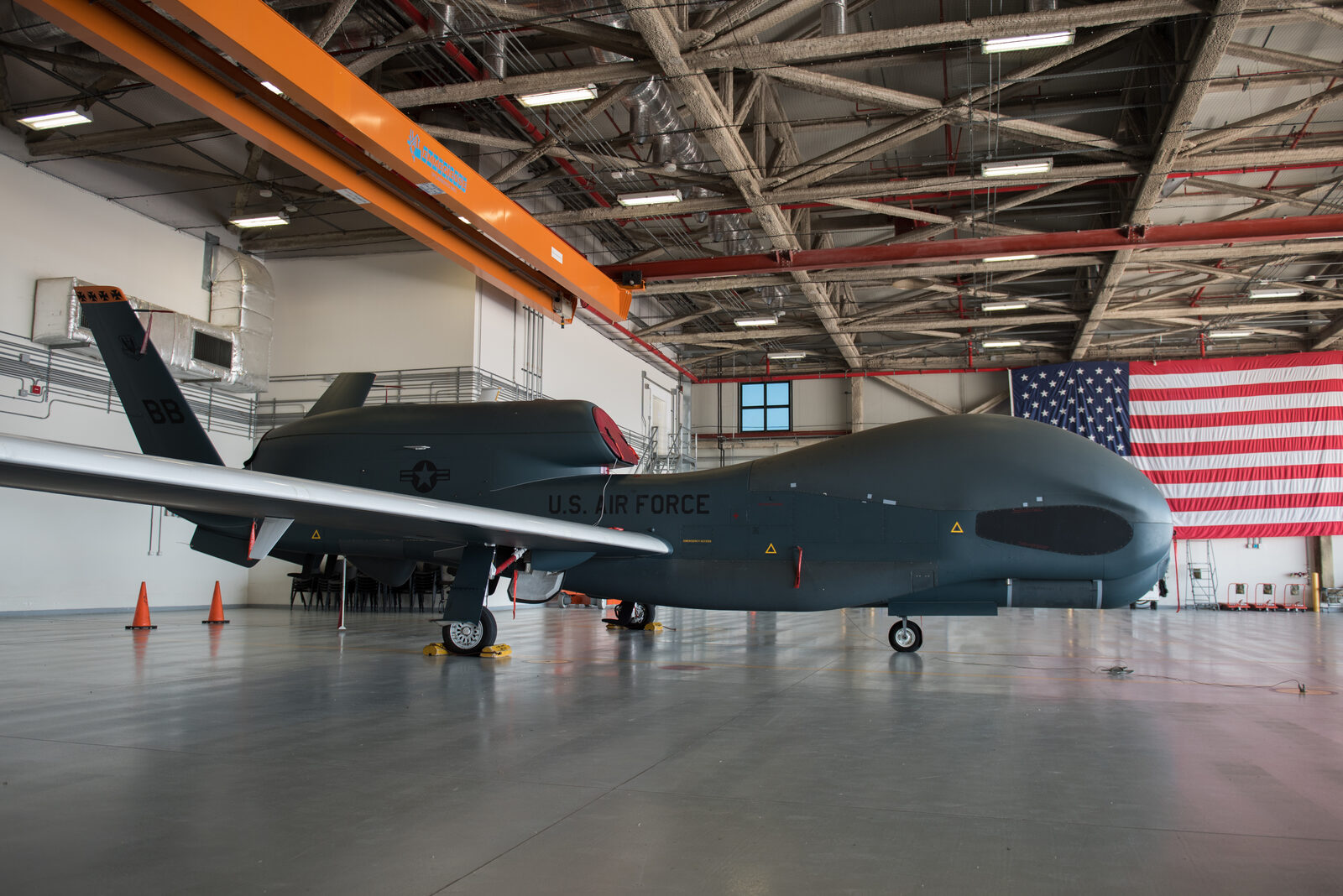
RQ-4 Global Hawk and MQ-4C Triton: America's Eyes at 60,000 Feet, Explained
The RQ-4 Global Hawk and MQ-4C Triton are the U.S. military's primary high-altitude, long-endurance ISR platforms — one headed for retirement after a decade of Congressional standoffs, the other cementing its role as the Navy's maritime surveillance backbone through the 2030s.
-
Defense & Combat
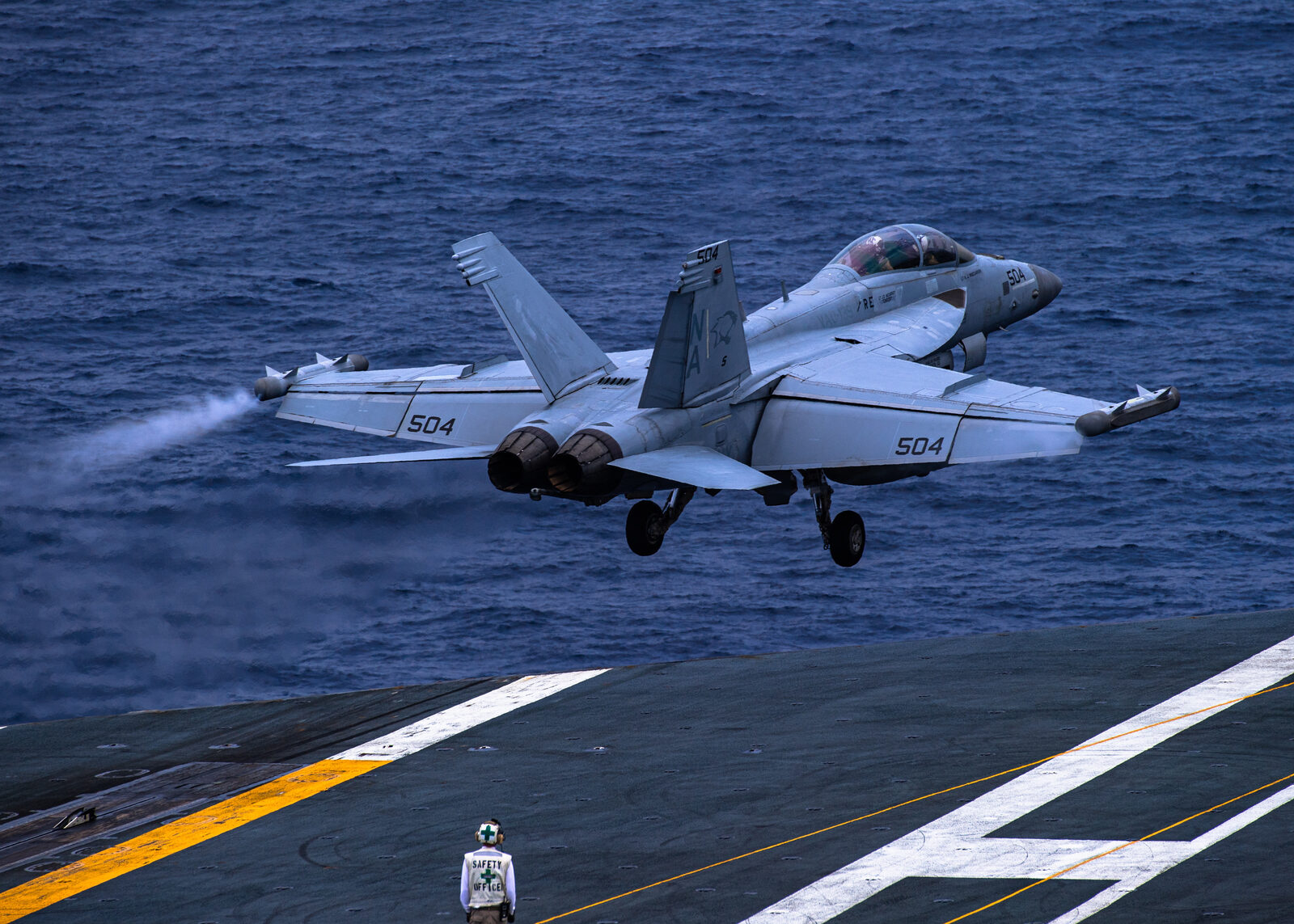
From Wild Weasels to Loitering Munitions: How SEAD and DEAD Actually Work
Six decades of air-defense suppression trace how SEAD — the threat that forces radars off the air — and DEAD — the physical kill — evolved from Wild Weasel jets and anti-radiation missiles to autonomous loitering munitions that can outwait a radar gone silent.
-
Defense & Combat
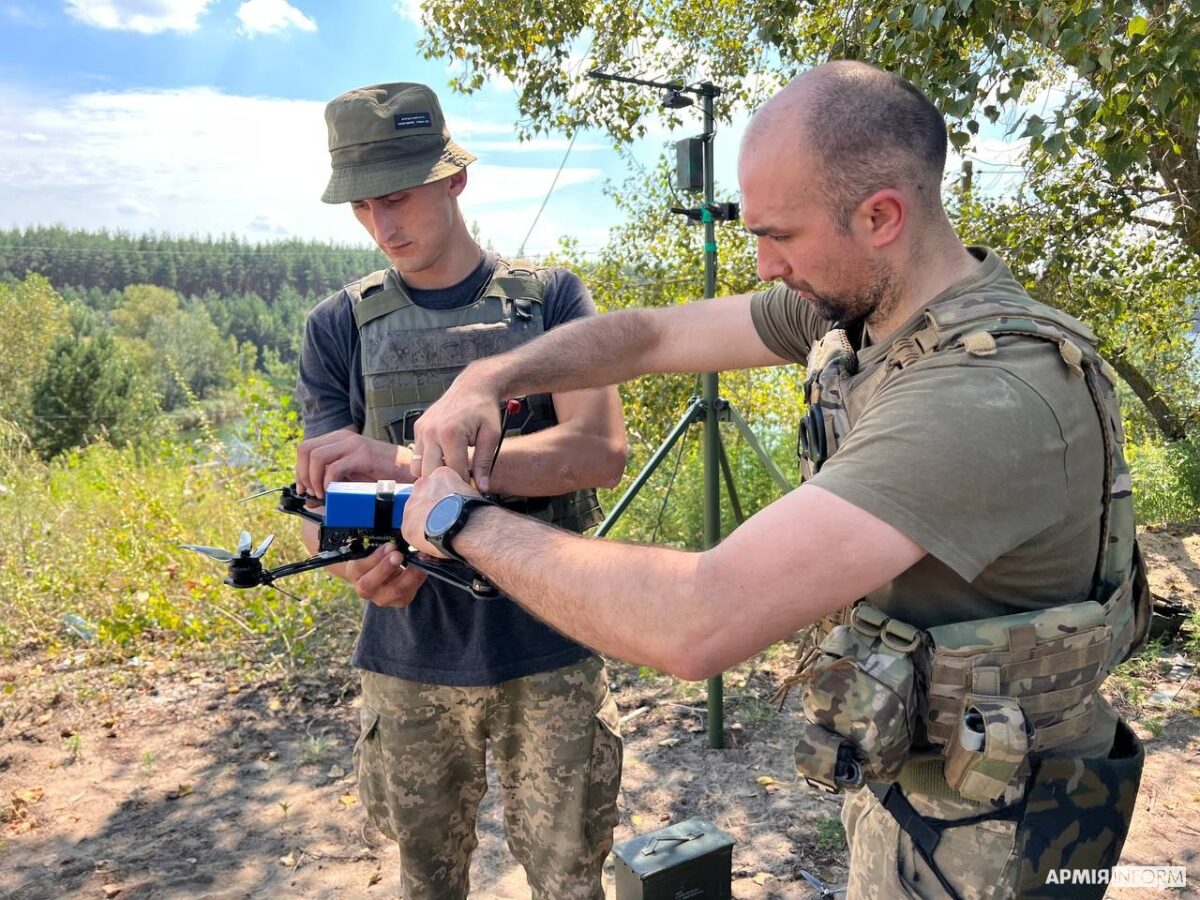
Ukraine's Drone Industry: How 7 Manufacturers Became 500 Under Fire
In three years of full-scale war, Ukraine built one of the world's most battle-tested drone industries from scratch—capable of 4 million units per year—while racing to cut a near-total dependency on Chinese components.
-
Defense & Combat
DoD Drone Groups 1–5 Explained: The Classification That Governs Everything
The Pentagon's five-group UAS taxonomy determines who can buy a drone, which airspace it flies in, who is responsible for shooting it down, and what legal authorities apply. Here is how it works and why it is under strain.