NATO
Every UASFeed story on NATO — across defense, counter-UAS, industry, commercial, policy, and tech, newest first.
-
Counter-UAS
Denmark Picks Systematic for an AI-Ready Counter-Drone Command System, Layered on Terma's Nationwide C2
Seven weeks after picking Terma for a nationwide counter-drone C2 backbone, Denmark has hired Systematic to put a SitaWare decision layer with AI-supported analysis on top of it. The price, the delivery schedule and the exact job of the AI have not been made public.
-
Counter-UAS
Milrem Pitches an Unmanned Defence Line for NATO's Eastern Flank, With Counter-UAS at Its Core
Milrem Robotics wants robots to hold NATO's eastern border: a proposed 3,500 km unmanned defence line from Finland to Poland, built around UGVs, ARCOS command software and counter-UAS. It is a proposal and demonstrator, not a contracted program.
-
Counter-UAS
NATO Jets Down a Drone Over Lithuania in a First for the Baltic Nation
Italian Eurofighters flying NATO's Baltic Air Policing mission shot down an explosive-laden drone that crossed into Lithuania from Belarus, the first such intercept in Lithuanian airspace and the second Baltic shootdown in 30 days.
-
Counter-UAS
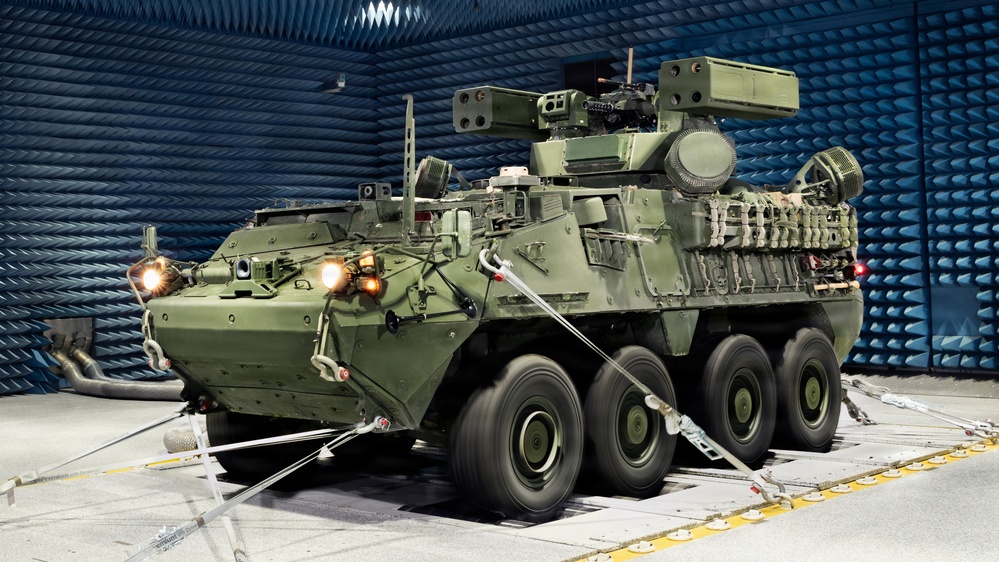
Hanwha's 50kW Laser-Armed Tigon Vehicle Targets NATO's Eastern Flank Counter-Drone Market
Hanwha unveiled a prototype 50kW laser mounted on its Tigon 8x8 armored vehicle at MSPO 2026, targeting NATO's eastern flank with a $1.50-per-shot counter-drone weapon and 2027 serial production.
-
Counter-UAS
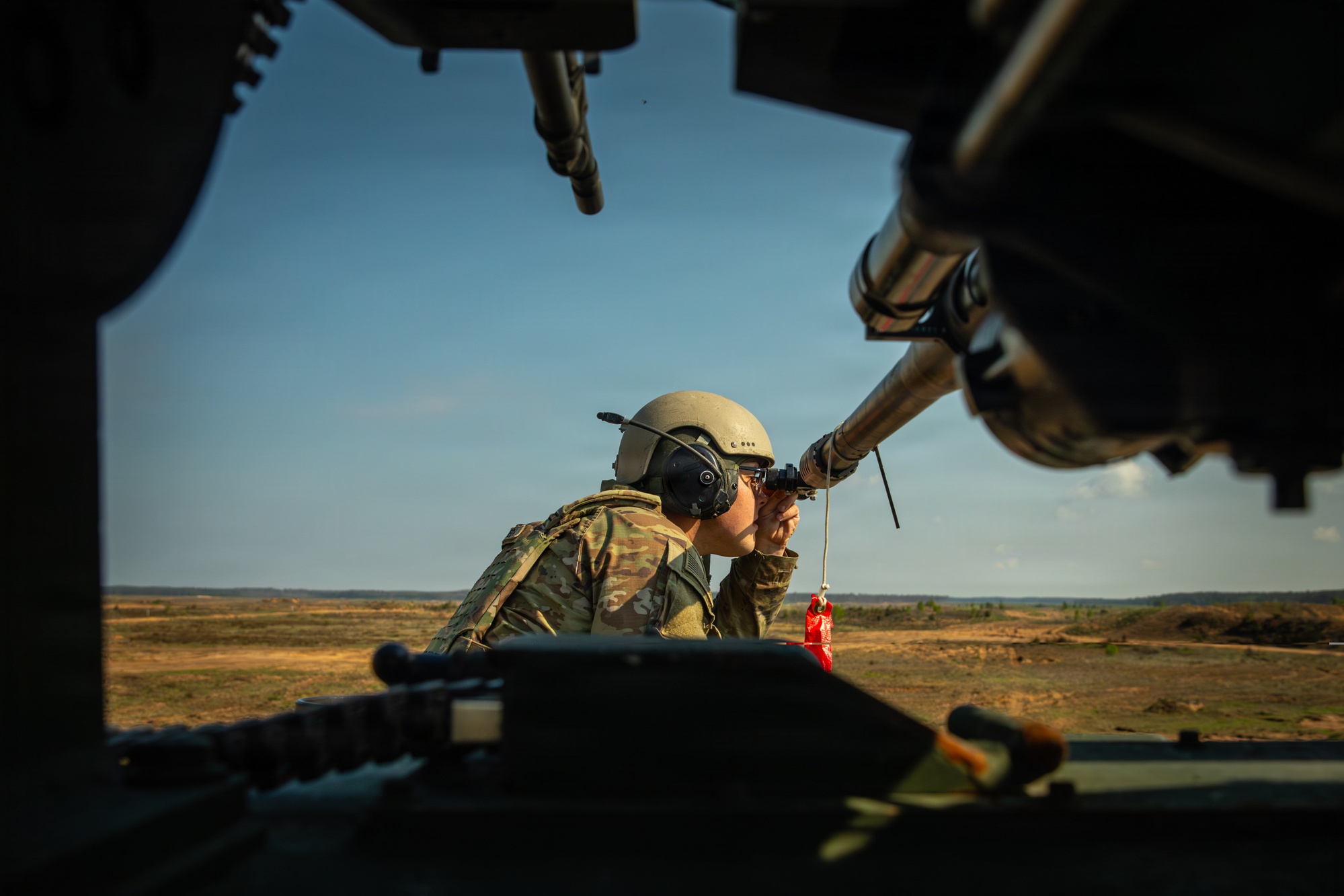
NATO and Ukrainian Troops Link Sensors and Shooters to Test Networked Counter-Drone Defense in Baltic Trust
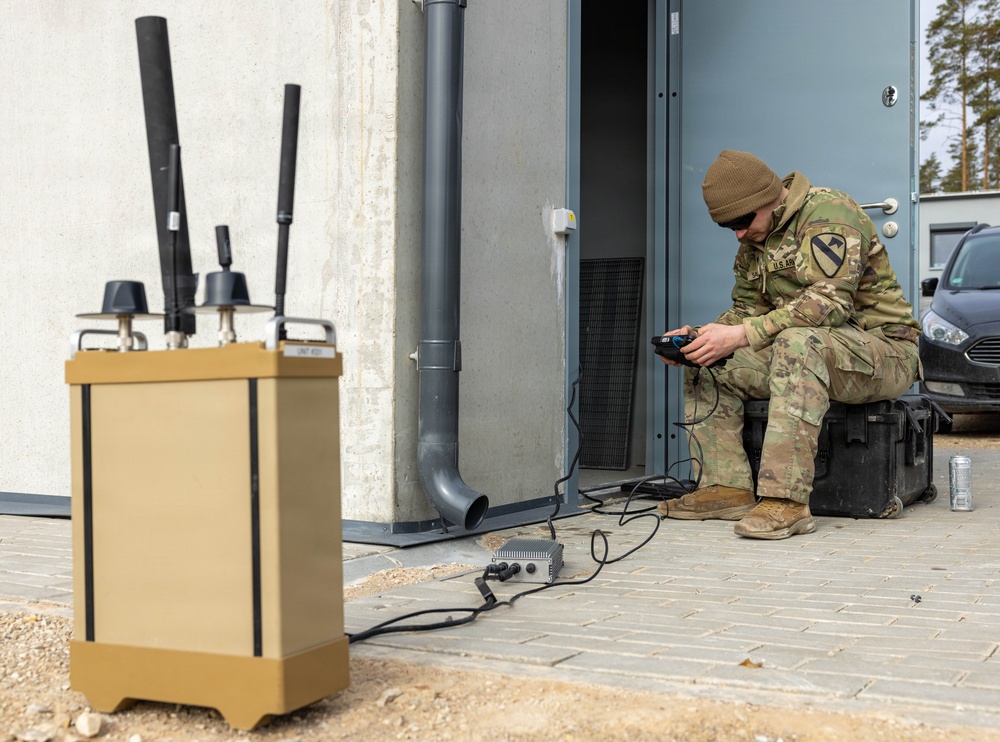
Roughly 650 personnel from 24 nations, including Ukraine's 93rd Mechanized Brigade, tested a distributed counter-UAS network in Latvia — sharing sensor and command data across formations in the latest round of NATO's Layered Counter-UAS Initiative.
-
Counter-UAS
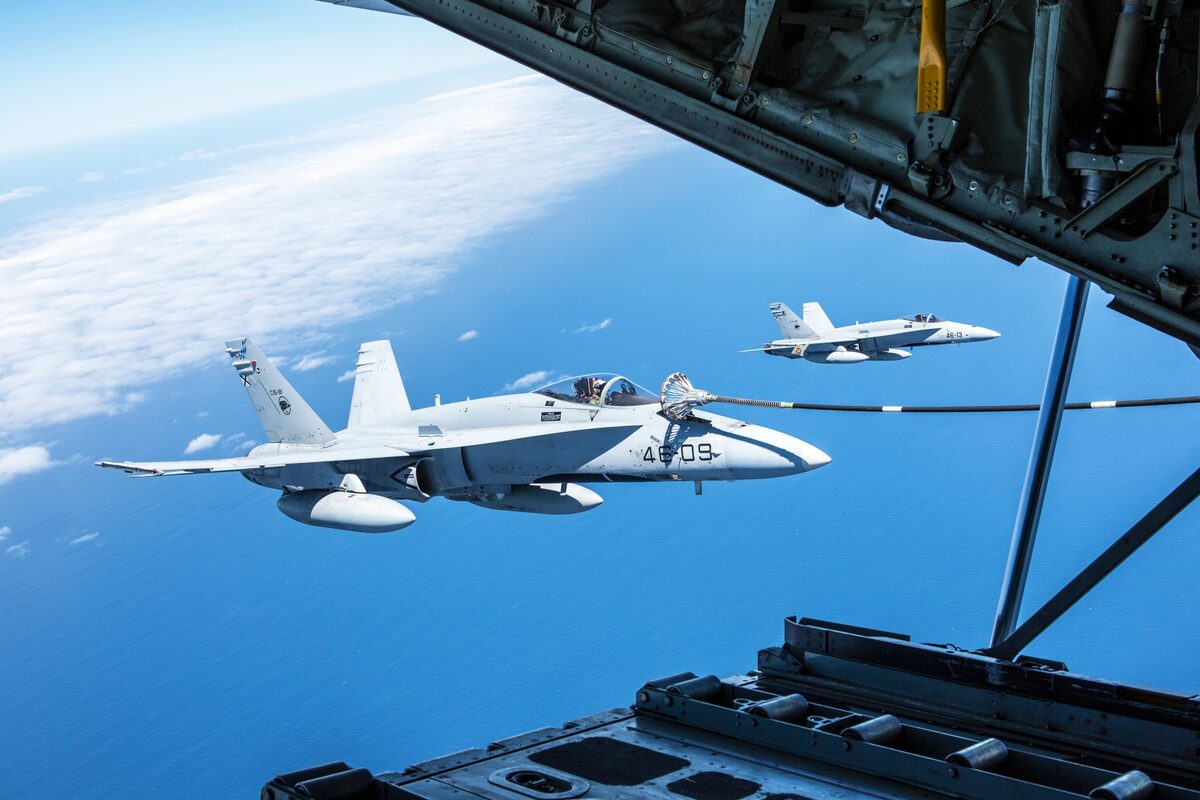
NATO's Fourth Romania Drone Shootdown of 2026: Spanish F-18 Downs Suspected Russian UAV
A Spanish EF-18M flying NATO's eAP-72 mission shot down a suspected Russian drone over Romania near the Moldova border before dawn on August 16 — the fourth such shootdown over Romanian territory this year.
-
Counter-UAS
NATO Jets Down Drones Over Latvia and Romania in 48-Hour Span
Italian Eurofighters over Latvia and a Spanish F-18 over Romania shot down unidentified drones on consecutive nights, with neither government able to say where the aircraft came from.
-
Counter-UAS
Inside Baltic Trust: NATO Runs Drone-Swarm and Kill-Chain Drills in Latvia
NATO's BATT26 exercise is putting roughly 650 troops and technical specialists from allied and partner nations through two weeks of live UAS and counter-UAS drills at Latvia's Sēlija range.
-
Counter-UAS
Romania Downs Three Drones in Three Days, Its First Shootdowns Since 2022
Over July 24-26, 2026, Romania destroyed three drones that breached its airspace on consecutive days - its first successful intercepts since Russia's 2022 invasion, enabled by a 2025 law authorizing engagement of trespassing UAS.
-
Counter-UAS
NATO Launches $40 Billion 'Drone Edge' Counter-UAS Initiative at Ankara Summit
NATO Secretary-General Mark Rutte unveiled a five-year, $40 billion Drone Edge initiative for uncrewed and counter-uncrewed systems, headlining more than EUR 50 billion in procurement deals announced at the Ankara summit.
-
Counter-UAS
Airbus Plots More Live Trials for 'Bird of Prey,' Its Catapult-Launched Answer to Kamikaze Drones
Following a successful spring intercept test in Germany, Airbus is lining up further 2026 live trials for Bird of Prey, a reusable, catapult-launched interceptor drone designed to hunt down one-way attack drones like Russia's Geran.
-
Counter-UAS
NATO Pledges $40 Billion for Counter-Drone Wall as Allies Race to Close Detection Gaps
At its Ankara Defence Industry Forum, NATO committed $40 billion over five years to counter-drone systems, drone-operator training, and new surveillance UAVs — including up to five Northrop Grumman MQ-4C Tritons — in direct response to Ukraine's low-cost UAV war.