
The Transportation Security Administration said in a statement issued Monday, July 6, 2026, that federal and local law enforcement agencies have seized more than 600 drones flown illegally near FIFA World Cup stadiums and fan events since the tournament kicked off on June 11 — a figure that has roughly doubled in the span of two weeks and now spans all 11 U.S. host cities.
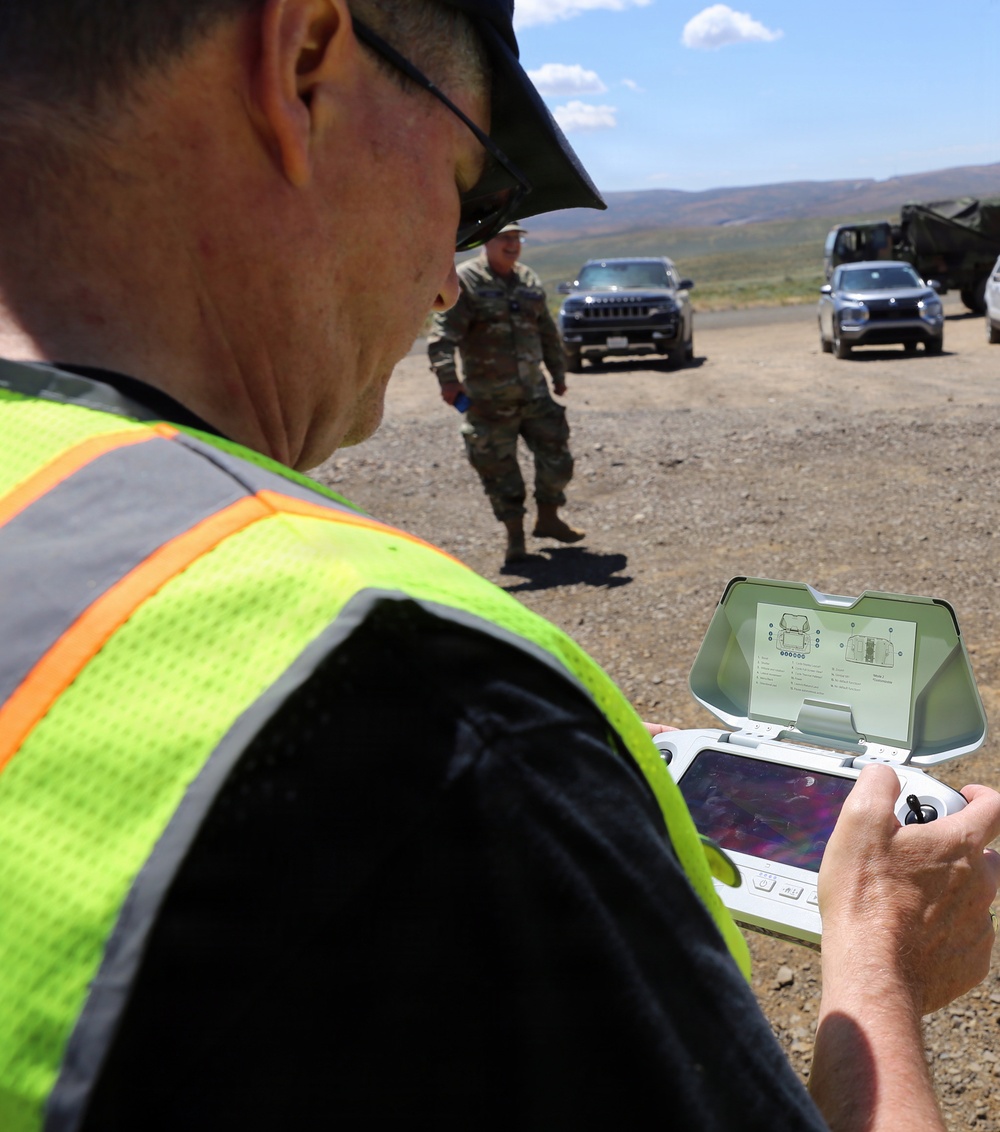
The enforcement effort is being led by TSA's Federal Air Marshal Service, working alongside FBI counter-unmanned aircraft systems (CUAS) teams and local police departments in each host market. The agencies are policing temporary flight restrictions (TFRs) that the FAA has stood up around every World Cup venue: a 3 nautical mile / 3,000-foot no-fly radius around stadiums during matches, and a 1 nautical mile / 1,000-foot radius around official fan events. Any drone operator who strays into those zones without authorization is subject to seizure and prosecution.
According to a per-city breakdown reported alongside the TSA statement, Miami leads the country with 99 drones seized since the tournament began, followed by Los Angeles with 91, Dallas with 78 and Atlanta with 77. Kansas City ranks fifth nationally with 61 seizures, followed by Seattle with 52, San Francisco with 48, Boston with 44, New York/New Jersey with 38, Philadelphia with 29 and Houston with 24 — together with the four leading cities accounting for the bulk of the more-than-600 confiscations spread across all 11 host markets.
How the Numbers Escalated
The 600-plus figure represents a dramatic jump from where things stood just two weeks prior. In late June, TSA had put the running total at "more than 300" drone seizures across World Cup events — meaning the tally has roughly doubled in the back half of the tournament's early rounds as more matches, and more fan events, have taken place across the host cities.
A single-day snapshot from TSA illustrates how the numbers accumulate on the ground. On June 16, a joint Federal Air Marshal Service, FBI-Kansas City and Kansas City Police Department CUAS operation seized eight drones and issued two misdemeanor violation notices during one event window. TSA's release from that day noted that, cumulatively since June 11, the Kansas City counter-drone operation alone had detected 19 drones inside the TFR, made 18 law-enforcement contacts, seized 14 aircraft and issued five federal criminal citations — an early-tournament pace that would ultimately land Kansas City in the middle of the national count, well behind seizure leaders Miami, Los Angeles, Dallas and Atlanta.
What Happens to Violators
Operators caught flying inside a World Cup TFR face a stacked set of consequences. TSA has said penalties can include civil fines of up to $75,000, criminal fines of up to $100,000, up to a year in prison, and confiscation of the drone itself. The Kansas City case shows the range of outcomes in practice: some operators receive misdemeanor violation notices on the spot, while others are referred for federal criminal citations depending on the circumstances of the incursion.
The FAA's coordination page for the tournament lays out the broader architecture behind the crackdown, describing how the agency has worked with TSA, the Department of Homeland Security and the FBI to build the airspace security plan governing all 11 host cities. That plan combines the TFR structure with ground-based detection and interdiction assets fielded by the Federal Air Marshal Service and FBI CUAS teams, giving agencies the ability to track a drone from first detection through seizure and, where warranted, prosecution.
Why the Numbers Are So High
Several factors likely explain why hundreds of drones have ended up in TSA custody rather than a handful of isolated incidents. The tournament is spread across 11 metropolitan areas simultaneously, each hosting multiple matches and associated fan events over a period of weeks, multiplying the number of TFR windows in effect on any given day. Consumer drones are also inexpensive and widely owned, and the TFR boundaries — while publicized — are not always intuitive to casual operators who may not realize a stadium's no-fly zone extends miles beyond the venue itself or that fan events blocks away from a stadium carry their own restricted airspace.
The seizure counts also reflect the density of detection assets deployed. Counter-UAS teams built around Federal Air Marshal Service and FBI resources are staffed at each host city specifically for the tournament, giving agencies far more eyes on restricted airspace than would exist for a typical sporting event. That level of coverage means violations that might previously have gone undetected — a hobbyist flying just inside a TFR boundary, for instance — are now being caught and logged.
Why It Matters
The World Cup counter-drone effort is one of the largest sustained civilian airspace enforcement operations the United States has run, and the numbers TSA is reporting offer a rare, quantified look at how much illegal drone activity clusters around major public events once agencies actually go looking for it. Six hundred-plus seizures across roughly a month of play is not a story about malicious actors so much as it is a story about the sheer scale of consumer drone ownership colliding with large-scale event security — a preview of the airspace management challenges facing the 2028 Los Angeles Olympics and other mega-events on the horizon. It also underscores how quickly enforcement totals can move once detection infrastructure is fully stood up: the jump from 300-plus to 600-plus in two weeks suggests either accelerating incursions as the tournament progresses into later rounds with bigger crowds, or simply agencies catching up on a backlog of detections as CUAS operations matured city by city. Either way, the figures give the counter-UAS industry, event organizers and hobbyist drone pilots alike a concrete data point for what "temporary flight restriction enforcement" looks like when applied at national scale — and a warning for anyone tempted to fly near a stadium during a match that the odds of detection, seizure and prosecution are no longer theoretical.