
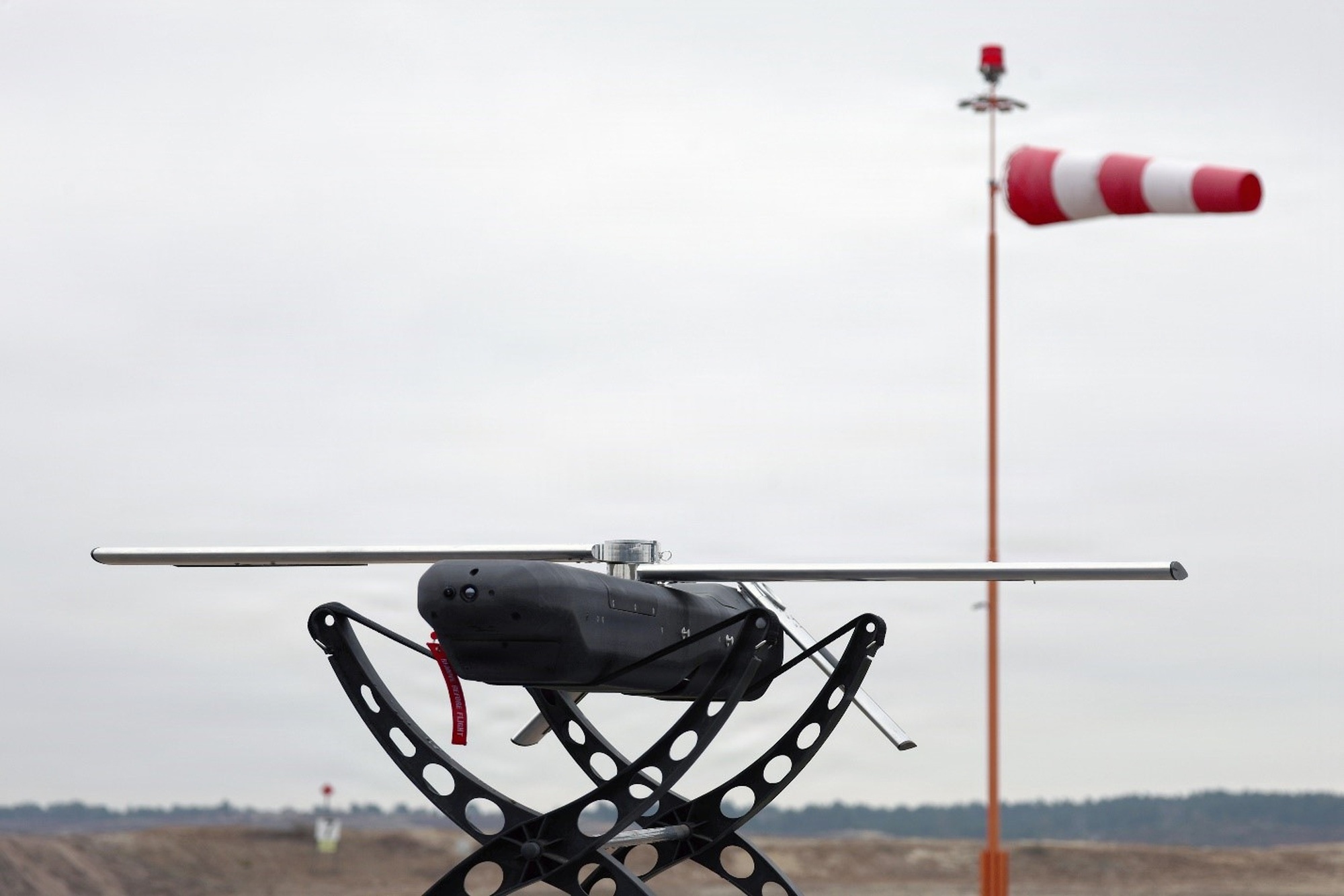
For the third time in three days, a Romanian Air Force F-16 put a suspected Russian drone into the Black Sea on the morning of July 26, 2026. The intercept, confirmed by President Nicusor Dan down to the minute — 10:13 a.m., over territorial waters near Sulina-Chilia — capped a stretch of NATO airspace violations that began the previous Friday and has since pushed Romania to expel a Russian diplomat and put its air defense posture back in the spotlight.
The pattern is now familiar to residents of Romania's Danube Delta region, but the density of this particular run — three shootdowns in three consecutive days — marks an escalation from the sporadic debris finds that have characterized much of the war. It was also, according to NATO's Supreme Headquarters Allied Powers Europe, the fourth drone Romanian pilots have shot down in defense of NATO airspace this year, following an earlier intercept over Estonia in May. Romanian and allied fighters have flown repeated scrambles since Russia's invasion of Ukraine in 2022, but rarely with this frequency, and rarely with NATO's Allied Air Command issuing same-week public confirmations of an engagement.
Three Days, Three Intercepts
The sequence began Friday, July 24, when NATO's Allied Air Command detailed a multinational scramble that read like a textbook demonstration of alliance air-policing procedure. Two Romanian F-16s launched from Fetesti Air Base alongside two Italian Air Force Eurofighters flying out of Mihail Kogalniceanu Air Base, all operating under NATO command and control after an unidentified UAV was tracked approaching Romanian airspace. Once the drone crossed into Romanian territory, the aircraft were cleared to engage and shot it down.
NATO's statement on the incident struck a deliberately reassuring tone: "This multinational combined effort underlines how NATO is ready and able to react to any potential air threats, 24/7, to safeguard our territory and protect our people." The alliance said an investigation into the incident was ongoing and that NATO remained in close contact with Romanian authorities — standard language, but notable for how quickly it was issued.
Two more incursions followed over the weekend and into Sunday, according to the account published by WSLS on July 28, with the string of three consecutive-day shootdowns culminating in Sunday morning's F-16 intercept near the Sulina-Chilia stretch of the Black Sea coast. President Dan's public confirmation was blunt: "A new drone was shot down this morning, at 10:13, by an F-16 aircraft of the Romanian Air Force... Such actions are unacceptable."
NATO's Supreme Headquarters Allied Powers Europe echoed the message. SHAPE spokesman Col. Martin O'Donnell told reporters that "NATO is constantly on the watch and prepared to defend itself" — a formulation that, taken together with Dan's statement and the Allied Air Command's Friday release, amounts to the alliance publicly narrating its air defense response to Russian drone activity in near-real time, a departure from the lower-key handling of earlier incursions.
A Pattern Years in the Making
What distinguishes this month's incidents from the broader backdrop is not novelty but frequency. Romania's Foreign Minister Oana Toiu said drone fragments recovered by the Ministry of National Defence, combined with an ongoing prosecutor's investigation, "confirm their Russian origin beyond any doubt." That forensic confidence sits atop a much larger and grimmer ledger: according to Romania's Ministry of National Defense, at least 19 drones have entered the country's airspace in 2026 alone, and there have been 50 cases of drones or drone fragments identified on Romanian territory since the war in Ukraine began in 2022. Separately, Cristian Popovici, the defense ministry's head of public relations, told the Associated Press that Romania has recorded more than 100 drone attacks near its border with Ukraine, many of which resulted in debris or drones penetrating Romanian airspace.
Drones have crossed into Romanian territory multiple times from Ukraine to the north and east since the war began, including in May, when a drone crashed into an apartment block in the eastern town of Galati along the Danube River, injuring a mother and child. Romanian authorities largely responded to these incidents by scrambling jets and collecting debris rather than shooting drones down. Some incidents cataloged over the past several years have amounted to debris falls rather than intact drones crossing intact; the July 24–26 run stands out for involving full incursions serious enough to warrant live intercepts under NATO command rather than after-the-fact debris recovery.
Diplomatic Fallout
Bucharest's response moved beyond the flight line. Romania summoned Russia's ambassador on Monday, July 27, and expelled one Russian diplomat, giving the individual five days to leave the country — a concrete diplomatic penalty that goes beyond the protest notes that have typically followed past incursions.
Allied solidarity also surfaced quickly. Belgian Foreign Minister Maxime Prevot voiced support for Romania in the wake of the incidents; Belgium maintains roughly 300 troops deployed in the country as part of NATO's eastern-flank reinforcement posture, giving Brussels a direct stake in the security of the airspace being violated.
Why It Matters
Romania's airspace sits at the literal edge of NATO territory bordering an active war, and the alliance's air-policing mission there exists precisely to answer the question these incidents keep raising: what happens when a weapon built for one country's war crosses into another's sovereign territory, and that other country is a NATO member protected by Article 5's collective defense guarantee? So far, the alliance's answer has been calibrated escalation — scramble, track, engage once the drone is confirmed hostile and inside national airspace, then say so publicly. The joint Romanian-Italian intercept on July 24, executed under unified NATO command and control, is a working demonstration of integrated air defense across two air forces reacting in real time, not a hypothetical.
But the trend line — 19 incursions in 2026 against 50 since 2022, with three shootdowns compressed into a single weekend — suggests the frequency of these events is rising even as individual response times and procedures have matured. Each incursion carries its own risk calculus: a stray Shahed is not, on its own, an act of war, but a pattern of dozens of them crossing into alliance territory tests the threshold at which NATO member states and the alliance collectively decide that "unacceptable," in President Dan's words, requires more than an intercept and a diplomatic expulsion. For an alliance whose eastern members have spent the war watching Russian ordnance edge closer to their own skies, Romania's July weekend is less an aberration than a data point in a trajectory worth tracking closely.
Sources
- NATO fighter jets scramble, shot down drone after it enters Romania airspace - Allied Air Command
- Romania scrambles F-16 jets to shoot down a suspected Russian 'Shahed type' drone, marking fourth recent violation of NATO airspace | Fortune
- NATO member Romania shoots down stray drones from Ukraine war after years of incursions