
European drone operators who still file specific-category applications under the older version of the Specific Operations Risk Assessment have just over five weeks left. The European Union Aviation Safety Agency has published ED Decision 2026/010/R, the latest regular update to the Acceptable Means of Compliance (AMC) and Guidance Material (GM) for Regulation (EU) 2019/947. It removes SORA 2.0 as an acceptable means of compliance from 1 January 2027. It also rebuilds the predefined risk assessments around SORA 2.5 and names EUROCAE ED-318 as the common digital format for publishing UAS geographical zones.
EASA's document library dates the decision 20 November 2026. The decision text itself is dated Cologne, 16 November 2026, and signed by Executive Director Florian Guillermet; DroneXL reports that it was published on the 20th. EASA designates the update Issue 1, Amendment 5 of the AMC and GM. It amends ED Decision 2019/021/R and follows consultation under NPA 2026-101.
The operative text is short and gives one date. Operators should read the detail closely, because the softer transition terms appear only in the explanatory note, which is guidance.
What actually changes on January 1?
The decision text recalls that Amendment 4 introduced SORA 2.5 while keeping SORA 2.0 in force as AMC1bis to Article 11 of the regulation. For a period, the two methodologies were both acceptable routes to a specific-category operational authorisation. According to DroneXL, SORA 2.5 was introduced by a decision signed on 15 September 2025.
That period now has an end date. The decision states that AMC1bis to Article 11 (SORA 2.0), together with AMC4 and AMC5 to Article 11, "shall cease to constitute acceptable means of compliance from 1 January 2027." The decision gives as its reasoning that the JARUS predefined risk assessments have been updated to reflect SORA 2.5 and that SORA 2.5 should therefore be used to assess the risks of UAS operations. From that date, an operator applying through EASA's AMC route uses SORA 2.5 or one of the revised PDRAs.
EASA's stated reasons are the usual ones for regulatory consolidation: a level playing field, efficiency and harmonisation. In practice, it means one risk methodology across member states instead of two in parallel. DroneXL, citing the explanatory note, adds that member states asked EASA to remove the old version and that keeping both risked national authorities drifting apart in how they apply the rules.
Five PDRAs become three, and they are now forms
The biggest practical change is to the predefined risk assessments. A PDRA is a pre-analysed operational scenario: if an operation fits the box, the operator does not need to run a full SORA. The PDRAs are written by JARUS, the Joint Authorities for Rulemaking on Unmanned Systems, which keeps its own list of publications, including documents such as PDRA 5 for BVLOS operations in non-segregated airspace.
DroneXL reports that EASA has replaced the five existing EU PDRAs with three: PDRA-S01, PDRA-G01 and PDRA-G02. JARUS wrote these in December 2025. PDRA-S02 and PDRA-G03 are dropped, because, according to DroneXL, PDRA-G02 now covers their operations.
The format has changed as well as the number. According to DroneXL, the requirement tables are gone and each revised PDRA is a prefilled application form with a prefilled compliance matrix. The fields an operator may change are marked in yellow, and an operation that needs any other field changed falls outside the PDRA and requires a full SORA. That is a different kind of document from the narrative scenario descriptions operators are used to.
The EU versions also differ from the JARUS text in one notable way. According to DroneXL, the EU's PDRA-G01 and G02 allow aircraft with a maximum take-off mass above 25 kg, at a tighter population limit: under 5 people per square kilometre, against under 50 for lighter aircraft flying where most people are sheltered. DroneXL also reports that the new PDRAs apply immediately and that EASA plans to publish an opinion by the end of 2026 proposing to turn them into standard scenarios in the regulation itself.
ED-318 replaces ED-269 for geo-zones
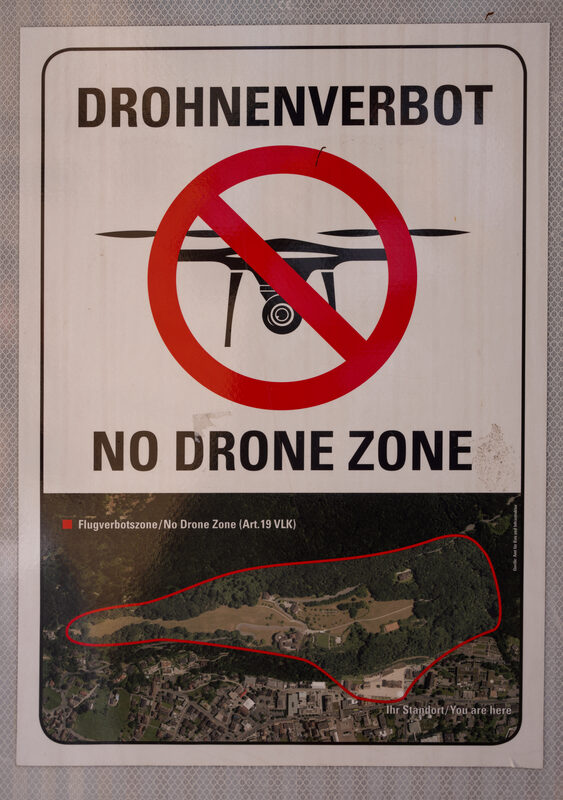
The second strand of the decision concerns UAS geographical zones, the areas where member states restrict, condition or prohibit drone flight. These zones only work if the data describing them can be published consistently and read by flight-planning tools and drone firmware.
In the decision's recitals, EASA says that, with the support of a dedicated task force, it assessed ED-318 and considered it acceptable as the common unique digital format for the provision and exchange of data on UAS geographical zones. The update names the January 2024 edition. The AMC to Article 15 that carries this change applies from 1 January 2027. DroneXL notes that ED-318 replaces ED-269, the format EASA chose in February 2022, and reports that national authorities are expected to publish their zones in ED-318 from that date. For national authorities, this means a format migration. For app developers and manufacturers that ingest geo-zone data, it means a new schema to support.
The transition terms are in the note, not the decision
The operative text gives one hard date, 1 January 2027, and does not spell out what happens to work already in progress. DroneXL reports that the decision itself contains no transition clause and that those details sit in the explanatory note, which is guidance.
According to DroneXL's reading of that note, EASA expects:
- national authorities to stop accepting new SORA 2.0 applications on 1 January and keep processing those submitted before that date;
- existing authorisations issued under SORA 2.0 to remain valid until they expire;
- Light UAS Operator Certificate (LUC) holders to agree a date with their authority for moving their procedures to SORA 2.5.
DroneXL also flags one passage in the note, in its paragraph on the PDRAs, saying that member states may define the period in which they still accept SORA 2.0 applications. DroneXL notes that the following paragraph repeats 1 January 2027. That leaves some room for national authorities to handle the changeover differently, which sits awkwardly with the harmonisation goal the decision is meant to serve. An operator's real deadline may therefore depend on how its national authority reads the note.
Why It Matters
For most European specific-category operators, the immediate question is whether any application is still being drafted under SORA 2.0. The decision says SORA 2.0 stops being an acceptable means of compliance on 1 January. The guidance, as DroneXL reads it, says authorities should stop taking new 2.0 files from that date, and DroneXL's headline sums up the result: six weeks from publication to cut-off.
Operators that relied on PDRA-S02 or PDRA-G03 face a bigger change. Those scenarios are gone from the revised set, though DroneXL reports that PDRA-G02 now covers their operations. Operations outside the three remaining forms, or needing changes to fields not marked as adjustable, will need a full SORA 2.5 assessment. Operators of heavier aircraft may gain from the change, because the EU versions of G01 and G02 allow take-off mass above 25 kg over areas below 5 people per square kilometre.
The decision moves EU drone regulation toward standard forms and standard data formats. In the risk-assessment process, that means prefilled forms with marked fields. In airspace data, it means one geo-zone format, ED-318. Whether it produces the level playing field EASA describes will depend on the parts the decision did not spell out. If authorities adopt different periods for accepting SORA 2.0 applications under the explanatory note's latitude, operators working across borders could face different cut-off dates in the first months of 2027, even though the decision gives a single date.
Operators holding valid SORA 2.0 authorisations are not forced to re-apply immediately, according to the guidance as DroneXL reports it. Before renewing, extending or changing an operation, though, they should confirm with their national authority which methodology it will accept and on what timeline, because the decision itself does not settle those questions.
