
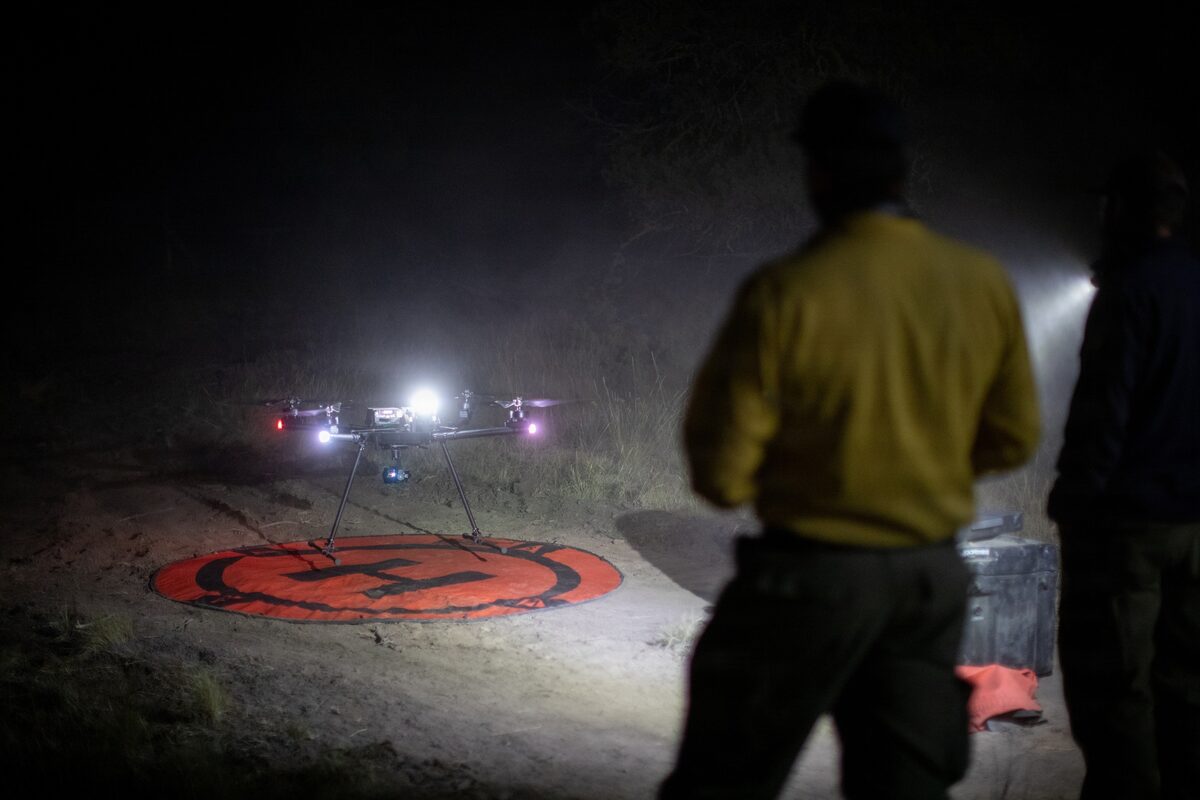
A single drone, flown for a few minutes of aerial video over a burning hillside, can do something a wall of flame often cannot: stop an air tanker fleet cold. That is the blunt message Oregon's aviation and emergency-management agencies delivered on August 20, 2026, after unauthorized drones delayed aerial firefighting at the Grasshopper Fire near Mount Hood — the latest entry in a year that has already produced 67 documented drone incursions near wildfires nationwide, according to U.S. Forest Service tracking.
The Oregon Department of Aviation (ODAV) and Oregon Department of Emergency Management (OEM) issued a joint statement warning recreational and commercial drone pilots to stay away from active fire zones, no exceptions. "No photo is worth a federal prison sentence or a $75,000 fine," OEM Director of Response and Recovery Andrew Jahier said in the release. The warning wasn't hypothetical: at Grasshopper, drone sightings delayed aerial suppression operations, the kind of interruption that on a fast-moving fire can mean the difference between a contained perimeter and a blown line.
Why a Single Drone Grounds an Entire Fleet
The mechanics behind the shutdown are simple and unforgiving. Air tankers, water-scooping planes, and helicopters flying wildfire suppression missions typically operate at low altitude — often in the same couple hundred feet of airspace where hobbyist drones are flown, according to DroneXL's reporting on the Oregon warning. Firefighting aircraft fly low and often share airspace with recreational drones, Eugene public radio station KLCC similarly reported. Firefighting aircraft have no reliable way to detect or avoid a small drone in that airspace, and a mid-air collision at those altitudes would very likely be fatal for the aircrew. Because the risk cannot be managed in the air, it has to be managed by stopping flights on the ground: the moment a drone is sighted or reported near an active fire, incident commanders ground every aircraft assigned to that blaze until the area is confirmed clear. There is no partial response — one drone report means a full stand-down, regardless of how many tankers are queued up or how urgently retardant needs to go down.
That all-or-nothing dynamic is what makes drone incursions so disproportionately damaging. A wildfire doesn't pause while investigators sort out whether a sighting was real, and the minutes or hours lost to a grounding can allow a fire to grow past the point aircraft can meaningfully slow it.
A Year of Escalating Incursions
Oregon's warning follows a national pattern the Forest Service has been tracking with growing alarm. As of the DroneXL report published August 23, the agency has counted 67 unauthorized drone incursions near wildfires so far in 2026. August alone has produced some of the worst single incidents:
- On August 2, Spokane County Sheriff John Nowels reported 26 separate drone incursions in a single day over Washington's Spokane Complex fire — four of them directly in the flight paths of firefighting aircraft.
- New Mexico's Frijoles Fire, in the Santa Fe National Forest, has had air tankers and helicopters grounded twice in one week because of drone activity, according to the same report.
Those numbers, while alarming, still trail last year's total: 218 incursions were logged nationally in 2025, with 184 of them concentrated at the Eaton and Palisades fires alone, per DroneXL's reporting. Whether 2026 ends above or below that mark, the pattern is the same — drone operators, often drawn by the dramatic visuals of an active wildfire, are flying into airspace that firefighting agencies cannot safely share.
What the Law Says — and What It Doesn't
Federal law treats unauthorized flights over wildfires as a serious offense, not a citation-and-move-on matter. Under the penalties cited in Oregon's joint ODAV/OEM statement, violators face civil fines of up to $75,000 and up to 12 months in federal prison. The rule applies regardless of the operator's intent — a hobbyist chasing footage for social media is subject to the same exposure as someone flying with malicious purpose, because the danger to aircrew is identical either way.
Oregon's joint ODAV/OEM statement, first reported by KTVZ on August 20, confirms the same throughline: agencies are not waiting for a collision to happen before escalating their warnings. The message from ODAV and OEM is preventive, aimed at stopping the next incursion before it forces another grounding.
Why It Matters
Wildfire aircraft are one of the few tools that can slow a fast-moving fire before it reaches structures or overwhelms ground crews, and their effectiveness depends on being able to fly when conditions allow it — not when drone traffic permits it. Every unauthorized drone sighting forces a binary choice on incident commanders: risk a mid-air collision, or ground the fleet and let the fire burn unchecked for the duration of the stand-down. With 67 incursions already logged nationally in 2026 and a single day at the Spokane Complex fire producing 26 incidents on its own, the disruption is no longer an occasional nuisance — it is a recurring operational hazard that fire agencies now have to plan around. The scale of the problem also raises a harder question for the counter-UAS community: sighting-based groundings are a blunt, reactive response, and as incursions climb year over year, agencies without a faster way to detect and clear unauthorized drones from fire airspace will keep losing suppression windows they cannot get back.
Sources
- Oregon Newsroom — Office of Emergency Management posts (joint ODAV/OEM wildfire-drone warning)
- DroneXL: Oregon Warns Drone Pilots: One Flight Can Ground Every Fire Aircraft
- KLCC: Authorities remind drone operators: flying over wildfires could mean fines, prison time
- KTVZ: Oregon officials warn drone operators: Stay away from active wildfires