
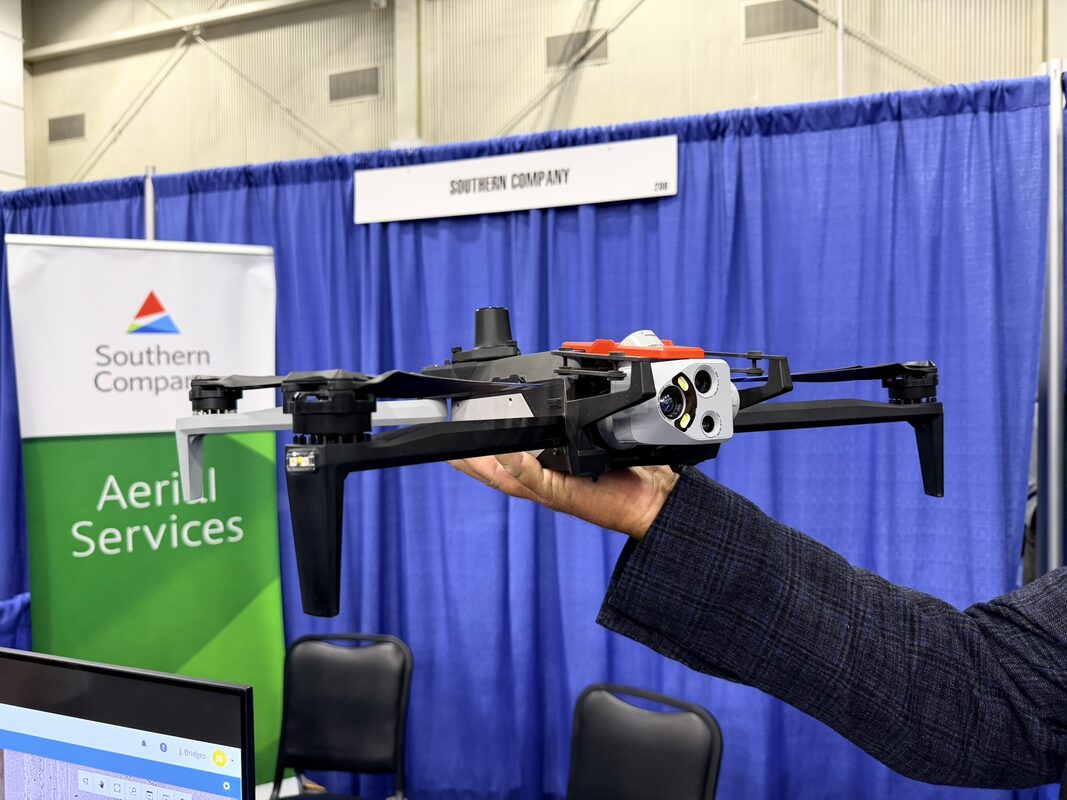
In June, Utica, New York, said its police department hoped to have two Flock Safety drones in the air by August for a free six-month Drone as First Responder (DFR) pilot. On Oct. 28 a DFR trial was announced again. This time it runs 90 days, and the hardware comes through Axon and Skydio.
According to DroneXL's report on a Utica Police statement reported by the Observer-Dispatch, the new trial will use two docked drones supplied through Axon and Skydio, flown by both police and fire personnel. The statement calls the arrangement a "continued partnership." It gives no start date and no cost. Going by DroneXL's account, it does not mention Flock at all, and it does not say whether a Flock drone ever flew over Utica. (UASFeed has not read the Observer-Dispatch statement directly. The October details here come from DroneXL's reporting of it.)
What Utica Promised in June
The first version of the program was specific. On June 10, police spokesman Capt. Michael Curley told the Rome Daily Sentinel that Flock Safety would supply two drones for a free six-month pilot, with Flock funding the pilot period. One drone would be docked at the police station on Oriskany Street West and the second elsewhere in the city, with the exact location still to be decided. Officers certified for drone flight by the FAA would fly them. Curley said the drones take about 12 weeks to build and the department hoped to have them airborne by August, and that the department would look for grant funding to pay for the drones afterward.
Flock was already working with the city. It had run a gunfire-detection pilot in Utica, so the drone deal looked like a second product going into a department that knew the vendor. The fire department, according to the Sentinel, had never had drones before.
The intended uses were the standard DFR list: calls such as fights and disorderly groups, search and rescue, pursuits, major incidents, and house fires, where the drones can help find hot spots. Officials also stressed what the drones would not do. They would not be weaponized, and they would "never interact with the public." Curley said there would be a public-facing online dashboard to track flights, with details still being worked out.
WKTV's coverage the same day described the effort as a six-month trial across the city's public safety departments, with two drones and docking stations placed around Utica. Police called the system "a force multiplier" and offered the number that has followed the program ever since: "Statistics show that roughly 20% of calls can be handled without patrol resources through the DFR program."
What Changed and What Did Not
The vendor and the trial length changed between June and October, and the funding arrangement is no longer described. The pitch stayed the same. As DroneXL reports, much of the October statement is the June language reissued, including the 20 percent figure. It also repeats the transparency commitments: flight logs, mission reports and public dashboards, along with community input on when drones launch.
Some of the change is easy to explain. Axon has sold Skydio's docked drones as a DFR product since the two companies announced their partnership in June 2024, so the Axon-Skydio pairing is an established offering and not a one-off assembled for Utica. Other parts of the change the statement leaves unexplained:
- What happened to the Flock pilot? The June plan was to have aircraft flying by August. The October statement, as reported, does not say whether Flock drones were delivered, flew, or were pulled.
- Who is paying? Flock had agreed to fund the June pilot period. No cost or funding source has been disclosed for the Axon-Skydio trial.
- When does it start? There is no date, so there is no way yet to tell when the 90 days begin or end.
- Where does the 20 percent come from? In June, police introduced it with "Statistics show" and did not cite a Utica measurement. DroneXL argues that using it unchanged with a different vendor and a shorter trial means it was never Utica data, which is consistent with it being a sales projection and not a local result.
Utica Is Not the Only City Churning Through Trials
Utica's change of vendor fits a broader pattern. DroneXL places it alongside a set of DFR decisions that have gone in very different directions:
- Nashville began a trial in May of up to 45 flight days on loaned Skydio aircraft.
- Minneapolis city council voted down a no-cost 75-day trial in July.
- Lakeland, Florida put its Axon drones inside a 10-year, $22 million bundle this month.
- Bridgeport, Connecticut council committees killed a Flock drone contract in January.
- Edison, New Jersey bought a Flock drone with forfeiture money in September.
- Syracuse, fifty miles west of Utica, bought Axon drone hardware in November 2024, and a year later its Common Council had still not approved the software to launch the program.
Taken together, these cases suggest how DFR is reaching local government. Short or free trials let a department start flying before it has a long-term budget line or a full council debate. The larger commitments, such as multi-year bundles, software subscriptions and grant applications, come afterward. Lakeland shows a drone folded into a broader bundle, and Syracuse shows that buying hardware does not by itself mean a program is running.
Why It Matters
Free and short-term trials are a common way DFR vendors get into departments, and Utica shows how loosely those trials can be held to account. A department can announce one vendor's program and then announce a competitor's program four months later without telling residents what happened to the first. Through all of it, the headline performance claim stays the same and, by DroneXL's reading, is still not based on local data.
That is why the transparency promises matter more than the hardware. Flight logs, mission reports and a public dashboard are the only way residents and council members can check whether a docked drone really handles a meaningful share of calls without a patrol car, or whether "roughly 20%" stays a number from a pitch deck. Utica made similar commitments in June. If the Flock pilot never flew, there were never any logs to publish. The 90-day Axon-Skydio trial is short enough that the dashboard will have to appear quickly to be of any use when the city decides whether to make the program permanent and pay for it.
Officials still need to answer whether a Flock drone ever flew, what the new trial costs and who pays, when the clock starts, and whether a Utica-specific measurement will replace the 20 percent figure by the end of the 90 days.
