
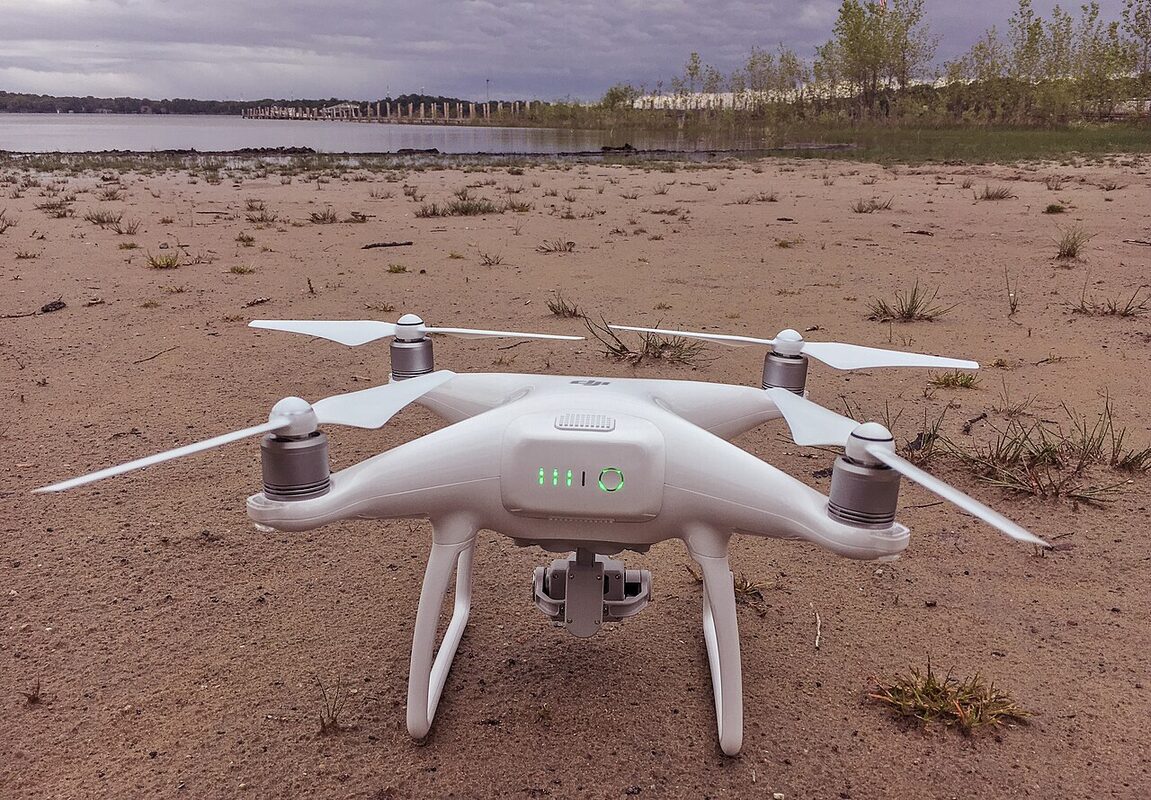
Owning a drone in Beijing is now enough to have it confiscated. The city's revised Regulations on Unmanned Aircraft Management took effect on Sunday, Nov. 15. They go well past a flight ban. Under Article 3 the whole municipality is controlled airspace, and residents may not fly, possess or store drones or their core components, or carry them into the city. AFP puts the area at roughly 16,400 square kilometers, about half the size of Belgium, and the rules cover rural districts as well as urban ones.
The bigger change is for people who followed the rules this spring. A verification scheme that started May 1 let registered owners keep their aircraft. That protection no longer applies. The government's buyback and scrapping programs closed on Nov. 14, the day before enforcement began.
The questions and answers below cover what the regulation says, what it costs to break it, and who is still allowed to operate.
What exactly does the law prohibit?
The Beijing Municipal People's Congress adopted the regulation on Mar. 27 and revised it on Sept. 11, 2026. The revised Article 3 covers four things: flying drones, possessing them, storing them, and carrying them into the city. All four apply to complete aircraft and to "core components." The municipal economy and information technology bureau is responsible for drawing up the core-component list.
That list matters, because the ban reaches parts as well as finished aircraft. According to Beijing Daily and Xinhua, as reported by DroneXL, the city's trial component list has 17 parts grouped into four systems: airframe, flight control, communications and power. The parts have not been published by name in the sources available to UASFeed. Hobbyists who own spare parts therefore cannot tell exactly where the legal line is.
Article 4 covers sales. It bans selling or renting drones to people in Beijing and puts compliance duties on e-commerce operators. Beijing Daily also reports that drone storage depots are banned citywide and that police will carry out inspections.
What are the penalties?
Article 8 sets penalties according to the type of violation:
- Possession or storage: confiscation, and police may add a fine of 500 to 5,000 yuan for individuals or 5,000 to 50,000 yuan for companies.
- Flying: confiscation, plus a fine of 1,000 to 10,000 yuan.
- E-commerce sales violations: a fine of 10,000 to 100,000 yuan may be imposed, or 20,000 to 100,000 yuan for platform operators.
Under these rules, a drone sitting unflown in a closet is an offense that carries confiscation and a possible fine. Flying it brings a higher fine.
Has anyone actually been punished?
Yes, although these cases came before the new rules took effect. DroneXL reports that on Oct. 1 police detained two people for flying drones: a tourist surnamed Pan in Huairou district and a person surnamed Song in Tongzhou district. Both received detention and a fine, and both lost their equipment. DroneXL notes that both were punished for flying under rules that did not depend on the possession ban. The Oct. 1 cases show that police were enforcing the earlier rules while the stricter law was waiting to take effect.
I registered my drone in May. Am I covered?
No. Beijing banned drone sales in May 2026 but allowed registered owners to keep their aircraft, AFP reports. DroneXL says the scheme allowed up to three drones per person. Beijing Daily, published through the city government's portal, reports that the verification work ended July 31 and that the verification measures stop being applied as the new rules take effect. Since Nov. 15, a registered drone in Beijing is in the same legal position as an unregistered one.
The city did give owners ways out before the deadline. Beijing Daily described three disposal channels, in addition to carrying a device out of the city personally:
- Buyback: a subsidy of 30% of the purchase price, capped at 3,000 yuan per unit, from Sept. 12 to Oct. 31. From Nov. 1 to Nov. 14 it fell to 15%, capped at 1,500 yuan.
- Scrapping: a payment of 200 yuan per unit, later reduced to 100 yuan.
- Shipping out: free EMS delivery to an address outside Beijing through Nov. 14.
The subsidies were available only to individuals who had verified with police, so people who never registered could not claim them. All three channels have now closed. DroneXL found no published figure showing how many drones were bought back, scrapped or shipped out of the city.
What about visitors?
According to DroneXL, the ban on bringing drones into Beijing has been in place since May 1 and applies to transit passengers. The revised Article 3 makes the carry-in ban part of the regulation's main prohibition, and the possession penalties in Article 8 now back it up. A traveler arriving with a drone in their luggage is carrying something the city now treats as prohibited.
Who can still fly?
Article 6 sets out special-protection arrangements, granted after a safety assessment by city police. They cover counterterrorism, disaster response and major events; schools, research institutions and manufacturers; and agricultural and forestry production. AFP's summary of the exemptions also names law enforcement, emergency relief, agriculture and scientific research. The text of Article 6 is framed around institutions and specific missions, and nothing in it describes a route for private hobby owners.
Why now?
The regulation was revised on Sept. 11, about 11 weeks after a light aircraft crashed into the CITIC Tower on June 26, according to DroneXL. AFP reports that the small plane hit the city's tallest skyscraper, killing the pilot and injuring 13 people. AFP says the ban comes after airspace safety fears were raised by that crash, and that authorities describe it as a measure to ensure the capital's security. A crewed light aircraft is not a drone, and the regulation's own text states only the aim of safeguarding the capital.
Why It Matters
Most drone rules regulate behavior: where you can fly, how high, and with what registration. Beijing has instead banned the object itself across a capital region of more than 16,000 square kilometers. Confiscation now applies to drones that are only being stored. Registration gave no lasting protection, and the city gave owners about nine weeks of buyback subsidies, at decreasing rates, before possession became an offense.
The policy may carry weight outside Beijing. At the same time, Article 6 leaves a working path for manufacturers, researchers, schools and agricultural operators. The pattern is to restrict private owners while keeping institutional and industrial use, under police assessment. Other governments thinking about consumer-drone restrictions after a security incident now have a precedent at the strict end of the range.
Three things are worth watching. The first is whether the municipal economy and IT bureau publishes the 17-part component list by name. The second is whether the city releases figures for drones surrendered, scrapped or shipped out. The third is how police carry out the inspections that Beijing Daily says are coming. Until there is clarity on the component list in particular, anyone in Beijing holding drone parts cannot be sure whether they are covered by the ban.
Sources
- Beijing Municipal Regulations on Unmanned Aircraft Management, full text (Beijing Municipal People's Government)
- Revised Beijing drone regulation takes effect Nov. 15; three disposal channels open (Beijing Daily via Beijing government portal)
- Beijing bans drone ownership to safeguard capital's security (AFP via The Manila Times)
- Beijing Drone Ownership Ban Takes Effect, Police Held Two For Flying (DroneXL)
