
Omaha's suburbs are next in line for Amazon's drone delivery rollout. The company has asked the Federal Aviation Administration to approve a new Prime Air Delivery Distribution Center (PADDC) in Papillion, Nebraska, adjacent to an existing Amazon warehouse, and the FAA has opened the public comment period that stands between the paperwork and the first delivery flight.
The FAA posted a draft environmental assessment for the Papillion facility on June 23, 2026, triggering a 30-day public comment period that closes July 22. The agency says it wants to hear from "members of the public who may be affected by Prime Air's proposed operations" before it decides whether to grant approval. Comments go to [email protected] and must carry the subject line "Prime Air Omaha Draft EA." The FAA has also cautioned that any personal information included in a comment email may become part of the public record.
If approved, the facility would deliver directly to residential houses and communities in the Omaha area — the same suburb-first model Amazon has used in its other 2026 launch markets.
What's Actually Flying
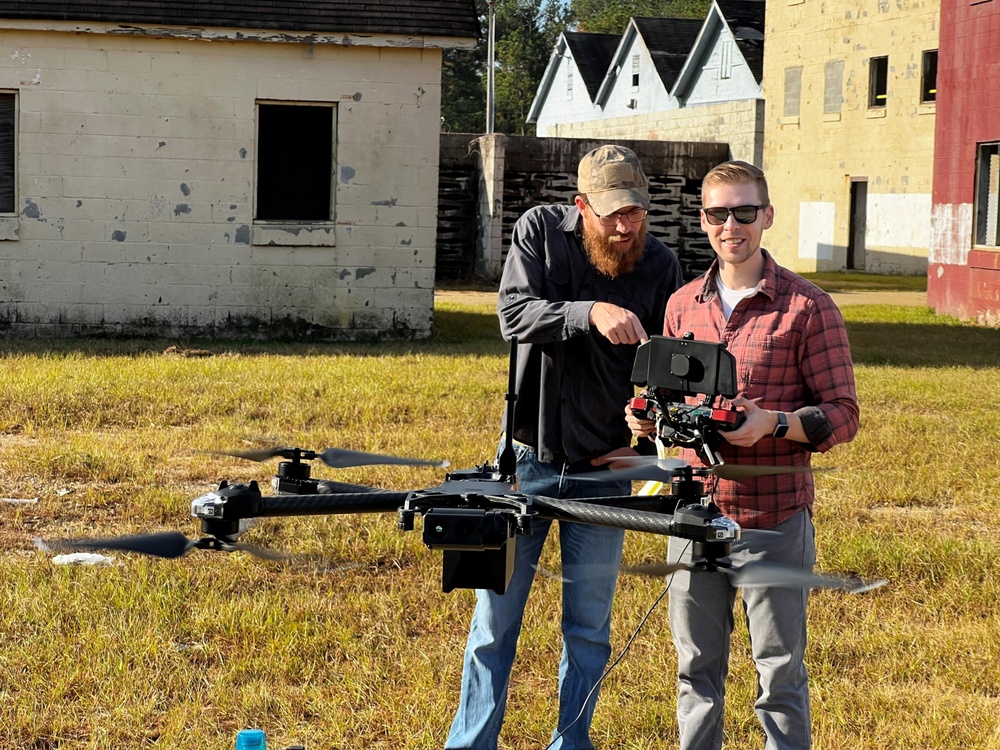
The aircraft behind the proposal is Amazon's MK30 delivery drone, the company's newest Prime Air platform. According to specifications reported by DroneXL, the MK30 weighs 83 pounds (38 kg), cruises at up to 73 mph (117 km/h), and operates at altitudes of 200 to 300 feet. Amazon says the MK30 has roughly double the range of its earlier delivery drones and can complete a delivery within an hour of an order being placed. New propeller designs are said to cut the aircraft's perceived noise by nearly 50 percent compared to previous models.
The drone is built for small, light payloads: packages must weigh under 5 pounds and fit a shoebox-sized form factor. Amazon says that limitation still covers roughly 60 percent of the items customers most frequently buy on the platform. Delivery fees are set at $4.99 for Prime members and $9.99 for non-members — pricing that positions drone delivery as a premium, speed-focused option rather than a replacement for standard shipping.
Behind the Papillion filing sits a substantial flight-test record: Amazon says the MK30 program has logged more than 6,300 test flights and 360 hours of FAA-certified flying to reach this stage.
A 13-Year Runway
The regulatory gate now facing Omaha is the same one that has shaped Prime Air's entire history. Jeff Bezos first announced Amazon's drone delivery ambitions in 2013, promising airborne package delivery within years. Instead, the program spent roughly 13 years working through FAA certification, safety case reviews, and — as in Papillion now — environmental assessment and public comment processes before reaching commercial reality in a handful of markets.
That slow burn has recently accelerated. By February 2026, Amazon had completed roughly 16,000 deliveries across its existing drone markets. The company is now in the middle of a rapid 2026 expansion, adding Kansas City, San Antonio, Waco, the Detroit suburbs, Dallas-Fort Worth, Tampa, the Houston area, Baton Rouge, and Chicago's south suburbs to its drone delivery map — with Omaha's Papillion facility as the newest addition awaiting FAA sign-off. Amazon has stated a goal of putting 30 million customers within range of drone delivery by the end of 2026, en route to a longer-term target of 500 million packages delivered by drone annually by the end of the decade.
Q&A: What Omaha-Area Residents Need to Know
Where would the drones fly from?
The Prime Air Delivery Distribution Center would sit adjacent to an existing Amazon warehouse in the Omaha, Nebraska area, according to the FAA's project listing. From there, drones would fly directly to homes in surrounding residential communities.
How can I comment on the proposal?
Email [email protected] with the subject line "Prime Air Omaha Draft EA" before July 22, 2026. The FAA has not indicated any other official channel for comment on this specific draft EA.
What is Amazon's public stance on the expansion?
Amazon spokesperson Andy DiOrio told an Omaha television station, "We are always exploring new ways to get customers a wider selection at faster speeds," characterizing customer reaction in the company's other operating markets as "overwhelmingly positive."
What jobs come with the facility?
Ground-handler positions supporting Prime Air operations pay in the $20 to $40 per hour range, according to reporting on the program.
Does the comment period guarantee a delay or denial?
No. The comment window is a standard part of the FAA's National Environmental Policy Act (NEPA) review process for drone operations, which requires public involvement and environmental review before approval — not necessarily an indication that approval will be withheld.
Why It Matters
Papillion is a test of whether Amazon's drone delivery model can scale past its initial handful of markets and into the kind of dense national footprint the company has publicly targeted — 30 million customers in range by year's end, and eventually 500 million packages a year. Each new market requires its own FAA environmental assessment and comment period, meaning the Omaha process is also a preview of the regulatory rhythm Amazon will repeat market by market as it works toward that goal.
The 13-year gap between Bezos's original 2013 pledge and today's still-incomplete Omaha approval is itself a data point for the broader UAS industry: even a company with Amazon's resources and an FAA-certified aircraft logging thousands of test flights still moves through certification, environmental review, and public comment on a timeline measured in years, not months. For other drone delivery operators watching from behind, the Prime Air rollout — market by suburb by market — is the clearest available blueprint for what FAA approval actually costs in time, even after the hard technical problems are solved.
For Omaha-area residents, the stakes are more immediate: whether drones weighing nearly as much as a large dog, flying at 73 mph a few hundred feet overhead, become a normal feature of suburban airspace — and whether the July 22 comment deadline is when their input can still shape that outcome.
