Ukraine has opened the first large-scale, open competitive tender in its history for middle-strike and reconnaissance-strike drones, a procurement shift that Defense Minister Mykhailo Fedorov says will put "tens of thousands" of new UAVs into the hands of front-line units — sourced from multiple manufacturers rather than a single favored supplier.
The tender was announced by Fedorov on June 25, 2026, and is run by Ukraine's Defence Procurement Agency (DPA), the country's newly unified acquisition body; The Defense Post and other outlets covered the announcement in the days that followed, through July 2. It marks a deliberate break from how Kyiv has bought drones for most of the war: through sole-source contracts or purchases naming specific models. Instead, the DPA says it will evaluate every submission strictly against tactical-technical requirements, letting any qualifying Ukrainian manufacturer compete on the merits of what their hardware can actually do.
What's Actually Being Procured
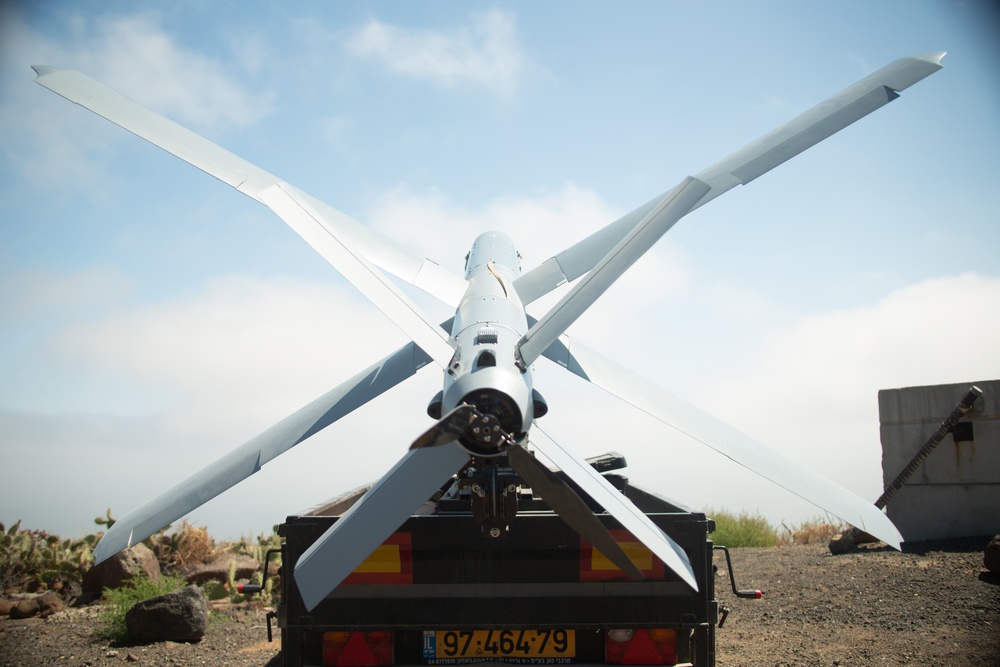
According to The Defense Post, the tender covers middle-strike unmanned aerial systems and reconnaissance-strike drone categories at a scale Ukraine has not previously attempted through a single open competition — "tens of thousands" of airframes, drawn from multiple suppliers.
Per Interfax-Ukraine, the bidding will be conducted in a closed environment, a measure the DPA says is meant to protect the safety of tender participants and safeguard sensitive information — with every submission assessed against the DPA's published tactical-technical requirements rather than by brand or manufacturer name.
The DPA has said the awards will go to multiple manufacturers rather than a single winner, consistent with Fedorov's stated aim of avoiding reliance on one supplier and keeping several domestic production lines scaled up and competing simultaneously. Fedorov has not published an exact allocation formula in the statements reviewed for this story.
Why Now: Scaling a Proven Model
Fedorov's own justification for the shift, per Interfax-Ukraine, points to results already achieved elsewhere in Ukraine's procurement system: the DPA previously ran a competitive tender for long-range 155mm artillery ammunition and achieved savings of more than 16% compared with prior pricing, Fedorov said. That result is what he pointed to as the model now being extended to drones, with plans to move deep-strike, FPV, and other drone categories to the same competitive-tender approach "as early as this summer."
Middle-strike and reconnaissance-strike UAVs occupy the operational space between short-range FPV drones used at the tactical edge and the long-range deep-strike systems Ukraine has used against targets far inside Russian territory. Scaling this middle tier lets Ukrainian forces hold Russian logistics nodes, rail links, and staging areas at risk over a wider band of depth than FPV drones can reach, without committing the more limited number of long-range strike assets to every target.
A New Procurement Body
The tender is the highest-profile action yet from the DPA, which was formed January 1, 2026, through a merger of Ukraine's former lethal-weapons procurement structure with the State Operator for Non-Lethal Acquisition (DOT), according to Janes. Consolidating both procurement tracks under one agency was intended to streamline acquisition and reduce the fragmentation that had previously split lethal and non-lethal defense buying across separate bureaucracies.
Janes' coverage of the merger notes that the DPA has been positioned as the vehicle for exactly this kind of acquisition-system overhaul — moving Ukraine away from ad hoc, relationship-driven contracting toward standardized, requirement-based competition. The middle-strike drone tender is the DPA's first major test of that model at scale.
Q&A: What Changes for Manufacturers
Q: How is this different from how Ukraine bought drones before?
A: Previously, many procurement decisions named specific models or went through sole-source arrangements with a preferred vendor. This tender instead publishes tactical-technical specifications and lets any manufacturer that meets them compete, with bidding conducted in a closed environment intended to protect participant safety and sensitive information.
Q: Can one company win the whole contract?
A: The DPA has said awards will be split among multiple manufacturers rather than concentrated in a single winner, in line with Fedorov's stated goal of avoiding dependence on one supplier. The agency has not detailed a specific award-allocation formula in the statements available.
Q: Is this the only category going competitive?
A: No. Per Interfax-Ukraine, Fedorov said Ukraine intends to extend the same competitive-tender model to deep-strike drones, FPV drones, and other unmanned-systems categories "as early as this summer," suggesting the middle-strike tender is a pilot for a broader overhaul of how Ukraine buys UAVs across every range class.
The Industrial Backdrop
The tender lands amid continued heavy investment in the drone sector serving Ukraine. Quantum Systems, a Western UAV manufacturer with an established operational footprint inside Ukraine — more than 19,000 missions flown in 2025 — raised $1.2 billion in a Series D funding round, underscoring how deeply Western and Ukrainian drone industrial bases have become intertwined over the course of the war. While Quantum Systems is not confirmed as a bidder in the DPA's middle-strike tender, its scale of Ukrainian operations illustrates the size of the manufacturing base the DPA's open-competition model is designed to draw on.
Why It Matters
Procurement reform rarely makes headlines the way a new weapon system does, but the shift the DPA is attempting here could matter more for Ukraine's long-term war effort than any single drone design. A requirement-based tender, evaluated without reference to brand or manufacturer name, opens the field to smaller and newer Ukrainian manufacturers who previously had little chance of breaking into sole-source contracts dominated by incumbents. The push toward multiple simultaneous suppliers institutionalizes a degree of supply-chain redundancy at a moment when Russian strikes on Ukrainian production facilities make single points of failure dangerous. And Fedorov's own point of comparison — the 16% savings his agency achieved by competitively tendering 155mm ammunition — suggests Kyiv expects the same open-competition dynamic to cut costs on drones as it scales up volume. If the DPA's competitive model works at the scale of "tens of thousands" of airframes, its planned extension to deep-strike and FPV categories this summer would represent one of the most significant restructurings of Ukraine's drone acquisition system since the war began.
Sources
- Fedorov announces launch of tender for record-breaking procurement of middle-strike drones — Interfax-Ukraine
- Ukraine Opens First Competitive Tender for Middle-Strike Drones — The Defense Post
- Ukraine showcases new procurement system with UAV acquisition changes — Janes
- UAV Manufacturer Quantum Systems Raises $1.2 Billion in Funding — Militarnyi