
Thales announced on July 6, 2026, that it has agreed to acquire a 35.5% stake in Exail Technologies, a French maker of underwater and surface drones, from the Gorgé family at an implied enterprise value of €3.9 billion ($4.5 billion). The all-but-final agreement caps a monthslong contest with rival French defense contractor Safran, which had been in exclusive talks to buy Exail before abruptly walking away on July 3.
The deal gives Thales a controlling position in one of the few European companies capable of building a full stack of unmanned maritime systems — mine-hunting drones, seabed-mapping vehicles, and the inertial navigation units that let them operate without GPS. It also sets in motion a mandatory tender offer for the remaining shares, which Thales expects to close by early 2028.
What Thales Is Buying
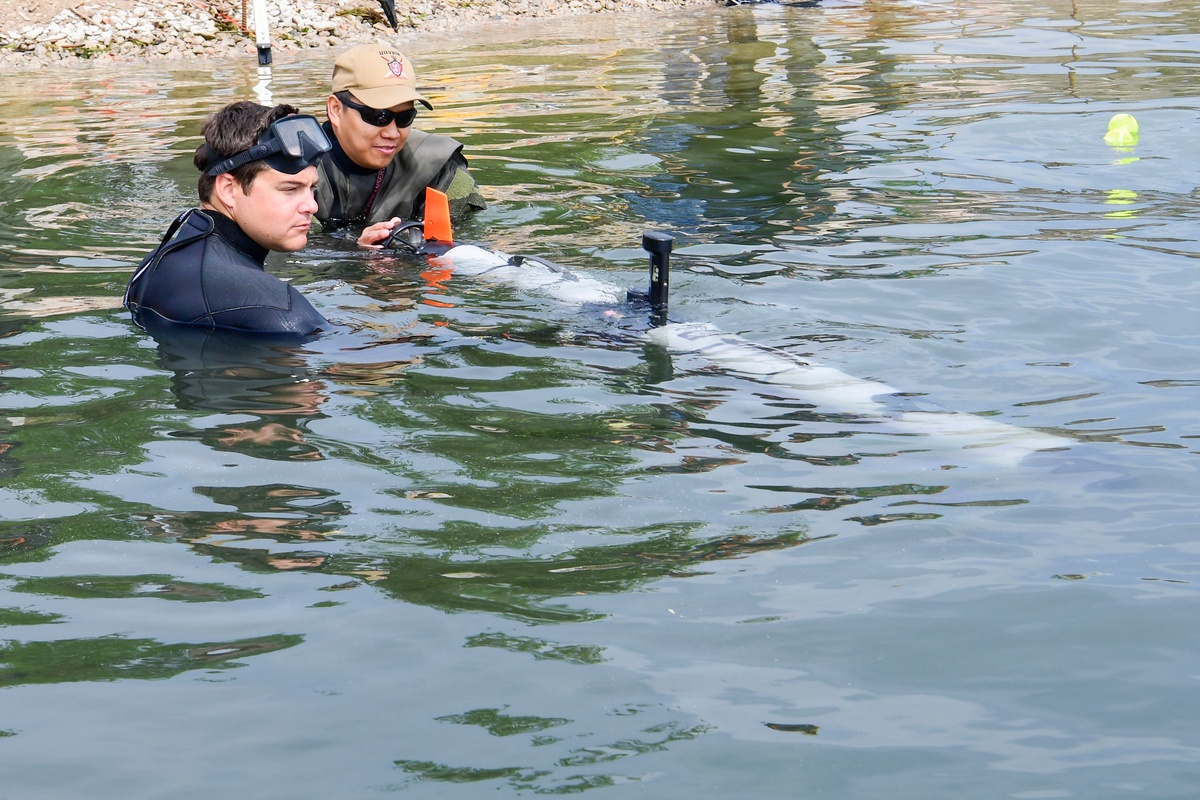
Exail builds underwater and surface drones used for mine clearance, seabed mapping, inertial navigation, and anti-submarine warfare and intelligence, surveillance and reconnaissance missions. The company reported €479 million in revenue in 2025 and carried a €1.1 billion order book as of March 2026, according to reporting from C4ISRNET.
Thales's offer values Exail shares at €134 apiece — a 44% premium over the company's June 25, 2026 share price, according to Bloomberg and confirmed by C4ISRNET's reporting on the deal terms.
Thales says it expects the acquisition to generate roughly €500 million in additional revenue within a decade and to add more than €90 million to operating profit by 2032, per figures cited by Army Recognition.
Why Safran Walked Away
Exail had been negotiating exclusively with Safran before those talks collapsed on July 3, just three days before Thales's agreement was made public. C4ISRNET reports that Safran said it ended the exclusive negotiations after the parties were unable to reach mutually acceptable terms; Thales's subsequent offer of €134 per share topped the roughly €128.50 per share Safran had been willing to pay, leaving Thales as the only bidder still standing.
The narrowness of that field reflects how few companies have the naval systems, sonar expertise, and balance sheet needed to absorb a business Exail's size — a dynamic both C4ISRNET and Army Recognition point to in explaining why the contest effectively came down to two buyers, and ultimately one.
Q&A: What Thales Says It's Actually Buying
Is this primarily a mine-warfare acquisition?
Not according to Thales CEO Patrice Caine, who told Bloomberg the company's ambitions extend well beyond clearing mines. "The market we're targeting isn't that of mine warfare, it's more generally that of robotic underwater operations," Caine said. That framing positions Exail's drones, navigation systems, and seabed-mapping tools as building blocks for a broader autonomous-operations business rather than a single-mission product line.
How does Exail fit with what Thales already builds?
Naval News describes the combination as creating an "autonomous underwater warfare powerhouse," pairing Exail's mine-countermeasure and navigation portfolio with Thales's existing sonar and naval systems lines. The pairing gives Thales both the sensors and the unmanned platforms to carry them, rather than having to buy drones from a third party or build them in-house from scratch.
Is this part of a wider consolidation trend?
Yes. C4ISRNET notes that Italian shipbuilder Fincantieri separately spent €600 million acquiring four undersea technology firms, a sign that European defense primes are racing to lock up seabed and underwater-autonomy expertise at the same time. Between the Fincantieri buys and the Thales-Exail deal, a meaningful share of Europe's independent underwater-drone talent and IP is being absorbed into a handful of large defense groups within the space of a few months.
Deal Mechanics
The transaction as announced covers a 35.5% stake purchased directly from the Gorgé family, Exail's controlling shareholders, at €134 per share. That triggers a mandatory tender offer for the remaining publicly held shares under French takeover rules, which C4ISRNET reports Thales expects to complete by early 2028 at the latest — a multiyear runway that reflects the regulatory review such a deal is likely to face across French and EU competition and defense-investment screening processes.
Why It Matters
The Thales-Exail deal consolidates France's unmanned mine-warfare and seabed-security drone supply chain under a single, state-linked defense prime at a moment when European navies are racing to field autonomous systems for mine countermeasures and seabed infrastructure protection — missions that have taken on new urgency following repeated incidents involving undersea cables and pipelines in European waters. By folding Exail's drone hulls and navigation systems into its existing sonar and naval-systems business, Thales becomes a vertically integrated supplier able to offer navies a complete underwater-autonomy package rather than components that customers must integrate themselves. That scale advantage, combined with the near-simultaneous Fincantieri undersea acquisitions, signals that Europe's underwater-drone sector is consolidating quickly around a small number of large primes — a shift that will shape pricing, export options, and the pace of innovation available to NATO and allied navies for years to come.
Sources
- Thales to buy French underwater-drone maker Exail in $4.5 billion deal — C4ISRNET
- Thales Agrees €3.9 Billion Deal to Acquire Exail Technologies — Bloomberg
- Thales to Acquire Exail in Underwater Warfare Expansion — Naval News
- Thales Moves to Buy Exail to Build France's Unmanned Mine Warfare and Seabed Security Chain — Army Recognition
