
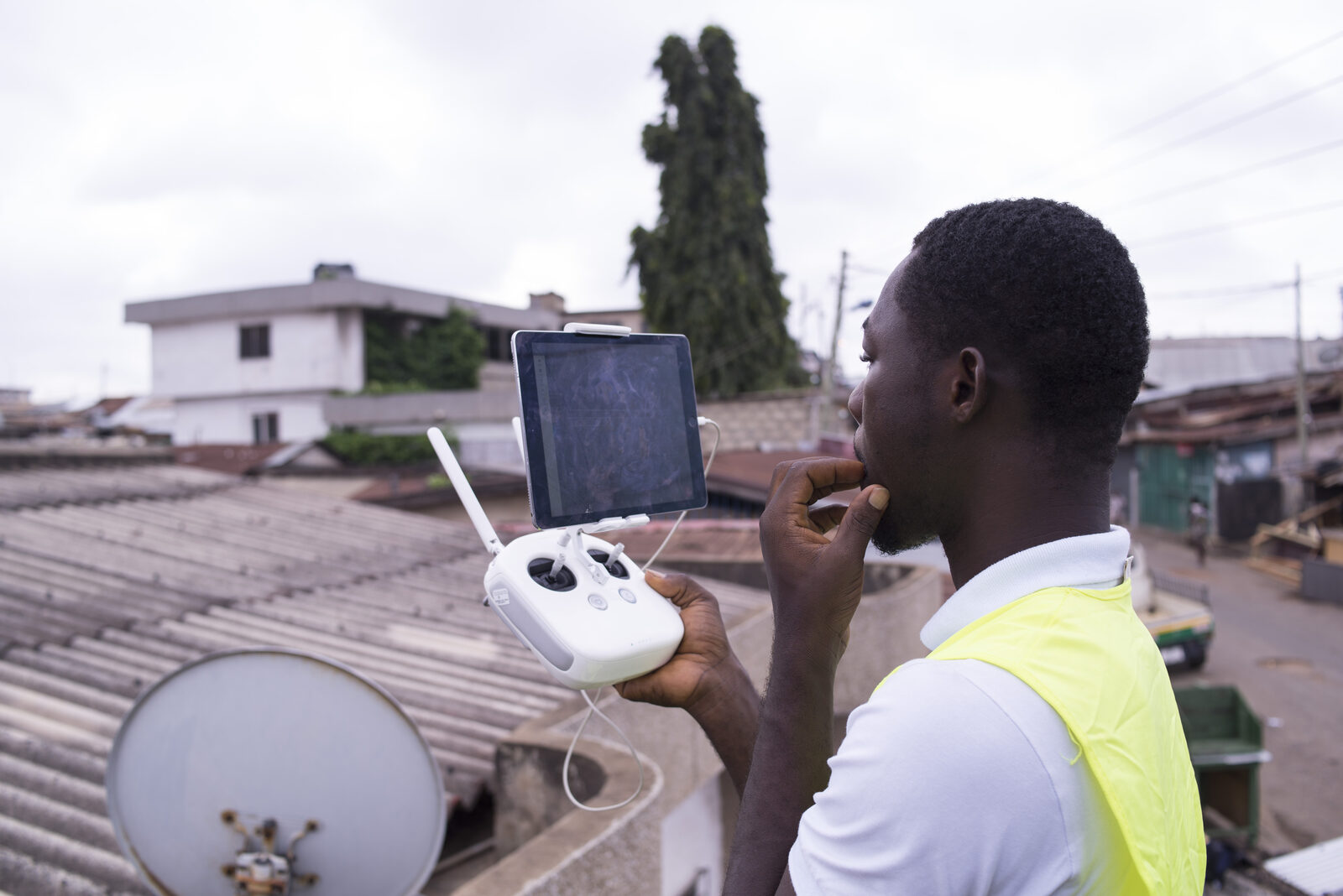
The most common misconception in the U.S. drone industry is that Part 107 is a niche credential for professional pilots. It is not. As one industry source puts it bluntly: "Part 107 is actually the default regulation for all drone operations." Recreational flying is the carve-out — a narrow exception requiring simultaneous satisfaction of eight specific conditions. Miss any one and you are operating under Part 107 whether or not you know it.
The FAA evaluates the purpose of the flight, not simply the pilot's stated intent. A real-estate agent photographing a listing, an agronomist mapping crop stress, an engineer inspecting a bridge — all are commercial operators the moment the flight has business value. Size is irrelevant. Hardware is irrelevant. Purpose determines your regulatory path, not drone size. Part 107 does not apply to public aircraft, Section 44807 determination flights, or air carrier operations under Parts 121 and 135. Everyone else flying small UAS for non-recreational purposes falls under 14 CFR Part 107.
Certification: Two Paths, One Standard
A Remote Pilot Certificate requires meeting a short eligibility list: minimum age 16, demonstrated English proficiency, and TSA security vetting. The background check is mandatory.
Most operators take the first path: passing the Unmanned Aircraft General (UAG) knowledge test at an FAA-approved testing center. The exam costs approximately $175, runs roughly two hours, and covers airspace classification, weather, aircraft loading and performance, emergency procedures, radio communications, and federal aviation regulations. Most candidates invest 15 to 25 hours of preparation. The test is closed-book and in-person.
The second path is for Part 61 certificate holders (student certificates excluded) with a flight review completed within the previous 24 months. They bypass the UAG test by completing the FAA's free online small UAS training course instead. Currency on any certificate lapses if recurrent online training — also free — is not completed every 24 calendar months; the certificate itself does not expire.
Six Hard Limits, One Bottleneck
Part 107 imposes six baseline operating constraints. Maximum altitude is 400 feet AGL — or up to 400 feet above a structure when operating within 400 feet horizontally of it. Maximum weight is 55 pounds including payload. Maximum groundspeed is 100 mph (87 knots). Minimum visibility from the control station is 3 statute miles. Night operations have been permitted without a waiver since January 15, 2021, provided the aircraft carries anti-collision lighting visible for 3 statute miles and the pilot has completed the updated night training module.
The sixth constraint — Visual Line of Sight — is the one that most limits commercial scalability. The regulatory language is explicit:
"Small unmanned aircraft must remain close enough to the remote pilot in command...for those people to be capable of seeing the aircraft with vision unaided by any device other than corrective lenses."
FPV goggles do not satisfy this standard. If a pilot flies FPV, a visual observer must independently maintain unaided sight of the aircraft. No telephoto lens, no binoculars — no workaround short of a co-located human observer or a BVLOS waiver.
Airspace authorization is required for Classes B, C, D, and surface E. Most operators access approvals through LAANC, which provides near-instant automated clearances, or through the FAA DroneZone portal. Class G is freely accessible. Remote ID compliance, mandatory since March 2024, adds a broadcast requirement that applies regardless of certification type.
Waivers and the BVLOS Approval Gap
The regulation states directly: "Most of the restrictions discussed above are waivable if the applicant demonstrates that his or her operation can safely be conducted under the terms of a certificate of waiver." Waivable provisions include BVLOS (§107.31), operations over people (§107.39), operations from moving vehicles (§107.25), altitude above 400 feet (§107.51), and simultaneous operation of multiple aircraft (§107.35). Applications go through DroneZone at no filing fee.
Approval rates diverge sharply. Night waivers — largely moot since 2021 — carried roughly 85% approval and 90-day processing. Operations over people run approximately 40% at 120 days. BVLOS runs at roughly 15% with processing times exceeding 180 days. Beyond visual line of sight represents the most commercially valuable operation type but faces the strictest scrutiny.
The indirect costs compound the friction. Assembling a credible BVLOS application — Concept of Operations, risk assessments, equipment documentation — typically requires $5,000 to $25,000 in consulting fees. Drones under 250 grams without exposed rotating parts may fly over people without a waiver; heavier aircraft must meet FAA impact-energy thresholds via a Declaration of Compliance, and Category 4 still requires a waiver.
TRUST vs. Part 107, and What Part 108 Replaces
The FAA's Recreational UAS Safety Test (TRUST) offers a useful contrast. It is free, untimed, open-book, and takes roughly 30 minutes online through approved administrators. No background check, no minimum age, no renewal. Part 107 holders are automatically exempt from TRUST — the commercial knowledge test subsumes everything TRUST covers, and more.
What TRUST cannot provide: no waiver system. Operations over people prohibited. Night operations have no waiver path. Recreational registration covers all drones a hobbyist owns under a single filing; commercial registration requires individual aircraft registration at $5 per drone, renewable every three years.
The FAA published the Part 108 NPRM in the Federal Register on August 7, 2025. A public comment period followed. A target final rule was referenced in executive order context for March 2026.
Part 108 would replace the current case-by-case BVLOS waiver process with a standardized framework — and it shifts primary responsibility from individual remote pilots to operating organizations. As the FAA acknowledged in the NPRM: "With the increasing autonomy of UAS...the role of the pilot has and will continue to decrease." No individual FAA certificate would be required. Two new roles — Operations Supervisor and Flight Coordinator — replace remote pilot in command. Flight Coordinators must accumulate 5 hours of model-specific operating experience; all operational staff require TSA clearance.
Two operational pathways are proposed: Permitted Operations (lower-risk, 24-month permits, capped fleet sizes) and Certificated Operations (higher-risk, safety management systems, enhanced FAA oversight). A population density framework scales requirements through Category 5, which defines 2,500 or more people within a half-mile and mandates automatic detect-and-avoid capability. A companion rule, Part 146, certifies Automated Data Service Providers for traffic management at scale.
One provision with immediate industry implications: as proposed, Part 108 would effectively exclude DJI drones from BVLOS operations, limiting Airworthiness Acceptance to U.S. manufacturers or those covered by bilateral agreements.
Sources
- Rupprecht Law — FAA Part 107 Regulations & Commercial Drone Rules Explained (2025)
- Rupprecht Law — FAA Part 107 Overview
- Best Drone Training — Part 107 vs. TRUST Comparison (2025)
- Propel RC — Part 107 vs. Recreational Rules (2026)
- Pilot Institute — FAA Part 108 Explained (2025)
- Skydio — Drones, FAA BVLOS Waivers, and New Rules (2025)
- Rotate Pilot — Part 107 Waiver Guide (2026)
- Drone Pilot Ground School — FAA Part 108 Overview (2025)
