
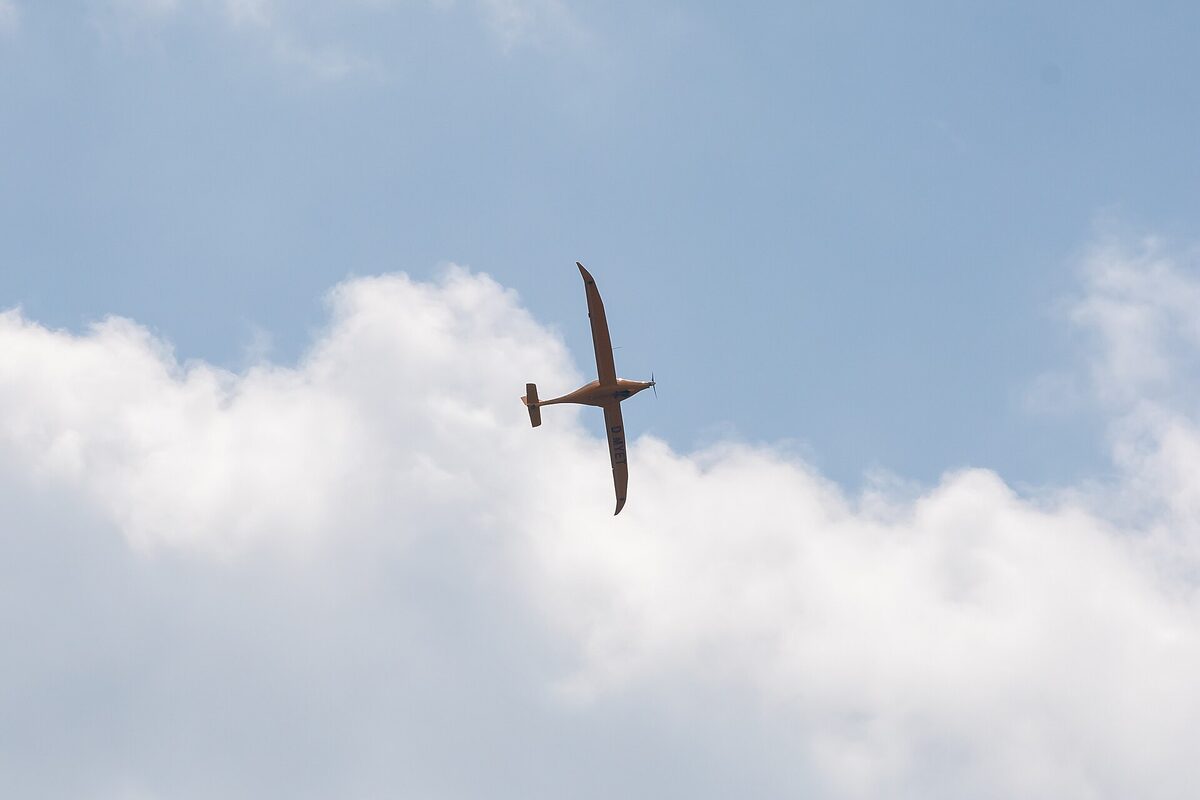
A single-seat electric multicopter sold in the United States as an ultralight has run into a problem with the federal rule it is marketed under. Jimmy, the YouTuber behind the Jimmy's World channel, flew a YiVTOL S-Zero Plus in a video published October 27 that DroneXL reports has passed 3.3 million views. In a follow-up video on November 4, he said the Federal Aviation Administration had told him the aircraft he flew is not legal to operate the way he flew it.
He listed three problems the FAA raised. The aircraft's batteries count toward the 254-pound empty-weight limit for powered ultralights. The dealer-supplied ground-station remote control mode makes the vehicle a drone, not an ultralight. And Part 103 does not allow flight over congested areas. According to DroneXL's account of the video, Jimmy did not say who at the FAA he spoke with, and the only document he refers to is an FAA letter on battery weight; no FAA statement about this aircraft appears in the sources we reviewed.
The three claims don't carry equal weight. One rests on a written FAA legal interpretation from more than a decade ago. One comes straight from the regulation's operating rules. The third, about remote control, is Jimmy's own reading of what he says he was told, and nothing in the record we reviewed confirms it.
What Part 103 actually requires
Part 103 is one of the shortest sections of the federal aviation regulations, and that is the point of it. Under Sec. 103.1, an ultralight is a vehicle used for manned operation by a single occupant, for recreation or sport only, with no U.S. or foreign airworthiness certificate. A powered ultralight must weigh less than 254 pounds empty weight, excluding floats and safety devices meant for deployment in a catastrophic situation, such as a parachute. It can carry no more than 5 U.S. gallons of fuel, cannot be capable of more than 55 knots in level flight at full power, and cannot have a power-off stall speed above 24 knots.
A vehicle that stays inside those limits gets a large exemption. Sec. 103.7 says ultralights and their operators need no airworthiness certificate, no pilot certificate and no registration. That exemption is the appeal of the category for personal eVTOL makers and buyers.
Do batteries count toward the 254 pounds?
On this point the FAA put its position in writing years ago. In a letter dated September 4, 2012, the FAA Office of the Chief Counsel answered a May 4, 2012 request from Rainbow Aviation Services. The request asked whether batteries that power an electric motor count toward an ultralight's empty weight. The letter quotes the Sec. 103.1(e) limits, and DroneXL reports its conclusion: battery weight must be included in empty weight.
The letter rejected the argument that batteries are fuel and sit outside empty weight. Part 103 excludes only floats and safety devices intended for deployment in a catastrophic situation, and fuel is handled separately through the 5-gallon cap. The letter reasons that a battery weighs the same depleted as charged, so treating it as fuel would let an ultralight carry an unlimited number of them.
For heavy-lift electric multicopters, that is a hard constraint. Jimmy estimates in his video that each battery on the larger S-Zero Max weighs 50 to 60 pounds, and says the Plus carries two. Those are his estimates, not manufacturer figures. YiVTOL's specification page, as DroneXL notes, lists prices but no empty weight. Without a published empty weight measured the way the FAA counts it, buyers cannot easily check the Part 103 claim for themselves.
Does a remote-control mode make it a drone?
This is the most novel claim and the least settled. YiVTOL's product page lists two control modes for the S-Zero: an onboard joystick and "ground-station remote control (training and sightseeing)." Jimmy said that mode was the basis for the FAA's point that the aircraft is a drone. DroneXL describes the dealer demonstrating the mode with a student in the seat and a handheld transmitter.
The regulation's text points to why it could matter. Part 103 defines an ultralight as a vehicle for manned operation by a single occupant. A vehicle flown from the ground, with or without someone aboard, does not fit that description neatly. DroneXL's own reading is that a second person flying it from a handheld transmitter is not that occupant. Whether that turns it into an unmanned aircraft under the FAA's drone rules, or whether it is simply an ultralight being misused when flown remotely, is a legal question. The sources we reviewed don't answer it. For now, treat the remote-control point as Jimmy's account of a conversation, not established FAA policy.
What about congested areas?
Here the rule is plain. Part 103 bars ultralight flight over congested areas of cities, towns or settlements, and over open-air assemblies of people. Even a vehicle that meets every weight and performance limit is restricted to sparsely populated places. Jimmy said that limit was among the problems the FAA flagged.
The manufacturer's position
YiVTOL markets the S-Zero as a single-seat ultralight eVTOL with a titanium airframe and 30 to 50 minutes of flight time. Its product page says it operates under FAA Part 103 in the United States. The company lists four editions at FOB prices, excluding tax and shipping: BASIC at $59,000, PLUS at $79,000, MAX LITE at $99,000 and MAX at $139,000. Payload figures on the page are manufacturer ratings, and the PLUS ships with two battery pairs.
The price buyers actually pay is higher. Brett Rayburn of CloudRider865, a Tennessee dealer, put the S-Zero Plus at $98,000 delivered, according to DroneXL. YiVTOL and dealer Brett Rayburn maintain that the aircraft flies under Part 103.
Why It Matters
The personal eVTOL market depends on Part 103. Without it, a single-seat multicopter would need certification or experimental status, a registered aircraft and a certificated pilot. Those are the costs that small makers and hobbyist buyers are trying to avoid. A 2012 FAA interpretation that counts batteries against the 254-pound limit already caps how much energy a legal electric ultralight can carry, and so caps its endurance and payload. If the FAA also treats remote-control modes as disqualifying, makers that offer remote flight for training or demonstrations would have to drop it or seek a different regulatory path.
Owners carry the risk. The Part 103 exemptions from airworthiness certification, pilot certification and registration apply only to vehicles that meet the definition, so an owner whose aircraft does not qualify cannot rely on them. The immediate question for owners is the one Jimmy raised. What does the aircraft weigh empty, batteries included, measured the way the FAA counts it? The manufacturer's spec page does not answer that.
