
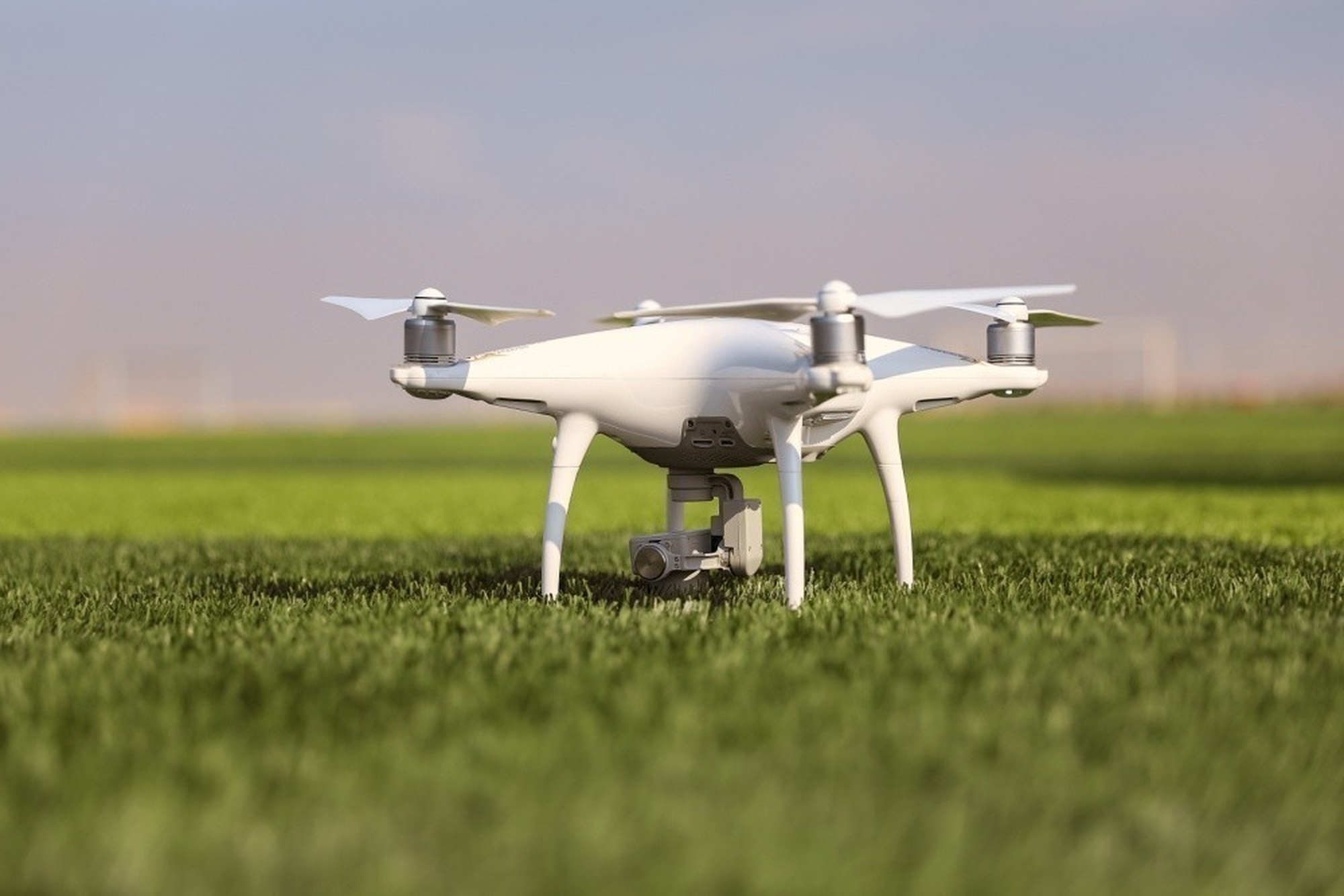
The Federal Aviation Administration is roughly doubling the size of BEYOND, its flagship program for integrating drones into everyday U.S. airspace, Transportation Secretary Sean Duffy announced on August 27, 2026. The expansion, dubbed Phase 2, will add as many as eight new state, local, tribal or territorial lead participants to a program that has already logged more than 70,000 flights since it launched in the fall of 2020.
The move is not a rebrand or a restart. It is a deliberate second act for a program that spent its first five years proving basic beyond-visual-line-of-sight (BVLOS) concepts could work in the real world — and is now being pointed at the harder problems the original cohort never fully tackled: public safety missions, other complex airspace scenarios, and operations inside the fenced-off complexity of active airports, per FAA Administrator Bryan Bedford's own framing of what Phase 2 is meant to address.
What BEYOND Phase 1 Actually Proved
BEYOND grew out of the UAS Integration Pilot Program (IPP), the FAA's earlier public-private testbed for drone rules, according to the agency's own program page at faa.gov. Where IPP was about proving drones could be integrated into the airspace at all, BEYOND was designed to answer a narrower and more operationally useful question: could routine BVLOS flights — package delivery, infrastructure inspection, public safety response — be flown repeatably, safely, and at a scale that looks like a real service rather than a demonstration?
By the numbers released alongside the Phase 2 announcement, the answer has been yes. The program's lead participants collectively flew 70,563 total flights, of which 48,383 — nearly 69 percent — were conducted beyond visual line of sight, the flight mode that has long been considered the single biggest unlock for commercial drone operations and the hardest for regulators to bless at scale.
That volume of real-world data hasn't gone unexamined. A Department of Transportation Inspector General audit, published at oig.dot.gov, credits the FAA with "progress in advancing BVLOS drone operations" while also flagging that the agency still has work to do to fully achieve the program's goals and improve how it analyzes the data those flights generate. It's an independent, unflattering-in-places gut check on a program the FAA is now moving to expand rather than wind down — a sign that Phase 2 is being layered on top of a partially graded Phase 1, not a victory lap.
What Changes in Phase 2
The legal basis for the expansion is Section 920 of the FAA Reauthorization Act of 2024, which authorizes the second phase of the program and — per the FAA's own program page — extends BEYOND through 2029. That runway matters: it gives the FAA and its new partners enough time to iterate through the kind of complex, multi-year test campaigns that on-airport operations and other complex airspace scenarios require, rather than chasing a near-term expiration date.
Substantively, Phase 2 shifts the program's center of gravity. Where the original 2020-era cohort focused heavily on proving out basic BVLOS logistics, the new phase is explicitly aimed at use cases that cohort didn't fully work through. FAA Administrator Bryan Bedford, quoted in the Department of Transportation's announcement, described Phase 2 as expanding "the partnerships and operations needed to address remaining challenges in beyond visual line of sight operations, public safety missions, on-airport operations and other complex airspace environments" — a mandate built around scenario complexity, not just flight volume, that Phase 1's lead participants didn't fully test.
"On-airport operations" is worth pausing on. Drones sharing controlled airspace with manned traffic inside the perimeter of an active airport — for perimeter security, wildlife management, infrastructure inspection, or eventually cargo movement — sits near the top of the FAA's list of scenarios it has been most cautious about. Including it explicitly in Phase 2's scope signals the agency is ready to test integration in some of the most operationally sensitive airspace in the National Airspace System, not just open rural corridors.
The new lead participants themselves have not yet been named. The Department of Transportation's announcement points prospective applicants to a screening-information posting on SAM.gov rather than naming winners outright, meaning Phase 2's actual footprint — which states, cities, tribes or territories will host the next round of testing — remains an open question as of this announcement.
The Politics of the Announcement
Duffy framed the expansion in distinctly competitive terms, describing the effort as "cutting through barriers, advancing innovation" and positioning BEYOND as a vehicle for building next-generation aviation technology domestically. That framing — regulatory streamlining in service of not falling behind on drone technology — has become a consistent theme across the current DOT's aviation messaging, and it puts BEYOND in the same rhetorical bucket as the department's other recent moves to accelerate BVLOS rulemaking and drone-industry competitiveness.
Whether that political framing translates into a materially faster regulatory track for the industry is a separate question from whether Phase 2 will generate useful data. The Inspector General's audit is a reminder that BEYOND's value has always rested on the quality of what the FAA does with the flight data it collects, not just the flight count. Doubling the number of lead participants doubles the potential firehose of operational data flowing into the agency — which raises the stakes on the very data-analysis gaps the IG flagged in Phase 1.
Why It Matters
BEYOND has functioned as the FAA's primary real-world laboratory for the rules that will eventually govern routine BVLOS drone flight — the operating mode almost every serious commercial drone business model, from delivery to long-line infrastructure inspection to cargo logistics, depends on. Phase 1's 48,383 BVLOS flights gave the agency a meaningful evidence base for basic BVLOS integration, and the Department of Transportation says that data directly informed the FAA's upcoming BVLOS rule.
Phase 2 pushes that evidence base into territory Phase 1 didn't fully cover: public safety missions, other complex airspace scenarios, and — critically — on-airport operations, where drones and crewed aviation actually have to coexist rather than stay segregated. Congress's decision to authorize this expansion through 2029 via Section 920 also signals that BVLOS integration is being treated as a multi-year infrastructure project rather than a box to check. For an industry that has spent years flying pilot programs and waiting on a durable regulatory framework, an expanded BEYOND program is one of the clearer indicators that the rulemaking runway is still moving forward — even as the Inspector General's findings suggest the FAA still needs to prove it can turn a growing pile of flight data into program-changing decisions, not just a bigger flight count.
Sources
- Trump's Transportation Secretary Sean P. Duffy Announces Major Expansion of FAA BEYOND Program to Advance Drone Innovation — U.S. Department of Transportation
- US Expanding Long-Range Commercial Drone Testing Program — Bloomberg
- FAA Has Made Progress in Advancing BVLOS Drone Operations but Can Do More To Achieve Program Goals and Improve Data Analysis — DOT Office of Inspector General
- BEYOND — Federal Aviation Administration
