
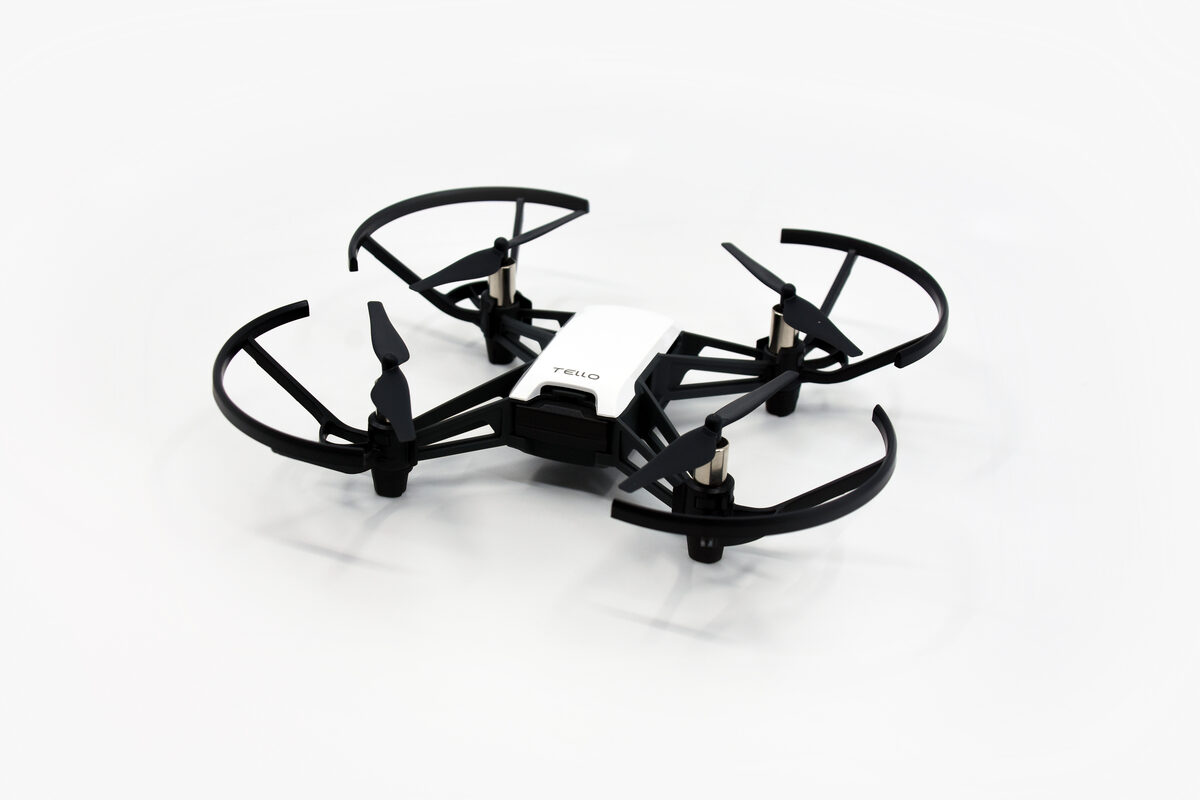
Amazon's Ring has spent most of a decade promising a security camera that flies around inside your house. On Nov. 10 it finally put a price and a date on one. The Ring Drone Cam, launched under a new Ring Robotics label, costs $249.99 and is scheduled to ship to US customers on Jan. 27, 2027. It arrives alongside the $999.99 Ring Rover Cam, a ground robot due Dec. 16, 2026.
The fine print matters as much as the ship date. A footnote in Amazon's own announcement says the Drone Cam "has not been authorized as required by the rules of the Federal Communications Commission," and that the device "is not, and may not be, offered for sale or lease... until authorization is obtained." Amazon is taking email sign-ups, not preorders, according to DroneXL. The January date assumes the FCC clears the drone first.
What Ring Is Actually Shipping
The Drone Cam is small. The Verge puts it at 165 grams, and it is built only for indoor use. The published specifications are modest:
- Video: 2K resolution with a 148-degree field of view; the camera can rotate 360 degrees.
- Endurance: five to eight minutes per charge, according to The Verge. CNBC reports up to eight minutes of flight before it returns to its dock.
- Recharge: about eight minutes on the dock for every minute in the air. A five-minute patrol therefore needs roughly 40 minutes before the drone is fully ready to fly again.
- Privacy hardware: the camera is fully covered when the drone sits in its dock.
- Noise: Amazon says the propellers "aren't quiet" and that both new devices are "designed to be seen and heard." CNBC describes two plastic-encased propellers that give off a loud buzz, and says Ring founder Jamie Siminoff pitched the device's built-in LED lights as a deterrent to intruders.
Flights are either scheduled or triggered. CNBC reports the drone can fly preset paths through a home, including upstairs, when an alarm or sensor trips, and can capture footage day or night. Scheduled flights need a compatible Ring Protect plan, according to Amazon.
How the "AI Pilot" Works
Ring calls its navigation system AI Pilot. Amazon describes it as a mix of onboard cameras, vision models, on-device sensors and cloud processing. During setup, the owner carries the drone through the home so it can build a floor plan, and the system then suggests patrol points.
The weak point is connectivity. The Verge reports that AI Pilot depends entirely on an internet connection, and that without Wi-Fi the drone can do little beyond landing. Bloomberg, as cited by DroneXL, says a disconnected unit can still take off and land safely. Neither account suggests it can run a meaningful patrol offline. For a security device, that is an important limitation. A camera that relies on the home network to navigate is only as reliable as the router, and only as available as Ring's cloud.
Ring says footage is protected by its TAKE encryption scheme. According to The Verge, TAKE rotates keys every five minutes and deletes Ring's copies after 24 hours.
The Verge's reporter saw a one-minute demonstration flight with smooth navigation. That is too short to judge battery claims, mapping reliability in a cluttered home or how the drone handles pets, open doors and moved furniture.
Six Years From Always Home Cam
The Drone Cam descends from the Always Home Cam, which Ring announced in 2020 and never shipped. The Verge calls the new model that product's spiritual successor. Siminoff told the outlet the project has been in development since 2016, that Ring nearly shipped two earlier models, and that the team started from scratch about a year ago, building a more basic drone with its brains in the cloud, because it struggled to fit the needed technology into a practical design for under $250.
The Verge's reporter last saw a Ring prototype at CES 2023, and says the new drone is about a quarter the size of that model. Siminoff described the earlier attempts to Bloomberg, as reported by DroneXL, as "a vicious cycle": each added sensor or processor needed a bigger battery, and the extra weight needed stronger rotors. Shrinking the aircraft and moving much of the perception workload to the cloud appears to be how Ring broke that cycle. It also explains why the drone is so dependent on a network connection.
The FCC Problem
DroneXL connects the authorization footnote to the FCC's December 2025 rules, which block new equipment authorizations for foreign-produced drones and drone components unless they qualify for an exemption. Under that regime, a new drone headed for the US market faces questions about where it and its parts were made.
Ring's public position is confident. The company told The Verge it is "in the process of obtaining FCC certification," and Siminoff said the drone "does comply with" FCC regulations and is assembled in the US. According to DroneXL, neither Amazon's announcement nor the Verge, Bloomberg and CNBC reports say which components come from where or which exemption path Ring is using. CNBC reports the January ship date is pending FCC approval, so until the FCC acts the date is a target, not a certainty.
The Rover Cam, Briefly
The $999.99 Ring Rover Cam is aimed at a different buyer. CNBC reports that it repurposes Amazon's Astro robot for workplaces such as warehouses and offices. It ships Dec. 16, more than a month ahead of the drone, preorders are open, and Amazon's announcement attaches no comparable FCC footnote to it.
Why It Matters
Amazon calls the Drone Cam a first-of-its-kind Ring camera, and at $249.99 it is priced well below what most would expect for an autonomous indoor patrol drone. If it ships on schedule, it will put flying cameras inside homes tied to a Ring Protect subscription and a cloud backend. CNBC notes that Ring has been beset by privacy concerns, primarily over its partnerships with police. A camera that moves on its own through private rooms will only sharpen questions about what Ring stores, for how long and who can request it.
The launch is also an early, high-profile test of the FCC's December 2025 drone regime. Amazon is one of the largest consumer electronics sellers in the country, and it is openly marketing a drone it legally cannot yet sell. How quickly that authorization arrives, and on what basis, will show the rest of the industry how the covered-list rules work in practice for a product Ring says is assembled in the US.
The aircraft's limits are also worth watching: a five-to-eight-minute flight, a roughly 40-minute recharge and a navigation stack that needs Wi-Fi. These say more about where small autonomous drones stand in 2026 than the marketing does. Ring has made the flying camera cheap and small enough to sell. Whether it is dependable enough to trust with home security is a question the January buyers will answer.
Sources
- Ring Robotics launches Ring Drone Cam and Ring Rover Cam (Amazon, Nov. 10, 2026)
- Ring Drone Cam hands-on (The Verge, Nov. 2026)
- Amazon's Ring unveils flying drone, robot to patrol homes, businesses (CNBC, Nov. 10, 2026)
- Ring's $250 Drone Cam Finally Ships January 27, Pending FCC Approval (DroneXL, Nov. 10, 2026)
